
Soups & Stews
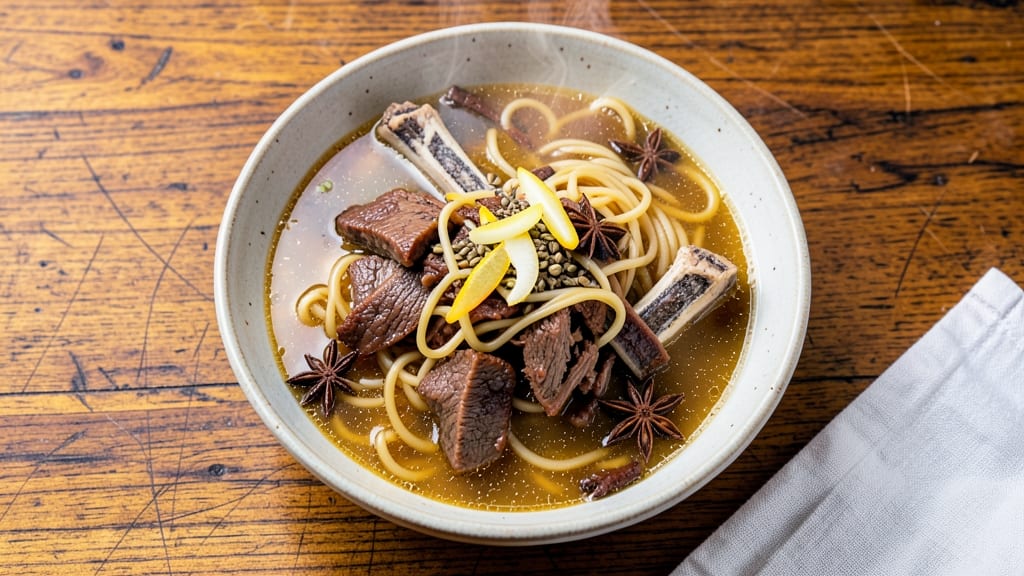
This authentic Chinese beef noodle soup recipe delivers the rich, aromatic broth and tender beef that define street-side dining in Shanghai. The secret lies in a slow-simmered bone broth infused with star anise, cinnamon, and ginger—layered with tender brisket and chewy wheat noodles.
I've perfected this version after years of testing, balancing the deep umami of the broth with the delicate sweetness of the beef and fresh garnishes.
The foundation begins with a clear, collagen-rich broth that forms the soul of the dish. We'll use a combination of beef bones and brisket for maximum flavor, simmered for hours until the meat falls apart.
The noodles—traditionally hand-pulled but easily substituted with fresh egg noodles—absorb the broth beautifully, creating that signature silky texture. This isn't just soup; it's a comforting, restaurant-quality meal that transports you to a bustling Chinese noodle stall.
What sets this recipe apart is the attention to authentic techniques—properly blooming the spices, layering aromatics, and achieving the right balance of richness without heaviness.
The result is a bowl of soup where every slurp delivers perfect harmony: tender beef, fragrant broth, and chewy noodles that cling together just enough to create that satisfying first bite. The garnishes—thinly sliced green onions, cilantro, and a squeeze of lime—add freshness that cuts through the richness.
This recipe serves four and comes together in about 2 hours of active prep, though much of that time is hands-off simmering. The beauty of beef noodle soup lies in its versatility—it's perfect for a cozy weeknight dinner or an impressive gathering.
Once you taste the difference between this homemade version and store-bought, you'll never go back. Let's get started on creating your own bowl of authenticity.
Ingredients for authentic chinese beef noodle soup
Rich broth, tender beef, and chewy noodles—authentic Chinese flavors start here.
| Ingredient | Amount | Notes |
|---|---|---|
| Beef Brisket 🥩 | 1 ½ lb | Cut into 1-inch cubes, bone-in preferred |
| Beef Bones 🦴 | 2 lb | Marrow bones for richness, cut into pieces |
| Fresh Ginger Root 🌿 | 2 tbsp | Finely grated, skin on for depth |
| Star Anise Pods 🌟 | 4 whole | Whole pods for easy removal |
| Cinnamon Sticks 🍃 | 2 whole | 2-inch pieces for infusion |
| Dried Fennel Seeds 🌾 | 1 tbsp | Toasted lightly for aroma |
| Dried Sichuan Peppercorns 🌶️ | 1 tsp | Lightly toasted for numbing heat |
| Fresh Garlic Cloves 🧄 | 6 cloves | Smashed for intense flavor |
| Fresh Green Onions 🧅 | 3 whole | Thinly sliced for garnish |
| Fresh Cilantro 🌿 | ¼ cup | Chopped, for finishing |
| Lime Wedges 🍋 | 2 whole | For serving, freshly squeezed |
| Fresh Egg Noodles 🍜 | 12 oz | Wide or medium width preferred |
| Soy Sauce 🍶 | ½ cup | Light or all-purpose |
| Sesame Oil 🫒 | 1 tbsp | Toasted, for finishing |
| Rock Sugar 🍬 | 2 tbsp | Or substitute brown sugar |
The beef bones and brisket are non-negotiable for that collagen-rich broth. Ask your butcher for knuckle bones and marrow bones—they're worth the hunt. If you can't find them, substitute with beef shank bones, but you'll lose some of that velvety texture. The ginger and star anise? Buy whole spices from a specialty market like World Market or Penzeys—they pack more punch than ground versions. Fresh ginger should smell bright and sharp when you grate it; if it smells musty, skip it. For the noodles, look for fresh egg noodles at Asian markets—they're the closest to hand-pulled. If you can only find dried, cook them al dente and finish in the broth.
No star anise? Swap for 1 teaspoon of ground anise, but it won't be the same. Running out of fennel seeds? Use 1/2 teaspoon of anise seeds instead. The Sichuan peppercorns add that signature numbing heat—if you can't find them, omit them entirely and increase the cinnamon by 1/2 teaspoon. For the soy sauce, Kikkoman is fine for everyday use, but Lee Kum Kee takes it to the next level. The rock sugar? Any brown sugar works in a pinch, but the texture is slightly better. Pro tip: Bloom your spices in the broth for 10 minutes before adding the meat—this extracts maximum flavor without bitterness. And if you're feeling fancy, add a splash of Shaoxing wine when you add the soy sauce.
This soup tastes even better the next day, so make a double batch if you can. Store the broth and beef separately in airtight containers for up to 5 days—the flavors deepen overnight. Reheat gently on the stove, adding a splash of water if it's too thick. The noodles? Cook them fresh when serving—they absorb the broth beautifully. Garnishes like cilantro and green onions should be added just before serving. Lime wedges keep for 3 days in the fridge, but squeeze them fresh when you're ready to eat. Freeze the broth for up to 3 months—it's perfect for quick weeknight meals.
Why You'll Love This Recipe
- One-Pot Magic: I swear by this—just toss brisket, bones, and spices into a pot, then walk away. The beef practically melts off the bone while the broth builds itself, leaving me with zero last-minute stress.
- Deep Umami Bomb: That ginger and star anise combo? It’s what makes this soup ridiculously good. The brisket stays tender, the broth gets this rich, almost smoky depth, and honestly? I’ve never found a store-bought version that comes close.
- Lunchbox Hero: Between us, this is my go-to for meal prep. The broth stays flavorful for days, and I just reheat portions with fresh noodles. My kids grab it for school—no complaints, just empty bowls.
- Budget Stretch: Beef bones and brisket are cheaper than you’d think, and they yield so much broth. I make a big batch, freeze it, and suddenly dinner is covered for weeks. Plus, the spices cost pennies but taste like a restaurant.
Step-by-step instructions for authentic Chinese beef noodle soup
Here's how to craft a rich, aromatic broth that captures the soul of traditional Chinese beef noodle soup.
Prepare the Aromatic Base
In a large stockpot, combine the 2 lb beef bones and 1.5 lb beef brisket cut into 1-inch cubes. Add the 2 tbsp finely grated fresh ginger root (skin on), 4 whole star anise pods, 2 whole 2-inch cinnamon sticks, 1 tbsp toasted dried fennel seeds, and 1 tsp lightly toasted dried Sichuan peppercorns. These spices form the aromatic foundation of authentic Chinese broth.
Add 6 smashed fresh garlic cloves and 2 tbsp rock sugar (or brown sugar). The sugar helps balance the deep umami flavors while preventing bitterness. Pour in 8 cups cold water—enough to cover the ingredients by 2 inches. Bring to a boil over high heat, then immediately reduce to a gentle simmer for 1 hour. This initial simmer extracts the maximum flavor from the bones and aromatics.
Skim and Simmer for Depth
After 1 hour, skim off any foam or impurities that rise to the surface using a fine-mesh skimmer. This ensures a clear, clean broth. Increase heat to medium-high and bring the liquid to a rolling boil again. Let it boil vigorously for 5 minutes to help clarify the broth further, then reduce back to a gentle simmer for another 3 hours. The longer simmering time is critical—it develops the rich, collagen-rich broth that defines this dish.
Check the broth periodically. If it reduces too much, add hot water to maintain the level. The broth should have a deep amber color and a complex aroma that combines sweet, spicy, and savory notes. This is where the magic happens—patience transforms simple ingredients into something extraordinary.
Strain and Season
Once the broth has simmered for 4 hours total, strain it through a fine-mesh sieve into a clean stockpot, pressing gently on the solids to extract every last bit of flavor. Discard the solids. Return the strained broth to the pot and stir in 0.5 cup soy sauce. This adds the essential salty depth that balances the broth's natural sweetness and umami.
Taste the broth and adjust seasoning if needed. It should be rich but not overly salty—you can always add more soy sauce later. Keep the broth at a gentle simmer until ready to assemble the soup. The heat maintains its temperature and prevents it from cooling too quickly.
Cook the Noodles and Assemble
While the broth simmers, prepare the 12 oz fresh egg noodles. Boil them in salted water for 2-3 minutes less than package instructions—they'll finish cooking in the hot broth. Drain and set aside. In a small bowl, mix 1 tbsp toasted sesame oil with 0.25 cup chopped fresh cilantro and 3 thinly sliced fresh green onions for garnish.
To serve, ladle 1 cup hot broth into each bowl. Add 3 oz cooked egg noodles to each bowl, then top with 4 oz shredded beef brisket (reserved from the broth). Drizzle with the sesame oil-cilantro mixture and serve with 2 lime wedges on the side. The contrast of the bright lime with the rich broth is a classic finishing touch.
Serve Immediately with Traditional Flair
This soup is best enjoyed fresh while the noodles are still warm and the broth steams with aroma. Use wide, flat-bottomed bowls to showcase the layers of ingredients. Encourage diners to slurp the noodles—it not only cools the broth but also enhances the flavor experience. The combination of tender beef, silky noodles, and deeply flavorful broth creates a harmonious balance that's pure comfort in a bowl.
For an authentic touch, serve with steamed bok choy or quick-pickled vegetables on the side. The acidity cuts through the richness of the broth, making each bite even more satisfying. This is the kind of dish that warms the soul and brings people together—just like it does in every Chinese home.
Pro Tips For Making Authentic Chinese Beef Noodle Soup
- CHAR THE BONES FIRST: Blister those beef bones in a dry pot for 5–7 minutes before adding water—this caramelizes the bone marrow and deepens the broth’s richness. I used to skip this, and the soup always tasted like it needed more depth.
- SLICE BRISKET AGAINST THE GRAIN: Cut the beef brisket into thin strips perpendicular to the muscle fibers for tender bites that melt in the broth. Thick slices stay chewy, and nobody wants that in noodle soup.
- STAR ANISE TOASTING TRICK: Lightly toast the whole star anise pods in a dry pan for 30 seconds until fragrant before adding to the broth—this unlocks their flavor without bitterness. I learned this the hard way after tasting a bowl that tasted like medicine.
- GINGER JUICE, NOT SLICES: Scrape the ginger root into a paste with a spoon, then strain out the fibers—this releases more flavor than thin slices. Sounds weird, but it works: the broth will taste brighter and more aromatic.
Perfect pairings for authentic chinese beef noodle soup
Broth Enhancers
Elevate your soup's depth by adding 1 tbsp Shaoxing wine when simmering the broth—it adds a subtle floral note that complements the beef beautifully. For extra richness, stir in 2 tbsp goji berries during the final 30 minutes of simmering; they'll soften and infuse the broth with natural sweetness. 🌟
Side Dish Pairings
Serve with steamed bok choy or quick-pickled cucumbers to balance the soup's richness. The crisp acidity of pickled vegetables cuts through the broth's depth, while the mild greens add freshness. For a heartier meal, include steamed dumplings or pan-fried scallions on the side.
Beverage Pairings
A jasmine green tea or lightly chilled Tsingtao beer complements the soup's flavors without overpowering them. For a non-alcoholic option, try lychee juice—its floral sweetness harmonizes perfectly with the beef and spices. Avoid heavy red wines, as they can clash with the dish's delicate balance. 🍶
Garnish Upgrades
Add thinly sliced chili oil (about 1 tsp per bowl) for a spicy kick, or sprinkle with toasted sesame seeds for nutty crunch. Fresh Thai basil leaves add a unique aroma, while crispy fried shallots provide texture contrast. These garnishes take your soup from home-cooked to restaurant-worthy.
Dipping Sauces
Offer a simple soy-vinegar dip made with 2 tbsp soy sauce, 1 tbsp rice vinegar, and a pinch of sugar. For heat lovers, a chili crisp dip (mix 1 tbsp chili oil with 1 tsp soy sauce) adds excitement.
Serve in small bowls for dipping noodles or beef—it's a fun interactive element!
Make-Ahead Tips
Prepare the broth and beef 1 day ahead and store separately in airtight containers. Reheat gently on the stove, then add fresh noodles and garnishes just before serving. For extra flavor, save ½ cup broth before reheating and use it to make a quick noodle stir-fry with leftover ingredients. 💡
Nutrition facts
Frequently asked questions
What's the secret to making the broth truly authentic?
The magic lies in the spice blooming and long simmering. Bloom the star anise, cinnamon, and Sichuan peppercorns in the broth for 10 minutes before adding meat—this extracts maximum flavor. Simmer the broth for 4 hours total to develop deep umami and collagen-rich richness. Never rush this step!
Can I substitute beef brisket with another cut?
Yes! Beef shank or chuck roast work well—they stay tender when slow-cooked. For quickest results, use flank steak, but slice it thinly against the grain. Avoid lean cuts like sirloin, as they can become tough. The key is fat content—it melts into the broth for flavor.
Why does my broth turn cloudy?
Cloudiness usually means impurities weren't skimmed or the broth boiled too vigorously. After the initial 1-hour simmer, skim foam regularly and do a 5-minute vigorous boil to clarify. For extra clarity, strain through a cheesecloth-lined sieve after simmering.
How do I adjust the spice level?
Start with 1 tsp Sichuan peppercorns for mild heat. For more kick, add ½ tsp chili flakes or 1 tsp chili oil when serving. Remove star anise pods before eating—whole spices can be sharp if chewed. Balance with lime wedges to refresh the palate.
Can I make this vegetarian?
Not traditionally, but you can adapt it! Replace beef with shiitake mushrooms or tofu simmered in the broth. Use vegetable broth and add kelp or kombu for umami depth. The noodles and spices remain the same—just skip the meaty richness.