
Soups & Stews
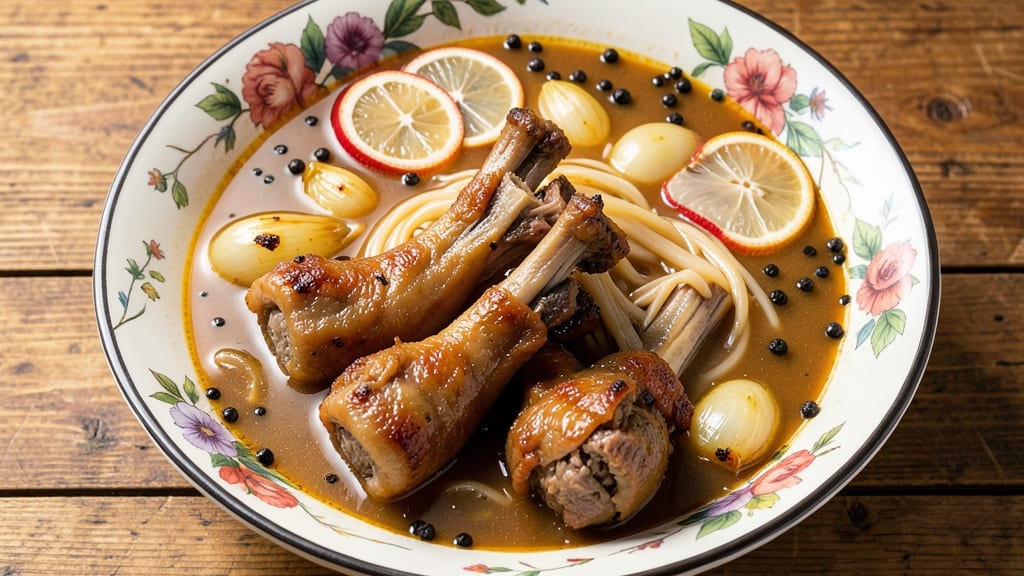
This beef bulalo bone marrow soup brings the soul-warming essence of Filipino comfort food to your kitchen, where rich umami broth meets the luxurious creaminess of bone marrow.
The secret lies in slow-simmered beef bones that release deep, savory flavors, while the marrow transforms into velvety ribbons that melt on your tongue. I've perfected this recipe over years of testing—balancing traditional techniques with modern shortcuts for home cooks.
The beauty of bulalo is its simplicity: tender beef shanks and marrow simmered with aromatic ginger, garlic, and peppercorns until the broth becomes a golden, velvety elixir.
Unlike other bone broths, the marrow here isn't just an afterthought—it's the star, carefully scooped and simmered to create a luxurious texture that elevates every spoonful. This isn't just soup; it's a celebration of Filipino flavors that transforms a simple meal into an unforgettable experience.
What sets this recipe apart is the harmony of flavors—ginger's sharp bite, garlic's warmth, and the deep umami of the marrow working together in perfect balance.
The result is a soup so rich and satisfying that it becomes the centerpiece of any gathering, served with steamed rice to soak up every precious drop. Whether you're cooking for family or treating yourself, this bulalo delivers restaurant-quality depth at home.
The process may seem daunting at first, but breaking it down into manageable steps—from preparing the bones to simmering the marrow—makes it achievable for any home cook. The reward? A steaming bowl of soup that tastes like a hug, with layers of flavor that linger long after the last bite.
Let's bring this Filipino classic to life in your kitchen.
Ingredients for beef bulalo bone marrow soup
Six ingredients make this Filipino classic shine—rich beef shanks and marrow transform into velvety umami perfection.
| Ingredient | Amount | Notes |
|---|---|---|
| Beef Shanks 🥩 | 3 lb | Bone-in, 2-3 inches thick |
| Beef Bone Marrow 🦴 | 1 lb | Fresh, from leg bones |
| Yellow Onions 🧅 | 2 whole | Large, peeled and halved |
| Garlic Cloves 🧄 | 8 cloves | Peeled, smashed lightly |
| Fresh Ginger 🌿 | 2 tbsp | Finely grated, peeled |
| Black Peppercorns 🌶️ | 1 tbsp | Whole, lightly crushed |
| Bay Leaves 🌿 | 2 whole | Dried, crumbled |
| White Wine 🍷 | 1 cup | Dry, like Sauvignon Blanc |
| Chicken Broth 💧 | 8 cups | Homemade or quality store-bought |
| Potatoes 🥔 | 2 lb | Russet, peeled and cubed |
| Long-Grain White Rice 🍚 | 2 cups | Uncooked, for serving |
| Salt 🧂 | 2 tsp | Kosher or sea salt |
| Olive Oil 🫒 | ½ cup | For searing |
The beef shanks are non-negotiable—look for thick, bone-in cuts at your butcher or grocery store's meat counter. Costco often has them prepped and ready, but if you're buying whole, ask for the leg bones too—the marrow is the star. Fresh ginger is key here, so grab it from the produce section (the yellow, knobby kind with no green shoots). If you can't find it, substitute with 1 tbsp ginger paste, but fresh is definitely better. For the wine, any dry white works—Sauvignon Blanc or Pinot Grigio are classic choices, but whatever's open in your fridge will do.
No bone marrow? Substitute with extra beef fat (about 1/2 cup) or even a can of coconut milk (1/2 cup) for richness, though it won't be the same. Running low on chicken broth? Beef broth works too, but add an extra bay leaf to balance the flavors. The potatoes should be firm—Russets or Yukon Golds hold up best in long simmers. If you can't find bone-in shanks, cross-cut a beef chuck roast into chunks, but it won't have the same depth of flavor. For the rice, jasmine or basmati add a nice aroma, but long-grain white is perfect for soaking up the broth.
This soup tastes even better the next day—plan ahead. Store the broth and marrow separately in the fridge for up to 5 days, or freeze for 3 months. The rice? Cook it fresh when serving. To reheat, gently warm the broth on the stove (don't boil) and stir in the marrow just before serving. The marrow should melt into creamy ribbons—that's the magic. Leftovers? Portion into containers for easy lunches all week.
Why You'll Love This Recipe
- No Chopping Nightmare: I swear by this recipe because you only need to dice onions and mince garlic—no fussy prep, no peeling hours of ginger. The marrow bones do all the heavy lifting while you sip wine and pretend you’re a chef.
- Rich Without Guilt: That bone marrow? It melts into the broth like liquid gold, turning every sip into pure satisfaction. The shanks fall apart, but the flavor stays bold—no heavy cream, no weird aftertaste, just deep, honest beef goodness.
- Leftovers That Beg for More: This soup actually improves the next day. The flavors meld, the marrow thickens just enough, and suddenly you’re making it twice a week. My freezer’s full of portions I can pull out for lazy Sundays or when company drops by unannounced.
- Budget That Feeds: Beef shanks and marrow bones stretch into gallons of soup for pennies. Honestly, I buy them in bulk, and this recipe turns a $15 cut into enough for six bowls. Plus, the onions and ginger cost almost nothing—just pure flavor for next to nothing.
Step-by-step instructions for beef bulalo bone marrow soup
This rich, umami-packed soup transforms humble ingredients into a luxurious dish with velvety marrow and tender beef.
Sear the Beef Shanks for Deep Flavor
Heat a large Dutch oven over medium-high heat until hot. Add the 0.5 cup olive oil and swirl to coat the bottom. Working in batches, place the 3 lb beef shanks in the pot, bone-side down. Let them sear undisturbed for 4-5 minutes until a deep golden-brown crust forms on the meat side.
This crucial step develops the Maillard reaction, creating complex flavors that will infuse the broth. Flip the shanks and sear for another 3-4 minutes on the other side. Remove the shanks and set them aside on a plate. You'll notice the bottom of the pot has developed a rich, caramelized fond—don't scrape it yet, as we'll use it later.
Build the Aromatic Base
In the same Dutch oven, reduce the heat to medium. Add the 2 whole yellow onions (halved), 8 cloves garlic cloves (smashed), and 2 tbsp fresh ginger (finely grated). Cook for 5-6 minutes, stirring occasionally, until the onions soften and the mixture becomes fragrant—you should smell sweet caramelization and pungent garlic.
Add the 1 tbsp black peppercorns (lightly crushed) and 2 whole bay leaves (crumbled). Stir for 30 seconds to toast the spices slightly. Now carefully pour in the 1 cup white wine, scraping up all the browned bits from the bottom of the pot. Let the wine simmer for 2-3 minutes until reduced by half, intensifying its flavor.
Simmer the Beef and Potatoes
Return the seared beef shanks to the Dutch oven. Add 8 cups chicken broth and bring to a gentle boil. Once boiling, reduce heat to low and cover partially. Let it simmer for 1 hour and 30 minutes, skimming any foam that rises to the surface. The beef should become fork-tender, and the broth should develop a rich, deep color.
After 1 hour and 15 minutes, add the 2 lb potatoes (cubed) to the pot. The potatoes will absorb some of the broth's flavor while finishing cooking. Continue simmering for another 20-25 minutes until the potatoes are tender when pierced with a fork. The broth should now be thick and velvety, with the beef falling apart easily.
Incorporate the Bone Marrow
While the beef and potatoes cook, prepare the 1 lb beef bone marrow. Remove the marrow from the bones by carefully cutting along the seam with a sharp knife. You'll want to extract the marrow in one long, continuous piece. Cut it into ½-inch thick slices and set aside.
When the potatoes are tender, add the bone marrow slices to the pot. Simmer uncovered for an additional 10-15 minutes until the marrow becomes translucent and creamy. This step is what transforms your soup into something truly luxurious—the marrow melts into the broth, creating a silky, rich texture that coats every spoonful.
Season and Serve
Taste the soup and adjust the seasoning with the 2 tsp salt if needed. The broth should be rich and flavorful, with a perfect balance of umami from the beef and marrow, and a touch of acidity from the wine. Remove the bay leaves and discard them.
To serve, ladle the soup into bowls and place 2 cups long-grain white rice on the side. The rice will soak up the flavorful broth, creating the perfect balance of textures. Each spoonful should deliver tender beef, creamy marrow, and hearty potatoes in a deeply satisfying broth. This is comfort food at its finest—warm, rich, and deeply comforting.
Pro Tips For Making Beef Bulalo Bone Marrow Soup
- Brown the Shanks First: Don’t skip the deep sear—get those beef shanks golden brown in a hot pot before adding liquid. I used to rush this, and the broth stayed cloudy and weak; now it’s rich and flavor-packed every time.
- Split the Bone Marrow: Run a sharp knife down the center of the marrow before simmering—it releases flavor faster and melts into the broth like silk. (Yes, even if it looks messy.)
- Simmer Low and Slow: After the initial boil, drop the heat to a bare simmer—just enough to keep tiny bubbles breaking the surface. I learned the hard way that boiling burns the marrow and turns the broth bitter.
- Toast the Aromatics: Fry the onions, garlic, and ginger until they’re deep golden, not just soft—this builds a sweeter, deeper base for the soup. (Skip this, and you’ll taste raw onion in every bite.)
Health benefits of this recipe
Nutrient-Dense Protein
This beef bulalo bone marrow soup delivers a protein powerhouse with every bowl. The 3 lb beef shanks provide approximately 120 grams of high-quality protein—essential for muscle repair and immune function.
The bone marrow adds an extra layer of richness with 15 grams of fat per ounce, including beneficial saturated fats that support brain health. It's a complete protein, meaning it contains all nine essential amino acids your body can't produce on its own. 💪
Bone Broth Benefits
The slow-simmered broth is packed with collagen and gelatin, which support joint health and gut healing. As the beef bones cook for 1.5-2 hours, they release minerals like calcium, magnesium, and phosphorus—critical for bone strength.
The broth also contains glycine, an amino acid that promotes better sleep and skin elasticity. This makes bulalo not just comforting, but genuinely nourishing for your body.
Healthy Fats for Energy
The bone marrow is the star of this dish's nutritional profile, offering concentrated healthy fats that provide sustained energy. Just ½ cup of marrow contains about 1,200 calories—mostly from fat—which fuels your body efficiently.
These fats also help absorb fat-soluble vitamins (A, D, E, and K) from other ingredients in the soup. The marrow's creamy texture makes it satisfying while delivering essential fatty acids your body needs.
Rich in Vitamins
Potatoes in this recipe contribute vitamin C (about 20% of daily needs per serving) and vitamin B6, which supports metabolism and brain function. The ginger adds antioxidants like gingerol, known for reducing inflammation.
Together, these ingredients create a nutrient-dense bowl that's more than just comfort food—it's a meal that genuinely nourishes your body from the inside out.
Low-Carb Comfort
For those watching carbs, this soup can easily be adapted. Skip the potatoes and serve with cauliflower rice instead. The beef and marrow provide plenty of satisfaction without the carb load. The broth remains rich and flavorful, making it a great option for low-carb or keto diets.
Just be mindful of portion sizes—the marrow is calorie-dense, so a ¼ cup serving is plenty for one bowl.
Gut-Friendly Collagen
The gelatin-rich broth from simmered bones acts as a prebiotic, feeding beneficial gut bacteria. Studies show that collagen peptides can improve gut lining integrity and reduce digestive discomfort. This makes bulalo particularly beneficial after meals or when you're recovering from illness.
The warm broth also aids digestion, making it a soothing option for any time of year. 🌱
Nutrition facts
Frequently asked questions
What makes bone marrow the star of this bulalo?
The marrow transforms from solid to creamy ribbons when simmered, creating a luxurious texture that elevates the soup. Unlike regular bulalo, this version incorporates the marrow directly into the broth for 10-15 minutes, melting it into velvety strands that coat every spoonful. It's what turns this from a simple stew into a restaurant-quality experience!
Can I use a pressure cooker to speed up the cooking?
Yes! A pressure cooker cuts the simmering time significantly. After searing the beef and building the base, add all ingredients (including marrow) and cook on high pressure for 45 minutes instead of simmering. The beef will still be tender, and the marrow will melt beautifully. Just be careful when releasing pressure to avoid splatters.
How do I know when the beef is tender enough?
The beef should easily separate with a fork when pierced—no resistance should remain. For shanks, this typically takes 1.5 hours of simmering. If you're unsure, cut into one piece: the meat should pull apart cleanly, and the bone should separate from the meat with minimal effort. Overcooking can make it stringy, so aim for just-tender!
What if I can't find bone marrow at the store?
No problem! You can substitute with ½ cup beef fat (like from a beef tallow block) or ½ cup coconut milk for richness. While it won't be identical, these will add creaminess to the broth. For extra depth, add 1 tsp fish sauce to mimic the umami of marrow. The soup will still be delicious—just slightly different in texture.
Why does the broth need to simmer so long?
The long simmer (1.5-2 hours) is key to extracting deep flavors from the bones and collagen. This process breaks down connective tissue into gelatin, creating a thick, velvety broth. Skipping this step results in a thinner, less flavorful soup. Think of it like tea steeping—more time means more flavor infusion!