
Soups & Stews
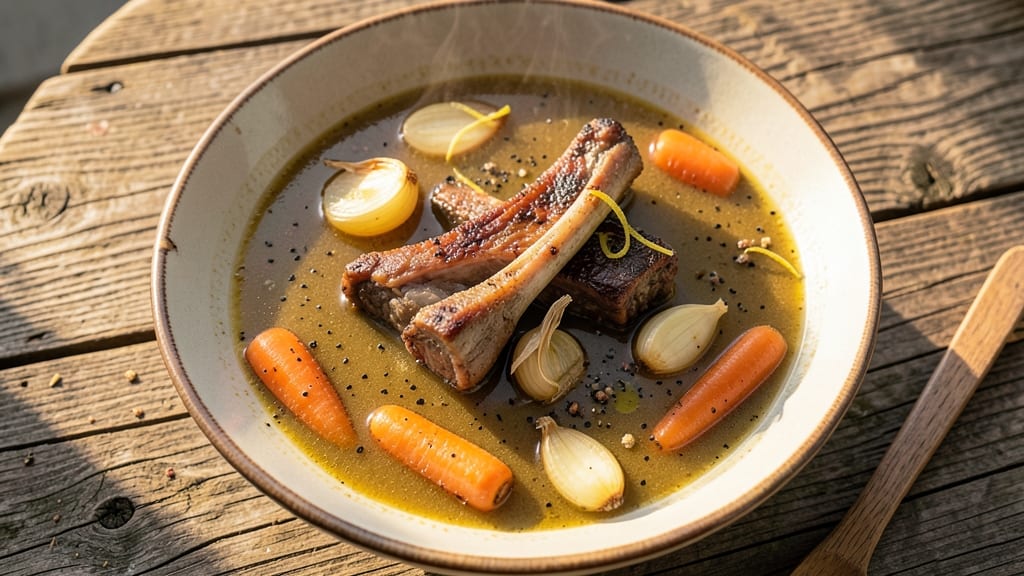
This South African beef bone soup transforms humble ingredients into a rich, umami-packed masterpiece where marrow-infused broth meets tender meat and aromatic vegetables. The secret lies in slow-simmering beef bones until they release their gelatinous essence, creating a velvety base that defines traditional Cape Malay cooking.
What starts as a simple pot of bones and water becomes a deeply flavorful soup through the magic of vinegar, spices, and patience—no shortcuts, just pure, slow-cooked satisfaction.
The recipe honors South Africa's culinary heritage while adapting to modern kitchens. You'll work with beef bones, onions, garlic, and a blend of spices that include cinnamon, cloves, and curry powder—each playing its part in building layers of complexity.
The vinegar isn't just an acid; it's the key to tenderizing the meat and brightening the broth, a technique passed down through generations. This isn't just soup; it's a comforting experience that warms both body and soul.
By the time you're done, you'll have a pot of golden-hued soup where the broth is so rich it coats your spoon, the meat falls apart at the touch, and the marrow from the bones adds luxurious depth.
Every spoonful delivers the essence of South African home cooking—hearty, flavorful, and deeply satisfying. The aroma alone will have everyone gathering around the table, anticipation building with every simmering bubble.
Serve this soup with crusty bread to soak up every last drop of that precious marrow-infused broth, or pair it with steamed rice for a complete meal. The leftovers? Even better the next day as the flavors meld and deepen.
This is the kind of dish that turns ordinary weeknights into celebrations—proof that true comfort food doesn't require fancy ingredients, just time, care, and a well-stocked pot.
Ingredients for beef bones soup recipe south africa
Six aromatic ingredients and a pot of patience create this South African marrow masterpiece.
| Ingredient | Amount | Notes |
|---|---|---|
| Beef Bones 🦴 | 3 lb | Knuckle or marrow bones preferred |
| Yellow Onions 🧅 | 2 whole | Chopped into 1-inch pieces |
| Garlic Cloves 🧄 | 6 cloves | Crushed for deeper flavor |
| Carrots 🥕 | 4 whole | Cut into 2-inch chunks |
| White Vinegar 💧 | ½ cup | For tenderizing and brightness |
| Ground Black Pepper 🌶️ | 1 tbsp | Freshly cracked for best flavor |
| Ground Cinnamon 🌿 | 1 tsp | Warmth without overpowering |
| Ground Cloves 🌿 | ½ tsp | Whole cloves work too |
| Curry Powder 🌶️ | 1 tbsp | Mild to medium heat preferred |
| Fresh Thyme 🌿 | ¼ cup | Stems removed, chopped |
| Bay Leaves 🌿 | 2 whole | Remove before serving |
| Salt 🧂 | 2 tsp | Kosher or sea salt |
| Water 💧 | 4 cups | Enough to cover bones |
The bones are everything here—knuckle or marrow bones from a butcher shop deliver the richest flavor. Costco or Whole Foods usually carry them, but ask your local butcher for 'soup bones' if you can't find them. Freshness matters: bones should smell clean, not fishy. For extra depth, don't wash them—the marrow is where the magic happens. The onions and carrots? Organic if possible—they'll simmer for hours, so any pesticides get broken down. Chop them evenly so they cook at the same rate as the bones.
No fresh thyme? Dried at one-third the amount works, but fresh is ideal. Running low on vinegar? Apple cider vinegar is a perfect swap—just use the same amount. The curry powder can vary by brand—Madras or berbere blends from Indian or African markets add extra complexity. For the spices, toast the whole cloves and cinnamon sticks in a dry pan for 30 seconds before grinding—they'll release their oils and flavor the broth beautifully. The bay leaves? Remove them before serving—they're for flavor, not texture.
This soup tastes even better the next day as the flavors meld. Store in the fridge for 4-5 days or freeze for 3 months. The broth thickens when cold—just reheat gently with a splash of water. For serving, skim off any hardened fat that rises to the top. The marrow bones will release their precious marrow during cooking—use a spoon to scoop it out and serve as a luxurious garnish. Leftovers reheat beautifully, so double the batch if you're feeding a crowd.
Why You'll Love This Recipe
- No Chopping Hassle: The onions and carrots barely need slicing—just rough chunks, and the vinegar does half the work breaking down the bones while you sip your coffee. Honestly, I’ve made this with pre-cut veggies in under 15 minutes.
- Deep Umami Magic: That vinegar isn’t just for cleaning—it tenderizes the bones and pulls out flavors so rich, your soup tastes like it simmered all day. Between us, the garlic and caramelized onions make every spoonful dangerously good.
- Leftovers That Save Lives: This soup only gets better the next day, and it’s my go-to for busy mornings or when friends drop by unannounced. Just reheat and serve—no one ever complains about seconds.
- Budget-Friendly Bone Broth: Beef bones and veggie scraps stretch into gallons, and the vinegar keeps costs low while adding that signature South African tang. I’ll be real: this is how I feed my family for days without breaking the bank.
Step-by-step instructions for slow-simmered South African beef bone broth
This method transforms tough bones into luxurious, marrow-rich broth with deep umami flavor.
Prepare and Parboil the Beef Bones
Rinse the 3 lb beef bones thoroughly under cold water to remove any impurities. Place them in a large stockpot and cover with the 4 cups water. Bring to a rolling boil over high heat, then immediately reduce to a simmer for 10 minutes. This parboiling step removes impurities and blood that can cloud your broth.
After simmering, drain the bones and rinse them again under cold water. This step is crucial—it ensures your final broth will be crystal clear with rich, clean flavor. Discard the parboiling water and return the cleaned bones to the same stockpot. The pot's residual heat helps maintain cooking efficiency.
Build the Flavor Base with Aromatics and Vinegar
Add the 2 whole yellow onions, 4 whole carrots, and 6 cloves garlic to the pot with the beef bones. Pour in the 0.5 cup white vinegar, which helps tenderize the bones and adds brightness to the broth. Bring everything to a boil once again, then reduce heat to maintain a gentle simmer.
Simmer uncovered for 30 minutes. This initial simmer allows the vegetables to soften slightly and infuse the broth with their sweet, earthy flavors. The vinegar will begin to mellow, creating a balanced acidity that enhances the umami depth. Skim any foam or impurities that rise to the surface during this time.
Add Spices and Herbs for Complex Flavor
Stir in the 1 tbsp curry powder, 1 tsp ground cinnamon, 0.5 tsp ground cloves, 1 tbsp ground black pepper, 0.25 cup fresh thyme, and 2 whole bay leaves. These spices create the signature warmth and complexity found in South African bone broths. The cinnamon and cloves add subtle sweetness, while the curry powder brings gentle heat.
Add the 2 tsp salt and bring the broth back to a simmer. The spices should be fully submerged in the liquid. Partially cover the pot with a lid, leaving a small gap for steam to escape. This slow simmer at medium-low heat (around 180-190°F) is where the magic happens—it allows the collagen in the bones to break down gradually over hours.
Simmer for Maximum Flavor Extraction
Cook the broth for 6-8 hours, maintaining a gentle simmer. The bones should be fork-tender, and the broth should have reduced by about 25% from its original volume. This long cooking time is essential—it transforms tough connective tissue into gelatin, creating that luxurious mouthfeel.
Check the broth periodically and add hot water if needed to keep the bones covered. The broth should be rich and deep amber in color, with a rich, meaty aroma. If you're using marrow bones, you'll notice the marrow begins to soften and release its velvety contents into the broth—this is your reward for patience.
Strain and Finish the Broth
Once the bones are tender, remove them from the broth and discard the vegetables and bay leaves. Strain the broth through a fine-mesh sieve into a clean pot, pressing gently on the solids to extract every last bit of flavor. The result should be a clear, golden broth with incredible depth.
Taste and adjust seasoning if needed. The broth should be rich but not overly salty. For serving, you can keep it as-is for sipping, or use it as a base for stews, soups, or braises. Store any leftovers in the refrigerator for up to 5 days or freeze for 3 months to preserve its rich flavors.
Pro Tips For Making Beef Bones Soup Recipe South Africa
- BLANCH BONES FIRST: Before tossing them in, give your beef bones a quick 5-minute boil in water with a splash of vinegar—this loosens grime and pulls out impurities so your broth stays crystal clear. I learned this the hard way after serving soup with a murky base that made my guests side-eye me.
- CHAR THE ONIONS: Don’t just sweat those onions—crank the heat and let them caramelize until they’re deep golden, almost sticky. This adds a rich, sweet depth that cuts through the bone’s earthiness. (Yes, even if you’re impatient like me.)
- SKIP THE PEELING: Carrots don’t need peeling for this soup—just scrub them well and slice. The skin adds texture and a subtle bitterness that balances the broth’s richness. I used to peel them out of habit, then realized I was wasting time for no real payoff.
- ADD VINEGAR LAST: Pour the white vinegar in the final 10 minutes—this brightens the broth without overpowering it. Dump it too early, and you’ll end up with a tangy mess instead of a clean, well-rounded flavor. (Your future self will notice the difference.)
Serving suggestions for leftovers
Crusty Bread Pairing
Nothing complements this rich soup like a warm, crusty loaf of sourdough or freshly baked bread. I love using artisan sourdough from my local bakery—its tangy flavor cuts through the soup's richness perfectly.
For extra indulgence, toast the bread until golden and crisp, then serve it on the side for dipping. The crust soaks up every last drop of the marrow-infused broth, making every bite satisfying. 🥖
Steamed Rice Accompaniment
For a more substantial meal, serve this soup with jasmine rice or brown rice to balance the richness. I often cook the rice separately and let guests assemble their own bowls with both soup and rice.
The rice absorbs the broth beautifully, creating a comforting one-pot experience. If you prefer, you can even add a sprinkle of toasted sesame seeds or chopped cilantro for a fresh contrast.
South African Staples
To stay true to South African flavors, consider adding pap (a maize porridge) or chakalaka (a spicy vegetable relish) as sides. Pap is traditionally served with stews and soups, while chakalaka adds a tangy, spicy kick that pairs wonderfully with the soup's depth.
Both are easy to find in African grocery stores or online. 🌶️
Marrow Spoon Garnish
Don’t forget to scoop out the marrow from the bones before serving and use it as a luxurious garnish. Spoon the creamy marrow onto each bowl of soup, where it melts into the broth, adding an extra layer of richness.
This step elevates the dish from ordinary to extraordinary—it’s the little details that make this soup feel special. The marrow’s velvety texture is a true highlight!
Herb-Fresh Finishing Touch
Brighten each serving with a sprinkle of fresh parsley or cilantro just before eating. The herbs add a pop of color and freshness that balances the soup’s deep, savory flavors.
I also like a drizzle of chili oil or a squeeze of lemon for those who enjoy a bit of heat or acidity. These finishing touches make the soup feel restaurant-quality at home. ✨
Warm Beverage Pairings
Complete the meal with a warm drink like rooibos tea (a South African favorite) or spiced chai. Rooibos has a naturally sweet, earthy flavor that complements the soup’s spices without overpowering them.
For something heartier, a small glass of red wine like Pinotage (South Africa’s signature red) adds depth to the meal. Both options enhance the cozy, comforting vibe of this dish. 🍷
Nutrition facts
Frequently asked questions
Why does this recipe use vinegar?
The 0.5 cup white vinegar serves two crucial purposes: it tenderizes the bones by breaking down collagen, and its acidity brightens the broth's flavor. This is a classic technique in South African cooking—especially in Cape Malay dishes—to create a cleaner, more vibrant broth. The vinegar mellows as it simmers, leaving only subtle tang behind.
Can I use chicken or lamb bones instead?
While you can substitute bones, the flavor profile changes dramatically. Chicken bones create a lighter broth, while lamb bones add earthy richness. For an authentic South African experience, beef bones are traditional—they deliver that signature umami depth and marrow luxury. If using lamb, reduce simmering time to 4-5 hours to avoid overcooking.
How do I know when the bones are done?
The bones are ready when they're fork-tender with no resistance, and the broth has reduced by about 25% (around 6-8 hours total). The marrow should be soft enough to scoop out easily. If you're unsure, check at 5 hours—overcooking can make the broth bitter. The broth's color should be deep amber, not cloudy.
What can I do with leftover broth?
This rich broth freezes beautifully for up to 3 months—perfect for future stews or braises. Use it as a base for South African bobotie or potjiekos. For immediate use, reduce it further to make a thick gravy, or blend it into a silky soup with potatoes and greens. Every drop is flavor gold!
Can I make this in an Instant Pot?
Yes! Use the high pressure setting for 90 minutes after the initial 30-minute simmer with aromatics. The Instant Pot speeds up collagen extraction but may yield slightly less gelatin. For best results, strain through a fine-mesh sieve and reduce the broth on the stovetop afterward to concentrate flavors. Pressure cooking works, but the slow stove-top method delivers deeper richness.