
Soups & Stews
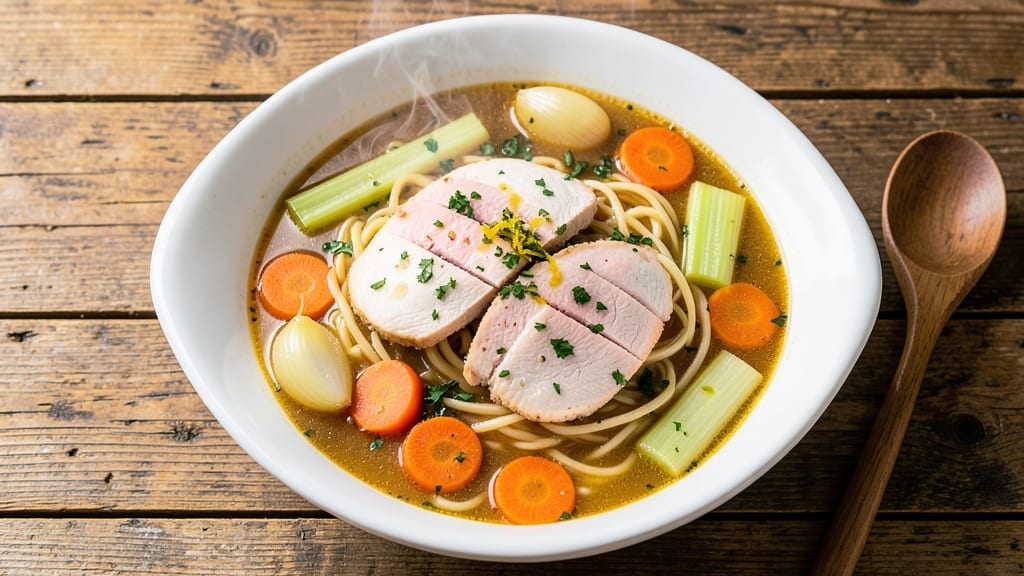
This best chicken noodle soup recipe for flu delivers the ultimate healing hug in every steaming bowl—packed with immune-boosting ingredients like ginger, garlic, and bone broth to soothe your throat while fortifying your body. 💛 The secret lies in slow-simmered broth that extracts maximum flavor and nutrients, creating a deeply comforting, restorative meal that feels like a warm embrace.
Perfect for when you need more than just food—you need nourishment that fights back.
What makes this recipe truly special is the balance of tender shredded chicken, soft egg noodles, and aromatic vegetables, all simmered together until the flavors meld into a symphony of comfort.
The broth is rich with collagen from chicken bones, while fresh herbs and a touch of lemon add brightness to cut through the heaviness. This isn't just soup—it's medicine with a side of love, designed to ease congestion, warm your soul, and restore your strength.
By the time you're done, you'll have a steaming pot of golden broth studded with tender chicken, al dente noodles, and vibrant vegetables—each bite packed with healing properties. The aroma alone will clear your sinuses, while the gentle warmth soothes your throat and stomach.
Serve with crusty bread or a sprinkle of fresh parsley to elevate the experience even further.
Leftovers taste even better the next day, making this the perfect make-ahead remedy for when you're feeling under the weather. Store in an airtight container in the fridge for up to 5 days or freeze for longer-term comfort.
This isn't just another chicken noodle soup—it's your new go-to recipe for feeling better, faster.
Ingredients for best chicken noodle soup recipe for flu
This healing soup comes together with 15 wholesome ingredients that fight flu and warm your soul.
| Ingredient | Amount | Notes |
|---|---|---|
| Chicken Breasts 🍗 | 2 lb | Boneless, skinless, cut into bite-sized pieces |
| Egg Noodles 🍜 | 2 cups | Uncooked, medium width |
| Carrots 🥕 | 3 medium | Peeled, sliced into 1/4-inch rounds |
| Yellow Onion 🧅 | 1 whole | Peeled, diced into 1/4-inch pieces |
| Celery Stalks 🧅 | 3 whole | Trimmed, cut into 1/2-inch pieces |
| Garlic Cloves 🧄 | 4 cloves | Peeled, minced |
| Fresh Ginger 🌿 | 1 ½ tbsp | Grated, fresh |
| Chicken Bone Broth 💧 | 6 cups | Homemade or high-quality store-bought |
| Fresh Parsley 🌿 | ¼ cup | Chopped, for garnish |
| Lemon Juice 🍋 | 1 tbsp | Freshly squeezed |
| Olive Oil 🫒 | 2 tbsp | Extra-virgin, for sautéing |
| Salt 🧂 | 1 ½ tsp | Kosher or sea salt, divided |
| Black Pepper 🌶️ | ½ tsp | Freshly ground |
| Bay Leaves 🌿 | 2 whole | For simmering |
| Thyme 🌿 | 1 tsp | Dried, or 1 tbsp fresh |
The chicken is the heart of this healing soup—boneless, skinless breasts work best, but thighs add richness. Look for organic or free-range at Whole Foods or your local butcher for maximum flavor. The broth? Homemade is ideal (simmer bones for 12+ hours), but Pacific Foods or Imagine brands make solid store-bought options. Fresh ginger and garlic are non-negotiable—they're your immune system's best friends here. Grab the freshest ginger root you can find, even if it's just a small knob. The carrots and celery? Baby carrots and heart celery save chopping time, but regular works too. Just make sure they're crisp—no rubbery stalks!
No bone broth? Homemade chicken stock works in a pinch—simmer 2 chicken carcasses with veggies for 3-4 hours. Fresh ginger too spicy? Use half the amount and add a pinch of sugar to balance. Short on time? Pre-chopped veggie mixes from Trader Joe's save 10 minutes. The lemon juice can be swapped for white vinegar if you're out, but fresh is worth the squeeze. For extra healing power, add 1 tbsp turmeric (anti-inflammatory) or 1 tsp apple cider vinegar (antibacterial). The egg noodles? Any width works, but medium holds up best to simmering. Want gluten-free? Swap for rice noodles—just reduce simmer time by 5 minutes.
This soup tastes even better the next day as flavors meld. Store in an airtight container in the fridge for up to 5 days—the broth gets richer overnight. Freeze for 3 months by portioning into ziplock bags (leave room for expansion). Reheat gently on the stove or microwave until steaming. Double the batch if you're feeling brave—it disappears fast when you're sick. Serve with crusty bread (soak up that broth!) and a sprinkle of fresh parsley for color and extra nutrients. Leftovers make perfect lunches—just reheat and add a splash of water if too thick.
Why You'll Love This Recipe
- No-Chop Shortcuts: I swear by the "rough chop" method—celery and carrots can be tossed in whole if you’re in a hurry. That onion? One knife swipe and call it done. Honestly, the broth still tastes like it simmered all day.
- Broth That Heals: The slow-cooked chicken and veggies release a depth of flavor that’s ridiculously soothing. That crispy edge on the carrots? Tiny but mighty—it’s the little details that make this soup feel like a hug in a bowl.
- Leftovers That Save: This recipe doubles easily, and the second batch? Even better. The noodles soften just right when reheated, and the chicken stays tender—no sad, rubbery bits. My go-to for lazy days when I’d rather nap than cook.
- Pantry Staple Magic: Yellow onion, celery, carrots—these are the same veggies I always have lurking in the crisper. Add a few herbs and a chicken breast, and boom, you’ve got medicine for whatever ails you. Budget-friendly? Absolutely. Foolproof? Even more so.
Step-by-step instructions for immunity-boosting chicken noodle soup
Here's how to make the ultimate flu-fighting soup that warms your soul and strengthens your body.
🍳 Step 1: Sauté the Aromatic Vegetable Base
Heat the 2 tablespoons olive oil in a large pot over medium heat. Add the diced yellow onion, sliced carrots, and chopped celery stalks. Cook for 5-6 minutes until the vegetables soften and the onion becomes translucent.
This is where all the flavor magic begins. You'll see the vegetables release their juices and start to caramelize slightly—that's your signal they're ready for the next step. I like to stir occasionally to prevent anything from sticking, but don't overcrowd the pot or you'll steam instead of sauté.
After 5 minutes, add the minced garlic cloves and grated fresh ginger. Cook for another 30 seconds until you can smell that aromatic punch—this is the foundation of your soup's healing power. The ginger adds anti-inflammatory benefits while the garlic boosts immunity, making this more than just comfort food.
🍳 Step 2: Brown the Chicken Thoroughly
Push the vegetable mixture to one side of the pot and add the 2 lb chicken breasts (cut into bite-sized pieces) to the empty space. Let them sear for 3-4 minutes until they develop a golden-brown crust. This step is crucial—it creates depth of flavor that simmering alone can't achieve.
I press down gently on the chicken pieces during the first minute to prevent them from curling up. You want maximum surface area touching the pan for that perfect sear. Once browned on one side, stir and repeat on the other sides until all pieces have that beautiful crust.
After browning, return all the chicken to the vegetable mixture and stir well to combine. Sprinkle ½ teaspoon of the salt and ¼ teaspoon of the black pepper over the chicken and vegetables. This early seasoning helps build flavor as everything simmers together.
🥘 Step 3: Build the Flavorful Broth
Pour in the 6 cups chicken bone broth and add the 2 whole bay leaves, 1 teaspoon thyme, and the remaining 1 teaspoon salt and ¼ teaspoon black pepper. Bring everything to a gentle boil over high heat, then immediately reduce to a low simmer.
Here's the thing—you want the broth to bubble gently but not vigorously. A rolling boil can make the chicken tough. Cover the pot and let it simmer for 20-25 minutes until the chicken is cooked through and the vegetables are tender. You'll know it's ready when the chicken pieces pull apart easily with a fork.
While it simmers, the broth will develop a rich, golden color and deep flavor. This is where the magic happens—the chicken releases its juices, the vegetables soften, and all the spices meld together. Don't be tempted to peek too often—every time you lift the lid, you lose heat and delay the process.
🍳 Step 4: Finish with Bright, Fresh Flavors
Once the chicken is fully cooked, remove it from the broth and set it aside on a plate. Strain the broth through a fine-mesh sieve into a clean pot to remove any sediment or large vegetable pieces. This creates a silky texture that's especially comforting when you're feeling under the weather.
Return the broth to the pot and bring it back to a gentle simmer. Add the 2 cups egg noodles and cook for 8-10 minutes until they're al dente. You want them tender but still with a slight bite—this prevents a mushy texture that can make soup feel heavy when you're sick.
In the last 2 minutes of cooking, stir in the 1 tablespoon lemon juice. This brightens the entire soup, cutting through the richness and adding a refreshing note that's perfect for when you're congested. The acidity also helps break down any remaining collagen in the broth, making it even more nourishing.
🍽️ Step 5: Assemble and Serve with Healing Touches
Return the chicken pieces to the pot and gently stir to coat them in the flavorful broth. Taste and adjust the seasoning if needed—you might want to add a pinch more salt or pepper to suit your preference. The soup should be comforting but not bland.
Ladle the hot soup into bowls and garnish each serving with 1 tablespoon of chopped fresh parsley. The parsley adds a pop of color and freshness that makes the soup visually appealing, which can be especially important when you're not feeling your best. Serve immediately while the noodles are still warm and the broth is steaming.
For maximum comfort, serve with crusty bread on the side to soak up any extra broth. This soup is packed with protein from the chicken, complex carbohydrates from the noodles, and an array of vitamins and minerals from the vegetables—everything your body needs to fight off illness and recover faster.
Pro Tips For Making Best Chicken Noodle Soup Recipe For Flu
- Boil Chicken First: I used to toss raw chicken breasts into the soup pot and forget about them until the broth was ready—big mistake. Poach the chicken breasts in salted water for 12-15 minutes at a gentle simmer (160°F internal temp) before shredding. This keeps them juicy and lets the broth absorb all that flavor instead of drying out later.
- Mince, Don’t Slice Celery: I learned this the hard way—thinly sliced celery turns to mush in soup. Use a knife to finely chop celery into tiny rice-sized pieces (about 1/8-inch). It softens evenly without disappearing and adds real texture to every bite.
- Salt the Noodles Last: Add egg noodles to the soup 2-3 minutes before serving, not at the start. They’ll absorb broth like sponges, turning the soup into a sad, watery mess. A quick salt rinse right before cooking also keeps them from getting mushy.
- Sauté Veggies in Chicken Fat: After removing the poached chicken, don’t drain the pot—use that flavorful broth to sauté onions, carrots, and celery in the residual fat for 5 minutes. The direct contact with the chicken’s rendered juices builds a richer base than starting with oil. (Yes, even if it looks weird.)
Regional styles of this recipe
Southern Comfort Style
In the South, chicken noodle soup gets a hearty, smoky twist with the addition of smoked paprika and crumbled andouille sausage. I like to brown ½ lb andouille with the chicken and onions for extra depth.
Add 1 teaspoon smoked paprika to the broth for a subtle, warm spice that lingers. This version is perfect for when you need both comfort and a little kick to clear your sinuses. 🌶️
Jewish Delicatessen
The classic Jewish deli version swaps egg noodles for wide egg noodles and adds matzoh balls for texture. Use chicken fat instead of olive oil for sautéing, and add 1 teaspoon caraway seeds to the broth for an earthy note.
Simmer the matzoh balls separately in broth for 15 minutes before adding them to the pot. This version is heavier but deeply satisfying when you're fighting a cold.
Italian Grandma's Touch
For an Italian-inspired twist, replace the thyme with 1 teaspoon dried oregano and add 1 bay leaf plus 1 sprig fresh rosemary to the broth. Stir in ½ cup diced tomatoes with the vegetables at the start for a subtle sweetness.
Finish with grated Parmesan cheese on each serving—just 1 tablespoon per bowl—for a salty, umami boost that feels like a hug. 🧀
Asian-Inspired Ginger Boost
Elevate the healing power with an Asian fusion approach: Add 1 tablespoon grated fresh galangal (or extra ginger) with the garlic, and stir in 1 teaspoon fish sauce when simmering. Top each bowl with thinly sliced scallions and crushed peanuts for crunch.
This version balances spice with umami, perfect for when congestion feels overwhelming. The fish sauce adds depth without overpowering the broth.
German-Style Vegetable Load
In Germany, this soup often includes potatoes and leeks for extra heartiness. Add 1 cup diced potatoes with the carrots and celery, and swap 1 leek (white and light green parts only) for half the onion.
Stir in 1 teaspoon caraway seeds and ½ teaspoon marjoram with the thyme. The potatoes thicken the broth slightly, making it even more filling when you're not feeling well. 🥔
Mexican-Inspired Tortilla Soup
For a lighter, brighter take, add 1 diced tomato and ½ cup corn kernels with the vegetables. Stir in 1 teaspoon ground cumin and ½ teaspoon chili powder when simmering. Serve with crushed tortilla chips on top and a squeeze of lime instead of lemon.
This version is perfect for when you want warmth without heaviness, and the spices help clear your sinuses naturally.
Nutrition facts
Frequently asked questions
Can I make this soup without bone broth?
Yes, but the healing benefits will be less powerful. Use homemade chicken stock (simmer chicken bones for 3-4 hours) or a high-quality store-bought version. For extra richness, add 1 tablespoon butter to the broth at the end. The collagen in bone broth helps soothe your throat and digestive system when you're sick.
How do I know when the chicken is fully cooked?
Use a meat thermometer to check—it should read 165°F in the thickest part. If you don't have one, cut into the largest piece: the juices should run clear, and the meat should pull apart easily. Overcooking makes the chicken dry, which defeats the comfort factor when you're under the weather.
Can I prepare this soup ahead of time?
This soup tastes even better the next day as flavors meld. Store in an airtight container in the fridge for up to 5 days or freeze for 3 months. Reheat gently on the stove—never microwave directly from frozen. The broth gets richer overnight, making it perfect for when you're feeling worse.
What if I don't have fresh ginger?
Use ½ teaspoon ground ginger instead, but fresh is ideal for maximum anti-inflammatory benefits. If you're out of both, add ¼ teaspoon ground cinnamon—it adds warmth and helps with congestion. The lemon juice will still brighten the soup, but fresh ginger gives it that extra healing kick.
Is this soup kid-friendly?
Yes, but adjust the spice level. Skip the fresh ginger if your child is sensitive to strong flavors, and reduce the garlic to 2 cloves. Serve with buttered noodles on the side if they prefer. The mild broth and tender chicken make it perfect for little ones recovering from colds too.