
Soups & Stews
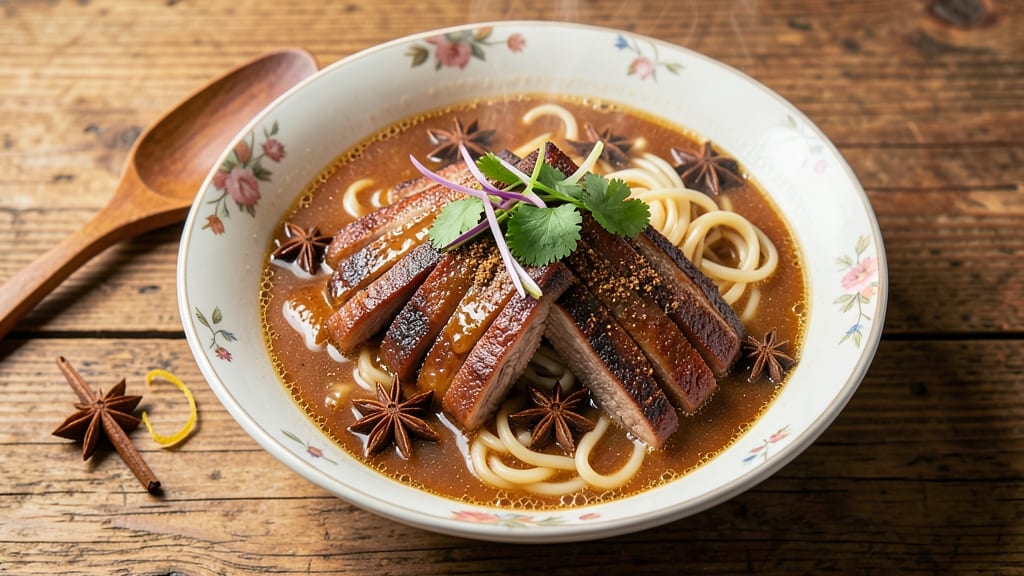
This Hong Kong-style beef brisket noodle soup delivers the deep, smoky richness of slow-braised brisket paired with silky noodles in a robust, aromatic broth.
The secret lies in a multi-hour braising process that transforms tough brisket into tender, melt-in-your-mouth slices, while star anise and cinnamon infuse the broth with warm, complex spices. Unlike lighter soups, Hong Kong versions prioritize bold flavors and hearty textures, making every spoonful satisfying.
The recipe begins with a marinated brisket—tenderized with soy sauce, five-spice powder, and a touch of honey—before slow-braising until fork-tender. Meanwhile, the broth simmers with ginger, garlic, and fermented bean paste, creating a deep umami base that balances the brisket’s richness.
Egg noodles (or rice noodles for a lighter option) absorb the flavorful broth while maintaining their signature slipperiness, a hallmark of Hong Kong noodle dishes.
What sets this apart is the charred brisket technique, where slices are briefly seared for a smoky edge before being submerged back into the broth. Garnishes like crisp green onions, fresh cilantro, and a drizzle of chili oil add brightness and heat, while lime wedges cut through the richness.
The result is a restaurant-quality bowl that’s both comforting and deeply flavorful—perfect for chilly evenings or when you crave a dish that feels like a hug in a bowl.
Serve with pickled vegetables or steamed dumplings for a full Hong Kong-style meal. The broth reheats beautifully, making it ideal for leftovers, and the brisket keeps its texture even after chilling. This isn’t just soup—it’s a flavor-packed experience that captures the essence of Hong Kong’s street-food culture.
Ingredients for beef brisket noodle soup hong kong
The heart of this Hong Kong-style soup lies in its slow-braised brisket and aromatic broth ingredients.
| Ingredient | Amount | Notes |
|---|---|---|
| Beef Brisket 🥩 | 3 lb | Flat cut, 1-inch thick slices |
| Egg Noodles 🍜 | 1 lb | Fresh or dried, slippery texture |
| Soy Sauce 🥄 | ½ cup | Dark soy preferred for color |
| Five-Spice Powder 🌶️ | 1 tbsp | Authentic Hong Kong blend |
| Honey 🍯 | 2 tbsp | For tenderizing brisket |
| Star Anise 🌿 | 2 whole | For aromatic depth |
| Cinnamon Sticks 🌿 | 2 whole | 2-inch pieces for infusion |
| Fermented Bean Paste 🥫 | 2 tbsp | Doubanjiang for umami |
| Fresh Ginger 🧅 | ½ cup | Julienned, 1/4-inch slices |
| Garlic Cloves 🧄 | 8 cloves | Smashed for intense flavor |
| Green Onions 🧅 | ½ cup | Sliced, for garnish |
| Fresh Cilantro 🌿 | ¼ cup | Chopped, for garnish |
| Chili Oil 🌶️ | ¼ cup | Homemade or store-bought |
| Lime Wedges 🍋 | 2 whole | For serving |
| Sesame Oil 🫒 | 1 tbsp | For finishing |
The beef brisket is non-negotiable—look for a flat cut with good marbling from a butcher or specialty store like Whole Foods or Costco. Pre-sliced brisket saves time, but if buying whole, ask for 1-inch thick slices to ensure even cooking. Five-spice powder should be authentic—Penzeys or Hong Kong grocers carry the best blends. For the fermented bean paste, Lao Gan Ma doubanjiang is ideal, but any dark, oily bean paste works. Star anise and cinnamon sticks should be whole and vibrant in color—no dusty remnants here.
No five-spice powder? Substitute with 1 tsp each of ground cloves, fennel seeds, and nutmeg. Running short on fermented bean paste? Miso paste or hoisin sauce adds umami depth, though the texture differs. Fresh ginger and garlic can be swapped for paste versions (reduce amount by half), but fresh is preferred for that bright, zesty kick. Sesame oil can be omitted if you dislike its nutty flavor, but it adds authenticity—Kadoya brand is a reliable choice. For the noodles, fresh egg noodles are traditional, but rice noodles work for a lighter option.
Store the marinated brisket in an airtight container for up to 2 days before braising. Dried noodles keep indefinitely in a cool, dark place, while fresh noodles should be refrigerated and used within 3 days. The broth base (without brisket) freezes beautifully for up to 3 months—just thaw and reheat before adding the brisket. Chili oil lasts 6 months in the pantry, but once opened, refrigerate it to preserve its heat. Lime wedges should be stored in a damp paper towel in the fridge for up to 1 week to maintain freshness.
Why You'll Love This Recipe
- One-Pot Magic: I swear by this recipe when I’m too tired to wash a million dishes. Toss everything—beef, noodles, broth—into one pot, and let the five-spice powder and honey work their magic while you sip tea. The brisket practically melts into tender perfection with almost no effort.
- Sweet-Savory Balance: That honey-soy glaze? It’s the star. The five-spice powder adds warmth, the soy sauce cuts through the richness, and the honey gives it this addictive, slightly sticky finish. Honestly, the first bowl makes you forget it’s just a soup—it’s ridiculously good.
- Lunchbox Hero: Between us, this is my go-to for meal prep. The noodles hold up for days, and the brisket stays juicy if you reheat it gently. Pack it in thermoses for work or school—kids (and adults) will actually eat their veggies if you sneak them in here.
- Budget Beef Boost: Brisket is cheaper than steak but tastes like a celebration. A single cut feeds four, and leftovers reheat like a dream—better the second day, if you ask me. Plus, the five-spice powder and honey are pantry staples you’ll use again and again. Smart, tasty, and wallet-friendly.
Step-by-step instructions for slow-braised beef brisket noodle soup
Here's the method for creating a rich, aromatic Hong Kong-style brisket noodle soup with perfectly tender beef and silky noodles.
Prepare and Sear the Brisket
Begin by slicing the 3 lb Beef Brisket into 1-inch thick slices against the grain for maximum tenderness. Pat each slice dry with paper towels—this ensures a proper sear. Heat a heavy pot or Dutch oven over medium-high heat and add just enough oil to coat the bottom lightly.
Working in batches, sear the brisket slices for 2-3 minutes per side until they develop a deep golden-brown crust. The edges should be caramelized while maintaining a slightly pink center. Transfer the seared brisket to a plate and set aside. Don't drain the rendered fat—it's essential for building flavor in the soup base.
Build the Aromatic Soup Base
In the same pot, reduce the heat to medium and add the 0.5 cup Fresh Ginger (julienned) and 8 cloves Garlic Cloves (smashed). Sauté for 1-2 minutes until the ginger becomes fragrant and the garlic turns golden. Add the 2 whole Star Anise, 2 whole Cinnamon Sticks, and 2 tbsp Fermented Bean Paste, stirring constantly for 30 seconds to toast the spices.
Pour in the 0.5 cup Soy Sauce and 2 tbsp Honey, scraping up any browned bits from the bottom of the pot. These bits contain concentrated flavor that will dissolve into the soup. Add 2 cups of water (enough to partially submerge the brisket) and bring to a gentle simmer. Return the seared brisket to the pot, cover, and reduce heat to low.
Slow-Braise the Brisket
Simmer uncovered for 2-2.5 hours until the brisket is fork-tender and the cooking liquid reduces to a rich, glossy broth. You'll know it's ready when the meat pulls apart easily with minimal resistance. The soup should have a deep, caramelized color from the soy sauce and honey.
About 30 minutes before the brisket is fully tender, add the 1 tbsp Five-Spice Powder and stir gently. This final infusion of spices will permeate the meat and broth, creating the signature aromatic profile of Hong Kong-style brisket soup. Keep the heat at low to prevent the broth from boiling vigorously.
Prepare and Cook the Noodles
While the brisket braises, prepare the 1 lb Egg Noodles according to package instructions for al dente texture. Hong Kong-style noodles should be slippery but still offer slight resistance when bitten. Drain and set aside, reserving 1 cup of pasta water—this starchy liquid helps create a silky soup consistency.
Just before serving, add the cooked noodles to the brisket pot. Stir gently to combine, adding reserved pasta water 1 tablespoon at a time until the soup reaches your desired consistency. The noodles should be fully coated in the rich broth without making it watery. Remove from heat and let sit for 5 minutes to allow flavors to meld.
Finish and Serve
Remove the brisket slices from the pot and arrange them on a serving platter. Strain the broth through a fine-mesh sieve to remove any spices or debris, then pour the broth back into the pot. Add 1 tbsp Sesame Oil and stir gently to incorporate. Taste and adjust seasoning with additional soy sauce if needed—Hong Kong-style brisket soup should balance sweet, savory, and umami flavors.
To serve, ladle the hot soup over the brisket slices in individual bowls. Garnish each serving with 0.5 cup Green Onions (sliced), 0.25 cup Fresh Cilantro (chopped), 0.25 cup Chili Oil (drizzled), and a whole Lime Wedge on the side. The chili oil adds heat, the lime provides acidity, and the fresh herbs contribute brightness to each bite.
Pro Tips For Making Beef Brisket Noodle Soup Hong Kong
- Trim the Fat First: I learned this the hard way—skipping the fat trim on brisket means a greasy, uneven sear and soup that looks like a science experiment gone wrong. Use a sharp knife to slice off the thick fat cap and render it separately for frying the noodles later (trust me, that crispy bit is worth the effort).
- Sweat the Five-Spice: Toss the five-spice powder dry into the hot oil before adding the brisket—this blooms the flavors properly. If you add it later, you’ll just end up with dust floating in your broth. A quick 10-second stir is all it takes, but it makes a real difference.
- Don’t Boil the Noodles: Hong Kong-style brisket noodle soup relies on al dente noodles—overcooking turns them mushy and ruins the texture. Boil them for just 1 minute less than the package says, then finish in the hot broth. They’ll soak up flavor without falling apart.
- Balance the Honey Early: Drizzle half the honey into the broth before the brisket finishes cooking—this prevents a cloying sweetness. The rest goes in at the end to brighten the noodles. I was skeptical until I tried it; the flavor’s deeper and more nuanced.
Regional styles of this recipe
Hong Kong Street Style
This version keeps it bold and hearty, just like you'd find in Hong Kong's bustling markets. The key difference? A thicker, oilier broth that clings to the noodles and brisket for every bite.
I recommend using more fermented bean paste (3 tbsp instead of 2) and adding 1 tbsp dark soy sauce at the end for that signature glossy finish. Serve in wide bowls with extra brisket slices on top for that classic street-food presentation. 🌆
Cantonese Home Version
For a lighter take, Cantonese households often use rice noodles instead of egg noodles and reduce the oil in the broth. Replace 2 tbsp honey with 1 tbsp rock sugar for a subtler sweetness, and add 1 tsp Shaoxing wine when building the aromatic base.
Garnish with thinly sliced red chili instead of chili oil for a cleaner presentation. This version pairs beautifully with pickled mustard greens on the side. 🌿
Modern Fusion Twist
Want to update this classic? Swap the brisket for short ribs and add 1 cup of bone broth to the braising liquid. Stir in 1 tbsp miso paste during the final 10 minutes for extra depth.
Top with quick-pickled cucumbers (slice ½ cucumber, toss with 1 tbsp rice vinegar, ½ tsp sugar, and ¼ tsp salt) for a refreshing crunch. This fusion keeps the soul of Hong Kong soup while adding a fresh, modern touch. 💡
Dim Sum Pairing
For a complete Hong Kong meal, serve this soup alongside steamed pork buns or siu mai dumplings. The sweet, savory flavors of the dim sum complement the rich brisket broth perfectly.
I like to prepare char siu pork (barbecued pork) separately and serve it on the side for guests to add to their bowls. This makes for an impressive, restaurant-quality spread that feels authentic. 🍱
Spice-Forward Adaptation
If you love heat, boost the spice factor by adding 1 tbsp chili crisp (like Lao Gan Ma) to the broth during the final 30 minutes of braising.
For extra kick, finish each bowl with 1 tsp of chili garlic sauce and a sprinkle of crushed Sichuan peppercorns for a numbing, tingling sensation. This version is a favorite in Hong Kong's spicier eateries and pairs well with cold beer to balance the heat. 🌶️
Vegetarian Adaptation
For a plant-based version, replace the brisket with extra-firm tofu (pressed and cubed) or mushroom jerky (soaked in ½ cup soy sauce and 1 tbsp five-spice powder overnight). Use shiitake mushrooms for umami depth and add 1 tbsp vegetarian oyster sauce** to the broth.
The texture won't be identical, but the flavors stay true to Hong Kong's comforting, hearty style. 🌱
Nutrition facts
Frequently asked questions
Can I use beef chuck instead of brisket for this recipe?
Yes, but with adjustments! Beef chuck is leaner and less fatty than brisket, so it won’t render as much flavorful fat for the broth. For best results, marinate it longer (4-6 hours instead of 2 hours) and add 1 tbsp cornstarch to the marinade to help tenderize. Also, reduce the braising time to 1.5-2 hours since chuck cooks faster. The texture will be slightly different but still delicious!
How do I make the broth less oily?
To reduce oiliness, skim excess fat from the broth during braising using a large spoon. For a cleaner finish, strain the broth through a fine-mesh sieve lined with a coffee filter or cheesecloth after removing the brisket. If the broth still seems too rich, add 1 cup hot water and simmer for 5 minutes to dilute it slightly. The key is balancing richness with clarity—Hong Kong-style soups are bold, but not greasy!
Can I prepare this soup ahead of time?
This soup reheats beautifully. Braise the brisket and make the broth 1 day ahead, then refrigerate. Reheat gently on the stove over low heat, adding a splash of water if needed. Cook the noodles fresh before serving to maintain their texture. For the best results, reheat the broth separately and assemble bowls just before eating. The flavors deepen overnight, making it even more aromatic!
What’s the difference between Hong Kong-style and Cantonese-style brisket noodle soup?
Hong Kong-style focuses on a thicker, oilier broth with more fermented bean paste and a deeper umami profile, often served with extra brisket slices on top. Cantonese versions tend to be lighter, using rice noodles and less oil, with a brighter finish from Shaoxing wine or rock sugar. Both styles keep the brisket tender, but Hong Kong’s is heartier—think street-food richness, while Cantonese leans toward home-cooked elegance.
Why did my brisket turn out tough instead of tender?
Tough brisket usually means it wasn’t cooked long enough or wasn’t sliced against the grain. For this recipe, 2.5 hours of braising is non-negotiable—the collagen needs time to break down. Always slice against the grain before cooking, and pat slices dry before searing. If the meat is still tough, try adding 1 cup of water and simmering uncovered for another 30 minutes to tenderize further. Patience is key!