
Soups & Stews
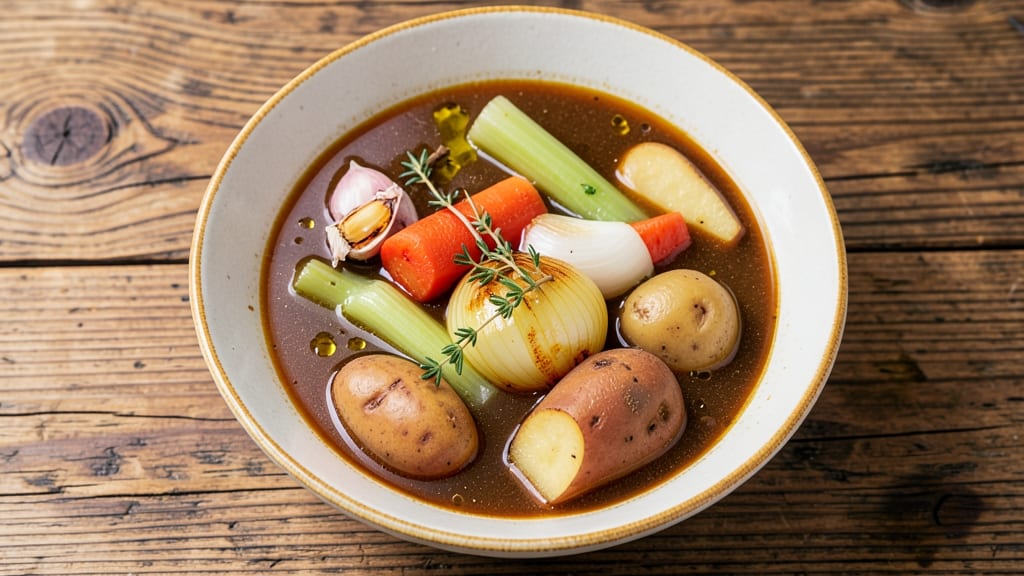
This beef stock vegetable soup recipe transforms simple ingredients into a deeply comforting bowl of warmth that feels like a hug on a chilly day.
The foundation lies in rich beef stock simmered with parboiled vegetables, where carrots soften just enough to release their natural sweetness while potatoes hold their shape.
What sets this apart is the layered flavor—sautéed onions and garlic form the aromatic base, while fresh herbs brighten the finish without overpowering the hearty broth.
The beauty of this recipe is its flexibility—you can use store-bought stock for convenience or make your own for deeper flavor, and the vegetable selection adapts to what’s seasonal.
A modern twist involves blending a portion of the broth for a velvety texture, though purists can skip this for a more traditional approach. The result is a soup that’s nourishing, balanced, and effortlessly elegant, perfect for weeknight dinners or gathering friends around the table.
By the time you serve it, you’ll have a steaming pot of soup where tender vegetables float in a savory broth, garnished with fresh parsley and a drizzle of olive oil for extra richness.
The aroma alone will draw everyone to the kitchen, while the first spoonful delivers that perfect harmony of earthy, umami, and herbal notes. This is the kind of dish that gets better with leftovers and stays with you long after the last bite.
Pair it with crusty bread to soak up every last drop of that flavorful broth, or serve it alongside a simple green salad for balance. The recipe comes together in under an hour, making it ideal for busy evenings when you still want to feel like you’ve made something special.
Let’s get cooking—your taste buds (and your soul) will thank you.
Ingredients for beef stock vegetable soup
Six simple ingredients transform into a deeply comforting bowl of hearty beef stock soup.
| Ingredient | Amount | Notes |
|---|---|---|
| Beef Stock 🥩 | 6 cups | Homemade or high-quality store-bought |
| Yellow Onions 🧅 | 2 whole | Chopped into small dice |
| Garlic Cloves 🧄 | 4 cloves | Minced for aromatic base |
| Carrots 🥕 | 1 ½ lb | Medium-sized, peeled and sliced |
| Russet Potatoes 🥔 | 1 ½ lb | Peeled and cut into 1-inch cubes |
| Celery Stalks 🧅 | 3 whole | Chopped into small pieces |
| Roma Tomatoes 🍅 | 4 whole | Diced for fresh acidity |
| Fresh Parsley 🌿 | ¼ cup | Chopped for garnish |
| Extra-Virgin Olive Oil 🫒 | 2 tbsp | For sautéing onions and garlic |
| Dried Thyme 🌿 | 1 tsp | Or 1 tbsp fresh thyme |
| Bay Leaves 🍃 | 2 whole | Remove before serving |
| Salt 🧂 | 1 ½ tsp | Adjust to taste |
| Black Pepper 🌶️ | ½ tsp | Freshly ground preferred |
| Crusty Bread 🍞 | 1 loaf | For serving (optional) |
The beef stock is the soul of this soup—homemade gives the deepest flavor, but high-quality store-bought like Kettle & Fire or Pacific Foods works in a pinch. Look for stock with minimal additives if buying pre-made. Carrots and potatoes are the stars here, so grab fresh, firm ones—no mealy potatoes or rubbery carrots. I usually hit the produce section first, then the stock aisle, to keep everything fresh. The onions and celery should be crisp—no wilted stalks—and the garlic should smell pungent, not bitter. Fresh herbs like parsley add that final bright note, so grab a bunch and use half for garnish, half for flavor.
No fresh thyme? Dried works at one-third the amount. Short on Roma tomatoes? Substitute with canned crushed tomatoes—just drain the excess liquid. Want to skip the crusty bread? A side salad or roasted veggies balances the richness perfectly. The soup tastes even better the next day, so make extra—leftovers keep for 5 days in the fridge. For a modern twist, blend a portion of the broth before serving for a velvety texture, though purists can skip this step entirely. The key is letting the vegetables soften just enough—they should still have bite, not turn to mush.
Store the broth separately if you're prepping ahead—it keeps for up to 1 week in the fridge. The vegetables can be parboiled and refrigerated for 2 days before adding to the soup. For freezing, portion the soup into containers, leaving 1-inch headspace—it expands when frozen. Thaw in the fridge overnight and reheat gently on the stove. The crusty bread? Toast it fresh before serving—none of that sad, limp store bread. This soup is the kind of dish that tastes even better the second time around, so don't hesitate to double the batch.
Why You'll Love This Recipe
- Pantry-Friendly Magic: I swear by this one after a long day—just dump in onions, garlic, and whatever veggies are lurking in my fridge. No fancy shopping trips, no last-minute grocery runs. That deep beef stock does all the heavy lifting while I chop (or don’t, if I’m lazy).
- Rich Without Effort: The secret’s in the slow simmer—carrots melt into sweetness, potatoes turn creamy, and that beef stock? It’s like liquid gold. Add a splash of vinegar at the end, and suddenly it’s restaurant-quality without the fuss.
- Lunchbox Hero: Between us, this soup is my go-to for meal prep. It reheats beautifully, keeps for days, and I can tweak it—add spinach for greens, noodles for heartiness, or even swap in zucchini if I’m feeling wild. Pack it cold or hot, and I’ve got lunch sorted for the week.
- Budget Comfort: Honestly, this recipe costs me pennies but feels like a hug. Russet potatoes and carrots stretch forever, onions and garlic are cheap staples, and beef stock? I make my own from scraps. It’s the kind of meal that makes me feel like I’m feeding a houseful without breaking the bank.
Step-by-step instructions for beef stock vegetable soup
Here's how to create a rich, comforting vegetable soup that builds flavor layer by layer.
Sauté the Vegetable Base
Heat the 2 tablespoons extra-virgin olive oil in a large pot over medium heat. Add the 2 whole yellow onions and cook for 5 minutes until they become translucent and just beginning to soften. This foundational step develops sweetness that carries through the entire soup.
Add the 3 whole celery stalks and 1.5 pounds carrots, both chopped, along with the 4 cloves minced garlic. Stir everything together and cook for another 5 minutes, stirring occasionally. You'll notice the vegetables release moisture and begin to soften slightly—this is when the flavors start melding together beautifully.
Build Depth with Tomatoes and Herbs
Increase heat to medium-high and add the 4 whole diced Roma tomatoes. Cook for 3-4 minutes until they begin to break down and release their juices. This step adds natural acidity that brightens the rich beef stock.
Stir in the 1 teaspoon dried thyme, 2 whole bay leaves, 1.5 teaspoons salt, and 0.5 teaspoon black pepper. The herbs will infuse the soup with aromatic complexity, while the salt and pepper create a balanced seasoning foundation. Let everything cook together for 1 minute to toast the spices slightly before moving to the next step.
Simmer the Potatoes to Perfection
Add the 1.5 pounds peeled and cubed russet potatoes to the pot. Pour in the 6 cups beef stock, making sure the potatoes are fully submerged. Bring to a gentle boil, then reduce heat to medium-low and let it simmer uncovered for 15 minutes.
After 15 minutes, use a fork to test the potatoes. They should be tender when pierced but still hold their shape. This is crucial—they'll continue cooking while the soup simmers, so you want them just starting to soften now. If they're already too soft, reduce simmering time slightly next time.
Finish with Fresh Herbs and Rest
Once the potatoes are tender, remove the 2 whole bay leaves and stir in the 0.25 cup chopped fresh parsley. The parsley adds a bright, fresh finish that cuts through the richness of the beef stock. Let the soup simmer gently for another 5-10 minutes to allow all the flavors to meld together completely.
Taste and adjust seasoning if needed—you might want to add a pinch more salt or pepper. Remove from heat and let it rest for 5 minutes before serving. This resting period allows the flavors to settle and the soup to reach its full potential. Serve warm with 1 loaf crusty bread on the side for dipping.
Pro Tips For Making Beef Stock Vegetable Soup
- CHAR THE ONIONS FIRST: I learned this the hard way—rushing the onions makes the whole soup taste raw. Get them deep golden brown (5-7 minutes) before adding anything else. That’s where the flavor actually builds, not just the garlic or veggies.
- CUT POTATOES SMALLER THAN YOU THINK: Russets break down fast, and nobody likes mushy potatoes in soup. Dice them into ½-inch cubes—they’ll soften perfectly without turning to paste. (Yes, even if it looks like baby food at first.)
- SALT THE STOCK BEFORE ADDING VEGETABLES: If your beef stock is unsalted (or you’re using low-sodium broth), season it first—before onions, garlic, or anything else. That way, the salt infuses everything evenly, not just the surface. Trust me, it makes a real difference.
- ADD CARROTS LAST, GARLIC FIRST: Toss the garlic into the pot right after the onions caramelize—it’ll toast just enough to add depth. Then add carrots last (they take 10-12 minutes to soften), so they stay crisp-tender. (Pro move: Peel them after chopping to save time.)
Perfect pairings for this dish
Crusty Bread Essentials
For the perfect pairing, choose a baguette-style bread with a crisp crust and soft interior—I love Brioche or a sourdough loaf from the bakery section. Toast it fresh before serving to maintain that satisfying crunch.
If you're short on time, store-bought options like French's Baguette or Sara Lee's Artisan Bread work in a pinch. A warm slice soaks up every last drop of that savory broth, making each bite even more satisfying. 🍞
Green Salad Balance
A simple arugula and spinach mix with a light lemon vinaigrette provides the perfect acidity contrast to the rich soup. Toss 4 cups greens with 2 tbsp olive oil, 1 tbsp lemon juice, and a pinch of salt and pepper.
Add ½ cup shaved Parmesan for extra depth. This pairing keeps the meal light while complementing the hearty flavors of the soup.
Cheese Board Pairing
Turn your soup into a full meal by serving it alongside a charcuterie board with aged cheddar, brie, and prosciutto. The sharpness of the cheddar cuts through the soup’s richness, while the creamy brie adds a luxurious touch.
Add sliced apples or pears for natural sweetness that balances the savory notes. This combination makes the soup feel like a restaurant-worthy experience at home. 🧀
Wine Pairing Perfection
A bold red wine like Cabernet Sauvignon or Merlot stands up to the deep flavors of the beef stock. For something lighter, a Chardonnay with its buttery notes complements the richness beautifully.
Avoid overly tannic wines—they can overpower the soup’s delicate herbs. I often reach for a California Cabernet like Louis M. Martini for its smooth finish. 🍷
Herb-Infused Olive Oil
Drizzle your soup with homemade herb-infused olive oil for an extra layer of flavor. Mix ½ cup extra-virgin olive oil with 2 tbsp chopped fresh parsley, 1 tbsp chopped thyme, and a pinch of red pepper flakes.
Let it sit for 10 minutes before serving. This adds a fresh, aromatic finish that elevates the dish effortlessly. 🫒
Roasted Garlic Bread
For a more indulgent pairing, make roasted garlic bread with garlic cloves baked into the dough. Brush with garlic-infused olive oil before serving. The caramelized garlic adds a sweet, savory note that pairs beautifully with the soup’s herbal depth.
This is my go-to when I want to make the meal feel extra special. 🧄
Nutrition facts
Frequently asked questions
Can I use chicken or vegetable stock instead of beef stock?
You can absolutely substitute! For a lighter version, use chicken stock—it'll have a milder flavor but still work beautifully. Vegetable stock works too, especially if you're making this a vegetarian-friendly dish. Just note that the umami depth will be different, so you might want to add 1 teaspoon soy sauce or ½ teaspoon mushrooms powder to boost richness. The vegetable selection remains the same for texture and sweetness balance.
How do I prevent my vegetables from turning mushy?
The key is timing and technique! First, parboil the potatoes for 5 minutes before adding them to the soup—this jumpstarts their cooking without oversoftening. Second, simmer gently on medium-low heat rather than boiling vigorously. Finally, keep the carrots and celery whole or in larger chunks until the last 10 minutes of cooking, when you can add smaller pieces if you prefer softer textures. A 5-minute rest off heat before serving also helps vegetables maintain their structure.
Can I make this soup ahead of time?
This soup actually tastes better the next day! Let it cool completely, then store in an airtight container in the fridge for up to 5 days. Reheat gently on the stove over low heat, stirring occasionally, until warmed through. For freezing, portion into containers with 1-inch headspace—it expands when frozen. Thaw overnight in the fridge and reheat slowly. The flavors deepen as the broth absorbs all the vegetable juices over time.
What vegetables can I substitute if I don't have carrots or potatoes?
This recipe is incredibly flexible! Swap carrots for turnips, parsnips, or sweet potatoes—all add natural sweetness. For potatoes, try butternut squash (peeled and cubed) or rutabaga for a different texture. Keep the total vegetable weight similar (1.5 pounds) to maintain balance. If using squash, reduce simmering time by 5 minutes since it softens faster than potatoes. The key is maintaining that hearty, comforting texture.
How can I make this soup creamier without dairy?
For a velvety texture without dairy, blend 1 cup of the hot broth with an immersion blender until smooth, then stir it back into the pot. Alternatively, add ¼ cup coconut milk or 2 tablespoons cornstarch mixed with 2 tablespoons cold water at the end of cooking. Both methods create a silky finish while keeping the soup vegetarian-friendly. The blended broth approach gives the most authentic richness, while the cornstarch adds a subtle thickening that works beautifully with the vegetable base.