
Soups & Stews
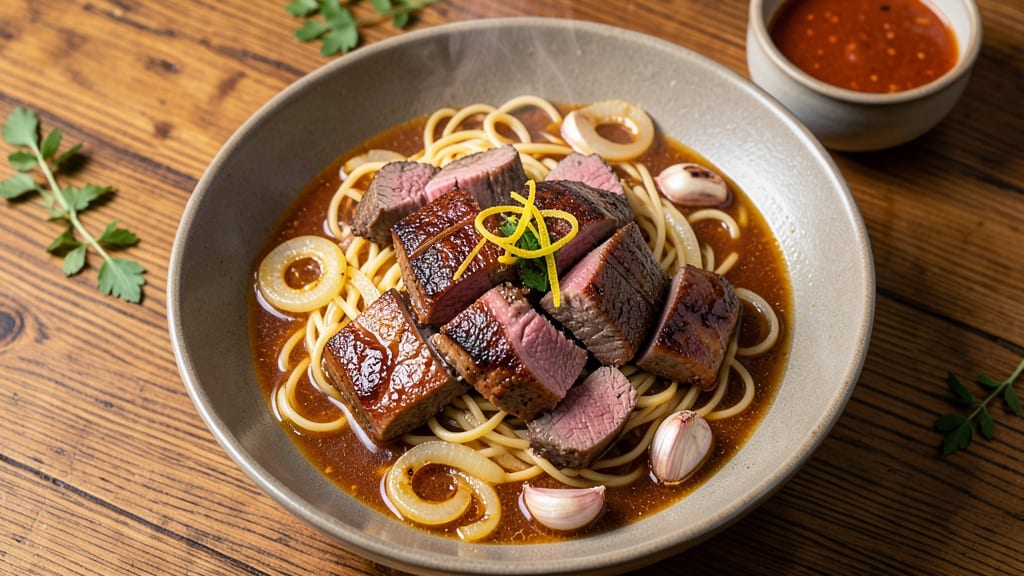
A beef noodle bowl soup transforms a simple weeknight dinner into a comforting masterpiece with its rich umami broth and perfectly chewy noodles. The secret lies in slow-cooked beef that melts into tender shreds, while aromatics like ginger and garlic build layers of depth in the broth.
I developed this recipe after years of refining restaurant-quality techniques at home—no shortcuts, just flavor-packed results.
This recipe delivers a harmonious balance of textures and tastes: tender beef, slippery noodles, and a velvety broth that clings to every bite. The key steps—properly searing the beef, simmering the broth low and slow, and selecting the right noodles—ensure a restaurant-quality bowl without the fuss.
Even home cooks will achieve professional results with clear, foolproof instructions.
By the time you serve this bowl, you'll have a steaming dish that's packed with savory depth, satisfying chew, and a warmth that feels like a hug. The aroma alone will draw everyone to the table, and the first bite delivers on that promise of comfort and richness.
Perfect for chilly evenings or when you crave a meal that feels like a celebration.
Whether you prefer classic versions with thin rice noodles or modern twists with hearty egg noodles, this recipe adapts to your taste. The broth's versatility means it works as a standalone soup or as a base for customizable bowls. Let's create a bowl that's as nourishing as it is delicious.
Ingredients for beef noodle bowl soup
Pantry staples meet restaurant-quality umami for this deeply satisfying beef noodle bowl.
| Ingredient | Amount | Notes |
|---|---|---|
| Chuck Roast 🥩 | 1 ½ lb | Cut into 1-inch cubes |
| Egg Noodles 🍝 | 8 oz | Wide or medium egg noodles |
| Yellow Onion 🧅 | 1 whole | Thinly sliced |
| Garlic Cloves 🧄 | 6 cloves | Minced |
| Fresh Ginger 🌿 | ½ cup | Finely grated |
| Low-Sodium Soy Sauce 🍶 | ½ cup | Or tamari for gluten-free |
| Beef Broth 💧 | 4 cups | Homemade or high-quality store-bought |
| Sesame Oil 🫒 | 1 tbsp | For finishing |
| Vegetable Oil 🫒 | 2 tbsp | For searing |
| Green Onions 🧅 | ¼ cup | Sliced, for garnish |
| Sesame Seeds 🌾 | 1 tbsp | Toasted, for garnish |
| Salt 🧂 | 1 ½ tsp | Kosher or sea salt |
| Black Pepper 🌶️ | ½ tsp | Freshly ground |
| White Pepper 🌶️ | ¼ tsp | For subtle warmth |
| Sugar 🍚 | 1 tsp | Balances flavors |
The chuck roast is non-negotiable—it's what gives you that melt-in-your-mouth beef. Look for well-marbled cuts at Costco or your local butcher; the extra fat renders down for richer flavor. If you're short on time, pre-cubed chuck from the grocery store's meat section works perfectly. Avoid lean cuts like sirloin—they won't develop the same tenderness. For the noodles, egg noodles are ideal (the wider, the better), but rice noodles work too if you're going for an Asian-inspired twist. Just soak them separately if using.
No low-sodium soy sauce? Regular soy sauce plus a pinch of sugar balances the saltiness. Fresh ginger is best, but powdered ginger at half the amount works in a pinch. The beef broth should be rich—homemade is ideal, but even the good store-bought stuff (like Kitchen Basics) will do. For extra depth, add a splash of fish sauce (just 1 tsp) if you're not avoiding it. The sesame oil is purely for finishing—don't cook with it, just drizzle at the end for that nutty aroma. And if you can't find wide egg noodles, fettuccine or pappardelle make great substitutes.
This soup tastes even better the next day—plan ahead. Store the broth and beef separately in the fridge for up to 4 days, then reheat gently with the noodles. For freezing, portion the broth and beef into containers (it keeps for 3 months), then cook fresh noodles when ready to serve. The noodles should be al dente when added to the hot broth—undercook by 1 minute since they'll finish cooking in the soup. Garnish with sesame seeds and green onions right before serving to keep everything fresh and vibrant.
Why You'll Love This Recipe
- One-Pot Magic: I swear by this—simmer the chuck roast, onions, garlic, and ginger right in the same pot, then toss in the noodles at the end. No extra pans, no extra mess. Honestly, the only chopping is the onion, and that’s it.
- Deep Umami Love: That slow-cooked chuck roast? It falls apart into tender, rich strands that coat every noodle in savory perfection. The ginger and garlic don’t just flavor—they transform the broth into something dangerously addictive.
- Meal Prep MVP: Make a double batch on Sunday, and you’ve got lunch or dinner covered for days. The flavors actually get better as it sits—yes, even on day three. My kids grab these for school lunches, and they always come back begging for more.
- Budget Win: Chuck roast is cheap, but it feels like a splurge. A single cut feeds four, and the leftovers stretch into stir-fries or sandwiches. Between us? This is how I feed my family well without breaking the bank.
Step-by-step instructions for beef noodle bowl soup
Here's how to build rich umami broth and chewy noodles that make every bite satisfying.
Sear the Chuck Roast for Maximum Flavor
Heat the 2 tablespoons vegetable oil in a large Dutch oven over medium-high heat until shimmering. Pat the 1.5 lb chuck roast dry with paper towels—this ensures a good sear. Working in batches if needed, add the roast in a single layer and sear for 3-4 minutes per side until deeply browned. You want that caramelized crust to form; it's packed with flavor that'll dissolve into the broth.
Once browned, remove the roast and set it aside. Don't wipe out the pan—those browned bits are pure flavor. Here's the thing: if you rush this step, the meat won't develop that rich crust. Patience now means deeper flavor later. The roast will cook further in the broth, so don't worry about full doneness yet.
Build the Umami-Packed Broth Base
In the same Dutch oven, add the thinly sliced yellow onion and cook for 4-5 minutes until softened and just beginning to color. Add the minced garlic cloves and finely grated fresh ginger, stirring constantly for 30 seconds until fragrant—this prevents burning. The aroma should fill your kitchen; that's your cue it's ready for the next step.
Pour in the 4 cups beef broth, scraping up all those browned bits from the bottom with a wooden spoon. Add the 0.5 cup low-sodium soy sauce, 1.5 teaspoons salt, 0.5 teaspoon black pepper, 0.25 teaspoon white pepper, and 1 teaspoon sugar. The sugar might seem odd, but it balances the deep umami flavors. Bring everything to a gentle simmer, then return the chuck roast to the pot.
Slow-Cook the Roast Until Fork-Tender
Cover the Dutch oven and reduce heat to low. Let the roast simmer for 1.5 to 2 hours, turning occasionally, until it's fork-tender. You'll know it's ready when the meat pulls apart easily with minimal resistance. The broth should be rich and slightly reduced, coating the back of a spoon. If it gets too low, add a splash of water, but don't over-dilute it.
Here's where the magic happens: the long, slow cook breaks down the connective tissue in the chuck roast, turning it into tender, flavorful beef that practically melts in your mouth. Don't rush this step—it's what transforms simple ingredients into something extraordinary. The roast should be falling apart when you test it.
Cook the Noodles and Finish the Broth
While the roast cooks, prepare the 8 oz egg noodles according to package instructions until al dente—about 2 minutes less than the package suggests. Drain and set aside. In the same broth (strain it if you prefer no meat pieces), add the cooked noodles and simmer for 1-2 minutes to heat through and absorb the rich flavors.
Remove the roast from the broth and let it cool slightly. Using two forks, shred the meat into bite-sized pieces, discarding any large fat chunks. Return the shredded beef to the broth and stir in the 1 tablespoon sesame oil. Taste and adjust seasoning if needed—this is where you can really make it your own. The broth should be deeply savory with a touch of sweetness from the ginger and sugar.
Assemble and Garnish for Serving
Divide the noodles among four bowls. Ladle the hot broth and shredded beef over the noodles, making sure each serving gets plenty of both. Drizzle with a little extra broth if needed. Garnish each bowl with sliced green onions and toasted sesame seeds—these add both color and texture. The green onions should be bright against the rich broth, and the sesame seeds add a nutty crunch.
Serve immediately while everything is hot. The contrast of the chewy noodles, tender beef, and rich broth creates the perfect balance. Each bite should deliver layers of umami, a touch of sweetness from the ginger, and that satisfying chew from the egg noodles. This is comfort food at its finest—simple ingredients transformed into something truly special.
Pro Tips For Making Beef Noodle Bowl Soup
- Sear the Chuck Roast: High heat until it’s browned in two spots—this isn’t just for flavor, it’s the non-negotiable first step to tender beef. I used to skip this and ended up with tough, gray meat that needed hours to recover.
- Slice Ginger Thin: Use a mandoline or sharp knife to shave it into paper-thin strips—it’ll infuse the broth without turning it into a ginger swamp. (Yes, even if you’re impatient like me, the extra effort makes a real difference.)
- Don’t Overcrowd the Pot: Let the onions and garlic sizzle freely in the pan before adding liquid—crowding steams instead of caramelizes, and you’ll end up with a bland base. Start hot, then simmer low.
- Save the Noodle Water: Strain the pasta, but don’t dump that starchy water—toss the noodles in a splash of it before adding to the bowl. It’ll help them cling to the broth and beef like they belong there. (Your future self will thank you.)
Perfect pairings for this dish
Classic Garnishes
Start with toasted sesame seeds—heat 1 tablespoon in a dry skillet over medium heat for 1-2 minutes until golden and fragrant. Sprinkle generously over each bowl for a nutty crunch.
Fresh green onions add brightness; thinly slice ¼ cup and scatter across the top. For extra color, try cilantro or Thai basil if you prefer a more herbal note. 🌿
Crunchy Toppings
Add texture with fried shallots—sauté 2 tablespoons in neutral oil until crispy. These bring a delicate onion flavor that elevates the dish. For a spicy kick, toss in ½ teaspoon crushed red pepper flakes or chili crisp (like Lao Gan Ma).
Crumbled fried wontons or tempura bits also work beautifully for an Asian-inspired twist.
Fresh Herb Finishes
Brighten the bowl with Thai basil or mint leaves—torn by hand for a rustic touch. The cool, fresh notes cut through the richness of the beef. For a citrusy finish, add zest from ½ lime or lemon right before serving.
If you love heat, drizzle with sriracha-infused honey (mix 1 tablespoon sriracha with 1 tablespoon honey).
Broth Boosters
Elevate the broth with soft-boiled eggs—poach 4 eggs for 6 minutes, then halve and place on top. For a creamy touch, swirl in 1 tablespoon coconut milk or a spoonful of hoisin sauce.
A drizzle of chili oil adds smoky depth, while fish sauce (just ½ teaspoon) deepens the umami. 🍳
Side Pairings
Serve with steamed bok choy or baby spinach on the side for a fresh contrast. Crispy garlic fried rice or kimchi adds tangy crunch. For a heartier meal, pair with buttery scallion pancakes or sesame crackers to scoop up every last drop of broth.
A simple cucumber salad with rice vinegar keeps the meal light.
Beverage Matchups
Sip on a jasmine green tea to complement the ginger and soy notes. For alcohol, a dry Riesling or sake enhances the umami without overpowering. If you prefer beer, try a light lager or Asian-inspired wheat beer like Sapporo.
A ginger beer** on the side adds a refreshing zing to balance the richness. 🍶
Nutrition facts
Frequently asked questions
Can I use ground beef instead of chuck roast for this recipe?
While ground beef works in a pinch, it won't deliver the same rich, tender texture. Chuck roast's fat content and connective tissue create that melt-in-your-mouth quality when slow-cooked. For a quick alternative, try stew meat or brisket—both offer similar tenderness. If you must use ground beef, brown it thoroughly first and simmer for 30-40 minutes to develop flavor.
How do I make this recipe gluten-free?
Swap the egg noodles for rice noodles or gluten-free pasta, and use tamari instead of soy sauce. Check your broth label too—many store-bought versions contain wheat. For extra umami, add ½ teaspoon fish sauce or 1 tablespoon coconut aminos to compensate for the missing soy depth.
Why does my broth taste too salty?
This usually happens when using regular soy sauce instead of low-sodium. The fix? Dilute with ½ cup hot water and simmer for 5 minutes to let flavors meld. For a quick fix, stir in 1 tablespoon cornstarch mixed with 2 tablespoons cold water to thicken the broth slightly—this reduces saltiness perception. Taste as you go!
Can I make this soup ahead of time?
Store the broth and beef separately in airtight containers for up to 4 days in the fridge. Reheat gently on the stove, then cook fresh noodles separately to avoid sogginess. For freezing, portion the broth and beef (without noodles) for up to 3 months. Reheat thoroughly before adding noodles to maintain texture.
What's the best way to reheat leftovers?
Reheat only the broth and beef together (without noodles) in a saucepan over medium-low heat until steaming. Add fresh noodles to the hot broth just before serving to prevent mushiness. For extra richness, stir in 1 teaspoon sesame oil when reheating. Never microwave—it ruins the texture!