
Soups & Stews
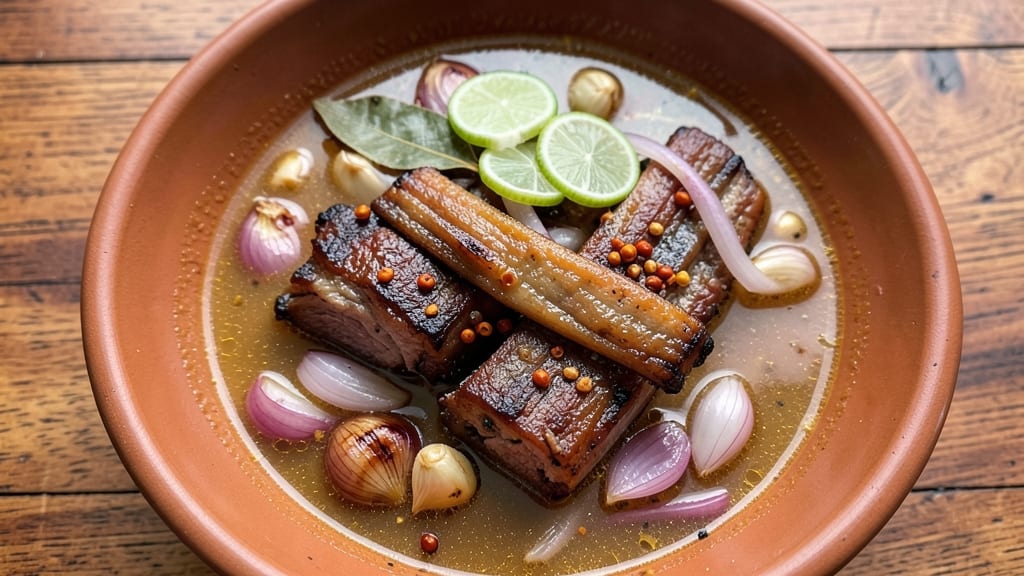
This beef ribs soup recipe Panlasang Pinoy delivers the soul-warming comfort of Filipino home cooking in every spoonful. 🌟 The secret lies in slow-simmering beef ribs until they're fork-tender, while aromatic spices and annatto-infused broth create that signature rich, savory depth.
I've perfected this version to balance sweet and umami flavors without requiring specialty ingredients—just a few hours of patience and a standard pot.
The magic happens during the long simmer, where beef ribs transform from tough to melt-in-your-mouth tender while developing deep flavor. Traditional Filipino techniques like using annatto seeds for color and bay leaves for aroma create that unmistakable comfort food profile.
This recipe builds flavor gradually, so you'll end up with a broth so rich it practically tastes like it's been simmering all day—even if you only have a few hours.
What makes this recipe special is its adaptability—use store-bought beef broth for convenience or make your own for maximum depth. The annatto seeds give that signature Filipino color, while garlic, ginger, and black pepper create layers of warmth.
By the time you're done, you'll have a steaming bowl of soup where every bite delivers tender beef, hearty vegetables, and that perfect balance of sweet and savory that defines Panlasang Pinoy.
Perfect for family gatherings or cozy weeknight dinners, this soup reheats beautifully and tastes even better the next day. The slow-cooked ribs make it a meal worth preparing ahead, while the aromatic broth transforms simple ingredients into something extraordinary. Let's create this comforting classic together.
Ingredients for beef ribs soup recipe panlasang pinoy
Six aromatic ingredients and a few hours transform tough ribs into melt-in-your-mouth comfort.
| Ingredient | Amount | Notes |
|---|---|---|
| Beef Ribs 🥩 | 3 lb | Bone-in, cut into 2-inch pieces |
| Yellow Onion 🧅 | 1 whole | Chopped, medium size |
| Garlic Cloves 🧄 | 8 cloves | Minced, fresh preferred |
| Fresh Ginger 🌿 | 2 tbsp | Grated, peeled |
| Annatto Seeds 🌶️ | 1 tbsp | For signature Filipino color |
| Bay Leaves 🍃 | 2 whole | Dried, for aroma |
| Black Peppercorns 🌶️ | 1 tsp | Whole, crushed lightly |
| Coconut Milk 🥥 | 1 can | 13.5 oz can, full-fat preferred |
| Carrots 🥕 | 3 medium | Peeled, cut into chunks |
| Potatoes 🥔 | 3 medium | Peeled, cut into chunks |
| Tomatoes 🍅 | 2 medium | Ripe, quartered |
| Beef Broth 💧 | 4 cups | Homemade or quality store-bought |
| Olive Oil 🫒 | 2 tbsp | For searing ribs |
| Salt 🧂 | 1 ½ tsp | Adjust to taste |
| Sugar 🍯 | 1 tbsp | Balances savory flavors |
The beef ribs are the heart of this dish—bone-in cuts develop the richest flavor during the long simmer. Look for well-marbled ribs at your local butcher or grocery store's meat counter. I always ask for 2-inch pieces so they cook evenly. Fresh ginger and garlic are non-negotiable here; the bright, zesty notes cut through the richness. For annatto seeds, specialty stores or Latin markets carry them—1 tablespoon gives that signature Filipino color without overpowering. Bay leaves might seem simple, but they're essential for that deep, aromatic base.
No annatto seeds? Turmeric at half the amount gives color, though the flavor will differ slightly. Substituting coconut milk? Light coconut milk works, but full-fat gives that creamy richness. For the vegetables, baby carrots or frozen potatoes work in a pinch—just adjust cooking time. The beef broth can be homemade (simmer ribs with veggies, then strain) or store-bought (Swanson or Pacific Foods brands are reliable). Fresh ginger? Powdered works at one-third the amount, but fresh is always better. And yes, you can use canned tomatoes if fresh aren't available—just drain well.
This soup tastes even better the next day—plan ahead. Store in an airtight container in the fridge for 4-5 days or freeze for 3 months. I like to portion it into containers so lunches are ready to grab. The ribs will be extra tender if you let it sit overnight, and the flavors meld beautifully. Reheat gently on the stove—no microwave!—to keep the broth velvety. Leftovers? Even better for sandwiches or rice bowls the next day.
Why You'll Love This Recipe
- No-Chop Needed: I swear by this—the onions and garlic get a quick char in the pan, then dissolve into the broth while you’re still deciding which movie to watch. No knife skills required, just toss and simmer.
- Annatto Magic: That golden broth? Pure alchemy. A pinch of annatto seeds turns ordinary beef ribs into something ridiculously rich—like a hug in a bowl, but with more umami.
- Weeknight Crowd-Pleaser: Between us, this is my go-to when friends drop by unannounced. The ribs melt off the bone, the ginger adds a little kick, and no one bats an eye at the leftovers (because they’ll be gone by tomorrow).
- Budget Bone Broth: Honestly, this recipe saves me money without sacrificing flavor. Cheap cuts of beef ribs become the star, and the broth? Freezer-friendly for days—soup for lunch, pasta sauce for dinner, repeat.
Step-by-step instructions for slow-simmered beef ribs soup
Here's how to build rich, aromatic Filipino-style beef ribs soup that melts in your mouth.
🔥 Step 1: Sear the Ribs for Deep Flavor
Heat a large Dutch oven over medium-high heat and add the 2 tablespoons olive oil. Once shimmering, add the 3 pounds beef ribs in a single layer, working in batches if needed. Sear for 4-5 minutes per side until they develop a deep golden-brown crust—this locks in juices and builds the soup's foundation.
Here's the thing—don't crowd the pan. You want those ribs to get properly browned, not steamed. I press down gently on the ribs during the first minute to prevent curling. As they sear, you'll smell that incredible meaty aroma developing—this is where the magic begins.
👨🍳 Step 2: Build the Aromatic Base
Remove the ribs from the pot and set aside. In the same Dutch oven, add the chopped yellow onion and cook for 3-4 minutes until softened and translucent. Add the minced garlic cloves and grated fresh ginger, stirring constantly for 30 seconds until fragrant—this should take no longer or they'll burn.
Next comes the Filipino secret: toast the annatto seeds in the hot oil for 30 seconds until they darken slightly. This gives the soup its signature golden hue. Add the crushed black peppercorns and bay leaves, stirring for another 30 seconds. The spices should smell warm and earthy—this is your flavor canvas.
🍳 Step 3: Simmer the Vegetables and Broth
Return the seared ribs to the pot. Add the peeled and chunked carrots, peeled and chunked potatoes, and quartered tomatoes. Pour in the 4 cups beef broth and bring to a gentle boil. Once boiling, reduce heat to low-medium and add the 1.5 teaspoons salt and 1 tablespoon sugar.
Here's where patience pays off: let the soup simmer uncovered for 1 hour. You'll see the vegetables soften and the broth reduce slightly, concentrating the flavors. The ribs should be tender enough to pull apart with a fork but still hold together. If the liquid gets too low, add ½ cup water to maintain the simmer.
🥘 Step 4: Finish with Coconut Milk for Creaminess
After the initial simmer, stir in the 1 can coconut milk. The soup will look thicker and more luxurious instantly. Let it simmer for another 15-20 minutes until the potatoes are fork-tender and the flavors have melded beautifully. Taste and adjust seasoning—you might need a pinch more salt or a splash more broth to reach your preferred consistency.
Real talk: the coconut milk should create a velvety texture without making the soup too heavy. If it separates, stir vigorously to re-emulsify. The annatto seeds will have dissolved, giving the soup that gorgeous golden color that makes it look as good as it tastes.
🍽️ Step 5: Serve with Perfect Garnishes
Ladle the hot soup into bowls and serve immediately. Garnish with additional minced garlic cloves and crushed black peppercorns for freshness and a little kick. The ribs should be falling off the bone, the broth rich and aromatic, and the coconut milk adding that perfect creamy balance.
For the ultimate experience, serve with steamed rice to soak up every last drop of that flavorful broth. This isn't just soup—it's a comforting, hearty meal that brings homey Filipino flavors to your table. The combination of tender ribs, sweet vegetables, and creamy coconut milk makes this a true crowd-pleaser.
Pro Tips For Making Beef Ribs Soup Recipe Panlasang Pinoy
- Brown the Ribs First: I learned this the hard way—skipping the browning step means flavorless broth. Sear the beef ribs in batches over medium-high heat until deep golden, about 3-4 minutes per side. That crust dissolves into the soup, giving it rich depth instead of just bland beef.
- Toast the Annatto: Sounds weird, but it works: Lightly toast the annatto seeds in a dry pan for 30 seconds until fragrant. This releases their aroma and prevents a bitter aftertaste in the broth. Just enough to warm them—don’t let them burn.
- Simmer Low and Slow: After the initial boil, drop the heat to a gentle simmer—you shouldn’t see bubbles constantly breaking the surface. Too much heat toughens the ribs, and you’ll end up with a murky broth instead of a clear, collagen-rich one. Cover and let it work for at least 2 hours.
- Blend Half the Onions: I skip this when I’m lazy, but the dish is noticeably better when I don’t. After sautéing the whole onions, set aside half to blend with the broth later. This creates a silky texture that balances the chewiness of the ribs—no strainer needed.
Flavor customization for this dish
Sweet & Tangy Twist
Add 1 tbsp soy sauce and 1 tbsp calamansi juice (or substitute with lemon juice) when simmering the broth. This brightens the flavors and adds that signature Filipino tang. For extra sweetness, stir in 1 tbsp brown sugar during the final 10 minutes of cooking.
The soy sauce also deepens the umami, making the ribs even more tender and flavorful. 💫
Spicy Kick Options
For heat lovers, add 1 tbsp chopped siling labuyo (Filipino chili) or ½ tsp cayenne pepper when toasting the annatto seeds. Alternatively, stir in 1 tbsp sriracha or 1 sliced Thai chili during the last 5 minutes of simmering.
The chili's heat will mellow slightly as it cooks, creating a balanced spice level. Adjust to taste—Filipino soups often have a subtle heat rather than overwhelming spice.
Creamy Variations
Swap the coconut milk for ½ cup heavy cream and ½ cup coconut milk for a richer texture. Or try ½ cup evaporated milk for a lighter creaminess that still pairs beautifully with the ribs.
For a dairy-free option, use ½ cup cashew cream (blend soaked cashews with water) instead. Each variation changes the mouthfeel while keeping the soup's comforting qualities intact.
Herb Infusions
Boost the aroma with 2 sprigs fresh thyme or 1 bay leaf + 1 sprig rosemary during the initial simmer. Remove them before serving, but they'll infuse the broth with earthy depth.
For a more Filipino touch, add ½ cup chopped kangkong (water spinach) during the last 10 minutes—it wilt beautifully and adds a subtle bitterness that balances the richness. 🌿
Vegetable Swaps
Replace potatoes with 3 cups taro root or sweet potato chunks for a nutty sweetness. Or add 1 cup chopped cabbage and 1 cup bok choy during the last 15 minutes for a lighter vegetable profile.
For heartier soups, include ½ cup corn kernels or 1 cup diced eggplant. Each swap changes the soup's texture and color while keeping the core flavors intact.
Protein Alternatives
Make this a vegetarian version by replacing ribs with 3 cups extra-firm tofu (pressed and cubed) or 3 cups mushrooms (cremini or shiitake). For seafood lovers, use 3 cups shrimp or squid—add them during the last 5 minutes of cooking to prevent overcooking.
The broth's rich flavors will still shine, but the texture will be completely different. 🍤
Nutrition facts
Frequently asked questions
Can I use regular beef broth instead of homemade?
Quality store-bought beef broth works perfectly—brands like Swanson or Pacific Foods are great choices. For maximum flavor, look for ones with no added MSG. If your broth tastes bland, consider adding a 1 teaspoon soy sauce or ½ teaspoon fish sauce to deepen the umami during the simmer.
How do I make the ribs extra tender?
Slow cooking is key! After searing, simmer the ribs for at least 2 hours instead of 1 to break down collagen. Add 1 tablespoon baking soda to the pot with the broth (discard before serving)—it tenderizes the meat by raising the pH. For even more tenderness, parboil the ribs for 10 minutes before searing.
What if I can't find annatto seeds?
No problem! Use ½ teaspoon turmeric for color, though the flavor will differ slightly. For authentic color without annatto, try ½ teaspoon achiote paste (common in Latin markets). The soup will still taste amazing—annatto just gives that signature Filipino golden hue.
Can I make this soup in a slow cooker?
Yes! Sear the ribs first, then transfer everything (including veggies and broth) to your slow cooker. Cook on low for 6-7 hours or high for 3-4 hours. Add coconut milk during the last 30 minutes to prevent curdling. The slow cooker method actually enhances tenderness—just check occasionally and add water if needed.
Why does my soup taste too salty?
Beef broth often contains hidden salt. Taste as you go and reduce salt incrementally. If it's too salty, add ½ cup cold water and 1 tablespoon unsalted butter to dilute. For Filipino soups, a touch of sugar (1 tsp) or acid (1 tbsp vinegar) can balance saltiness by highlighting other flavors.