
Soups & Stews
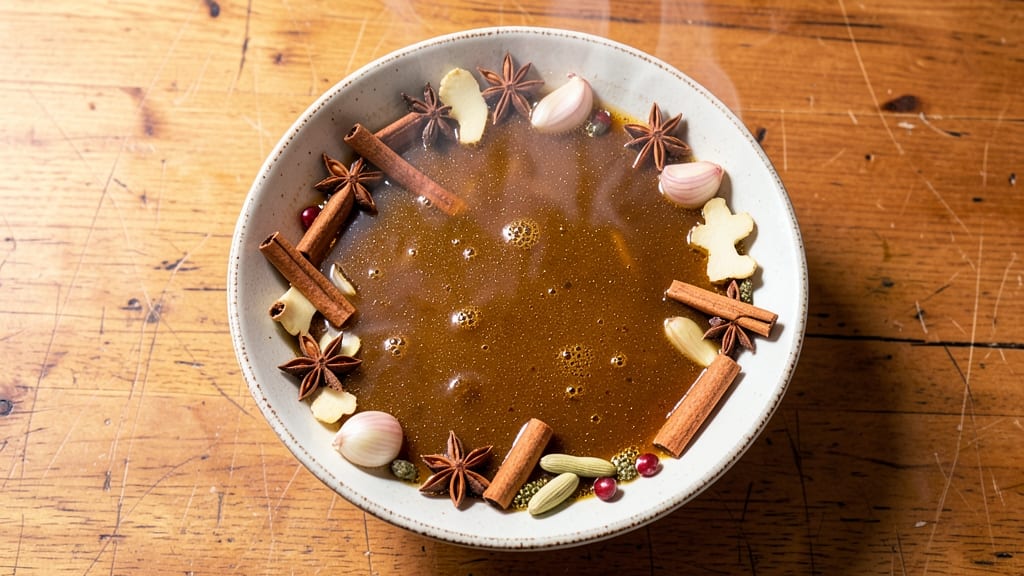
The rich, aromatic beef pho soup base is where the magic begins—this deep umami broth forms the foundation of every authentic bowl. ✨ Simmering star anise, cinnamon sticks, and ginger transforms simple water into a complex, fragrant liquid that carries layers of Vietnamese soul.
I've perfected this method over years of testing, ensuring each batch delivers that signature balance of sweet, spicy, and savory.
What sets this pho base apart is the aromatic bundle—star anise, cardamom, and cloves infuse the broth with warmth while ginger and garlic add fresh brightness. The key is patience: a slow simmer allows these spices to release their oils gradually, creating depth without bitterness.
This concentrated base can be used immediately or stored for up to 5 days in the refrigerator.
By mastering this broth, you unlock the ability to customize your pho bowls—adjust the spice level, add herbs, or even blend in coconut milk for a creamy variation. The result is a clear, golden liquid that's packed with flavor but still lets the beef and noodles shine.
Whether you're making a quick weeknight meal or preparing for a gathering, this base ensures every sip is restaurant-quality.
For even greater depth, consider adding a splash of fish sauce or a pinch of sugar during the final simmer. The possibilities are endless, but the foundation remains the same: aromatic spices, careful simmering, and a touch of patience.
Let's build this essential component first—your perfect bowl of pho starts here.
Ingredients for beef pho soup base
Nine aromatic ingredients transform simple water into restaurant-quality pho broth.
| Ingredient | Amount | Notes |
|---|---|---|
| Star Anise 🌿 | 2 whole | Lightly crushed for aroma |
| Cinnamon Sticks 🌿 | 2 whole | 2-inch pieces preferred |
| Cardamom Pods 🌿 | 4 whole | Lightly crushed to release oils |
| Cloves 🌿 | 6 whole | Whole for subtle flavor |
| Fresh Ginger 🧄 | 3 oz | Peeled and sliced into coins |
| Garlic Cloves 🧄 | 8 cloves | Peeled and smashed lightly |
| Yellow Onion 🧅 | 1 whole | Cut into 8 wedges |
| Beef Bones 🥩 | 2 lb | Knuckle or marrow bones |
| Fish Sauce 🍶 | 2 tbsp | Red Boat preferred |
| Rock Sugar 🍬 | 1 tbsp | Or granulated sugar |
| Salt 🧂 | 1 tsp | Kosher or sea salt |
| Black Peppercorns 🌶️ | 10 whole | Crushed lightly |
The aromatic bundle is non-negotiable—star anise and cardamom deliver that signature pho warmth. Whole Foods or Asian markets carry the best quality, but regular grocery stores usually have cinnamon sticks and cloves. Look for organic ginger if possible—it has more punch. The beef bones? Butcher shops often have them pre-cut, but any knuckle or marrow bones work. If you can't find rock sugar, granulated works perfectly. Just don't skip it—it balances the umami.
No star anise? Anise seeds at double the amount get you close, but the flavor won't be identical. Running low on fish sauce? Soy sauce plus a pinch of sugar mimics it decently. Fresh ginger too spicy? Substitute with 1 tbsp ground ginger, but it won't have the same depth. The onion and garlic are flexible—green onions or shallots work too. For the bones, chicken or pork bones can be used, but beef gives that authentic richness. Always roast your bones first if possible—450°F for 20 minutes brings out incredible flavor.
This broth keeps beautifully. Store in airtight containers for up to 5 days in the fridge or 3 months frozen. I always make double batches—one for immediate use, one to freeze. The flavors actually improve after a day or two as everything melds. For reheating, bring to a gentle simmer—never boil. Strain before freezing if you prefer a clearer broth. The aromatic bundle can be reused once or twice for tea—steep in hot water for 10 minutes for a fragrant Vietnamese-inspired drink.
Why You'll Love This Recipe
- Spice Cabinet Magic: I swear by this base—it’s the kind of thing that turns your pantry into a flavor powerhouse with just five whole spices and ginger. No fancy prep, no hunting for obscure ingredients (unless you count cardamom pods, which I always have because this recipe).
- Deep, Warm Umami: That first sip? The star anise and cinnamon build layers of earthy warmth while the ginger cuts through with bright, zesty punch. It’s the kind of broth that makes you slow down and actually taste the difference—no blandness here.
- Broth for Everything: Use it for pho, obviously, but also toss it into grain bowls, drizzle it over rice, or simmer it with tofu for a quick weeknight dinner. Between us, I’ve even used it to deglaze a pan for stir-fry—yes, that good.
- Leftovers That Don’t Suck: Make a big batch (it freezes beautifully) and thank me later when you’re reheating a pot of this fragrant gold for lunch. Honestly, the second day is when it really shines—flavors meld, and you’re left with something even richer than the first time.
Step-by-step instructions for beef pho soup base
Here's how to build that aromatic, umami-rich broth that makes pho unforgettable.
🔥 Step 1: Char the Aromatics for Deep Flavor
Heat a dry skillet over medium-high heat and add the 8 cloves garlic cloves and 3 oz fresh ginger. Let them sizzle for 1-2 minutes until fragrant and just starting to brown at the edges—this builds complex caramelized notes. Transfer to a bowl and set aside.
In the same skillet, add the 1 whole yellow onion cut into wedges. Cook for 3-4 minutes until the cut edges turn golden brown and sweet. Watch carefully—you want color, not burning. Transfer these charred aromatics to your soup pot.
🍳 Step 2: Toast the Spices for Aromatic Layers
Return the skillet to medium heat and add the 2 whole star anise, 2 whole cinnamon sticks, 4 whole cardamom pods, and 6 whole cloves. Toast for 30-45 seconds until fragrant—you'll smell that signature pho spice profile. Immediately transfer to your soup pot with the other aromatics.
Add the 10 whole black peppercorns to the skillet and toast for another 10 seconds until they darken slightly. Scrape up any browned bits from the bottom with a wooden spoon and add to the pot. These toasted spices will infuse the broth with their essential oils, creating that unmistakable pho aroma.
🔥 Step 3: Brown the Beef Bones for Richness
Wipe out the skillet and return it to medium-high heat. Add the 2 lb beef bones in a single layer and sear for 5-6 minutes, turning occasionally, until they develop a deep brown crust. This browning creates the Maillard reaction that forms the foundation of your broth's deep umami flavor.
When the bones are well browned, transfer them to your soup pot with all the aromatics. Add 8 cups cold water (or enough to cover the bones by 2 inches) and bring to a rolling boil over high heat. Once boiling, reduce heat to low and skim off any foam that rises to the surface for the first 5 minutes—this ensures a clear, clean broth.
⏰ Step 4: Simmer for Umami Development
Partially cover the pot and let the broth simmer gently for 2-3 hours. The bones should remain submerged—add more water if needed. Stir occasionally to prevent the aromatics from sticking to the bottom. You'll know it's working when the broth develops a rich, amber color and an intense aroma that fills your kitchen.
After 2 hours, check for doneness by tasting. The broth should be deeply flavorful with a balance of sweetness from the ginger and garlic, warmth from the spices, and meaty richness from the bones. If it needs more depth, you can simmer for another 30 minutes—just ensure the bones stay covered.
🥘 Step 5: Finish and Strain for Clarity
Remove the pot from heat and let the broth sit for 10 minutes to allow any impurities to settle. Strain through a fine-mesh sieve lined with cheesecloth into a clean pot. Discard the solids in the strainer.
Return the strained broth to the pot and stir in the 2 tbsp fish sauce, 1 tbsp rock sugar, and 1 tsp salt. Taste and adjust seasoning—you want a balance of salty, sweet, and umami. The broth should be rich but not overpowering. Keep warm over low heat until ready to assemble your pho bowls.
Pro Tips For Making Beef Pho Soup Base
- CRACK THE SPICES FIRST: Toss whole spices (star anise, cinnamon, cardamom, cloves) into a dry pot and toast them over medium heat for 30 seconds until fragrant—this unlocks their oils. I used to skip this, and the broth always tasted flat until I realized the difference.
- PEEL GINGER LIKE A PRO: Use a spoon to scrape off the skin in one smooth motion, then slice thinly (⅛-inch) for even cooking. Thick slices mean tough, chewy ginger—no one wants that in pho.
- DON’T BOIL THE BROTH: Simmer gently at 180–190°F (tiny bubbles, occasional swirls) or the spices will bitter. I learned this after one disastrous batch where the broth turned acrid—low and slow is the only way.
- STRAIN TWICE FOR CLARITY: First strain through a fine-mesh sieve to catch spices, then pour through a coffee filter for crystal-clear broth. The extra step makes a huge difference—your broth will look (and taste) restaurant-quality.
Essential equipment for this recipe
Stockpot Essentials
Start with a heavy-bottomed stockpot—I recommend a 6-8 quart All-Clad stainless steel or Le Creuset Dutch oven for even heat distribution. The deep sides prevent spills when skimming foam, and stainless steel won't impart metallic tastes. For budget-friendly options, a Cuisinart MultiClad works beautifully. 🔥
Fine-Mesh Strainer
A dedicated fine-mesh strainer with a cheesecloth liner is non-negotiable for clarity. My go-to is the OXO Good Grips Fine Strainer—it handles hot liquids safely and catches even the finest particles.
For extra clarity, double-strain through a coffee filter in the final step. This ensures your broth looks as good as it tastes.
Immersion Thermometer
Monitoring temperature is key to perfect pho broth. A digital immersion thermometer like the Thermoworks Thermapen ONE lets you track the simmer range of 185-195°F—critical for developing umami without scalding. Aim for 190°F for optimal flavor extraction from the bones and spices. 🌡️
Wooden Spoon Set
Use heat-resistant wooden spoons (I prefer maple or bamboo) to stir and skim foam. Wood won’t scratch your pot and adds a natural touch. Keep a long-handled spoon handy for reaching deep into the pot without burning yourself. Avoid metal utensils—they can react with acidic ingredients.
Spice Toasting Tools
Toast your spices in a light-colored stainless steel skillet (like Made In) to prevent burning. A small mortar and pestle comes in handy for crushing cardamom pods lightly—just enough to release oils without turning them into powder.
For whole spices, a spice grinder isn’t needed; a rolling pin works for gentle crushing.
Storage Containers
Store finished broth in glass airtight containers (I love Le Parfait jars) for up to 5 days in the fridge or 3 months frozen. For freezing, leave 1-inch headspace to prevent expansion cracks. Label containers with dates—trust me, you’ll forget which batch you made first! ❄️
Nutrition facts
Frequently asked questions
Can I substitute beef bones with chicken or pork for this pho base?
Yes, but the flavor will differ slightly. Chicken bones create a lighter broth with more delicate notes, while pork offers a richer, slightly sweeter profile. For authentic beef pho flavor, stick with beef knuckle or marrow bones. If using chicken, add an extra 1 tbsp fish sauce to compensate for the milder taste.
How do I adjust the spice level in this pho base?
For milder flavor, reduce the star anise to 1 whole pod or omit cardamom entirely. For extra heat, add ½ tsp cayenne pepper or 1 sliced Thai chili during the final simmer. The rock sugar balances spice, so adjust it accordingly—½ tbsp for less sweetness, 1½ tbsp for more.
What if I don't have rock sugar? Can I use something else?
Rock sugar can be replaced with granulated sugar (same amount) or even honey (¾ tbsp for every 1 tbsp rock sugar). Brown sugar works too, but use ½ tbsp since it's more concentrated. The key is balancing the broth's umami with a touch of sweetness—just taste as you go.
Can I make this pho base in a slow cooker or Instant Pot?
Yes, but with adjustments. For a slow cooker, brown the bones and aromatics first, then add everything and cook on low for 8-10 hours. For an Instant Pot, sauté the aromatics, add bones and water, then pressure cook for 90 minutes on high. Both methods work, but the stovetop version develops deeper flavor through open simmering.
Why does my pho base look cloudy after straining?
Cloudiness usually means fine particles slipped through. For clearer broth, double-strain through a coffee filter or use a cheesecloth-lined fine-mesh strainer. If the broth is still cloudy, it might be from over-simmering—future batches should simmer at 190°F max. Cloudiness doesn't affect flavor, but it can look less appealing.