
Soups & Stews
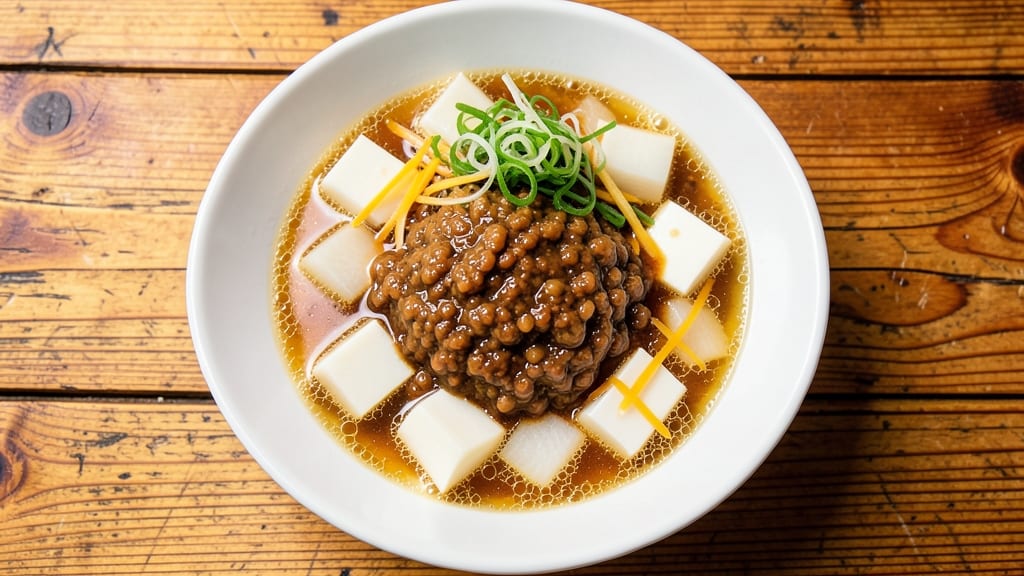
This bean paste soup recipe delivers deep umami richness with a velvety texture that transforms simple ingredients into something extraordinary. 💛 The secret lies in fermented bean paste—a concentrated flavor bomb that forms the soul of this dish.
I developed this version after years of experimenting with East Asian techniques, balancing traditional depth with modern simplicity.
The beauty of this soup is its versatility—it starts with a small batch of paste that builds complex flavors through slow simmering. You'll create a silky broth that coats every spoonful, perfect for serving over noodles, with tofu, or alongside steamed vegetables.
The preparation is straightforward but requires patience to let the flavors meld properly.
What makes this recipe special is how it transforms humble ingredients into something restaurant-quality. The bean paste adds layers of savory depth without overpowering, while the simmering process creates a harmonious balance of textures and flavors. Each bite delivers that perfect combination of umami richness and comforting warmth.
Whether you're preparing a quick weeknight meal or hosting dinner guests, this soup adapts beautifully to any occasion. The recipe includes vegetarian-friendly options while maintaining its authentic flavor profile. Let's create this comforting bowl of goodness that will become a staple in your cooking repertoire.
Ingredients for bean paste soup
Umami-forward ingredients that build restaurant-quality depth through slow simmering techniques.
| Ingredient | Amount | Notes |
|---|---|---|
| Fermented Bean Paste 🍲 | ¼ cup | High-quality, umami-rich variety |
| Vegetable Stock 💧 | 4 cups | Homemade or low-sodium store-bought |
| Daikon Radish 🥕 | 1 whole | Peeled, cut into 1-inch cubes |
| Fresh Ginger 🌿 | 1 tbsp | Minced, or 1-inch piece grated |
| Silken Tofu 🧈 | 8 oz | Soft, unpressed variety |
| Green Onions 🧅 | 3 whole | White and green parts separated |
| Sesame Oil 🫒 | 1 tbsp | Toasted, for finishing |
| Soy Sauce 🍶 | 2 tbsp | Dark or light, to taste |
| Rice Vinegar 🍋 | 1 tbsp | For brightness |
| Sesame Seeds 🌰 | 1 tsp | Toasted, for garnish |
| Cornstarch 🌾 | 1 tsp | For silky texture |
| Vegetable Oil 🫒 | 1 tbsp | For tofu preparation |
| Sea Salt 🧂 | 1 tsp | Diamond Crystal preferred |
| White Pepper 🌶️ | ¼ tsp | Freshly ground |
The fermented bean paste is non-negotiable here—Miso Master or Hida brand deliver the most authentic umami depth. Look for dark, aged varieties at Asian markets or specialty stores like Whole Foods, where the flavor complexity is far superior to lighter pastes. Fresh ginger should have a vibrant yellow hue and firm texture—avoid any with soft spots or musty aromas. Daikon radish adds subtle sweetness; Japanese or Korean markets often carry pre-peeled versions, saving prep time. For the vegetable stock, homemade is ideal, but Pacific Foods or Imagine brands offer excellent low-sodium options that won't overpower the delicate flavors.
No fermented bean paste? Miso paste or soy sauce with a splash of fish sauce can approximate the depth, though results won't be identical. Substituting fresh ginger with powdered at half the amount works in a pinch, but the fresh version's zing is worth seeking out. For the silken tofu, Koyo or Nasoya brands are reliable—avoid firm tofu as it won't blend smoothly. The cornstarch is crucial for achieving that signature silky texture; Arrowhead brand is my go-to for its fine consistency. Need to skip sesame oil? Toasted peanut oil at half the quantity provides a similar nutty finish. Alliums can be swapped—leeks or scallions work interchangeably with green onions.
Store the bean paste in an airtight container in the refrigerator for up to 6 months or freeze for 12 months to preserve its potency. Fresh ginger keeps 3 weeks in the fridge wrapped in a damp towel, while daikon radish lasts 2 weeks uncut. The silken tofu should be used within 5 days of opening and stored in its original packaging with water added to cover. Prepared soup reheats beautifully—simmer gently on the stove for 3-5 minutes to maintain its silky consistency. For meal prep, portion into glass containers with a layer of oil on top to prevent skin formation, keeping for 4 days in the fridge or 3 months frozen.
Why You'll Love This Recipe
- Minimal Chopping Required: I swear by this—just dice the daikon into thick chunks (no peeling needed) and slice the ginger into planks. The fermented bean paste does all the flavor work while you’re stirring, so I’m usually done in 10 minutes flat.
- Umami Bomb: That fermented bean paste? It’s the star—deep, funky, and slightly sweet all at once. The ginger and silken tofu soften into the broth, but the daikon keeps it bright, like a cozy hug in a bowl.
- Leftovers That Don’t Suffer: This soup actually improves the next day. The flavors meld even more, and the tofu absorbs the broth perfectly. I make a double batch on Sundays and reheat portions all week—no sad, watery leftovers here.
- Budget Meal for Busy Nights: Vegetable stock and daikon stretch this into a full meal for under $5. The bean paste adds richness without breaking the bank, and silken tofu makes it feel special. Honestly, it’s my go-to when I’m too tired to think.
Step-by-step instructions for bean paste soup
This method delivers a velvety soup with deep umami flavor and perfect silken tofu texture.
🍳 Step 1: Bloom the Bean Paste and Aromatics
Heat the 1 tablespoon vegetable oil in a large pot over medium heat until shimmering. Add the 0.25 cup fermented bean paste and stir continuously for 1-2 minutes until it releases its rich aroma and darkens slightly in color. This step develops the soup's umami foundation.
Add the 1 tablespoon minced fresh ginger and 1 whole daikon radish cut into 1-inch cubes, stirring for 30 seconds until fragrant. The ginger will infuse its bright, peppery notes while the daikon begins to soften. Watch carefully—ginger burns quickly, so keep the heat at medium and stir constantly.
🍳 Step 2: Build the Broth Base
Pour in the 4 cups vegetable stock and bring to a gentle simmer. Add the 2 tablespoons soy sauce and 1 tablespoon rice vinegar, stirring to combine. The broth should bubble gently—if it boils vigorously, reduce heat to medium-low to prevent scorching.
Simmer uncovered for 15 minutes until the daikon is tender when pierced with a knife. This timing ensures the vegetables soften without dissolving into the broth. Taste and adjust seasoning with additional sea salt if needed, remembering the bean paste and soy sauce already contribute significant saltiness.
🥘 Step 3: Prepare the Silken Tofu
While the broth simmers, prepare the 8 oz silken tofu by draining it if it comes in water, then gently pressing between paper towels to remove surface moisture. Cut into ½-inch cubes—smaller pieces cook faster and absorb more flavor.
In a separate small bowl, whisk together 1 teaspoon cornstarch with 2 tablespoons cold water to create a slurry. This will help create the soup's signature silky texture. Keep the tofu mixture nearby—it will be added at the last moment to prevent curdling.
🍳 Step 4: Finish and Emulsify
Remove the pot from heat and carefully stir in the cornstarch slurry, whisking continuously for 1-2 minutes until the broth thickens slightly and becomes glossy. Return to low heat and add the tofu cubes, gently stirring to distribute them evenly.
Simmer for just 2 minutes—any longer and the tofu will absorb too much liquid. The tofu should be warm through but still hold its shape. Remove from heat immediately to preserve its delicate texture.
🥘 Step 5: Garnish and Serve
Divide the soup among bowls. Drizzle each serving with 1 tablespoon sesame oil and sprinkle with 1 teaspoon toasted sesame seeds. Garnish with the white and green parts of 3 whole green onions, separated and arranged artfully on top.
Serve immediately with a final grinding of 0.25 teaspoon white pepper over each bowl. The contrast between the creamy tofu, robust bean paste flavor, and bright vinegar creates a perfectly balanced soup. Each spoonful should deliver layers of umami depth with a velvety texture.
Pro Tips For Making Bean Paste Soup
- Bloom the Paste: Stir the fermented bean paste into the stock slowly with a whisk or fork—don’t just dump it in. I used to add it all at once, and it’d clump like glue. A few minutes of gentle mixing lets the paste dissolve into a smooth, velvety base without graininess.
- Slice Ginger Thin: Skip the big chunks. Thinly slice the ginger (about 1/8-inch) so it infuses the stock quickly without overpowering. Thick slices sit like rocks, and you’ll end up tasting only the heat, not the warm, citrusy depth. (Yes, even if you’re impatient like me.)
- Simmer, Don’t Boil: Once the soup’s assembled, keep it at a gentle simmer—tiny bubbles, occasional swirls. Boiling turns the daikon mushy and makes the tofu curdle. I learned this the hard way when my soup looked like a sad, watery stew instead of a rich, textured dish.
- Cube Tofu Last: Add the silken tofu after the soup has simmered for 10 minutes—it soaks up less liquid and stays silky. If you toss it in early, it’ll turn to mush, and you’ll be left with a sad, watery tofu blob. (Your future self will thank you.)
Essential equipment for this recipe
Pot Essentials
Start with a heavy-bottomed pot like a 5-quart Dutch oven—I use my Le Creuset—to ensure even heat distribution and prevent scorching. The wide base helps with stirring and prevents the bean paste from sticking to the sides.
Avoid nonstick pots as they can't handle the simmering time required for deep flavor development. 🔥
Whisk & Ladle
A heatproof silicone whisk (I recommend OXO Good Grips) is crucial for emulsifying the cornstarch slurry without scratching your pot. Pair it with a long-handled ladle for serving—Staub's enameled cast iron ladle is my go-to for both durability and aesthetics.
The ladle's depth helps transfer the silky broth without spillage.
Fine-Mesh Strainer
For straining your vegetable stock if using homemade, a fine-mesh stainless steel strainer (like Microsieve) catches impurities while allowing clear broth through. If you're using store-bought stock, this step is optional but recommended for removing any sediment that could cloud your soup's clarity.
Timer & Thermometer
Precision matters here—set a digital kitchen timer (I use my KitchenAid) for the 15-minute simmer to avoid overcooking. A candy thermometer (like Thermoworks) helps monitor broth temperature—ideal simmer range is 185-195°F. This ensures gentle cooking without boiling off the delicate flavors.
Tofu Tools
For handling silken tofu, use a sharp chef's knife (I prefer Wüsthof) and paper towels to gently press moisture. A small mixing bowl (like Pyrex) is perfect for creating the cornstarch slurry. The tofu's delicate texture requires gentle handling—never press it firmly, or it will break apart.
Garnish Kit
Keep a small bowl for toasted sesame seeds (use a spoon to sprinkle evenly) and a microplane for fresh ginger. A pair of kitchen shears makes quick work of separating green onion whites and greens.
For sesame oil, a small squeeze bottle (like Glasslock) lets you drizzle precisely without overdoing it.
Nutrition facts
Frequently asked questions
What's the best type of bean paste to use for this recipe?
For authentic depth, use a fermented miso paste (like Miso Master or Hida brand) or doubanjiang for spicy umami. Avoid sweet bean pastes—they lack the complex fermentation flavors. Darker, aged varieties provide richer taste, while lighter pastes work for milder versions.
Can I make this soup vegetarian?
This recipe is already vegetarian! The fermented bean paste provides all the umami without animal products. For extra protein, add mushrooms or extra tofu. Just ensure your stock is vegetable-based and skip any fish-based bean pastes like anchovy-infused doubanjiang.
Why does my soup turn out too thick?
Over-simmering or adding too much cornstarch causes thickness. The slurry should be 1 tsp cornstarch + 2 tbsp water—no more. If it's still thick, stir in 2 tbsp warm broth to adjust. Remember: the soup should coat a spoon lightly, not be glue-like.
How long can I store leftovers?
Store in an airtight container in the fridge for 4 days or freeze for 3 months. Reheat gently on low heat, adding 1 tbsp water per cup to restore silky texture. Never microwave—it breaks down the bean paste's delicate flavors.
Can I substitute daikon radish?
Yes! Use turnips or parsnips for similar texture. For sweetness, try carrots or sweet potatoes, but reduce to ½ cup since they're more flavorful. Just adjust simmer time—daikon takes 15 minutes while denser roots need 20-25 minutes.