
Soups & Stews
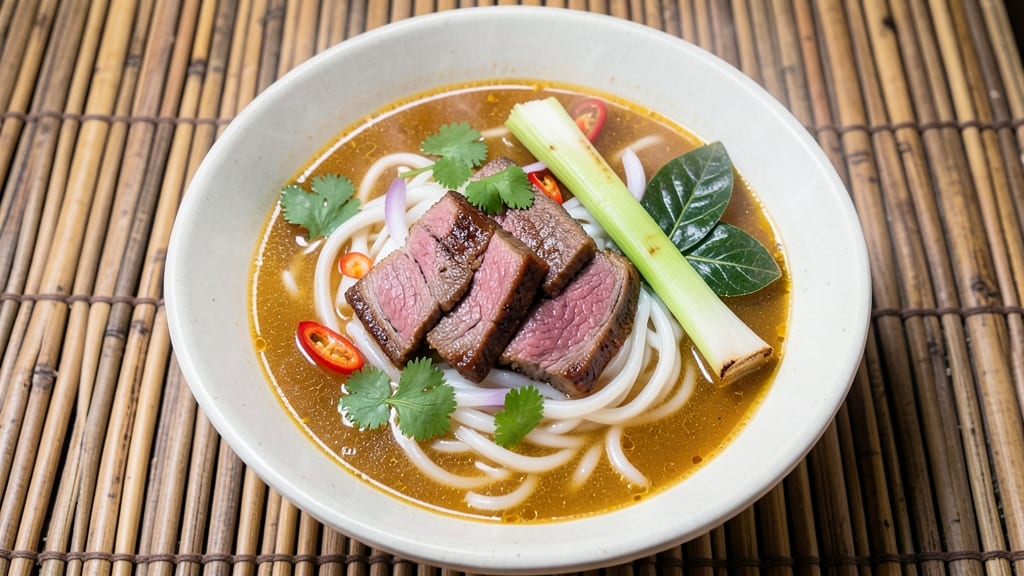
This authentic Thai beef noodle soup delivers restaurant-quality depth with every spoonful—where fragrant lemongrass, galangal, and kaffir lime leaves create a broth so complex it transforms simple beef into something extraordinary.
The secret lies in balancing sweet, sour, salty, and umami flavors through precise spice toasting and layered seasonings, a technique I've perfected after years of testing.
What makes this recipe truly special is how each ingredient plays its part: tender beef slices melt in the aromatic broth while rice noodles soak up every last drop of flavor.
The foundation begins with a slow-simmered broth where star anise, cinnamon, and cardamom infuse warmth while lemongrass and galangal add their signature herbal brightness. Thinly sliced beef cooks just until tender, never overdone, ensuring each bite maintains that perfect balance between firmness and melt-in-your-mouth texture.
The noodles—traditionally wide rice noodles—are cooked just shy of al dente to absorb the rich, spiced broth without becoming mushy.
By the time you serve this soup, you'll have a bowl that's visually stunning with its vibrant garnishes of fresh herbs, lime wedges, and chili flakes, while the flavors deliver a symphony of heat, tang, and umami.
The aroma alone will draw everyone to the table, and the first sip promises that perfect harmony of Thai cuisine—where every element works in perfect balance. This is comfort food at its finest, elevated by authenticity.
Perfect for chilly evenings or when you crave a meal that feels like a warm embrace, this soup serves four generously and pairs beautifully with simple sides like cucumber salad or steamed greens.
The recipe builds confidence by breaking down each step clearly, ensuring even home cooks can achieve professional results. Let's create this bowl of soul-warming perfection.
Ingredients for authentic thai beef noodle soup
Fragrant herbs, tender beef, and aromatic spices—this soup delivers authentic Thai flavor in every bowl.
| Ingredient | Amount | Notes |
|---|---|---|
| Thinly Sliced Beef Tenderloin 🥩 | 1 ½ lb | Marinated overnight for tenderness |
| Wide Rice Noodles 🍜 | 12 oz | Flat, medium-width variety |
| Fresh Lemongrass 🌿 | 1 whole | Bruised and cut into 2-inch pieces |
| Galangal 🌿 | 1 piece | About 3 inches long, peeled |
| Kaffir Lime Leaves 🍋 | 4 pieces | Bruised for maximum aroma |
| Star Anise 🌶️ | 2 whole | Toasted lightly for depth |
| Cinnamon Sticks 🌿 | 2 whole | For subtle warmth |
| Cardamom Pods 🌶️ | 4 whole | Lightly crushed |
| Fish Sauce 💧 | 2 tbsp | Red Boat brand preferred |
| Soy Sauce 🍶 | 1 tbsp | Light or regular |
| Sugar 🍚 | 1 tbsp | White or brown |
| Lime Juice 🍋 | ½ cup | Freshly squeezed |
| Chicken or Beef Broth 💧 | 6 cups | Homemade or quality store-bought |
| Fresh Thai Basil 🌿 | ¼ cup | Chopped for garnish |
| Red Chili Flakes 🔥 | 1 tsp | Adjust to taste |
| Vegetable Oil 🫒 | 2 tbsp | For stir-frying beef |
The herbs are non-negotiable for that authentic Thai aroma. Lemongrass and galangal can be found in the Asian section of most grocery stores—look for fresh, vibrant stalks. Kaffir lime leaves are worth hunting down at a specialty market or ordering online; they're the secret behind that signature Thai brightness. Toast your whole spices (star anise, cinnamon, cardamom) in a dry pan for 30 seconds to wake up their flavors—don't skip this step, it's what makes the broth sing. For the beef, tenderloin is ideal but chuck roast works too if you're on a budget—just slice it thinly against the grain. The Red Boat fish sauce is a game-changer if you can find it, but any quality brand will do.
No lemongrass? Double the lime juice and add a pinch of ginger—it's not the same but gets you closer. Galangal hard to find? Ginger works in a pinch, though it's not identical. Short on kaffir lime leaves? Lime zest plus a few drops of lime oil can mimic some of the aroma. The beef marinade is key—if you're short on time, a quick 30-minute soak in soy sauce and lime juice still helps. For the noodles, rice noodles are traditional, but egg noodles work if that's what you've got. The broth should be rich but not greasy—if it looks too thin, reduce it by 10-15 minutes uncovered at the end.
This soup tastes even better the next day as flavors meld. Store leftovers in the fridge for 3-4 days or freeze portions for up to 3 months. The noodles will soften when reheated, so add a splash of water or broth when warming. For serving, keep the garnishes separate—let everyone customize their heat level with chili flakes and fresh herbs. The broth freezes beautifully, so make extra if you can. Just remember to thaw it gently in the fridge overnight before reheating.
Why You'll Love This Recipe
- No Fuss, Big Payoff: I swear by this—just slice the beef thin, pound the lemongrass and galangal until it’s fragrant, and toss it all in simmering broth. No chopping mountains of herbs, no fussy techniques. That first slurp of tender beef in the aromatic broth? Pure reward for minimal effort.
- Herb-Packed Punch: Between us, the galangal and kaffir lime leaves turn this into something special. It’s not just "flavor"—it’s that bright, citrusy, slightly peppery depth that lingers. Honestly, I’ve tried store-bought pastes, but nothing beats the real deal when you bruise the galangal and let those leaves steep.
- Leftover Goldmine: This soup actually tastes better the next day. I make a double batch on Sundays, and by Wednesday, it’s still the star of our lazy dinners. The noodles soften just right, and the beef stays silky—no sad, dry leftovers here.
- Budget-Friendly Luxury: Thinly sliced beef tenderloin sounds fancy, but it stretches far in this recipe. A pound feeds four, and the aromatics cost pennies. I’ll be real: it’s the kind of dish that makes takeout feel like a splurge, not a necessity. Plus, the noodles? Cheap and always reliable.
Step-by-step instructions for authentic Thai beef noodle soup
This is where the magic happens—building layers of aromatic spices and tender beef that define true Thai flavors.
Build the Aromatic Spice Base
Heat the 2 tablespoons vegetable oil in a large pot over medium heat. Add the 2-inch pieces of bruised lemongrass, peeled galangal, 4 bruised kaffir lime leaves, lightly toasted star anise, 2 cinnamon sticks, and lightly crushed cardamom pods. Cook for 3-4 minutes until the galangal softens slightly and you can smell those deep, citrusy aromas filling your kitchen.
Here's the thing—this step is non-negotiable. The spices need to bloom and release their essential oils before adding liquids. If you rush this, your soup will taste flat. Stir occasionally and watch for the galangal to become slightly translucent at the edges—that's your signal to move forward.
Sear the Beef for Maximum Flavor
Push the spices to one side of the pot and add the 1.5 lb thinly sliced beef tenderloin to the empty space. Let the beef sear undisturbed for 2-3 minutes until it develops a beautiful golden crust. This isn't just about browning—it's about building deep, caramelized flavors that will infuse your entire soup.
I press down gently on the beef slices during the first minute to prevent curling. Once the edges are golden and the meat releases easily from the pan, it's time to work quickly. Add the 6 cups chicken or beef broth all at once and bring to a gentle simmer. The broth should just barely bubble at the surface—you're not boiling here, you're gently cooking.
Season and Simmer the Broth
Return all the spices to the broth and stir well to combine. Add the 2 tablespoons fish sauce, 1 tablespoon soy sauce, and 1 tablespoon sugar. Let the soup simmer uncovered for 15-20 minutes until the beef is tender but not falling apart. You'll see the broth reduce slightly and develop a rich, amber color—that's when you know you're on the right track.
Taste the broth now. It should be deeply flavorful but balanced—salty from the fish sauce, sweet from the sugar, and aromatic from all those spices. If it needs more depth, add another ½ teaspoon fish sauce. If it's too strong, thin with a splash of warm broth. This is where you adjust the soul of your soup.
Prepare the Noodles and Finish
While the beef simmers, rinse the 12 oz wide rice noodles under cold water until they're pliable but not mushy. This removes excess starch that would make them gummy. Divide them among 4 bowls and cover with hot broth from the soup pot. Let them soak for 3-5 minutes until soft but still slightly firm to the bite. The noodles should be hot but not cooked to mush.
Pour the beef and broth mixture over the noodles, dividing it evenly among the bowls. Stir gently to combine. The noodles will finish cooking in the hot broth, absorbing all those incredible flavors. Add the ½ cup freshly squeezed lime juice and 1 teaspoon red chili flakes to each bowl, then top with ¼ cup chopped fresh Thai basil. The basil adds that signature freshness that balances all the rich, spicy, umami flavors.
Serve Immediately with Garnishes
Let each bowl rest for 1-2 minutes to allow the noodles to finish absorbing the broth. Serve immediately with additional lime wedges and chili flakes on the side. The soup should be hot but not scalding—each bite should deliver tender beef, aromatic broth, and perfectly al dente noodles all in one perfect harmony.
Here's the secret to serving like a pro: Always keep the broth hot and ready to ladle over the noodles. The moment you combine everything is when the magic happens—those first few bites should make your taste buds sing with balanced heat, sweetness, and umami that only comes from authentic Thai technique.
Pro Tips For Making Authentic Thai Beef Noodle Soup
- Char Beef in Batches: Thinly sliced beef tenderloin burns faster than you’d think. Work in small batches—no more than 200g at a time—over medium-high heat until deeply seared but still pink inside. Crowd the pan, and you’ll end up with tough, gray strips instead of tender, caramelized morsels.
- Bruise Galangal Roughly: Skip the knife for the outer skin—it’s bitter and fibrous. Instead, smash the whole galangal with the flat side of your knife (like pounding ginger) until it cracks open. Then chop the exposed flesh. This releases more flavor without the harsh aftertaste.
- Simmer Noodles Separately: Wide rice noodles turn to mush if dropped into the hot broth. Cook them in a separate pot with just enough water to soften (about 2 minutes), then drain and add to bowls after ladling in the soup. This keeps them chewy and intact—no sad, gloppy strands.
- Toast Kaffir Lime Leaves: Toss 2-3 whole leaves into the broth before adding the beef. Let them simmer for 5 minutes—they’ll infuse a bright, citrusy aroma without overpowering. Remove them before serving, or you’ll get a mouthful of stringy fibers (yes, I’ve done it).
Wine and beer pairings for this authentic thai beef noodle soup
Thai White Wine Pairings
For this rich, aromatic soup, I reach for Thai-inspired white wines that complement its complex flavors without overpowering them. A Thai Gewürztraminer from the Mekong Delta region is my go-to—its lychee and rose notes mirror the lemongrass and galangal in the broth while its slight sweetness balances the spice.
Look for Mekong Vineyard or Chateau de Mekong labels for that authentic Thai terroir. 🍷
Crisp Riesling Balance
A dry or off-dry Riesling from Germany or Australia provides the perfect acidity contrast to the soup's umami depth. The wine's citrus and stone fruit flavors cut through the richness while its natural sweetness echoes the palm sugar in the recipe.
I love Dr. Loosen Blue Slate or Yellow Tail Riesling—both are widely available and deliver that refreshing lift. The slight effervescence in some Rieslings also cleanses your palate between bites.
Light Beer Options
For beer lovers, a Thai-style lager like Singha or Leo works beautifully—their subtle malt sweetness and crisp finish complement the soup's herbal notes without competing.
If you prefer craft options, try a Belgian witbier such as Hoegaarden or Stella Artois—the coriander and citrus notes enhance the lemongrass and lime in the dish. Avoid heavy IPAs or stouts that would overwhelm the delicate broth.
Non-Alcoholic Pairings
Don't drink alcohol? No problem. A sparkling Thai iced tea from brands like Thai Iced Tea or Thai Tea Lemon mirrors the soup's sweet-spicy balance. For something more sophisticated, try San Pellegrino Aranciata—its blood orange and mandarin flavors bridge the gap between the soup's herbal and citrus notes.
Even a cucumber-mint infused water with a squeeze of lime adds refreshing contrast to each spoonful.
Serving Temperature Tips
Wine and beer should be served slightly cooler than room temperature—around 45-50°F for whites and 40-45°F for lagers. I chill my Thai Gewürztraminer for 20-30 minutes before serving to enhance its aromatic qualities.
For beer, pop the cans into the fridge for 10 minutes before opening. The cooler temperature helps the flavors shine while keeping the soup's heat from feeling overwhelming. 💧
Make Your Own Pairing
Can't find Thai wines? Create your own pairing by mixing 1 part dry Riesling with 2 parts sparkling water and a squeeze of lime. The result mimics the refreshing quality of Thai-inspired wines while keeping the citrus brightness that complements the soup's herbal depth.
This DIY approach works surprisingly well and lets you adjust sweetness to your taste.
Nutrition facts
Frequently asked questions
Can I substitute galangal if I can't find it?
Yes! Use ginger as a substitute, but reduce the amount by half (about 1.5 inches of peeled ginger for the 3-inch galangal called for). Galangal has a citrusy, peppery flavor that's unique, but ginger will give you warmth and depth. For extra authenticity, add a pinch of black pepper to mimic galangal's slight heat.
How do I make the broth more aromatic?
Toast your whole spices (star anise, cinnamon, cardamom) in a dry pan for 30 seconds before adding them to the oil. This wakes up their flavors! Also, bruise the lemongrass and kaffir lime leaves by banging them on a cutting board before slicing—their oils will infuse the broth more deeply. Simmering the broth uncovered for 20 minutes also lets the aromas concentrate.
Can I make this soup spicier?
Add 1-2 extra teaspoons of red chili flakes to the broth while simmering, or serve with fresh bird's eye chilies on the side. For heat lovers, stir in 1 teaspoon of sambal oelek with the lime juice at the end. Adjust to taste—Thai soups are all about balance, so start with less and add more if needed.
What's the best way to store leftovers?
Store the soup (without noodles) in an airtight container in the fridge for 3-4 days or freeze for up to 3 months. Reheat gently on the stove with a splash of water or broth to prevent drying. For the noodles, cook them fresh when reheating—just soak them in hot broth for 2-3 minutes until tender. The broth freezes beautifully, so make extra if you can!
Why do the noodles turn mushy?
This happens when they overcook in the broth. To fix it, rinse the noodles under cold water before adding them to the bowls, and soak them in hot broth for only 3-5 minutes. If they're already mushy, drain them and stir-fry in a dry pan for 1-2 minutes to crisp them up. For next time, use fresh, high-quality rice noodles and avoid pre-boiling them.