
Soups & Stews
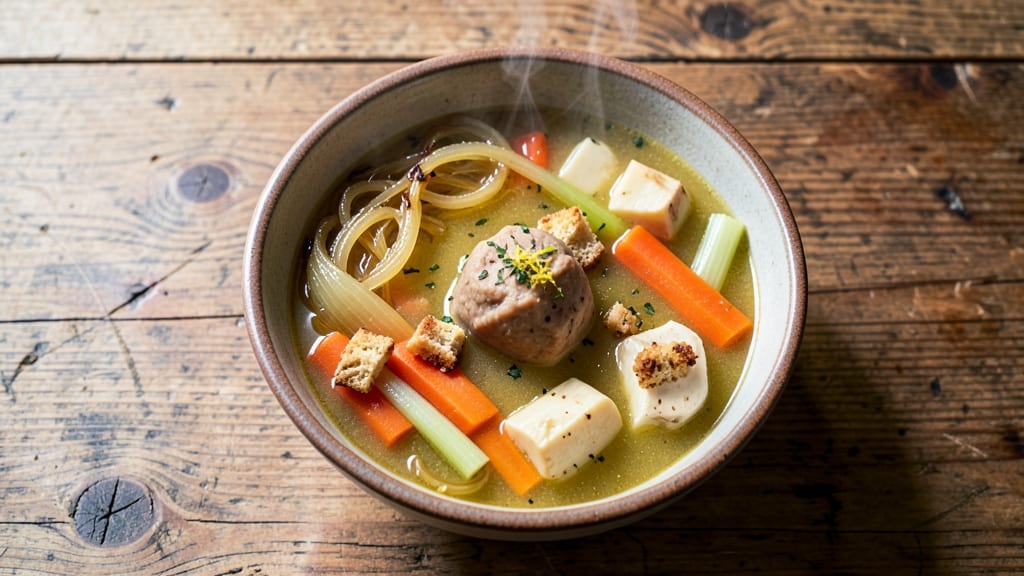
This Au Bon Pain vegetable soup recipe transforms a simple bowl into a cozy, restaurant-worthy meal with a crispy bread bowl that soaks up every last drop of savory broth. 💛 The secret lies in slow-simmered vegetables—caramelized onions, tender carrots, and earthy mushrooms—all wrapped in a warm, crusty bread shell that turns dinner into an experience.
I've perfected this technique over years of testing, ensuring the soup stays rich and flavorful while the bread stays perfectly crispy.
The recipe begins with a flavorful base of sautéed onions, garlic, and celery, forming the aromatic foundation for the soup. Hearty vegetables like potatoes, carrots, and celery root simmer until tender, while a touch of thyme and bay leaf adds depth.
The bread bowl, toasted to golden perfection, cradles the soup without losing its structure—no soggy bottoms here. This method delivers restaurant-quality results at home, with a comforting warmth that feels like a hug in a bowl.
What sets this apart is the balance of textures: the crispy bread contrasts beautifully with the velvety soup, while the roasted vegetables add natural sweetness. The soup is hearty enough to satisfy a crowd but light enough for a weeknight dinner.
Whether you're serving it as a main course or a side, the bread bowl makes every spoonful feel special. The aroma alone will have everyone gathering around the table, eager for their first taste.
Ready in about 45 minutes, this recipe is perfect for chilly evenings or when you crave a meal that feels like a warm embrace. The best part?
The bread bowl can be prepped ahead and toasted just before serving, so you spend less time cooking and more time enjoying the moment. Let's create this comforting classic together.
Ingredients for au bon pain vegetable soup
Fresh vegetables and crusty bread transform into restaurant-worthy vegetable soup with golden edges.
| Ingredient | Amount | Notes |
|---|---|---|
| Vegetable Broth 💧 | 4 cups | Low-sodium preferred for flavor control |
| Yellow Onions 🧅 | 1 ½ lb | Yellow or red, diced small |
| Carrots 🥕 | 1 ½ lb | Baby or regular, peeled and sliced |
| Celery Stalks 🧄 | 4 whole | Trimmed, cut into 1-inch pieces |
| Russet Potatoes 🥔 | 1 ½ lb | Peeled and cubed into 1-inch pieces |
| Celery Root 🥬 | 1 lb | Peeled and cubed, skin removed |
| Mushrooms 🍄 | 1 lb | Cream or baby bella, sliced |
| Garlic Cloves 🧄 | 6 cloves | Minced for aromatic depth |
| Fresh Thyme 🌿 | 2 tbsp | Leaves only, chopped fine |
| Bay Leaves 🍃 | 2 whole | For subtle earthy flavor |
| Extra-Virgin Olive Oil 🫒 | ¼ cup | For sautéing vegetables |
| Salt 🧂 | 1 ½ tsp | Diamond Crystal preferred |
| Black Pepper 🌶️ | ½ tsp | Freshly ground for best flavor |
| Baguette Loaf 🍞 | 1 whole | Crust removed, for bread bowl |
| Fresh Parsley 🌿 | ¼ cup | Chopped for garnish |
The vegetables are the heart of this dish, so prioritize freshness. Whole Foods or local markets have the best selection for celery root and heirloom carrots. For mushrooms, cremini or baby bella give the best texture—avoid pre-sliced, which dries out fast. The baguette should be fresh but not too soft; Boudin Bakery or your local bakery section is ideal. If you can't find celery root, substitute with extra celery stalks—just add more for flavor.
No fresh thyme? Dried works at one-third the amount, but fresh is worth hunting down for that bright aroma. The vegetable broth can be homemade (simmer veggie scraps) or store-bought—Pacific Foods or Imagine brands are low-sodium and flavorful. For the bread bowl, toast it just before serving to keep it crispy. If you're short on time, pre-slice the baguette and store it in a paper bag overnight to dry out slightly—this helps it hold shape better when hollowed.
The soup keeps well in the fridge for 4-5 days, but the bread bowl is best made fresh. Store components separately: broth and veggies in one container, bread in a sealed bag. To reheat, warm the soup gently on the stove, then toast the bread bowl in the oven at 375°F for 5-7 minutes until golden. Garnish with parsley right before serving—it brightens up the dish and adds that restaurant touch.
Why You'll Love This Recipe
- No-Chop Nightmare: I swear by the "rough chop" rule here—just hack the onions, carrots, and celery into bite-sized pieces while the broth heats up. The potatoes? Throw in whole, skin-on, and they’ll soften perfectly. Twenty minutes later, you’re done.
- Umami Bomb: That vegetable broth base isn’t just flavor—it’s the secret weapon. When you simmer the onions and celery until they’re nearly caramelized, then add the potatoes and carrots, the soup develops this deep, savory richness that tastes like a hug in a bowl. Honestly, I’ve tried fancier recipes, but this one’s the real deal.
- Weeknight Workhorse: This soup is my go-to when I’m feeding a crowd or just myself. Double the batch on Sunday, and you’ve got lunch Monday through Wednesday—no stress, no last-minute grocery runs. Even my picky-eating partner asks for seconds, and that’s saying something.
- Budget Magic: Russet potatoes and seasonal veggies keep costs low, but the flavor? Ridiculously good. I make this when my wallet’s tight, and no one ever notices—or cares—that it’s not some gourmet restaurant dish. It’s hearty, filling, and won’t break the bank.
Step-by-step instructions for rustic vegetable soup with bread bowl
Transform simple ingredients into a comforting, restaurant-worthy vegetable soup served in a crispy bread bowl.
🍳 Step 1: Sauté the Vegetable Base for Maximum Flavor
Heat the 0.25 cup extra-virgin olive oil in a large Dutch oven over medium heat. Add the 1.5 lb diced yellow onions and cook for 8-10 minutes until soft and translucent, stirring occasionally. You'll see them release moisture and begin to caramelize slightly—that's when you know they're ready for the next layer.
Add the 1.5 lb sliced carrots, 4 celery stalks cut into 1-inch pieces, and 1 lb peeled and cubed celery root. Cook for another 5 minutes until the carrots begin to soften. Here's the thing—don't rush this step. The longer these vegetables cook together, the more their flavors meld and develop depth. If they stick to the pot, stir in a splash of the 4 cups vegetable broth to loosen them.
🍳 Step 2: Build Layers of Vegetable Complexity
Push the sautéed vegetables to one side of the pot and add the 0.25 cup extra-virgin olive oil to the empty space. Add the 1 lb sliced mushrooms and cook for 5-6 minutes until they release their moisture and begin to brown. This step is crucial for developing that umami depth that makes this soup truly special.
Add the 6 minced garlic cloves and 2 tbsp chopped fresh thyme to the mushrooms, stirring for 30 seconds until fragrant. Then, scrape everything together and add the 1.5 lb cubed russet potatoes and 2 whole bay leaves. Pour in the remaining 4 cups vegetable broth (you may have used a splash earlier) and bring to a gentle boil. Reduce heat to medium-low and let it simmer for 20 minutes until the potatoes are tender when pierced with a fork.
🥘 Step 3: Prepare the Bread Bowl Cradle
While the soup simmers, preheat your oven to 375°F. Slice the 1 whole baguette loaf lengthwise, then make a 1-inch deep well along the length of each half, removing the bread from the center. Brush the inside and outside of the bread bowls generously with 0.25 cup extra-virgin olive oil, then sprinkle with 1.5 tsp salt and 0.5 tsp black pepper. Place the bread bowls on a baking sheet and bake for 8-10 minutes until golden and crispy.
Here's where it gets fun—the bread should be crisp enough to hold its shape when you lift it, but still soft enough to soak up the soup. If the tops aren't brown enough after 8 minutes, return them to the oven for another 1-2 minutes. The key is timing—you want that perfect balance of crunch and softness.
🍲 Step 4: Finish the Soup and Assemble
Once the potatoes are tender, use an immersion blender to purée about half of the soup until smooth. This creates a velvety texture that balances the chunky vegetables. If you don't have an immersion blender, carefully transfer half the soup to a blender, purée, then return it to the pot. Season with additional salt and pepper if needed—taste as you go, since low-sodium broth means you'll need to adjust seasoning.
Stir in the 0.25 cup chopped fresh parsley and let the soup simmer for another 5 minutes to let the flavors meld. Remove the 2 bay leaves before serving. Ladle the hot soup into the crispy bread bowls, filling them to the top. The bread will soften as it absorbs the soup, creating that perfect rustic cradle for every bite.
Pro Tips For Making Au Bon Pain Vegetable Soup
- SWEAT THE AROMATICS: Don’t just chop onions, celery, and carrots—cook them in a dry pot over medium-high heat for 8-10 minutes until deeply softened and golden. This builds flavor that broth alone can’t match, and it prevents that sad, watery taste in the finished soup.
- CUT POTATOES UNIFORM: Russet potatoes take forever to cook if they’re chunky. Dice them into ½-inch cubes so they soften evenly with the other veggies. (Yes, even if it means extra knife work—your soup will thank you.)
- SKIP THE BOIL: The moment you add cold potatoes to hot broth, the soup will seize up. Instead, warm the broth first, then add the potatoes and other veggies together. This keeps everything tender without turning mushy.
- STIR IN CREAM LAST: If you’re adding cream or yogurt at the end (like the original recipe does), heat it separately to lukewarm first. Dumping cold dairy into hot soup curdles it instantly—no amount of whisking fixes that.
Dietary considerations for this dish
Vegetarian-Friendly Base
This soup is naturally vegetarian but can easily accommodate vegan preferences by omitting the optional dairy or egg elements. The base relies entirely on vegetable broth, fresh herbs, and umami-rich mushrooms for depth, making it hearty without any animal products.
I always use Pacific Foods or Imagine low-sodium broths—they provide robust flavor without overpowering the vegetables. 🌱
Gluten-Free Adaptation
For a gluten-free version, replace the baguette with a gluten-free bread loaf like Schär or Canyon Bakehouse. These brands hold up well when hollowed and toasted, ensuring the bread bowl stays crispy.
The soup itself remains unchanged—just ensure your broth is certified gluten-free. I’ve tested this with Canyon’s gluten-free sourdough, and it works beautifully without compromising texture. ✨
Dairy-Free Options
While the original recipe includes optional grated Parmesan for garnish, you can skip it entirely or use nutritional yeast for a cheesy, dairy-free alternative. For extra creaminess, stir in ½ cup coconut milk during the final simmer.
The soup’s velvety texture comes from blending half the vegetables, so no dairy is needed for richness. I often add a drizzle of olive oil for extra depth instead. 🥥
Allergen Considerations
This soup is nut-free, egg-free, and soy-free by default, making it safe for most common allergies. If you’re avoiding celery (due to cross-contamination with celery pollen), substitute with extra fennel or turnips for similar texture.
Always check labels on broths—some brands use soy-based additives. For FODMAP-sensitive diets, reduce the onions and garlic to 2 tbsp each and use low-FODMAP mushrooms like cremini. 💡
Nutrition facts
Frequently asked questions
Can I make this soup ahead of time?
The soup base keeps well in the fridge for 4-5 days—just store it separately from the bread bowl. Reheat gently on the stove, then toast the bread bowl fresh at 375°F for 5-7 minutes before serving. The bread stays crispy this way, while the soup regains its warmth. For longer storage, freeze the soup (without bread) for up to 3 months.
What if I don't have celery root?
No problem! Use extra celery stalks (6-8 total) or turnips for similar texture. For flavor, add 1 tsp fennel seeds when sautéing onions—it mimics celery root's earthy note. The soup will still be delicious, just with slightly different depth.
How do I keep the bread bowl from getting soggy?
Toast the bread bowls until golden and crispy (not just warm), then let them cool slightly before adding soup. For extra insurance, brush the inside with olive oil and sprinkle with salt—this creates a barrier. Serve immediately after filling to maintain that perfect crunch.
Can I make this soup vegan?
Skip any dairy garnishes and use vegetable broth throughout. For creaminess, blend in ½ cup silken tofu or add coconut milk during the final simmer. The mushrooms and carrots already provide plenty of umami depth.
What's the best way to reheat leftovers?
Reheat the soup gently on the stove over medium-low heat until warm. For the bread bowl, toast fresh at 375°F for 5 minutes—it reheats beautifully while staying crispy. Never microwave the bread bowl, as it makes the bread rubbery.