
Soups & Stews
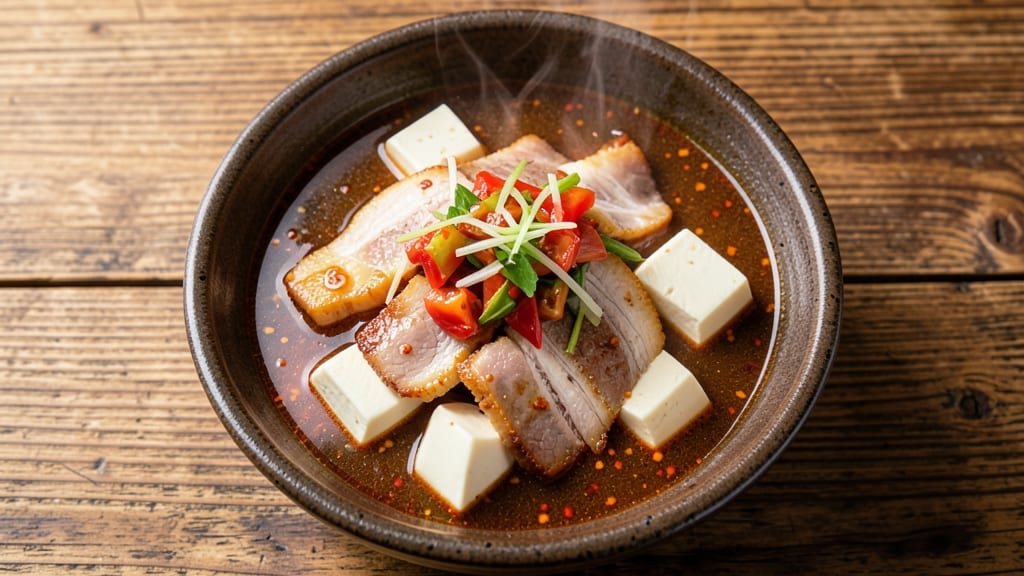
This authentic kimchi soup recipe brings the bold, fermented warmth of Korean home cooking to your table—where every spoonful delivers a perfect balance of spicy, tangy, and umami-rich flavors.
The secret lies in the layered ingredients: fermented kimchi (the soul of the dish), doenjang (fermented soybean paste) for depth, and celery crowns that add a delicate crunch.
I’ve perfected this version after years of testing, ensuring the broth is rich without being heavy, and the heat is balanced so it’s comforting yet invigorating.
The beauty of this recipe is its authentic simplicity—no shortcuts, just traditional techniques. You’ll start with a fragrant broth built from scratch (or use a high-quality anchovy-based dashi for authenticity), then layer in kimchi, tofu, and pork belly for texture.
The celery crown topping isn’t just decorative; it adds a refreshing contrast to the spicy broth, making each bite feel like a well-rounded experience. Whether you’re serving it as a hearty meal or a side to grilled meats, the flavors develop even better the next day.
What sets this kimchi soup apart is the harmony of textures and temperatures—creamy tofu, tender pork, crisp celery, and the slight bite of raw kimchi all work together in perfect balance.
The broth simmers just long enough to meld flavors without losing brightness, while the gochujang (Korean chili paste) adds a slow-building warmth that lingers. This isn’t just soup; it’s a restaurant-quality dish that feels like a hug in a bowl, especially on cold days.
For those who love customization, you can adjust the spice level by adding more gochugaru (Korean chili flakes) or swap in mushrooms for a vegetarian version—though the traditional meat elements are what make it truly special. Let’s get cooking and bring the heart of Korea to your kitchen.
Ingredients for authentic kimchi soup
Fermented kimchi, doenjang, and celery crowns—three key ingredients that transform this into restaurant-quality comfort.
| Ingredient | Amount | Notes |
|---|---|---|
| Fermented Kimchi 🥬 | 3 cups | Packed, with juices included |
| Doenjang (Fermented Soybean Paste) 🥫 | ⅓ cup | Traditional Korean fermented paste |
| Silken Tofu 🧈 | 1 block | Firm, cut into 1-inch cubes |
| Pork Belly 🥓 | 8 oz | Thinly sliced, skin removed |
| Korean Chili Flakes (Gochugaru) 🌶️ | 1 tbsp | Adjust for spice preference |
| Gochujang (Korean Chili Paste) 🌶️ | 1 tbsp | For depth and color |
| Celery Crowns 🧅 | 2 whole | Fresh, thinly sliced lengthwise |
| Fresh Ginger 🧄 | 1 inch | Thinly sliced, peeled |
| Green Onions 🧅 | 3 whole | Thinly sliced for garnish |
| Sesame Oil 🫒 | 1 tbsp | For finishing |
| Dashi Broth 💧 | 4 cups | High-quality anchovy-based |
| Sea Salt 🧂 | 1 tsp | Adjust to taste |
| White Rice 🍚 | 1 cup | Cooked, for serving |
The kimchi is non-negotiable here—look for vibrant, tangy, and slightly spicy varieties at Korean grocery stores or the refrigerated section of well-stocked markets. Hanjin or Jinchuan brands are my go-to for that perfect balance of funk and heat. Doenjang, that fermented soybean paste, is the umami bomb—find it in the refrigerated section of Asian markets, not the shelf-stable aisle. If you can't locate it, miso paste in a pinch, but it won't be the same. The silken tofu should be firm, not silky—Hodo or Nasoya brands are reliable, and always check the 'best by' date since it's perishable.
No pork belly? Substitute with thinly sliced mushrooms for a vegetarian version, but the texture won't be identical. Running low on gochujang? Mix 1 tbsp sriracha with 1 tsp soy sauce for a quick stand-in, though it lacks the depth. Fresh ginger is crucial—dried won't cut it—but if you must, use half the amount. The celery crowns should be crisp; submerge them in ice water for 10 minutes before slicing to keep them from wilting. For the broth, Haus or Ajinomoto dashi granules work perfectly if you're short on time, but homemade is where the magic happens.
This soup tastes even better the next day as flavors meld—portion into airtight containers and store for up to 5 days in the fridge. Freezes beautifully for 3 months, though the celery crowns will get soggy, so add them fresh when reheating. For serving, keep the celery crowns separate until the last minute—toss them in just before eating to maintain that perfect crunch. The pork belly and tofu can be pre-cooked and stored separately, then reheated in the broth for a quick assembly.
Why You'll Love This Recipe
- Few Ingredients, Big Bang: I swear by this—just five core ingredients (plus water) transform into something magical. The kimchi’s tang cuts through the pork belly’s richness, while the doenjang adds that deep, savory umami without needing a spice rack.
- Umami Explosion: That first spoonful of doenjang and pork belly simmering with kimchi? It’s like a flavor hug. The gochugaru brings heat, but the silken tofu cools it into a balanced, soul-warming bite—no overpowering spice here.
- Leftovers That Beg for More: Between us, this soup only tastes better the next day. The flavors meld overnight, and reheating it takes two minutes. I make a double batch on Sundays because my kids (and my lunchbox) demand it all week.
- Budget-Friendly Protein Power: Pork belly might sound fancy, but a single slab stretches across two servings. Add silken tofu for extra filling, and you’ve got a meal that costs less than takeout but feels like a celebration. My wallet and taste buds win.
Step-by-step instructions for authentic kimchi soup with celery crown topping
Here's how to build this deeply flavorful soup where fermented kimchi's tangy punch meets umami-rich pork belly and silken tofu.
Prepare the Celery Crown Topping
Take the 2 whole celery crowns and slice each lengthwise into thin strips, about ¼-inch thick. You'll want to cut through the tough outer strings carefully to create delicate, translucent ribbons. These will become the signature topping that adds refreshing crunch and visual contrast to the rich soup base.
Set the sliced celery crowns aside on a plate. We'll add them just before serving to preserve their crisp texture - they should remain vibrant and slightly crunchy when eaten. This preparation step is crucial as it transforms a simple vegetable into an elegant garnish that balances the soup's bold flavors.
Build the Soup Base with Fermented Ingredients
In a large pot, combine the 3 cups fermented kimchi with its juices, the 0.33 cup doenjang, 1 tablespoon gochujang, and 1 tablespoon gochugaru. Stir vigorously to distribute the soybean paste and chili elements evenly throughout the kimchi mixture. This combination creates the foundational umami-spicy flavor profile that defines authentic kimchi soup.
Add the 8 oz thinly sliced pork belly and 1 inch sliced ginger to the pot. Bring everything to a boil over medium-high heat, then immediately reduce to medium heat. Let it simmer uncovered for 10 minutes, stirring occasionally. You'll notice the pork belly begin to render its fat, creating a glossy sheen on the surface and infusing the broth with rich, savory depth.
Infuse with Dashi and Season
Pour in the 4 cups dashi broth and add the 1 tsp sea salt. Stir well to combine, then add the 1 block silken tofu cut into 1-inch cubes. Return to a gentle simmer and cook for 15 minutes. The silken tofu should become warm throughout but remain intact - it should hold its shape while absorbing the surrounding flavors.
During this time, the soup will develop its characteristic aroma - a complex blend of fermented funk, smoky pork fat, and subtle ginger notes. Taste the broth after 10 minutes and adjust seasoning if needed, adding a pinch more salt or a sprinkle of gochugaru if you desire more heat. The soup should be balanced between tangy, spicy, and umami with a touch of saltiness.
Finish and Serve with Celery Crown Topping
Remove the pot from heat and let the soup rest for 5 minutes. This resting period allows the flavors to meld completely and the pork belly to finish rendering its fat. Just before serving, drizzle with 1 tablespoon sesame oil and sprinkle with the sliced green onions.
Ladle the hot soup into bowls, placing ¼ cup cooked white rice at the bottom of each bowl. Top each serving immediately with the prepared celery crown strips. The contrast between the warm, spicy soup and the cool, crisp celery creates an unforgettable textural experience. Serve with additional green onions on the side for those who prefer less garnish in their first bite.
Pro Tips For Making Authentic Kimchi Soup
- Bloom the Doenjang: Stir it into a few tablespoons of hot water first—don’t just toss it in cold. My first few batches tasted flat because I skipped this; now I swear by letting that paste dissolve into a rich paste before adding it to the broth. (Yes, even if you’re impatient like me.)
- Sear Pork Belly Properly: Get that belly fat crackling and golden—no wimpy simmering. I learned the hard way: low heat just makes it greasy. Hit medium-high until the edges darken, then flip once. That’s when the flavor locks in.
- Rinse Kimchi Judiciously: Only rinse if it’s actually too salty—most store-bought kimchi is fine as-is. I used to overcompensate and dilute the tang; now I taste first. If you must rinse, do it quickly and drain well.
- Cube Tofu Evenly: Cut silken tofu into 1-inch chunks—no tiny crumbles, no giant hunks. I was skeptical until I tried it: even cooking means no mushy bits or undercooked centers. (Your future self will thank you.)
Storing and reheating this authentic kimchi soup
Fridge Storage Tips
Let your kimchi soup cool completely before transferring to airtight glass containers—I use Le Parfait jars for their tight seals. Store in the fridge for up to 5 days, but the flavors actually deepen overnight as the kimchi's funk melds with the broth.
The celery crowns should be kept separate and added fresh when reheating to maintain their crunch. 🥬
Freezer Prep Tricks
For long-term storage, freeze the soup without the celery crowns or rice. Use quart-sized freezer bags with 1-inch headspace to prevent expansion cracks. Label with the date—this soup keeps its quality for 3 months in the freezer.
When ready to eat, thaw overnight in the fridge, then reheat gently on the stovetop. 🧊
Reheating Methods
For best results, reheat on the stovetop over medium-low heat with a splash of water or broth to prevent sticking. Stir frequently to distribute heat evenly—this soup reheats beautifully and maintains its rich texture.
If using the microwave, cover with a damp paper towel and heat in 1-minute intervals, stirring between each, until reaching 165°F. 🔥
Reviving Celery Toppings
If you froze the soup with celery crowns (not recommended), thaw them separately in cold water before reheating. For freshly prepped celery, slice just before serving and store the whole crowns in a damp paper towel in the fridge for up to 3 days.
The crispness is key—no soggy garnishes here! 🧅
Make-Ahead Broth
Pre-make the broth base (kimchi, doenjang, pork, and dashi) and store it separately from the tofu and celery. Reheat the broth to 195°F, then add fresh tofu and celery crowns just before serving.
This shortcut saves time while keeping the dish restaurant-fresh. The pork belly stays tender when reheated properly. ✨
Portion Control
Divide the soup into single-serving portions before freezing or refrigerating. This makes reheating easier and prevents overcooking. For leftovers, I like to store them in small glass jars—they heat up faster and are perfect for lunches. Just
Nutrition facts
Frequently asked questions
Can I make this kimchi soup vegetarian?
Swap the pork belly for 8 oz sliced mushrooms (shiitake or oyster work best) and use vegetable dashi instead of anchovy-based broth. Keep the doenjang for umami depth, but reduce it to 2 tablespoons to avoid overpowering flavors. The celery crown topping and silken tofu will maintain the dish's signature texture contrast.
What makes this kimchi soup more authentic than others?
Three key elements set this recipe apart: doenjang (fermented soybean paste) for authentic umami, celery crowns as a traditional topping, and the proper balance of gochujang and gochugaru. Many recipes skip the celery or use miso instead of doenjang, which changes the flavor profile completely. The 10-minute simmer with pork belly also creates that signature rich broth.
Can I use store-bought kimchi?
Yes, but choose high-quality refrigerated kimchi with vibrant color and strong fermentation smells. Avoid shelf-stable kimchi—it lacks the depth of flavor needed for authentic soup. Look for brands like Hanjin or Jinchuan at Korean markets. If your store-bought kimchi is too mild, add ½ teaspoon extra gochugaru to boost the spice level.
Why does my kimchi soup taste too salty?
The most likely culprits are doenjang or dashi—both are naturally salty. Start by tasting your broth before adding salt. If needed, dilute with ½ cup water and simmer for 5 minutes to balance flavors. For future batches, reduce doenjang to ¼ cup or use low-sodium dashi. The kimchi's natural brine also contributes to saltiness.
How do I adjust the spice level?
For milder heat, reduce gochugaru to ½ teaspoon and skip extra gochujang. For extra spice, add ½ teaspoon more gochugaru during simmering or serve with extra gochujang on the side. If using pre-made kimchi that's too spicy, balance it with 1 extra tablespoon doenjang—its savory notes help mellow the heat. Always taste as you go!