
Soups & Stews
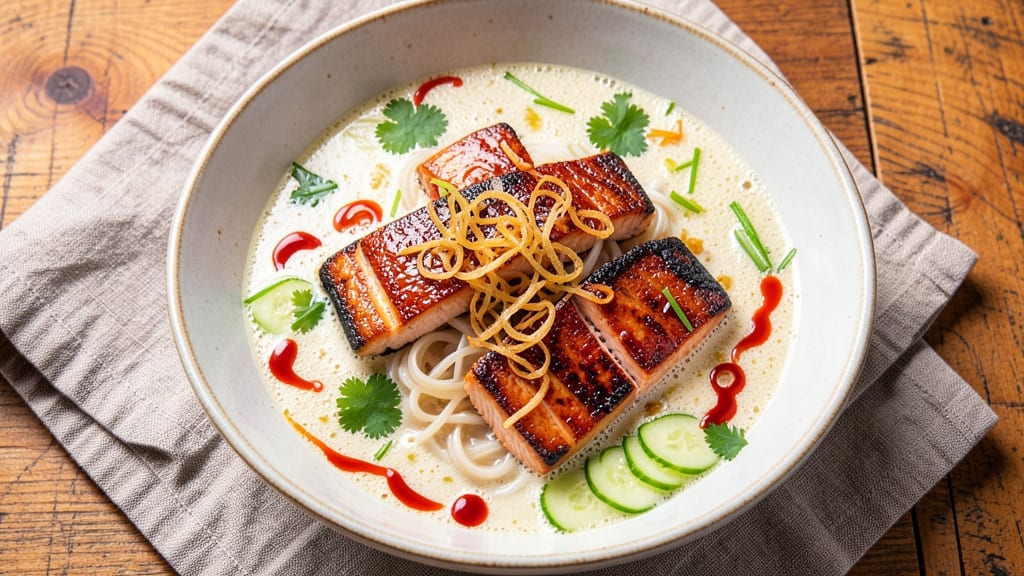
This Asian salmon soup recipe delivers the perfect balance of fragrant lemongrass and ginger, creating a silky broth that transforms tender salmon into melt-in-your-mouth flakes. The secret lies in slow-simmered aromatics that infuse every spoonful with bright, complex flavors—no shortcuts, just restaurant-quality depth.
I've refined this recipe over years of testing, ensuring the broth remains clear and vibrant while the fish stays delicate yet substantial.
The foundation is a fragrant broth built with fresh ginger, lemongrass, and garlic that simmers until the flavors meld into something truly aromatic. We'll use coconut milk for creaminess without heaviness, and a touch of fish sauce to deepen the umami.
The salmon cooks just until it flakes easily, absorbing the broth's flavors while maintaining its natural elegance. This isn't just soup—it's a complete meal in one bowl.
What makes this recipe special is its versatility. The broth works beautifully with tofu for vegetarians, or you can add mushrooms for extra earthiness. Garnish with fresh cilantro, lime wedges, and chili flakes to elevate each bowl.
The result is a dish that's both comforting and sophisticated, perfect for weeknight dinners or special occasions when you want something elegant yet approachable.
Ready in about 45 minutes, this soup requires minimal prep but delivers maximum flavor impact. The slow simmering develops rich, layered aromatics while keeping the broth light and refreshing—ideal for any season. Let's create a bowl that feels like a warm embrace after a long day.
Ingredients for asian salmon soup
Fresh ginger, lemongrass, and salmon come together for a soup that tastes like a warm hug.
| Ingredient | Amount | Notes |
|---|---|---|
| Wild-Caught Salmon Fillets 🐟 | 1 ½ lb | Skin-on for better texture |
| Fresh Ginger Root 🧄 | 2 tbsp | Grated, peeled, fresh only |
| Lemongrass Stalks 🌿 | 3 whole | Bruised, bottom 3 inches only |
| Garlic Cloves 🧄 | 6 cloves | Peeled, minced finely |
| Coconut Milk 🥥 | 1 can | Full-fat, 13.5 oz can |
| Fish Sauce 🍶 | 1 tbsp | Red Boat preferred |
| Vegetable Broth 💧 | 4 cups | Low-sodium preferred |
| Lime Juice 🍋 | 2 tbsp | Freshly squeezed |
| Fresh Cilantro 🌿 | ¼ cup | Chopped, stems removed |
| Red Chili Flakes 🌶️ | 1 tsp | Adjust to taste |
| Sesame Oil 🫒 | 1 tsp | Toasted, for aroma |
| Green Onions 🧅 | 3 whole | Thinly sliced, white and green |
| Salt 🧂 | 1 tsp | Kosher or sea salt |
| Black Peppercorns 🌶️ | ½ tsp | Freshly ground |
The salmon is key here—wild-caught makes all the difference. Costco or local fishmongers usually have the best fillets, but any quality supermarket brand works. Look for bright pink flesh and firm texture. The ginger and lemongrass need to be fresh—no dried substitutes here. Asian markets often have the best lemongrass stalks, but the regular grocery store usually has them too. Bruise the lemongrass with the side of your knife before adding to release those amazing oils. For the coconut milk, full-fat is non-negotiable—it gives that silky texture we're going for.
No fresh ginger? Powdered works in a pinch, but it's not the same—you'll lose that bright, zesty kick. Swap the fish sauce for soy sauce plus a pinch of sugar if you're avoiding it, though you'll lose some depth. The vegetable broth can be homemade or store-bought, but low-sodium is crucial—we're building flavor here, not drowning it. No sesame oil? Toasted sesame seeds sprinkled at the end give a similar aroma. The lime juice is best fresh-squeezed, but bottled works if you're in a hurry—just taste it first.
This soup tastes even better the next day as the flavors meld. Store leftovers in an airtight container in the fridge for up to 3 days. Freezes beautifully for 3 months—just thaw overnight in the fridge before reheating. I always double the recipe because it disappears fast. The broth keeps for 2 days in the fridge if you want to make it ahead—just add the salmon and coconut milk when you're ready to serve.
Why You'll Love This Recipe
- Fewer Ingredients, Bigger Payoff: I swear by this recipe—just five core ingredients (plus whatever you have lying around) transform into something restaurant-worthy. That first whiff of lemongrass and ginger simmering with garlic? It’s like a flavor shortcut, and honestly, I don’t even miss the extra prep.
- Creamy Without the Guilt: The coconut milk makes this soup dangerously rich, but it’s the salmon that keeps it light. Wild-caught fillets stay tender and flaky, so you get that buttery melt-in-your-mouth texture without the heavy cream. (Yes, even my health-conscious sister approves.)
- Leftovers That Don’t Suck: Between us, most soups turn sad after day two. Not this one. The flavors actually deepen—ginger gets mellow, lemongrass stays bright, and the salmon reheats like it’s fresh. I make a double batch on Sundays and still have lunch covered by Wednesday.
- Weeknight to Date Night: Throw it together while your rice cooks (seriously, it’s that unfussy). Serve it with a side of steamed greens for a quick weeknight meal, or add a splash of fish sauce and lime for a restaurant-worthy dish when company’s over. One pot, endless uses.
Step-by-step instructions for Asian salmon soup
Here's how to create a fragrant, silky soup with perfectly flaked salmon and aromatic ginger-lemon broth.
Build the Aromatic Base
Heat the 1 tablespoon sesame oil in a large pot over medium heat until shimmering. Add the 2 tablespoons grated fresh ginger root and cook for 1 minute until fragrant—you'll smell that bright, zesty aroma. Add the 6 cloves minced garlic and cook for another 30 seconds until just golden.
Here's the thing—don't let the garlic burn. It should smell sweet and nutty, not bitter. If it starts to darken too quickly, reduce the heat slightly. Add the bottom 3 inches of 3 bruised lemongrass stalks and stir for 1 minute to release their citrusy oils. This aromatic base is the soul of your soup.
Develop the Broth
Pour in the 4 cups vegetable broth and bring to a gentle boil. Once boiling, reduce heat to medium-low and add the 1 can coconut milk and 1 tablespoon fish sauce. Stir well and let it simmer for 5 minutes—this lets the coconut milk bloom and the fish sauce mellow.
Taste the broth now. It should be savory but not salty, with a hint of coconut creaminess. If it needs more depth, add a pinch of the 1 teaspoon salt or a splash more fish sauce. The broth should coat the back of a spoon with a velvety texture. This is your foundation, so take your time getting it right.
Cook the Salmon Perfectly
While the broth simmers, prepare the 1.5 lb wild-caught salmon fillets. Pat them dry with paper towels—this ensures a better sear. Season both sides generously with the remaining 1 teaspoon salt and 0.5 teaspoon freshly ground black peppercorns. Gently press the seasoning into the flesh so it adheres.
Add the salmon skin-side down to the simmering broth. Cook for 4-5 minutes until the skin is crispy and the flesh flakes easily with a fork. Here's the trick: don't overcook. The salmon should still be slightly translucent in the center—it'll finish cooking in the residual heat. Once done, remove the salmon and let it rest for 2 minutes before flaking with a fork into large, silky pieces.
Finish with Fresh Flavors
Return the broth to a gentle simmer. Stir in the 2 tablespoons freshly squeezed lime juice and 1 teaspoon red chili flakes, adjusting the heat to taste. The lime brightens the coconut and balances the richness, while the chili adds a subtle kick. Add the 3 whole thinly sliced green onions and cook for 1 minute to soften slightly.
Just before serving, stir in the 0.25 cup chopped fresh cilantro. This adds a fresh, herbal note that cuts through the richness. Taste one final time and adjust seasoning if needed—you're aiming for a balance of sweet, salty, sour, and spicy. The soup should be vibrant and inviting, with layers of flavor in every spoonful.
Serve with Style
Ladle the soup into bowls, dividing the flaked salmon evenly among servings. Garnish each bowl with an extra sprinkle of chopped cilantro and green onions. Serve immediately while the broth is steaming and the salmon is still warm—this ensures the perfect texture and temperature.
This soup is all about contrast: the crispy salmon skin against the silky broth, the bright lime against the creamy coconut, and the fresh herbs against the rich fish flavors. Each bite should deliver a harmonious blend of textures and tastes that make you want to savor every spoonful. Enjoy it with crusty bread to soak up every last drop of that delicious broth.
Pro Tips For Making Asian Salmon Soup
- Sear Salmon First: The soup’s flavor explodes when you sear the salmon skin-side down in a dry pan for 2-3 minutes before adding liquid. That crispy skin adds texture and depth—skip it, and you’re missing half the soul of the dish.
- Slice Ginger Thinly: Use a mandoline or sharp knife to cut ginger into paper-thin slices, not matchsticks. Thin slices infuse faster and don’t overpower the broth—thick chunks just sit there, stubbornly undercooked.
- Simmer, Don’t Boil: Once the coconut milk hits the pot, keep the heat low enough that you see tiny bubbles breaking the surface, not a rolling boil. High heat curdles coconut milk like it’s 1998 again—smooth, creamy soup depends on patience.
- Save Time with Frozen Lemongrass: Fresh lemongrass is a pain to prep, so buy the frozen stalks (yes, they work). Thaw and chop them like fresh—no extra effort, same bright citrusy punch. Your future self won’t curse you for buying the whole stalk.
Best sauces and condiments for this recipe
Coconut Milk Magic
The full-fat coconut milk is the secret weapon here—it adds luxurious creaminess without making the soup heavy. I like using Thai Kitchen brand because it's rich but not overly sweet.
For a lighter version, stir in ¼ cup unsweetened almond milk at the end to balance the richness while keeping that velvety texture. 🥥
Fish Sauce Depth
Red Boat fish sauce is my go-to for its clean, umami-rich flavor, but Three Crabs is a great alternative. If you're avoiding fish sauce, substitute with 1 tablespoon soy sauce plus ½ teaspoon sugar—though you'll lose some depth. Taste as you go: start with ½ tablespoon, then adjust. The goal is savory, not salty.
Lime Brightness
Fresh lime juice is non-negotiable for that zesty kick, but if you're in a pinch, bottled lime juice works in a bind. For extra brightness, add 1 teaspoon lime zest when finishing the soup. The acidity cuts through the coconut's richness and balances the fish flavors beautifully. 🍋
Spicy Kick Options
Adjust the red chili flakes to taste—start with ½ teaspoon if you prefer mild heat. For a different spicy profile, swap in 1 teaspoon sambal oelek (for smoky heat) or ½ teaspoon gochugaru (for Korean-style depth).
A dash of sriracha at the end also works if you want a smoother heat. 🌶️
Herb Variations
Fresh cilantro is classic, but Thai basil adds a sweeter, anise-like note that pairs wonderfully with the coconut. For a more delicate herb, try mint—just add it at the very end to preserve its freshness.
If you're out of cilantro, green onions alone still work, but the herbs really elevate the dish.
Umami Boosters
For extra depth, add 1 teaspoon miso paste (white or red) when simmering the broth, or stir in 1 tablespoon oyster sauce at the end. Both add a savory complexity that makes the soup even more satisfying. Just be mindful of saltiness—taste before adding more seasoning.
Nutrition facts
Frequently asked questions
Can I substitute fresh ginger with powdered ginger?
Fresh ginger is ideal for its bright, zesty flavor, but you can use 1 teaspoon powdered ginger if needed. Just add it with the garlic—powdered ginger lacks the same depth, so you might want to add a pinch of extra salt to compensate. For best results, use fresh whenever possible.
How do I adjust this recipe for spicier or milder heat?
Start with ½ teaspoon red chili flakes for mild heat, or double to 2 teaspoons for a spicier kick. For extra depth, swap in 1 teaspoon sambal oelek (smoky) or ½ teaspoon gochugaru (Korean-style). Always taste before serving—you can always add more, but you can't remove it!
Can I make this soup ahead of time?
The broth can be made 2 days in advance and stored in an airtight container. Reheat gently on the stove, then add the salmon and coconut milk just before serving. For best texture, don't freeze the salmon—it gets rubbery when thawed. The soup actually tastes better the next day as flavors meld!
What if I don't have fresh lemongrass?
You can substitute with 1 teaspoon lemongrass paste (found in Asian markets) or ½ teaspoon lemon zest plus ½ teaspoon lime zest. For a different flavor profile, add 1 extra stalk of celery (chopped) or ½ teaspoon citronella oil (if available). The dish will still be delicious but with a slightly different aromatic profile.
How do I keep the salmon from overcooking?
Salmon cooks fast—remove it from the broth as soon as it flakes easily with a fork (4-5 minutes). Let it rest for 2 minutes before flaking. Overcooked salmon turns opaque and dry. If using thicker fillets, reduce time to 3-4 minutes. Always cook skin-side down first for crispiness!