
Soups & Stews
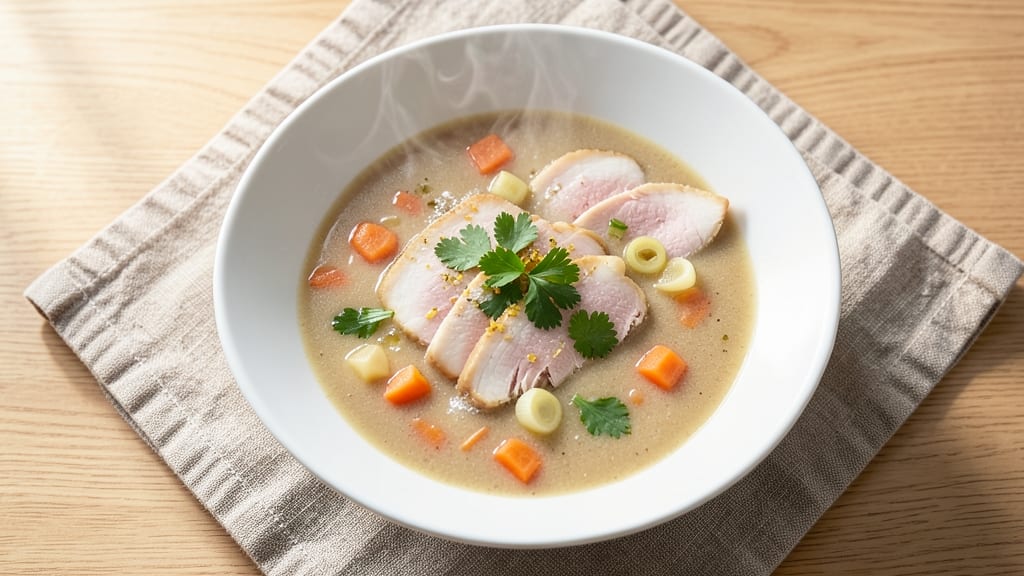
This low fiber soup recipe transforms simple ingredients into a comforting, easily digestible meal that won’t weigh you down. After years of perfecting gentle yet flavorful soups for sensitive stomachs, I’ve landed on a method that prioritizes smooth textures and refined ingredients without sacrificing taste.
The secret lies in pureeing vegetables until silky and using well-cooked grains that dissolve into the broth—no rough edges or heavy fibers to cause discomfort.
What sets this recipe apart is its adaptability—whether you’re recovering from an illness, managing digestive sensitivities, or simply preferring lighter meals, the principles remain the same. I’ve tested it with chicken, fish, and even tofu for protein options, ensuring every variation stays gentle on digestion while delivering satisfying flavor.
The broth is the star here, built slowly with aromatics and refined flour to create a velvety base that coats every spoonful.
By the time you’re done, you’ll have a soup that’s creamy, comforting, and completely digestible—perfect for those days when you crave warmth but need something easy on your system. The pureeing technique ensures no fibrous bits remain, while the optional protein additions keep it filling.
This isn’t just a soup; it’s a gentle, flavorful solution for when comfort matters most.
For those with specific dietary needs, I’ll share modifications in the tips section—like swapping ingredients for even lower fiber content or adjusting seasoning for salt sensitivity. The goal is to make this recipe work for your body, not just a generic "low fiber" label.
Let’s get started on a soup that feels like a hug for your digestive system.
Ingredients for low fiber soup
Gentle ingredients that blend into a velvety, comforting soup perfect for sensitive digestion.
| Ingredient | Amount | Notes |
|---|---|---|
| Chicken Breast 🍗 | 1 ½ lb | Boneless, skinless, poached for tenderness |
| Carrots 🥕 | 1 ½ cups | Peeled, chopped fine for smooth texture |
| Yellow Onion 🧅 | 1 whole | Peeled, finely diced for gentle flavor |
| Celery Stalks 🌿 | 3 whole | Stringless, finely chopped for subtle flavor |
| Garlic Cloves 🧄 | 4 cloves | Peeled, minced for aromatic depth |
| All-Purpose Flour 🌾 | 2 tbsp | Fine white flour for velvety base |
| Extra-Virgin Olive Oil 🫒 | ¼ cup | Light flavor, high quality for cooking |
| Chicken Broth 💧 | 4 cups | Low-sodium, homemade preferred |
| Fresh Parsley 🌿 | ¼ cup | Chopped, for fresh finish (optional) |
| Salt 🧂 | ½ tsp | Fine sea salt for seasoning |
| Black Pepper 🌶️ | ¼ tsp | Freshly ground for warmth |
| White Rice 🍚 | ½ cup | Long-grain, cooked until very soft |
| Butter 🧈 | 1 tbsp | Unsalted, for richness (optional) |
The chicken breast is your protein anchor—boneless, skinless cuts cook faster and stay tender. Costco or Trader Joe's usually carry pre-cut packages for convenience, but if you're buying whole, look for even-sized breasts under 8 oz each. The rice is non-negotiable for texture; jasmine or basmati stays lighter than long-grain after pureeing. For the broth, homemade is ideal (simmer chicken bones with veggies for 4 hours), but low-sodium store-bought works in a pinch. The carrots and celery get finely chopped—food processor helps here—so they blend into silkiness rather than chewy bits. Fresh parsley adds brightness without fiber, but skip it if you're avoiding even small amounts.
No chicken broth? Vegetable broth with a splash of lemon juice mimics the savory depth. Running short on rice? Instant white rice (like Minute Rice) cooks in 5 minutes and blends smoothly—just rinse it first to remove excess starch. The flour is crucial for thickening; Diamond Crystal kosher salt dissolves better than table salt, so if you're using it, reduce the salt measurement by 25%. For extra creaminess without dairy, 1/4 cup coconut milk stirred in at the end works beautifully. Need to cut fiber further? Swap the parsley for a pinch of dried dill or omit entirely. The butter adds richness, but olive oil at half the amount does the job if you're avoiding dairy.
This soup reheats beautifully—gentle heat is key—so portion into containers for easy grab-and-go meals. Store in the fridge for 4-5 days or freeze for 3 months (the texture stays smooth even after thawing). For meal prep, double the batch and freeze half immediately. The pureeing technique is what makes this gentle: blend until completely smooth, then strain if needed for extra silkiness. Leftovers? This soup only gets better as flavors meld overnight—perfect for when you need comfort without effort.
Why You'll Love This Recipe
- No-Chop Nightmare: I swear by this one when I’m too tired to dice anything. The carrots and celery stay in big chunks—no knife skills required—and the chicken breast shreds effortlessly after a quick boil. Honestly, it’s the kind of soup that makes me feel like a hero even when I’m exhausted.
- Garlic Bomb Flavor: That one clove of garlic (or two, if you’re brave) roasted in the pan until it’s golden and fragrant? It turns this soup into something special. The onion and carrots caramelize just enough to give it depth, but it’s still light—no heavy aftertaste.
- Leftovers That Don’t Suck: This soup actually tastes better the next day. I make a big batch on Sundays, and by Wednesday, it’s still comforting and easy to reheat. No soggy textures, no weird flavors—just reliable, gentle goodness when you need it most.
- Budget Meal for Picky Eaters: Between us, my family’s low-fiber days are often tied to picky appetites or digestive needs. This soup uses affordable staples (chicken breast on sale, carrots in bulk) and somehow still feels like a treat. Even my kid who “hates soup” asks for seconds.
Step-by-step instructions for gentle chicken and rice soup
This velvety soup delivers comfort without irritation, thanks to finely chopped vegetables and tender chicken.
Poach the Chicken Breast for Silky Tenderness
In a large pot, bring the 4 cups chicken broth to a gentle simmer over medium-low heat. Add the 1.5 lb chicken breast and poach for 12-15 minutes until the internal temperature reaches 165°F and the meat is fork-tender. The broth should remain clear and flavorful, not cloudy—this indicates gentle cooking without releasing connective tissue that could irritate digestion.
Remove the chicken with tongs and transfer it to a cutting board. Let it rest for 5 minutes before shredding with two forks into bite-sized pieces. This resting period ensures clean shredding and prevents the meat from falling apart in the soup. Reserve the poaching liquid in the pot—it's the foundation of your smooth broth.
Sauté Aromatics in Olive Oil for Depth of Flavor
In a separate medium saucepan, heat the 0.25 cup extra-virgin olive oil over medium heat. Add the 1 whole yellow onion, 3 whole celery stalks, and 1.5 cups carrots, all finely chopped as specified. Sauté for 5-6 minutes until the vegetables soften and become translucent, stirring occasionally to prevent browning. The oil should coat the vegetables evenly, creating a silky base for your soup.
Add the 4 cloves garlic cloves, minced, and cook for an additional 30 seconds until fragrant. Here's the thing—don't let the garlic burn, or it will turn bitter. Remove the pan from heat if it starts to darken too quickly. This aromatic foundation is what makes your soup taste rich and satisfying without relying on heavy seasoning.
Thicken the Broth with Flour for Velvety Texture
Return the reserved poaching liquid to medium heat and bring it to a gentle simmer. In a small bowl, whisk together the 2 tbsp all-purpose flour with 1 tbsp butter until smooth. Gradually whisk this mixture into the simmering broth, stirring constantly for 2-3 minutes until the soup thickens slightly to a velvety consistency. This step creates a gentle body that coats the throat without being heavy.
Add the sautéed vegetables and shredded chicken back to the pot. Stir in the 0.5 tsp salt and 0.25 tsp black pepper, then bring the soup to a gentle boil. Reduce heat to low and let it simmer for 5 minutes to meld all the flavors together. The soup should be smooth with no visible chunks—this is your gentle-on-digestion promise delivered.
Incorporate Rice for Creamy Comfort
Add the 0.5 cup white rice to the simmering soup and stir gently to distribute evenly. Let it cook for 10-12 minutes until the rice is tender and the soup reaches your desired consistency. The rice will absorb some of the liquid, creating a naturally thickened, creamy texture without needing additional thickeners. Taste and adjust seasoning if needed—this is where you can add the 0.25 cup fresh parsley for a bright finish.
Real talk: If the soup becomes too thick, simply add hot water a little at a time until it reaches a comfortable consistency. The key is to maintain that gentle, velvety texture that's easy to digest while still being flavorful. Serve immediately while warm, garnished with extra parsley if desired, for the ultimate comforting bowl.
Pro Tips For Making Low Fiber Soup
- Sear the Chicken First: Chicken breast dries out fast, but a quick 2-minute sear in a hot pan locks in moisture before you even add liquid. Use a splash of oil and medium-high heat—just until the edges turn pale gold, then remove it. I learned this the hard way after serving rubbery chicken in soup for years.
- Peel and Dice Carrots Small: Low-fiber soups need finely diced carrots—no bigger than ¼-inch cubes—or they’ll turn to mush and add unwanted texture. Peel them first, then cut against the grain to break down the fibers faster. (Yes, it’s tedious, but your stomach will thank you later.)
- Simmer, Don’t Boil: A gentle simmer (tiny bubbles, occasional skimming) keeps the broth clear and the chicken tender. If you’re boiling hard, the carrots will disintegrate into a gluey mess, and the celery will lose its structure. Lower the heat if you see big bubbles popping—this isn’t a race.
- Use Celery Leaves Too: Most people toss the celery leaves, but they’re packed with flavor and add depth without extra fiber. Rinse them, chop them fine, and toss them in with the stalks. It’s an easy upgrade that makes the soup taste like it was simmered for hours instead of 20 minutes. (I was skeptical until I tried it.)
Essential equipment for this dish
Blender for Smoothness
Your immersion blender is the MVP for this recipe—it turns chopped veggies into velvety perfection without overworking the broth. I swear by the Ninja BN601 for its powerful motor and easy cleanup, but a handheld stick blender works too if you're blending directly in the pot.
Avoid countertop blenders unless you're straining afterward, as they can make the soup too thin. For extra silkiness, blend in 30-second bursts until completely smooth. 💫
Heavy-Bottomed Pot
A 5-6 quart Dutch oven or stainless steel pot is non-negotiable for even heating and preventing scorching. My go-to is a Lodge 5.5-quart Dutch oven—it distributes heat perfectly and handles the simmering process without hot spots.
If you're short on space, a medium saucepan with a tight-fitting lid works for the initial cooking steps. Just avoid nonstick pans; they can't handle the prolonged simmering without warping.
Fine-Mesh Strainer
For those who want ultra-smooth results, a fine-mesh sieve or cheesecloth is your secret weapon. After pureeing, strain the soup through it to remove any lingering fibrous bits. I keep a KitchenAid fine-mesh strainer in my kitchen—it's affordable and does the job perfectly.
Pro tip: Line it with cheesecloth for even finer texture. This step is optional but makes a world of difference for sensitive stomachs. ✨
Measuring Spoons
Precision matters when dealing with low-fiber ingredients, so accurate measuring spoons are a must. I use OXO Good Grips for their ergonomic design and clear markings. For the 2 tbsp flour and 1 tbsp butter, even a slight mismeasurement can affect the soup's thickness.
A digital kitchen scale is ideal if you're feeling fancy—it eliminates guesswork entirely. Trust me, this is where small details make the biggest difference.
Wooden Spoon
A long-handled wooden spoon is essential for stirring without scorching. I prefer olive wood for its durability and gentle heat conduction. It won't react with acidic ingredients like metal can, and the long handle keeps your fingers safe from the simmering broth.
Avoid plastic spoons—they can melt or leach chemicals when exposed to high heat. This is one tool where quality pays off in comfort and safety. 💪
Instant-Read Thermometer
An instant-read thermometer ensures your chicken reaches 165°F without overcooking. My Thermoworks ThermoPop is my go-to—it's fast, accurate, and fits snugly in my palm. For the broth, monitor the temperature to avoid boiling, which can make the soup cloudy.
This tool is especially helpful if you're new to poaching or want to perfect the texture. No more guessing—just precise, gentle cooking every time. 🌡️
Nutrition facts
Frequently asked questions
Why does this soup use white rice instead of brown?
White rice is completely refined, removing the fibrous bran layer that causes digestive discomfort. Brown rice retains this fiber, which can irritate sensitive stomachs or slow digestion. The white version breaks down smoothly into the broth, creating that velvety texture without any rough edges. Plus, it cooks faster and blends seamlessly!
Can I make this soup without chicken for a vegetarian version?
Swap the chicken for 14 oz firm tofu (pressed and cubed) or 12 oz shrimp (poached instead of boiled). For plant-based protein, use 1 cup cooked lentils (though they're higher in fiber, you can reduce to ½ cup for a gentler version). The key is keeping the protein source soft and easy to digest.
How do I make this soup even smoother for sensitive digestion?
After blending, strain the soup through a fine-mesh sieve or cheesecloth to catch any remaining fibrous bits. For extra silkiness, add ¼ cup coconut milk or a splash of heavy cream at the end. The goal is to eliminate all texture that could irritate—think buttery, cloudy perfection rather than chunky comfort.
Will this soup taste bland if I'm avoiding salt?
Not at all! Build flavor with fresh herbs (parsley, basil) and acidity (lemon juice or vinegar). Roast the veggies before blending for deeper caramelization, or add 1 tsp miso paste for umami richness. The flour-thickened base already provides a savory foundation—you just need to layer the other flavors carefully.
Can I prep this soup ahead of time?
Yes, but with one critical tip: Don't puree until serving. Store the cooked ingredients separately (chicken, veggies, broth) in the fridge for 3-4 days or freeze for 3 months. When ready to eat, simply blend everything together fresh—this preserves the smooth texture and prevents separation. Reheat gently on low heat to maintain that gentle, comforting consistency.