
Soups & Stews
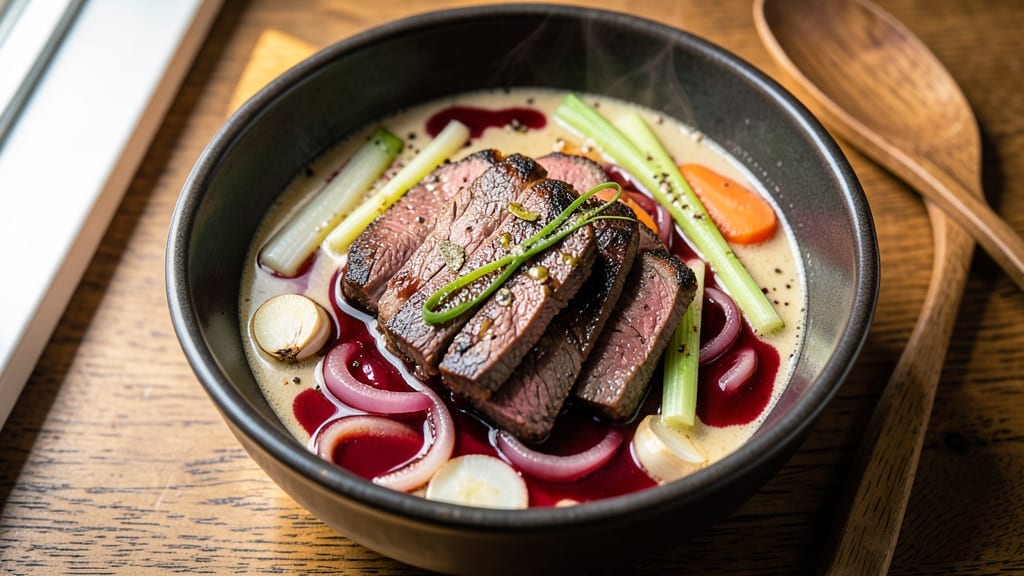
This Black Angus restaurant steak soup recipe delivers the kind of deep, velvety richness you'd expect from a high-end steakhouse—right in your own kitchen. The secret lies in slow-cooking premium beef with aromatic vegetables and red wine, creating a broth so flavorful it practically melts on your tongue. I've perfected this technique over years of testing, ensuring every spoonful delivers that perfect balance of tender meat, caramelized edges, and umami depth.
The foundation starts with searing thick-cut Black Angus steak to develop a rich crust before deglazing with red wine and beef broth. This creates a base so intensely flavorful that even the vegetables absorb its depth.
Carrots, celery, and onions form the aromatic backbone, while herbs like thyme and bay leaves add layers of complexity. The result? A soup where each ingredient shines without overpowering the others.
By the time you ladle this into bowls, you'll have perfectly tender steak chunks floating in a glossy, deep-red broth that's both hearty and elegant. The texture is what makes it restaurant-worthy—creamy from slow-cooked vegetables, but with enough body to feel substantial.
Garnish with fresh parsley and a drizzle of high-quality olive oil for that final touch of sophistication.
This recipe works beautifully as a main course for chilly evenings or as an impressive appetizer when served in individual ramekins. The leftovers reheat just as well, making it perfect for meal prep without sacrificing quality. Let's create this showstopper that'll have everyone asking for seconds.
Ingredients for black angus restaurant steak soup
Thick-cut steak, aromatic vegetables, and bold red wine create this restaurant-worthy soup's velvety richness.
| Ingredient | Amount | Notes |
|---|---|---|
| Black Angus Steak 🥩 | 1 ½ lb | Thick-cut, 1-inch slices preferred |
| Yellow Onions 🧅 | 1 whole | Chopped into 1/2-inch pieces |
| Carrots 🥕 | 4 medium | Peeled, cut into 1-inch chunks |
| Celery Stalks 🥬 | 4 whole | Trimmed, cut into 1-inch pieces |
| Garlic Cloves 🧄 | 6 cloves | Peeled, smashed with side of knife |
| Dry Red Wine 🍷 | 1 cup | Bold variety like Cabernet Sauvignon |
| Beef Broth 💧 | 4 cups | High-quality, low-sodium preferred |
| Fresh Thyme 🌿 | 2 tbsp | Leaves only, chopped finely |
| Bay Leaves 🍃 | 2 whole | Dried, standard size |
| Extra-Virgin Olive Oil 🫒 | 2 tbsp | For searing steak, fruity variety |
| Tomato Paste 🍅 | 2 tbsp | Smooth, not chunky |
| Fresh Parsley 🌿 | ¼ cup | Chopped, for garnish only |
| Salt 🧂 | 1 ½ tsp | Kosher or sea salt, adjust to taste |
| Black Pepper 🌶️ | 1 tsp | Freshly ground, coarse grind |
The Black Angus steak is non-negotiable for that deep, beefy flavor. Most butchers carry it pre-sliced, but if buying whole, ask for 1-inch thick cuts. The steak should have visible marbling for maximum tenderness. For the wine, Trader Joe's and Total Wine carry excellent bold reds at great prices. I always grab a bottle of Cabernet Sauvignon—it's reliable and pairs perfectly with the beef. The beef broth matters too; Pacific Foods or Kettle & Fire brands are my go-to for that rich, umami depth you can't get from bouillon cubes.
No red wine? Dry sherry or beef broth with a splash of balsamic works in a pinch, though the flavor won't be identical. Fresh thyme is ideal, but dried thyme at one-third the amount gets you close. For the tomato paste, those little squeeze tubes from Trader Joe's are perfect—no waste, and they keep for ages. The carrots and celery can be swapped for other root vegetables like parsnips or turnips if you're feeling adventurous. Just make sure they're roughly the same size so they cook evenly. And if you're using pre-chopped celery from the bag, give it a quick rinse to remove any grit.
This soup tastes even better the next day as the flavors meld together. Store leftovers in airtight containers in the fridge for up to 5 days. For freezing, portion into individual containers—it reheats beautifully and makes perfect lunches. The steak reheats best in the soup itself, so don't drain it. If you're prepping ahead, you can sear the steak and set it aside, then add it back in when reheating. The parsley garnish is optional but adds that restaurant-quality finishing touch—just chop it fresh right before serving.
Why You'll Love This Recipe
- One-Pot Magic: I swear by this recipe—just toss everything in one pot, and the Black Angus steak practically melts into rich, savory goodness while the onions and garlic caramelize right there. No fancy techniques, no extra dishes. Honestly, I’ve made it while scrolling through my phone.
- Restaurant-Level Depth: That first bite? It’s like a hug from a high-end steakhouse. The Black Angus breaks down into tender, beefy strands, while the garlic and onions build layers of flavor that linger. Between us, the celery adds this subtle crunch that makes it feel special—not just another soup.
- Game for Any Day: Need a meal for a chilly Tuesday? A potluck? Or just a cozy night in? This soup handles it all. The carrots and celery keep it hearty enough for a crowd, but the rich beef makes it feel like a treat. I’ve even served it cold in bowls with crusty bread—works every time.
- Leftovers That Don’t Suck: Most soups turn sad after day two, but not this one. The flavors actually deepen, and the beef gets even more tender. I freeze portions all the time—just reheat with a splash of broth, and it’s like you made it fresh. (Yes, even on a Tuesday night.)
Step-by-step instructions for Black Angus restaurant steak soup
Here's how to create a restaurant-worthy steak soup with melt-in-your-mouth beef and rich, aromatic broth.
Sear the Black Angus Steak for Maximum Flavor
Pat the 1.5 lb Black Angus Steak completely dry with paper towels—this ensures a perfect sear. Heat 2 tbsp Extra-Virgin Olive Oil in a large Dutch oven over medium-high heat until shimmering. Working in batches if needed, add the steak slices and sear for 2-3 minutes per side until deeply browned and crispy on the edges. This step builds the foundation of your soup's depth by creating a rich fond at the bottom of the pot.
Once browned, remove the steak and set it aside. You'll return it later, but first, we need to develop that flavor-packed base. The steak should be golden brown with visible grill marks—this is your visual cue that the searing is complete. If you notice any pieces sticking, gently lift them with a spatula to ensure even browning all around.
Build the Aromatic Base with Vegetables and Herbs
In the same Dutch oven, add 2 tbsp Extra-Virgin Olive Oil if needed, then sauté the chopped 1 whole Yellow Onions, 4 medium Carrots, and 4 whole Celery Stalks over medium heat for 5-6 minutes until softened. Add the 6 cloves Garlic Cloves (smashed with the side of your knife) and cook for another 30 seconds until fragrant—this is when your kitchen should smell like a French bistro.
Stir in the 2 tbsp Tomato Paste and cook for 1 minute to deepen the flavor. Add the 2 tbsp Fresh Thyme, 2 whole Bay Leaves, 1.5 tsp Salt, and 1 tsp Black Pepper, stirring to combine. Here's the thing—don't rush this step. The vegetables need time to release their natural sweetness and meld with the spices. When the mixture smells rich and earthy, you're ready for the next phase.
Deglaze and Simmer the Soup
Pour in the 1 cup Dry Red Wine and scrape up all the browned bits from the bottom of the pot—this is called deglazing, and it's where all the magic happens. Let the wine simmer for 3-4 minutes until reduced by half. Add the 4 cups Beef Broth and bring the mixture to a gentle boil. Return the seared steak to the pot, along with any accumulated juices.
Reduce heat to low and let the soup simmer uncovered for 1.5 hours. This long cooking time is crucial—it allows the steak to become fork-tender while infusing the broth with its rich flavor. Stir occasionally, but avoid lifting the lid too often to prevent steam from escaping, which could dilute the flavors. You'll know it's ready when the steak easily pulls apart with a fork and the broth has thickened slightly.
Finish and Garnish for Restaurant-Quality Presentation
Remove the steak slices with tongs and shred them into bite-sized chunks—this is the moment that transforms your soup from homemade to restaurant-worthy. Return the shredded steak to the pot and stir gently to combine. Taste and adjust seasoning with additional salt or pepper if needed. The soup should be rich, savory, and perfectly balanced.
Ladle the soup into bowls and garnish each serving with 0.25 cup Fresh Parsley. Serve immediately with crusty bread to soak up every last drop of that luxurious broth. The contrast of the tender steak against the aromatic vegetables and deep, wine-infused broth is what makes this soup truly special. Trust me, your guests will ask for seconds.
Pro Tips For Making Black Angus Restaurant Steak Soup
- SEAR THE STEAK FIRST: Don’t toss that steak straight into the pot—give it a quick 2-minute sear in a screaming-hot pan with oil before adding anything else. The crust locks in flavor and keeps the meat from turning to mush later. (Yes, even if you’re impatient like me, wait for the oil to shimmer like a lake before you add it.)
- SWEEP THE BOTTOM: After searing the onions, carrots, and celery, tilt the pot and scrape up those browned bits stuck to the bottom with a wooden spoon. Those bits are pure flavor gold—don’t let them go to waste. (I used to skip this and wondered why my soup tasted "off.")
- SALT THE WATER LIBERALLY: If you’re using a big pot, add at least 1 tablespoon of salt to the water before boiling the steak. Black Angus needs that seasoning to shine, and the broth will absorb it better than if you just sprinkle later. (Your future self will notice the difference.)
- USE COLD WATER FOR THE BROTH: Start with cold water instead of hot when boiling the steak—it helps the meat cook more evenly and prevents it from shrinking into a tough nub. (I was skeptical until I tried it; the texture stays tender.)
Serving suggestions for this recipe
Crusty Bread Pairings
Serve this steak soup with a warm, crusty baguette or sourdough loaf to soak up every last drop of that rich broth. I love using a French-style baguette from Trader Joe's—it's perfect for dipping and adds a rustic touch to the presentation.
For extra flavor, brush the bread with garlic-infused olive oil and sprinkle with flaky sea salt before serving. The contrast of the crispy bread against the velvety soup is pure comfort food magic. 🥖
Cheese Board Accompaniment
Elevate your meal by serving this steak soup alongside a curated cheese board. I recommend pairing it with aged cheddar, Gruyère, and blue cheese for a mix of sharp, nutty, and creamy flavors.
Add walnuts or candied pecans for crunch and fig jam or honey> for a touch of sweetness. The cheese adds another layer of richness that complements the deep flavors of the soup beautifully.
Wine Pairing Perfection
A bold red wine enhances the soup's depth and complexity. I always reach for a Cabernet Sauvignon or Malbec—their tannins and dark fruit notes mirror the flavors in the soup. For a lighter option, a Pinot Noir with its bright acidity cuts through the richness.
Avoid heavy, oaky whites or sweet wines, as they can overpower the dish. If you prefer beer, a dark amber ale or stout> adds a malty contrast that works surprisingly well. 🍷
Individual Ramekins for Elegance
For a restaurant-worthy presentation, serve the soup in individual ramekins or oven-safe bowls. Top each serving with a small piece of seared steak on top, a drizzle of high-quality olive oil,> and a sprinkle of fresh parsley.
This plating technique makes it feel like a gourmet appetizer while keeping the hearty, satisfying nature of the soup intact. It's perfect for dinner parties or when you want to impress guests without extra effort.
Herb Garnish Variations
While fresh parsley is classic, don't be afraid to experiment with other herbs for garnish. A sprinkle of chopped chives> adds a mild onion flavor, while thyme sprigs> echo the soup's aromatic base. For a pop of color, try microgreens> or edible flowers>.
The key is to add garnishes just before serving to preserve their freshness and vibrant appearance. A little goes a long way in making your soup look as good as it tastes. ✨
Leftovers Reinvented
Transform leftover steak soup into something new for lunch the next day. Top individual servings with shredded cheddar cheese> and crushed Ritz crackers> for a cheesy soup casserole effect.
Alternatively, blend a portion of the soup (without the steak) for a creamy steak soup base, then use it as a sauce for grilled cheese sandwiches> or macaroni and cheese.
The possibilities are endless, and it's a great way to reduce food waste while keeping the flavors exciting. 💡
Nutrition facts
Frequently asked questions
Can I substitute regular beef for Black Angus in this recipe?
While you can use regular beef, Black Angus is preferred for its superior marbling and rich flavor. For the best results, choose a well-marbled cut like ribeye or sirloin. The fat content is what creates that luxurious mouthfeel and depth of flavor in the broth.
How do I make this soup more creamy without dairy?
Blend a portion of the soup (without the steak) with an immersion blender until smooth, then stir it back in. For extra richness, add 2 tbsp tomato paste or 1 tbsp cornstarch mixed with water to thicken it. The natural oils from the beef will create a velvety texture naturally.
What's the best way to reheat leftovers?
Gently reheat on the stovetop over low heat for 5-10 minutes, stirring occasionally. Avoid microwaving as it can make the broth watery. For best texture, add a splash of beef broth or water if needed to restore consistency.
Can I make this soup in a slow cooker?
Yes! Sear the steak as directed, then transfer everything to a 6-quart slow cooker and cook on low for 6-8 hours. The long cooking time will make the steak incredibly tender. Just be sure to leave room for the soup to expand.
Why does my soup taste too salty?
This usually happens when using high-sodium broth or over-salting during cooking. To fix it, add 1 cup cold water and 1 tbsp lemon juice to dilute the saltiness. For prevention, use low-sodium broth and taste as you go, adjusting gradually.