Soups & Stews
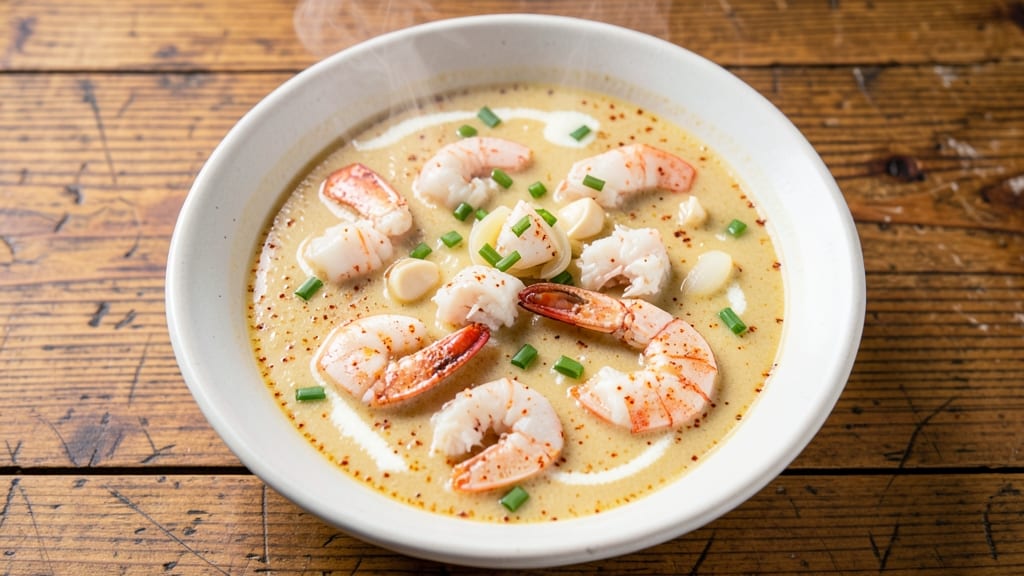
This best Maryland crab soup recipe ever delivers the rich, briny depth of Chesapeake Bay tradition in every spoonful. 🌊 The secret lies in a clarified crab stock infused with Old Bay seasoning, creating a bold, aromatic base that transforms simple ingredients into something extraordinary.
Unlike many recipes, this version uses fresh blue crab meat—not canned—and simmers it just until tender, preserving that delicate sweetness that defines Maryland seafood.
What sets this recipe apart is the two-stage cooking process: first building a velvety roux to thicken the broth, then finishing with a splash of dry sherry that adds complexity without overpowering the crab's natural flavor.
The result is a soup that's creamy yet light, with each bite offering a perfect balance of savory, briny, and slightly sweet notes. Old Bay seasoning isn't just sprinkled on top—it's bloomed in the oil to develop its signature warmth, ensuring every spoonful carries that authentic Maryland zing.
The jumbo lump crab meat stays plump and tender, never rubbery, thanks to precise timing and a touch of lemon juice at the end.
This isn't just another seafood soup—it's a celebration of Maryland's coastal heritage, where every ingredient plays a role in creating that unmistakable, crave-worthy flavor. Serve it steaming hot with a sprinkle of fresh parsley and a side of buttery cornbread to soak up every last drop.
For those who've tried (and failed) with other crab soups, this recipe finally delivers—no thin broths, no overcooked crab, just restaurant-quality richness you can make at home. The techniques are straightforward, but the results are undeniably special, making it worth the effort. Let's get cooking.
Ingredients for best maryland crab soup recipe ever
Jumbo blue crab meat, Old Bay seasoning, and a velvety roux—these are the stars of Maryland's finest soup.
| Ingredient | Amount | Notes |
|---|---|---|
| Fresh Blue Crab Meat 🦀 | 1 ½ lb | Jumbo lump preferred, fresh or previously frozen |
| Old Bay Seasoning 🧂 | 2 tbsp | Authentic Maryland blend, not imitation |
| Unsalted Butter 🧈 | ½ cup | European-style preferred for better flavor |
| All-Purpose Flour 🌾 | ½ cup | Diamond Crystal preferred for better roux |
| Shallots 🧅 | 2 whole | Minced finely for sweetness |
| Garlic Cloves 🧄 | 4 cloves | Freshly minced for aromatic depth |
| Dry Sherry 🍷 | ¼ cup | Amontillado preferred, not sweet |
| Heavy Cream 🥛 | 1 cup | Full-fat for creamy texture |
| Whole Milk 🥛 | 1 cup | Whole milk for richness |
| Fresh Lemon Juice 🍋 | 2 tbsp | Freshly squeezed for brightness |
| Fresh Parsley 🌿 | ¼ cup | Chopped finely for garnish |
| Seafood Stock 💧 | 4 cups | Clarified, homemade preferred |
| Salt 🧂 | 1 tsp | Diamond Crystal kosher salt |
| Black Pepper 🌶️ | ½ tsp | Freshly cracked for heat |
The blue crab meat is non-negotiable—fresh or previously frozen is a must. Local seafood markets or high-end grocery stores like Whole Foods carry the best jumbo lump. If you can't find it, Trader Joe's often has frozen blue crab clusters that work in a pinch. Look for meat that's still plump and moist, not dried out. The Old Bay seasoning? Store-bought is fine, but if you're feeling fancy, you can make your own blend with celery salt, paprika, and cayenne. For the seafood stock, homemade is ideal, but a quality store-bought brand like Knorr Seafood works too—just make sure it's not too salty.
No sherry on hand? Dry white wine or even more seafood stock will work, though the flavor will be slightly different. The roux is where the magic happens—using European-style butter and Diamond Crystal flour gives you that perfect golden color and nutty depth. If you're short on time, you can use half butter, half olive oil for the roux, but it won't be quite as rich. The shallots and garlic should be finely minced—almost paste-like—for the best flavor infusion. And trust me on the heavy cream: full-fat is worth it for that luxurious mouthfeel.
This soup tastes even better the next day, so make a double batch if you can. Store leftovers in an airtight container in the fridge for up to 3 days, or freeze for 2 months. The crab meat stays tender when reheated gently—just warm it through on the stove with a splash of milk or water. The parsley wilts fast, so add it just before serving. For extra richness, stir in a dollop of sour cream or crumbled bacon (if you're not strict pescatarian) right before serving—it's a game-changer.
Why You'll Love This Recipe
- 20-Minute Butter Start: I swear by that quick roux of butter and flour—it’s the secret to a soup that tastes like it simmered all day. No fancy techniques, just melt, whisk, and let the Old Bay work its magic while you chop shallots.
- Old Bay Magic: That one teaspoon of Old Bay isn’t just seasoning—it’s the soul of the dish. The zesty, slightly smoky kick makes every spoonful feel like a Maryland beach day, even when I’m stuck indoors.
- Weeknight Crowd-Pleaser: Between us, this is the soup I make when my in-laws visit or the kids’ friends are over. It’s rich enough to feel special, but simple enough that I’m not stressing over plating—just ladle and serve.
- Leftovers That Don’t Suck: Honestly, the second day is even better. The flavors meld, the broth deepens, and I get to reheat it without fear of soggy crab. Plus, it freezes like a dream for lazy Mondays.
Step-by-step instructions for Maryland crab soup
Here's how to craft the ultimate Maryland crab soup—packed with Old Bay zing and velvety richness.
🍳 Step 1: Build the Flavor Base
Melt the 0.5 cup unsalted butter in a large pot over medium heat until it foams. Add the 2 whole minced shallots and 4 cloves minced garlic, cooking for 3-4 minutes until soft and fragrant—you should smell that sweet, nutty aroma. Here's the thing: don't let the shallots brown or they'll turn bitter. Stir frequently to keep them golden.
Sprinkle in the 0.5 cup all-purpose flour all at once and whisk vigorously for 1-2 minutes until you have a smooth, pale roux. This creates the velvety texture that makes this soup so luxurious. If it starts to darken too quickly, reduce the heat slightly—you want nutty, not burnt.
🍳 Step 2: Deglaze and Simmer the Stock
Pour in the 0.25 cup dry sherry and scrape up all those delicious browned bits from the bottom of the pot—this is where all the flavor hides. Let it simmer for 2 minutes until the alcohol smell disappears completely. Then add the 4 cups seafood stock, 1 tsp salt, and 0.5 tsp black pepper, bringing everything to a gentle boil.
Reduce heat to low-medium and let it simmer uncovered for 10 minutes to develop those deep, complex flavors. You'll see the surface glisten with a thin skin—this is normal and actually enhances the texture when you stir it out later. Skim off any foam that rises to the surface to keep your soup clean and elegant.
👨🍳 Step 3: Add Cream and Milk for Velvety Texture
Temper the dairy by gradually whisking in the 1 cup heavy cream and 1 cup whole milk while stirring constantly. This prevents the cream from curdling from the hot stock. Return the mixture to a gentle simmer and cook for 5-7 minutes until slightly thickened—it should coat the back of a spoon but still be pourable.
Here's where the magic happens: stir in the 2 tbsp fresh lemon juice and 2 tbsp Old Bay seasoning. The acidity brightens the flavors while the Old Bay delivers that signature Maryland punch. Taste and adjust seasoning—you might need a pinch more salt to balance the creaminess.
🥘 Step 4: Incorporate the Crab Meat
Gently fold in the 1.5 lb fresh blue crab meat using a large spoon, being careful not to break up the jumbo lumps. Let the soup simmer for just 2-3 minutes—this is enough to warm through without overcooking the delicate crab. You want it hot but still tender with that signature "snap" when you bite into the largest pieces.
Real talk: don't overcook the crab or it'll turn rubbery. The moment it's heated through and floating at the top, it's perfect. Remove from heat immediately to preserve that tender texture.
🍽️ Step 5: Finish and Serve
Stir in the 0.25 cup chopped fresh parsley and let the soup rest for 5 minutes off the heat. This final rest allows all the flavors to meld together perfectly. Before serving, give it one final taste and adjust seasoning if needed—sometimes the parsley needs a little more salt to shine.
Ladle into warm bowls and garnish with additional parsley and a sprinkle of Old Bay. Serve immediately with crusty bread to soak up every last drop of that luxurious crab-infused broth. The contrast of the crisp bread against the velvety soup is what makes this dish truly special.
Pro Tips For Making Best Maryland Crab Soup Recipe Ever
- Sweat the Shallots: Don’t just chop them—cook the shallots low and slow in butter for 8-10 minutes until they’re golden and syrupy. I used to rush this, and the soup tasted flat; now it’s the base that carries all that Old Bay flavor.
- Melt Butter Slow: When making the roux, melt the butter over medium heat, not high. Butter burns faster than you think, and a burnt roux ruins everything—trust me, I’ve tasted it. Keep it moving and patient.
- Pick Crab Meat Carefully: Use only the meat from the body and claws, not the legs—it’s tougher and less flavorful. And if it smells fishy, soak it in milk for 10 minutes first. Fresh crab should taste clean, not briny.
- Season in Layers: Toss the crab with Old Bay after it’s cooked, not before. The heat softens the spices, and adding them early makes the soup taste like seasoning, not crab. Save half the seasoning for the finish—trust the process.
Pro cooking tips for perfect results
Roux Perfection
The secret to a velvety Maryland crab soup lies in a pale, nutty roux made with 0.5 cup unsalted butter and 0.5 cup Diamond Crystal flour. Whisk constantly over medium heat for 1-2 minutes until smooth—never let it darken beyond golden.
I use a heat diffuser if my stove runs hot to prevent burning. This roux should coat the back of a spoon but remain pourable. 🔥
Old Bay Bloom
Blooming the 2 tbsp Old Bay seasoning in the butter before adding flour unlocks its full flavor. Toast the spices in the melted butter for 30 seconds until fragrant—this develops the celery salt, paprika, and cayenne notes that define Maryland's signature seasoning.
Skipping this step means missing out on that authentic depth of flavor that makes this soup truly special.
Crab Timing
The crab meat is the star, so handle it with care. Add the 1.5 lb jumbo lump crab meat just 2-3 minutes before serving to prevent overcooking. The moment it reaches 145°F internal temperature, remove from heat immediately.
I use a slotted spoon to gently fold it in, preserving those delicate lumps. Overcooking turns crab rubbery—don't let that happen!
Sherry Secret
The 0.25 cup dry sherry (Amontillado preferred) deglazes the pot and adds complexity without sweetness. Let it simmer for 2 minutes to burn off the alcohol completely. No sherry?
Use dry white wine or extra seafood stock, but the flavor won't be quite the same. This step elevates the soup from good to restaurant-quality. 🍷
Dairy Tempering
Always temper the 1 cup heavy cream and 1 cup whole milk by whisking them into the hot broth gradually. I pour the dairy in a slow stream while stirring constantly to prevent curdling.
Return to a gentle simmer for 5-7 minutes—this creates that signature velvety texture without breaking the cream. Full-fat dairy makes all the difference!
Final Rest
Let the soup rest for 5 minutes off the heat before serving. This crucial step allows flavors to meld and the crab to redistribute its juices. I also find this is when the soup tastes most balanced—sometimes it needs a pinch more salt after resting.
The parsley should be added last to preserve its freshness and vibrant color. ✨
Nutrition facts
Frequently asked questions
Can I substitute fresh blue crab meat with canned?
Fresh or previously frozen jumbo lump crab meat is ideal for that signature Maryland texture, but you can use high-quality canned crab clusters in a pinch. Drain and rinse them well to remove excess water, then pat dry completely before adding to the soup. The texture won't be identical—canned crab is slightly denser—but it'll still taste delicious. For best results, choose brands with minimal additives.
Why does my Maryland crab soup turn out thin?
Thin soup usually means the roux didn't thicken properly or the dairy broke. Make sure you whisk the 0.5 cup flour into the butter for 1-2 minutes until smooth and pale. If the roux darkens too quickly, reduce heat immediately. Also, temper the dairy by whisking it in gradually to prevent curdling. For extra thickness, stir in 1 tsp cornstarch mixed with 1 tbsp cold water at the end.
What's the best way to reheat leftovers?
Reheat gently on the stove over low heat with a splash of milk or water to restore creaminess. Never microwave directly—it causes the crab to overcook and turn rubbery. Stir frequently and keep heat below 160°F to maintain texture. For extra richness, add a dollop of sour cream when serving. Leftovers taste even better the next day!
Can I make this soup vegetarian?
While traditional Maryland crab soup relies on blue crab, you can create a similar flavor profile using king oyster mushrooms or hearts of palm for texture, plus seaweed or nori strips for umami depth. Replace the crab stock with vegetable stock infused with Old Bay and add white beans for creaminess. The velvety roux and sherry will still shine!
How do I know when the crab is cooked perfectly?
The crab should reach 145°F internal temperature and float to the surface when done. It should be opaque and tender with a slight "snap" when you bite into the largest lumps. Overcooking by even 1 minute turns it rubbery—remove from heat immediately after adding. The 2-3 minute simmer time is critical for that perfect texture.