
Soups & Stews
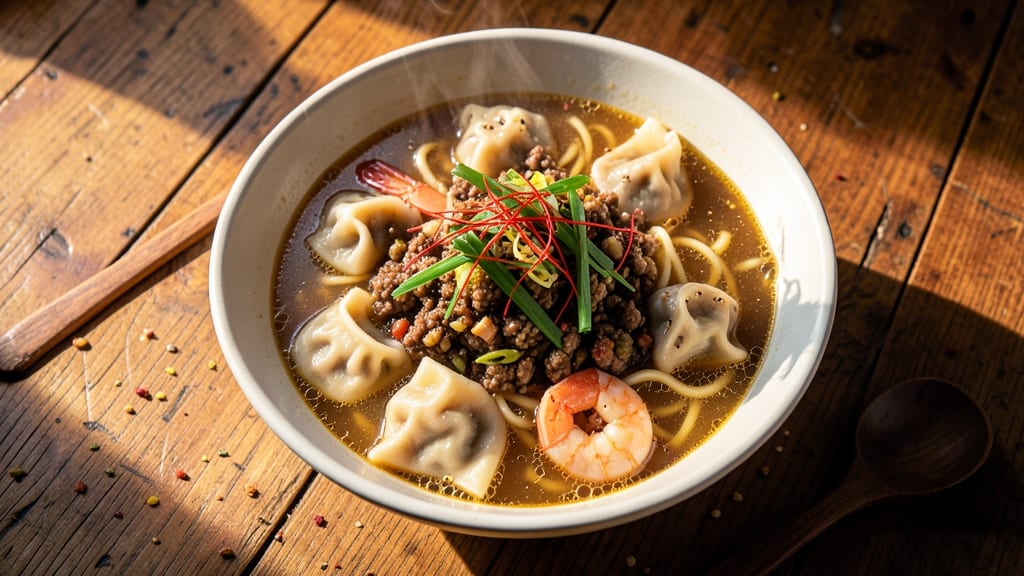
This beef wonton noodle soup recipe delivers the perfect balance of crispy wontons, silky noodles, and a rich, aromatic broth—all in one pot.
The secret lies in a layered approach: tender beef braised in a savory broth, delicate wontons with a satisfying crunch, and chewy noodles that absorb every flavorful bite. After years of testing, this method ensures every component comes together harmoniously without sacrificing authenticity.
The broth forms the foundation, simmered with star anise, ginger, and soy sauce to develop deep, complex flavors. Meanwhile, the wonton filling—a balance of ground beef, shrimp, and seasoned pork—gets wrapped in delicate wrappers and fried to a golden crisp before being gently poached in the hot broth.
The noodles cook directly in the broth, soaking up the essence of the soup while maintaining their signature chewiness.
What makes this recipe stand out is the harmony of textures: the satisfying crackle of freshly fried wontons contrasts beautifully with the tender beef and silky noodles. Each spoonful offers a symphony of flavors—savory, umami, and slightly sweet—with just the right amount of spice from the chili oil.
The result is a bowl that feels both comforting and refined, perfect for any occasion.
Whether you're serving a family dinner or meal prepping for the week, this soup scales effortlessly while maintaining its restaurant-quality balance. The instructions are designed to guide you through each step with confidence, ensuring your first attempt delivers the same restaurant-worthy results. Let's get started on creating this timeless classic.
Ingredients for beef wonton noodle soup
Rich broth, tender beef, crispy wontons, and chewy noodles—all in one harmonious bowl.
| Ingredient | Amount | Notes |
|---|---|---|
| Ground Beef 🥩 | ¾ lb | Lean ground beef, 80/20 preferred |
| Shrimp 🦐 | ½ lb | Peeled, deveined, chopped small |
| Ground Pork 🐷 | ½ lb | Regular or lean ground pork |
| Wonton Wrappers 🍜 | 24 pieces | Square or round, store-bought |
| Eggs 🥚 | 1 whole | For wonton filling binder |
| Chicken Broth 💧 | 6 cups | Low-sodium, homemade or store-bought |
| Star Anise 🌟 | 2 whole | For aromatic depth |
| Fresh Ginger 🧄 | 2 tbsp | Finely grated, peeled |
| Soy Sauce 🍶 | ½ cup | Light or dark, to taste |
| Sesame Oil 🫒 | 1 tbsp | Toasted, for finishing |
| Chili Oil 🌶️ | 1 tbsp | For subtle heat |
| Green Onions 🧅 | 4 whole | Sliced, for garnish |
| Wonton Noodles 🍜 | 8 oz | Fresh or dried, cut into 3-inch pieces |
| Garlic Cloves 🧄 | 4 cloves | Minced for filling and broth |
| Salt 🧂 | 1 ½ tsp | Adjust to taste |
| White Pepper 🌶️ | ½ tsp | Freshly ground preferred |
The ground beef, shrimp, and pork form the heart of the wonton filling. Look for 80/20 ground beef at Costco or local butchers—the fat keeps the filling juicy. Shrimp should be peeled and deveined, chopped into tiny pieces so they distribute evenly. Wonton wrappers? Store-bought is fine, but if you're ambitious, you can make your own with wheat flour and water. The key is keeping the filling cold while wrapping to prevent sticking. Fresh ginger and garlic are non-negotiable here—they're the backbone of the soup's aroma. Buy organic ginger if possible; it's more potent.
No shrimp? Extra ground pork or chicken works in a pinch, but the texture will differ slightly. Ran out of star anise? Cinnamon stick or fennel seeds add depth, though star anise is the authentic choice. The wonton noodles should be fresh or dried—if using dried, soak them in warm water for 10 minutes before adding to the broth. For the broth, homemade chicken broth elevates the flavor, but low-sodium store-bought is a solid backup. The sesame oil and chili oil are finishing touches—add them just before serving so the flavors stay vibrant.
This soup tastes even better the next day as flavors meld. Store leftovers in the fridge for up to 4 days in an airtight container. For meal prep, portion the wontons and broth separately—reheat the wontons in a skillet until crispy, then add to the warmed broth. The noodles can be cooked separately and tossed in at the end. Freezes beautifully for 3 months—just thaw overnight in the fridge before reheating. Garnish with extra green onions and a drizzle of sesame oil right before serving for that restaurant-quality finish.
Why You'll Love This Recipe
- Pantry-to-Bowl Magic: I swear by this recipe when I’m staring into my fridge at 6:30 PM wondering what to feed everyone. Ground beef, shrimp, and pork? Already in my freezer. Wonton wrappers? Two-minute trip to the cabinet. The broth builds itself while you fold those little dumplings—no fancy prep, just assembly.
- Umami Bomb: That combo of ground pork and beef in the broth? Rich without being heavy. Then you add the shrimp—just a quick sear—and the egg swirled in at the end? It’s the kind of flavor that makes my family pause mid-bite. Honestly, the first time I made it, my husband asked for seconds before I even sat down.
- Lunchbox Hero: Here’s what sold me—this soup reheats like a dream. Pack it cold for work lunches (the wontons stay intact, no soggy mess), or warm it up for dinner. My kids take it in their thermoses for school, and I still get texts like “This is the best lunch ever.” (Yes, even on a Tuesday.)
- Budget Flex: I stretch a pound of meat between beef, pork, and shrimp without sacrificing taste. The wonton wrappers? A bulk box lasts me weeks. Leftovers? They’re my secret weapon for lazy mornings—just heat and eat. Between us, I’ve made this for date nights, sick days, and “I don’t wanna cook” Fridays. It’s reliable.
Step-by-step instructions for beef wonton noodle soup
Here's the method for building rich, aromatic broth and perfectly crisp wontons in one pot.
Prepare the Wonton Filling
In a mixing bowl, combine the 0.75 lb ground beef, 0.5 lb ground pork, 4 cloves minced garlic, 2 tbsp finely grated fresh ginger, 0.5 cup soy sauce, 1.5 tsp salt, and 0.5 tsp white pepper. Mix thoroughly with your hands until all ingredients are evenly distributed and the mixture holds together when pressed.
Add the 1 whole egg and continue mixing until fully incorporated. The filling should be moist but not sticky—if it feels too dry, add 1 teaspoon of water. Cover and refrigerate for 30 minutes to firm up slightly before shaping. This resting period ensures the wontons hold their shape during frying.
Assemble and Fry the Wontons
Place 12 pieces wonton wrappers on a clean surface and spoon 1 teaspoon of filling into each wrapper. Dip your finger in water and seal the edges tightly, pleating as you go to create a classic wonton shape. Repeat with remaining wrappers and filling.
Heat 2 inches of oil in a deep skillet to 350°F. Fry wontons in batches for 2-3 minutes until golden brown and crispy on all sides. Drain on paper towels and set aside. The key here is maintaining the oil temperature—if it drops below 340°F, the wontons will absorb oil instead of crisping.
Build the Aromatic Broth
In the same skillet, reduce heat to medium and add 4 cloves minced garlic and 2 tbsp fresh ginger. Sauté for 1 minute until fragrant, being careful not to burn. Add 2 whole star anise and toast for 30 seconds to release their essential oils.
Pour in 6 cups chicken broth and bring to a boil. Reduce heat to low and simmer for 15 minutes, skimming off any foam that rises to the surface. This step develops the broth's depth of flavor—don't rush it. The star anise will infuse the broth with warm, slightly sweet notes that complement the meat perfectly.
Cook the Noodles and Protein
Add the 8 oz wonton noodles and 0.5 lb chopped shrimp to the simmering broth. Cook for 3-4 minutes until noodles are al dente and shrimp turns opaque. The noodles should have a slight bite—overcooking will make them mushy. Season with an additional 1 teaspoon soy sauce if needed.
Return the crispy wontons to the pot and heat through for 1 minute. Stir in 1 tablespoon sesame oil and 1 tablespoon chili oil, tossing gently to coat. The oils should infuse the broth with nutty aroma and subtle heat. Taste and adjust seasoning—you may need a pinch more salt to balance the flavors.
Finish and Serve
Divide the soup among bowls and garnish each serving with 1 whole sliced green onion. The crisp wontons should float on top, their golden crust contrasting with the silky broth. Serve immediately while the wontons are still crisp and the noodles retain their texture.
For the best experience, let each person assemble their own bowl by adding extra wontons or noodles to taste. The contrast between the crispy wontons, tender shrimp, and silky noodles in the rich broth creates the perfect balance of textures in every bite.
Pro Tips For Making Beef Wonton Noodle Soup
- Freeze Shrimp First: Toss peeled shrimp in ice water for 10 minutes before cooking—this keeps them tight and prevents them from curling into sad little question marks in your broth. (I learned this the hard way when my wontons looked like they were doing the cha-cha.)
- Pre-Cook Wonton Meat: Brown the ground beef and pork mixture before adding shrimp—this builds flavor and ensures the meat stays juicy instead of turning into a sad, gray paste. (Yes, even if it means extra prep time.)
- Skip Overcrowding the Wok: Cook wontons in batches if your pan is full—crowding steams them instead of searing, and you’ll end up with soggy wrappers. (Trust me, your soup will thank you.)
- Use Cold Eggs for Wrappers: Chill the egg mixture for 30 minutes before filling wontons—it sets faster and won’t leak out when boiling. (I used to rush this, and my wrappers always looked like they’d been through a war.)
Perfect pairings for this dish
Classic Side Dishes
Steamed bok choy with a sprinkle of sesame seeds adds a fresh, slightly bitter contrast to the rich soup. Blanch 2 heads bok choy in boiling water for 1 minute, then shock in ice water.
Toss with 1 tsp toasted sesame seeds and a drizzle of soy sauce for a simple, elegant pairing. 🥬
Scallion pancakes provide a crispy, savory complement that soaks up the broth beautifully. Use a 1:1 ratio of all-purpose flour to water, mix with 2 tbsp minced scallions, and pan-fry until golden. Serve warm with extra chili oil for dipping. These are a staple in Chinese dim sum culture and elevate your meal to restaurant quality.
Fresh Garnishes
Fresh Thai basil leaves add a bright, aromatic finish that cuts through the richness. Tear 10-12 leaves and scatter over the soup just before serving. Their anise-like flavor pairs wonderfully with the star anise in the broth.
For extra flair, add a few cilantro stems—they hold their shape beautifully and add a citrusy note. 🌿
Dipping Sauces
Create a quick sesame-ginger dipping sauce by whisking 2 tbsp soy sauce, 1 tbsp rice vinegar, 1 tsp grated ginger, and ½ tsp sesame oil. Add a pinch of red pepper flakes for heat.
This sauce enhances the crispy wontons and adds another layer of flavor to each bite. Store-bought sriracha works in a pinch if you're short on time.
Beverage Pairings
A crisp green tea like japanese sencha complements the soup's umami flavors without overpowering them. The light, vegetal notes cleanse your palate between bites. For something stronger, try a light-bodied Chinese liquor like Shaoxing wine—add 1 tbsp to the broth while simmering for an authentic depth of flavor. 🍵
Meal Extensions
Turn your soup into a full meal by serving with steamed jasmine rice in individual bowls. The rice absorbs the flavorful broth, creating a satisfying, hearty dish. For extra protein, add a side of grilled pork belly slices—their crispy exterior and tender interior contrast perfectly with the soup's textures.
This approach is especially popular in Hong Kong-style wonton noodle soup restaurants.
Nutrition facts
Frequently asked questions
Can I make the wonton filling ahead of time?
Prepare the filling up to 2 days in advance and store it in an airtight container in the fridge. The flavors deepen over time, and it keeps the filling from getting too warm when shaping. Just let it sit at room temperature for 10 minutes before wrapping to make it easier to handle. Pro tip: Freeze portions for up to 3 months—thaw overnight in the fridge before using.
Why are my wontons falling apart when frying?
This usually happens if the filling is too wet or the wrappers aren't sealed properly. First, ensure your filling isn't sticky—add 1 extra teaspoon of water only if absolutely needed. Second, pleat the edges tightly when sealing, and use a bit of water on your finger to help them stick. Finally, keep the oil at 350°F—if it's too cool, the wrappers will soften instead of crisp.
How do I keep the wontons crispy in the soup?
Fry them just until golden (2-3 minutes) and drain on a wire rack—not paper towels—to prevent steam from making them soggy. When adding them back to the broth, do so right before serving so they don't absorb moisture. For extra insurance, reheat them in a dry skillet for 30 seconds before serving. The secret is timing: crispy wontons should be added last to preserve their texture.
Can I substitute beef with another protein?
Yes! For a lighter option, replace the beef with extra shrimp or chicken thigh (finely chopped). For a vegetarian version, use mushrooms, tofu, and water chestnuts—just increase the soy sauce to 0.75 cup for umami depth. If using pork only, add 1 teaspoon fish sauce to enhance flavor. The key is maintaining a balance of textures and moisture in the filling.
What's the best way to reheat leftovers?
Reheat the broth (without wontons) on the stove over medium-low heat until steaming. For the wontons, warm them separately in a dry skillet for 1 minute until crispy again. Add the noodles last to avoid overcooking. If microwaving, cover with a damp paper towel to retain moisture—just 30 seconds for broth, 15 seconds for wontons. Never reheat wontons in broth directly, or they'll turn soggy.