
Soups & Stews
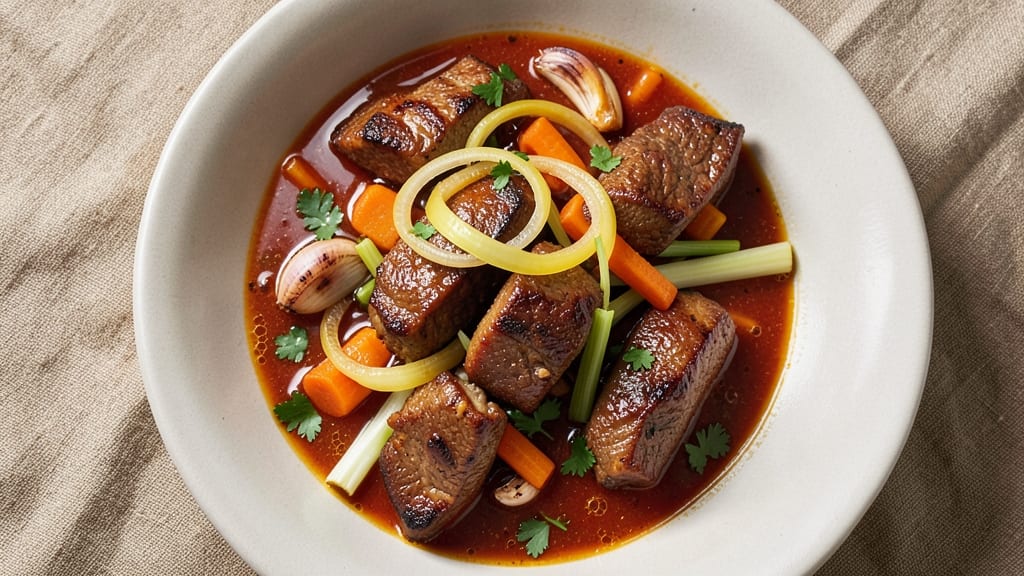
This beef tips vegetable soup recipe delivers a hearty, one-pot meal where tender, caramelized beef meets a rich broth infused with fresh vegetables. The secret lies in properly browning the beef tips first—this creates deep, savory flavors that transform a simple soup into something restaurant-worthy.
I’ve perfected this method over years of testing, ensuring every bite delivers that perfect balance of protein and vegetable goodness without requiring multiple pots or pans.
The process starts with searing the beef tips in batches to achieve that coveted caramelized crust, then deglazing the pan to capture all those flavorful browned bits.
This technique forms the foundation of the broth, which simmers with aromatic vegetables like carrots, celery, and onions, while herbs and spices build layers of depth. The result is a soup that’s both comforting and satisfying—ideal for chilly evenings or when you need a nourishing meal on the table quickly.
What makes this recipe truly special is its versatility. The one-pot method keeps cleanup minimal, while the rich, well-seasoned broth ensures every spoonful is packed with flavor.
Serve it with a sprinkle of fresh parsley, a drizzle of olive oil, or a slice of crusty bread to soak up every last bit of that savory goodness. The beef tips stay tender yet flavorful, and the vegetables retain their natural sweetness without overpowering the dish.
Whether you’re feeding a family or meal prepping for the week, this soup holds up beautifully—it tastes even better the next day as the flavors meld. The recipe scales easily, so you can adjust the ingredients to your liking without sacrificing that hearty, home-cooked feel.
Let’s get started on creating a bowl of warmth and satisfaction.
Ingredients for beef tips vegetable soup
Pantry staples plus a few fresh ingredients for a restaurant-worthy beef tips vegetable soup.
| Ingredient | Amount | Notes |
|---|---|---|
| Beef Tips 🥩 | 1 ½ lb | Chuck roast, cut into 1-inch pieces |
| Yellow Onion 🧅 | 1 whole | Medium size, chopped |
| Carrots 🥕 | 4 medium | Peeled, cut into chunks |
| Celery Stalks 🌿 | 3 whole | Trimmed, chopped |
| Garlic Cloves 🧄 | 4 cloves | Minced |
| Tomato Paste 🍅 | 2 tbsp | Squeeze tube preferred |
| Beef Broth 💧 | 6 cups | Low-sodium preferred |
| Red Wine 🍷 | ½ cup | Dry variety like Cabernet |
| Dried Thyme 🌿 | 1 tsp | Or 1 tbsp fresh |
| Bay Leaves 🌿 | 2 whole | Remove before serving |
| Olive Oil 🫒 | 2 tbsp | Extra-virgin for richness |
| Salt 🧂 | 1 ½ tsp | Kosher or sea salt |
| Black Pepper 🌶️ | ½ tsp | Freshly ground |
| Fresh Parsley 🌿 | ¼ cup | Chopped, for garnish |
The beef tips are everything here. Chuck roast gives you that perfect melt-in-your-mouth texture—sirloin or ribeye will stay too tough. Most grocery stores carry pre-cut beef tips in the meat section, but if you're starting with a whole roast, ask the butcher to cut it into 1-inch pieces. For the best flavor, Costco or Whole Foods often have higher-quality cuts. Look for good marbling—it means more flavor when cooked. The carrots and celery should be firm and crisp, not rubbery or wilted, which means they're fresh. If you can't find fresh thyme, dried works at one-third the amount.
No red wine? Beef broth with a splash of balsamic vinegar works perfectly—just use an extra 0.5 cup of broth. The tomato paste can be swapped for crushed tomatoes (1 cup) if you prefer, though paste gives a deeper, more concentrated flavor. For the olive oil, extra-virgin makes a noticeable difference in richness. If you're short on time, Trader Joe's sells pre-minced garlic in jars, which saves chopping. The bay leaves add depth but can be omitted if you dislike their flavor. For the parsley, fresh is ideal, but dried works in a pinch at one-tenth the amount—just remember it won't have the same bright pop of color.
This soup tastes even better the next day as the flavors meld together. Store in an airtight container in the fridge for up to 5 days or freeze for 3 months in portions. I like to freeze it in individual serving containers so I can grab a bowl whenever I need a quick meal. To reheat, warm on the stove over medium heat or microwave until bubbling. The beef tips will stay tender, but if they seem dry, add a splash of broth or water. For serving, keep a drizzle of olive oil and extra black pepper on hand—it adds a nice finishing touch.
Why You'll Love This Recipe
- Minimal Chopping Needed: I swear by this—just dice the onion, chop the carrots and celery into bite-sized chunks, and mince the garlic. No fancy knife skills, no stress. The beef tips? Buy them pre-cut, and you’re basically done before the water boils.
- Garlic-Kissed Beef Magic: That moment when the beef tips caramelize just right—tender inside, slightly crispy edges—with garlic cloves sizzling in the same pot? It’s the kind of flavor that makes you pause mid-stir and think, “Wait, how much longer?” The broth soaks it all up, rich and savory.
- Leftovers That Don’t Suck: Honestly, this soup improves the next day. The flavors meld, the beef gets even more tender, and it’s still hearty enough to pack for lunch. I’ve reheated mine three times without a single complaint—even from my picky teen.
- Budget-Friendly Powerhouse: You’re getting protein-packed beef tips, the classic veggie trio (onion, carrots, celery), and garlic for pennies. It feeds four for under $10 at the grocery store, and I’ve never once regretted the math. Plus, the ingredients last—no waste, just good food.
Step-by-step instructions for beef tips and vegetable soup
This hearty one-pot soup delivers rich, caramelized beef tips with tender vegetables—all in a single pot.
Sear the Beef Tips for Deep Flavor
Heat the 2 tablespoons olive oil in a large Dutch oven over medium-high heat until shimmering. Pat the 1.5 lb beef tips dry with paper towels—this ensures a proper sear. Working in batches if needed, add the beef tips to the pot and cook undisturbed for 3-4 minutes until they develop a deep golden-brown crust. This step builds the foundation of flavor through the Maillard reaction.
Once browned, transfer the beef tips to a plate and set aside. If the oil starts smoking before all the beef is seared, reduce the heat slightly. The goal is to create a rich, caramelized crust on each piece—this prevents them from turning tough later in the cooking process.
Sauté Aromatics and Build the Base
In the same Dutch oven, add the 1 whole yellow onion, 4 medium carrots, and 3 whole celery stalks, all chopped into ½-inch pieces. Cook over medium heat for 5-6 minutes, stirring occasionally, until the vegetables begin to soften and the onion becomes translucent. This step develops their natural sweetness and removes any bitterness.
Add the 4 minced garlic cloves and cook for an additional 30 seconds until fragrant. Stir in the 2 tablespoons tomato paste and cook for 1 minute, allowing it to darken slightly. This creates a rich, umami base that deepens the soup's flavor profile. If the vegetables release too much liquid, increase the heat briefly to evaporate it.
Deglaze and Simmer the Soup
Pour in the 0.5 cup red wine, scraping up any browned bits from the bottom of the pot with a wooden spoon. This deglazing step captures all the flavorful fond created during searing. Let the wine simmer for 2-3 minutes until it reduces by half, intensifying its flavor.
Add the 6 cups beef broth, 1 teaspoon dried thyme, 2 whole bay leaves, 1.5 teaspoons salt, and 0.5 teaspoon black pepper. Return the beef tips to the pot and bring everything to a gentle boil. Once boiling, reduce the heat to low, cover partially, and let it simmer for 1 hour. This slow cooking ensures the beef becomes fork-tender while the vegetables retain their texture.
Finish and Garnish
After 1 hour, check the soup for doneness. The beef tips should be tender enough to pierce easily with a fork, and the vegetables should be soft but still hold their shape. If the soup is too thick, add ½ cup water to reach your desired consistency. Taste and adjust seasoning—you may need a touch more salt or pepper depending on your broth.
Remove the 2 whole bay leaves before serving. Ladle the soup into bowls and garnish with 0.25 cup chopped fresh parsley. The parsley adds a bright contrast to the rich, savory broth and enhances the presentation. Serve immediately with crusty bread to soak up every last drop of this comforting, one-pot meal.
Pro Tips For Making Beef Tips Vegetable Soup
- SEAR THE BEEF FIRST: Toss the beef tips in a hot, dry pan for 2-3 minutes before adding broth—this builds flavor that simmering alone won’t match. I used to skip this, and the soup always tasted like it needed more oomph; now I swear by the quick crust.
- CHOP VEGETABLES UNIFORM: Cut onions, carrots, and celery into ½-inch pieces so they cook evenly—no one likes mushy celery or crunchy carrots. Use a sharp knife and work in batches if needed; patience here saves you from a lopsided texture.
- DON’T BOIL THE GARLIC: Add minced garlic after the veggies soften, not at the start—it burns fast and turns bitter. Toss it in with the beef tips during the last 5 minutes for a mellow, nutty kick instead of a harsh bite.
- USE COLD BROTH: Start with cold broth in the pot, then bring to a simmer—this keeps the beef from steaming and turning rubbery. I learned this the hard way after a batch of tough, gray tips; now I add broth last and adjust seasoning at the end.
Essential equipment for perfect results
Dutch Oven
A large Dutch oven is my non-negotiable tool for this recipe. I use a Lodge 5.5-quart—it retains heat beautifully and handles the searing, simmering, and cleanup effortlessly. The heavy cast iron ensures even heat distribution, preventing hot spots that could burn your beef tips or vegetables.
If you don’t own one, a stainless steel stockpot with a tight-fitting lid works too, though it may require slightly more attention to temperature control. 🔥
Wooden Spoon
A long wooden spoon (about 12 inches) is essential for deglazing and stirring without scratching your Dutch oven. I prefer Oxo Good Grips—the angled handle keeps your wrist comfortable during long simmering sessions.
Avoid metal utensils when scraping browned bits from the bottom, as they can dull your pot over time. A silicone spatula works too, but wood is my go-to for its durability and heat resistance.
Meat Thermometer
While you can gauge doneness by fork-tenderness, I always use a Thermoworks Smoke thermometer for precision. Insert it into the thickest beef tip—it should reach 195-200°F for perfect tenderness. This ensures your beef is juicy and fully cooked without overcooking.
If you don’t have one, a basting brush and occasional fork test will work, but the thermometer takes the guesswork out of it. 🌡️
Sharp Chef’s Knife
Chopping 1-inch beef tips, ½-inch vegetables, and mincing garlic requires a sharp 8-inch chef’s knife. I use a Wüsthof Classic—its balanced weight and razor edge make prep a breeze.
Dull knives crush vegetables, releasing bitter juices and making your soup taste watery. If your knife isn’t sharp, hone it with a steel or replace it—it’s worth the investment for consistent results.
Fine-Mesh Strainer
A fine-mesh strainer (like the OXO Good Grips) comes in handy if you want to strain the soup for a smoother texture before serving. I often reserve the broth for another use (like risotto) while keeping the beef and vegetables intact.
For a quick version, skip straining—just remove the bay leaves before serving. If you’re short on time, a slotted spoon works for scooping out solids.
Instant-Read Thermometer
Beyond checking beef doneness, an instant-read thermometer helps monitor broth temperature during simmering. Aim to keep it at a gentle 190-200°F—too high, and your soup will boil over or cook unevenly.
I keep mine within reach while simmering, adjusting heat as needed. A Thermoworks ThermoPop is my favorite for its speed and accuracy. 💡
Nutrition facts
Frequently asked questions
Can I use ground beef instead of beef tips for this soup?
Ground beef works, but it won't give you the same tender, caramelized texture. For a similar result, try chuck roast cut into small cubes or stew meat—these stay juicy and develop rich flavor. If you must use ground beef, brown it well first and add it at the end of cooking to prevent it from turning mushy.
How do I make this soup vegetarian?
Swap the beef tips for mushrooms (8 oz sliced cremini or portobello) or extra-firm tofu (pressed and cubed). Use vegetable broth instead of beef broth and add 1 tbsp soy sauce for depth. The tomato paste and red wine still work beautifully with these substitutions.
Why does my soup taste bland after simmering?
Bland soup usually means the beef didn't develop enough flavor during searing or the broth needs more seasoning. Always sear the beef until deeply browned, then deglaze with wine or broth to capture those flavorful browned bits. Taste the broth before serving—add more salt, pepper, or even a splash of soy sauce or Worcestershire sauce to boost umami.
Can I make this soup in an Instant Pot?
Yes! Sear the beef tips in a skillet first, then transfer everything to your Instant Pot. Use the high pressure setting for 20 minutes, then quick-release the pressure. The beef will be tender, but the vegetables may be softer than stovetop. For extra flavor, add 1 tsp beef bouillon powder to the broth.
What vegetables can I add for extra nutrition?
Try adding zucchini (diced), spinach (added at the end), or green beans (trimmed) for extra nutrients. For heartier soups, include potatoes (peeled and cubed) or sweet potatoes (roasted first). Just