
Soups & Stews
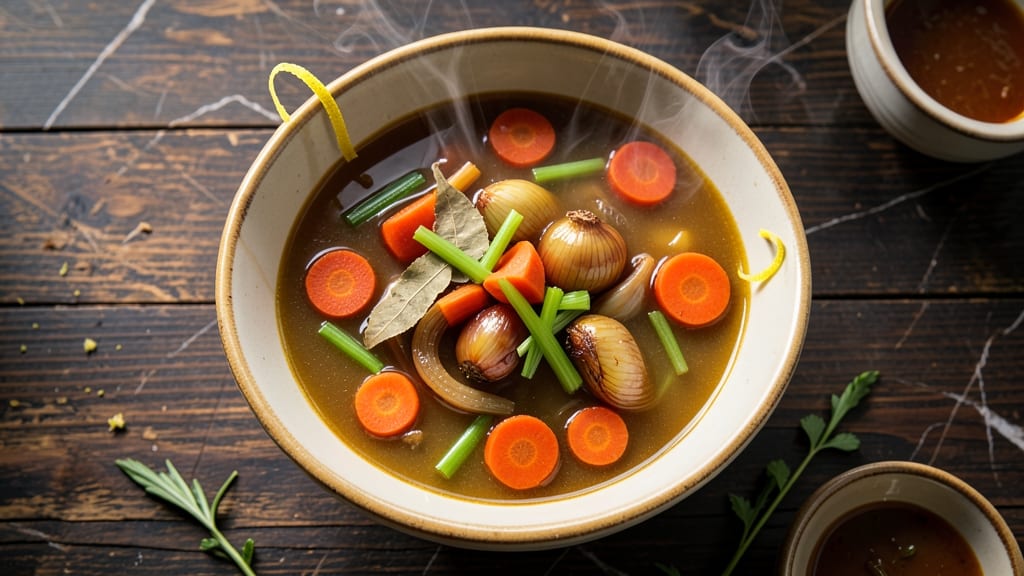
Beef tallow soup recipe delivers a deeply satisfying, velvety broth that transforms humble ingredients into a meal with restaurant-quality depth. The secret lies in rendering beef tallow—its golden richness creates a naturally emulsified velout that requires no added fat. This isn't just soup; it's a slow-cooked symphony of collagen-rich broth, tender vegetables, and optional protein, simmered until every component melts into harmony.
The process begins with rendering tallow from beef fat, which infuses the broth with unmatched richness while eliminating the need for butter or oil. As the broth simmers for hours, connective tissues break down into gelatin, creating a naturally thick, silky texture.
Add aromatic vegetables like carrots, celery, and onions for structure, then finish with herbs and a splash of vinegar to brighten the depth. The result is a soup that's both nourishing and indulgent—ideal for cold weather or as a base for hearty meals.
What makes this recipe exceptional is its versatility. Serve it as-is for a simple, elegant meal or add cooked grains, shredded chicken, or crispy potatoes for extra texture. The broth's natural richness pairs beautifully with crusty bread or fresh herbs, making it perfect for family dinners or meal prep.
Each spoonful delivers layers of umami and comfort, proving that homemade soup can rival the best restaurant versions.
For those new to tallow, don't worry—the process is straightforward, and the payoff is worth the effort. The slow simmering transforms tough cuts into tender, flavorful bites while creating a broth so rich it feels like a hug in a bowl.
This is soup at its finest: simple yet sophisticated, deeply flavorful, and impossible to resist. Let's get started on creating your own velvety masterpiece.
Ingredients for beef tallow soup
Rich beef tallow and aromatic vegetables create a velvety broth that rivals restaurant-quality soups.
| Ingredient | Amount | Notes |
|---|---|---|
| Beef Fat (Tallow) 🥩 | 1 ½ lb | Raw beef suet or leaf fat preferred |
| Yellow Onions 🧅 | 2 whole | Medium size, sliced into half-moons |
| Carrots 🥕 | 4 whole | Medium size, peeled and chopped |
| Celery Stalks 🧄 | 4 whole | Fresh, chopped with leaves included |
| Garlic Cloves 🧄 | 6 cloves | Peeled, lightly crushed |
| Bay Leaves 🌿 | 2 whole | Fresh preferred, dried acceptable |
| Fresh Thyme 🌿 | ½ oz | Or 1 tbsp dried thyme |
| Water 💧 | 8 cups | Filtered preferred for clarity |
| Apple Cider Vinegar 🍎 | 1 tbsp | For brightness, optional |
| Salt 🧂 | 1 ½ tsp | Kosher or sea salt, to taste |
| Black Peppercorns 🌶️ | ½ tsp | Crushed, freshly ground |
| Beef Bones (Optional) 🦴 | 2 lb | Knuckle or marrow bones preferred |
| Fresh Parsley 🌿 | ¼ cup | Chopped, for garnish |
The beef fat is the foundation—look for raw beef suet or leaf fat at butcher shops or specialty stores. Costco or local meat counters often carry it pre-cut, but if buying whole, trim excess connective tissue for cleaner rendering. For extra depth, add beef bones (knuckle or marrow) which contribute collagen and marrow. The vegetables should be fresh but sturdy—carrots and celery with bright color indicate sweetness. If using dried herbs, toast them lightly in a dry pan before adding to intensify flavor. The tallow renders best in a heavy-bottomed pot placed over medium-low heat, never boiling.
No beef fat? Duck fat or lard can substitute, though flavor will differ slightly. Fresh thyme unavailable? Dried thyme at one-third the amount works, but toast it first. The vinegar is optional but brightens the soup—white wine vinegar is a good alternative. For a lighter broth, reduce water to 6 cups and add 2 cups vegetable stock. If you're adding protein later (like shredded chicken), hold it back until the final 30 minutes of simmering to prevent overcooking. The bones, if used, should be roasted at 400°F for 20 minutes before adding to deepen flavor.
Rendered tallow keeps in the fridge for 3 months in an airtight container, or 6 months frozen. The finished soup reheats beautifully—simmer gently on low heat to preserve texture. For meal prep, portion into containers and freeze for up to 3 months. The broth thickens as it cools, so stir before reheating. Garnish with fresh parsley just before serving to keep it vibrant. This soup only gets better with time, so make extra—it's perfect for reheating on chilly days.
Why You'll Love This Recipe
- No Chopping Stress: I swear by this one—just dice the onions, celery, and carrots once, then let the tallow render down while you stir. The slow simmer does all the work, leaving me with 10 minutes of actual hands-on time.
- Rich Without Effort: That beef tallow? It’s the secret—melts into the broth for a depth of flavor you won’t find in store-bought. The garlic and onions caramelize right in the pot, giving it a savory punch that’s oddly satisfying.
- Leftovers That Shine: I make a double batch on Sundays because this soup only gets better the next day. The flavors meld, the broth thickens slightly, and reheating it is the easiest way to start a lazy afternoon.
- Budget Meal for Days: Using tallow instead of oil cuts costs dramatically, and the veggies stretch across multiple meals. Honestly, it’s the kind of soup where I’ll eat it for lunch, dinner, and even pack some for work—no guilt.
Step-by-step instructions for beef tallow soup
Transform simple ingredients into a velvety, nutrient-rich soup with deep umami flavor.
Render the Beef Tallow and Sauté Vegetables
Place the 1.5 lb beef fat (tallow) in a large stockpot over medium-low heat. Let it melt slowly, stirring occasionally with a wooden spoon to distribute the fat evenly. This process should take about 15-20 minutes—you're looking for the fat to become completely liquid and golden, not browned.
Once the tallow is fully rendered, add the 2 whole yellow onions, 4 whole carrots, and 4 whole celery stalks. Cook for 10-12 minutes until the vegetables soften and the onions turn translucent. Here's the thing—don't rush this step. The slow cooking builds flavor by caramelizing the vegetables gently. If the fat starts to smoke, reduce the heat slightly to prevent burning.
Add Aromatics and Simmer the Base
Push the vegetables to one side of the pot and add the 6 cloves garlic cloves to the empty space. Cook for 30 seconds until fragrant—you'll smell that unmistakable garlic aroma. Then, add the 2 whole bay leaves and 0.5 oz fresh thyme. Stir everything together and pour in the 8 cups water. Bring the mixture to a gentle boil, then reduce heat to low and let it simmer uncovered for 30 minutes. This initial simmer extracts flavors from the vegetables and prepares the broth for the next phase.
Real talk: Skim off any foam that rises to the surface during this time. The foam contains impurities that can make your broth cloudy. A fine-mesh skimmer or ladle works perfectly for this. After 30 minutes, add the 1 tbsp apple cider vinegar and 1.5 tsp salt. The vinegar brightens the broth while the salt enhances all the flavors.
Incorporate Beef Bones (If Using) and Season
If you're using the 2 lb beef bones, add them to the pot now. Return the broth to a gentle simmer and cook for 2-3 hours—this is where the magic happens. The bones release collagen and marrow, creating a rich, gelatinous texture that thickens the soup naturally. If you're not using bones, skip this step and proceed to seasoning.
After simmering, strain the broth through a fine-mesh sieve into a clean pot. Discard the vegetables and bones (if used). Return the strained broth to the pot and stir in the 0.5 tsp black peppercorns and an additional 0.5 tsp salt if needed. Taste and adjust seasoning—this is your chance to perfect the balance of flavors. The broth should be savory, slightly tangy from the vinegar, and deeply aromatic.
Finish and Serve
Return the broth to a gentle simmer and let it cook for another 10-15 minutes to reduce slightly and concentrate the flavors. This final reduction ensures the soup has a velvety texture and intensified taste. Once reduced, remove the pot from heat and stir in the 0.25 cup fresh parsley. The parsley adds freshness and a pop of color, balancing the rich, savory depth of the broth.
Ladle the soup into bowls and serve immediately. For the best experience, garnish each serving with an extra sprinkle of parsley and a drizzle of the rendered tallow from the pot. This soup is best enjoyed fresh, while the flavors are at their peak. Store any leftovers in the refrigerator for up to 5 days or freeze for 3 months—the flavors only deepen over time.
Pro Tips For Making Beef Tallow Soup
- Render Tallow Slowly: Start with cold tallow in your pot—no rushing. Heat on medium-low until it melts completely, then increase to medium. I learned this the hard way: high heat upfront makes it smoke like a campfire and ruins the flavor.
- Chop Onions Coarse: Skip the fine dice—cut yellow onions into ½-inch chunks. They’ll soften faster, release flavor more evenly, and you won’t end up with a mushy base that turns into paste. (Yes, even if you’re impatient like me.)
- Sweat Veggies Properly: Cover the pot after adding carrots and celery, then reduce heat to low. Let them steam for 5 minutes before adding garlic—this prevents burning and builds deeper flavor. I used to rush this, and the soup always tasted raw.
- Use Garlic Sparingly: One head is plenty for a pot this size. Smash the cloves instead of mincing—it infuses flavor without overpowering. I was skeptical until I tried it: the soup tastes richer without tasting like a garlic factory.
Serving suggestions for this dish
Crusty Bread Pairing
Serve your beef tallow soup with crusty sourdough or a baguette for dipping. The crispy crust contrasts beautifully with the velvety broth, while the chewy interior soaks up every drop. I love using a French-style baguette from Whole Foods—its open crumb structure makes it perfect for this rich soup.
For extra indulgence, toast the bread with a drizzle of the rendered tallow before serving. 🥖
Protein Additions
Elevate your soup by adding cooked proteins at the end. Shredded chicken thighs (simmered for 20 minutes) or crispy pork belly cubes (pan-fried until golden) bring hearty texture. For a vegetarian option, stir in white beans or crumbled feta just before serving.
The proteins should be added in the last 15-20 minutes of cooking to prevent overcooking. 🍗
Herb Garnishes
Fresh herbs brighten the soup's richness. A sprinkle of chopped chives or dill adds a fresh, bright note, while fresh parsley keeps the presentation vibrant. For a bold finish, mix 1 tbsp chopped parsley with ½ tsp lemon zest and sprinkle over each bowl.
The acidity from the lemon zest cuts through the soup's richness beautifully. 🌿
Topping Ideas
Add texture with toppings like crispy fried shallots, toasted pumpkin seeds, or crumbled bacon. For a smoky touch, sprinkle smoked paprika or crumbled blue cheese on top.
I especially love the combination of crispy fried shallots and blue cheese—it adds a luxurious finish that feels restaurant-worthy. 🧀
Side Dish Suggestions
Pair your soup with roasted root vegetables like carrots and parsnips for a hearty meal. A simple arugula salad with a lemon vinaigrette also works well to cut through the richness.
For a warming side, serve with garlic mashed potatoes or buttery egg noodles. These sides complement the soup's depth without overpowering it. 🥔
Beverage Pairings
A bold red wine like Cabernet Sauvignon or Malbec pairs beautifully with the soup's richness. For beer lovers, a dark lager or stout complements the deep flavors. If you prefer non-alcoholic options, a sparkling apple cider or iced hibiscus tea adds a refreshing contrast.
The key is to choose a beverage with enough body to stand up to the soup's intensity. 🍷
Nutrition facts
Frequently asked questions
Why does beef tallow make the soup so rich?
Beef tallow contains concentrated animal fat that naturally emulsifies when heated, creating a velvety texture without needing added oils or butter. The slow rendering process extracts deep umami flavors from the fat itself, while the collagen in bones (if used) breaks down into gelatin, thickening the broth beautifully. This is why traditional bone broths and tallow-based soups feel so satisfying—it's pure fat-soluble flavor in every spoonful!
Can I substitute beef tallow with other fats?
Yes, but expect different textures and flavors. Duck fat works well for a similar richness, while lard or butter will make the soup lighter but less velvety. For a vegetarian option, use olive oil or coconut oil, though the result won't be as deeply savory. The key is to render the fat properly—never boil it, as this creates off-flavors.
How do I know when the tallow is fully rendered?
The tallow is ready when it becomes completely liquid, golden in color, and smells richly nutty (not burnt). If it starts to smoke or brown, reduce the heat immediately. A good test: stir with a wooden spoon—if it coats the spoon evenly without any solid chunks, it's fully rendered. This usually takes 15-20 minutes over medium-low heat. Patience here makes all the difference!
Can I make this soup in a slow cooker? Render the tallow first in a separate pot, then transfer everything (including bones if using) to the slow cooker. Cook on low for 8-10 hours or high for 4-5 hours, skimming foam occasionally. The slow cooker's gentle heat helps extract collagen and flavors more evenly. Just
What if my soup turns out too thin?
Don't worry—this is easily fixed! If the broth is too thin after simmering, simmer uncovered for 10-15 more minutes to reduce it. For extra thickness, stir in 1-2 tbsp cornstarch mixed with water or add 1/4 cup cold water + 1 tbsp gelatin (simmered until dissolved). The tallow's natural emulsification should help, but these tricks ensure a perfect velvety texture.