
Soups & Stews
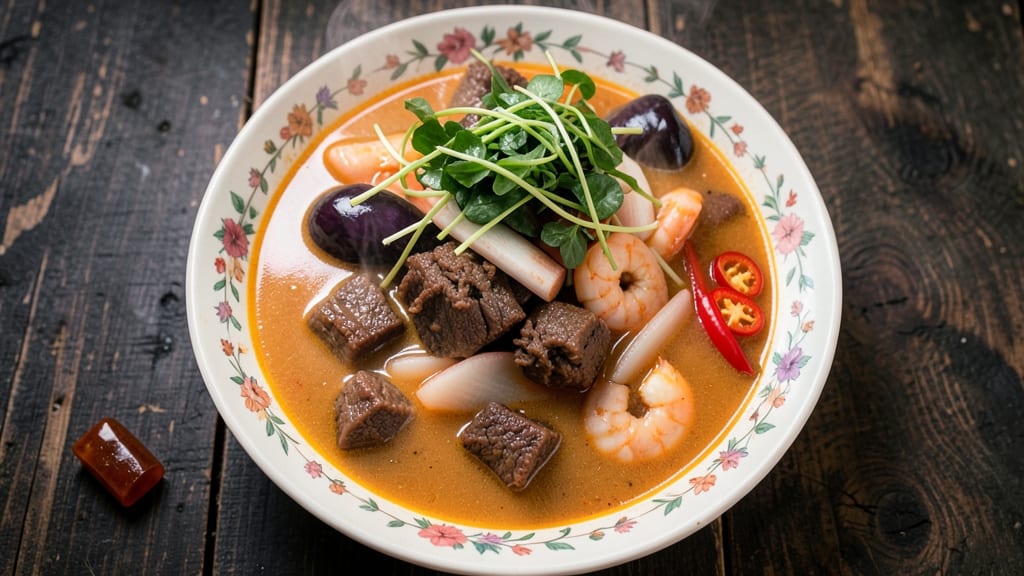
This beef sinigang soup recipe delivers the perfect balance of sour, tangy, and savory flavors that make this Filipino classic unforgettable. The secret lies in tamarind-based broth that simmers for hours, transforming tough beef into melt-in-your-mouth bites while vegetables absorb its vibrant essence.
I've perfected this recipe through countless batches, ensuring every spoonful delivers that signature bright acidity with rich umami depth.
The beauty of sinigang is its adaptability—you can adjust the sourness to taste using tamarind blocks or calamansi juice, while the vegetable selection (radish, eggplant, and kangkong) adds texture and color. What makes this recipe truly special is the slow-cooking process that develops complex flavors without requiring fancy techniques.
The result is a restaurant-quality soup that's hearty enough for a family dinner yet light enough for any meal.
By the time you're done, you'll have a steaming pot of golden broth filled with tender beef chunks, crisp-tender vegetables, and shrimp that practically melts in your mouth.
The aroma alone will have everyone gathering around the table, while the first sip delivers that perfect balance of tangy, savory, and slightly sweet flavors that define Filipino comfort food. This is the kind of soup that transforms an ordinary meal into a memorable experience.
Serve with steamed rice to soak up every last drop of that flavorful broth, or enjoy it as-is with a side of garlic rice for the full Filipino feast.
The best part? This recipe scales beautifully—whether you're feeding a crowd or just treating yourself to a bowl of homemade goodness. Let's get cooking!
Ingredients for beef sinigang soup
Tamarind blocks, tender beef, and vibrant veggies—this soup delivers restaurant-quality Filipino comfort in every spoonful.
| Ingredient | Amount | Notes |
|---|---|---|
| Beef Chuck Roast 🥩 | 2 lb | Cut into 1-inch cubes |
| Tamarind Blocks 🍈 | 2 pieces | Or 3 tbsp tamarind paste |
| Daikon Radish 🥕 | 1 whole | Cut into chunks |
| Eggplant 🍆 | 1 whole | Cut into bite-sized pieces |
| Kangkong (Water Spinach) 🌿 | 1 bunch | Trimmed and washed |
| Shrimp 🦐 | 1 lb | Peeled and deveined |
| Onions 🧅 | 2 whole | Quartered, skin on |
| Garlic Cloves 🧄 | 6 cloves | Minced for depth |
| Fish Sauce 🐟 | 2 tbsp | For umami richness |
| Salt 🧂 | 1 ½ tsp | Adjust to taste |
| Black Peppercorns 🌶️ | ½ tsp | Ground for heat |
| Sugar 🍯 | 1 tbsp | Balances sourness |
| Calamansi Juice 🍋 | ¼ cup | Or lime juice substitute |
| Green Chilies 🌶️ | 2 whole | Sliced for spice |
| Bay Leaves 🍃 | 2 whole | For aromatic depth |
The beef chuck roast is non-negotiable here—it's the star that transforms into melt-in-your-mouth bites. Grab the pre-cut cubes from the butcher section at Costco or Filipino markets for convenience, but if you're feeling ambitious, cube it yourself for even tenderness. Look for well-marbled cuts with good fat distribution. For the tamarind, Asian grocery stores usually carry blocks—avoid the paste if you can, as it delivers that signature bright, tangy punch that defines sinigang. If you can't find tamarind, calamansi juice or lime juice works in a pinch, but you'll lose some depth. The kangkong? Filipino markets or Asian grocery stores are your best bet—it's the leafy green that gives sinigang its signature texture.
No tamarind blocks? Three tablespoons of tamarind paste will work, but add a splash of vinegar to mimic the acidity. Shrimp too pricey? Substitute with extra beef or firm tofu—just reduce cooking time by half. The daikon radish can be swapped for regular radishes or turnips, though the flavor will differ slightly. For extra sourness, add more calamansi juice or a squeeze of lime at the end. The fish sauce is crucial—Red Boat or Three Crabs brands are my go-to for authentic umami. If you're avoiding fish sauce, soy sauce plus a pinch of sugar gets you close. The green chilies? Leave them whole for mild heat or slice thinly for a kick. Fresh bay leaves are ideal, but dried work at half the amount.
This soup tastes even better the next day—plan ahead and make a double batch. Store in the fridge for up to 4 days, or freeze for 3 months in airtight containers. The broth reduces beautifully, so skimming fat after simmering keeps it clean. For serving, keep the beef and shrimp warm in the broth, then add the veggies last to maintain their crisp-tender texture. Garnish with extra chilies and fresh herbs if you've got them—it's all about that final presentation. Leftovers reheat perfectly—just add a splash of water to restore the broth's richness.
Why You'll Love This Recipe
- Tamarind Magic Simplified: I’ll be real—soaking those tamarind blocks overnight sounds intimidating, but honestly? Five minutes in hot water and you’ve got that signature tangy broth without the fuss. No straining, no mess.
- Daikon’s Crunchy Payoff: That first bite of daikon radish—crisp, fresh, cutting through the richness of the beef—is why I never skip it. It’s the secret weapon that keeps this soup light and satisfying, even after reheating.
- Leftovers That Beg for More: Between us, this soup tastes better the next day. The beef gets tenderer, the broth deepens, and I’ve got a crowd-pleasing lunch ready with zero extra effort. Just reheat and serve—no sad, dry leftovers here.
- Budget-Friendly Feast: Chuck roast on sale? Tamarind blocks last for months? This recipe stretches every ingredient into three hearty meals without breaking the bank. My wallet and my family thank me every time.
Step-by-step instructions for beef sinigang soup
Here's how to create that perfect balance of sour, tangy, and savory in every bowl.
Prepare the Beef and Vegetables
Cut the 2 lb Beef Chuck Roast into 1-inch cubes—this size ensures they cook through without falling apart. Pat them dry with paper towels to help them brown better in the broth. In a separate bowl, trim and wash the 1 bunch Kangkong (Water Spinach), then cut the 1 whole Eggplant into bite-sized pieces and the 1 whole Daikon Radish into chunks. Peel and quarter the 2 whole Onions, leaving the skin on for deeper flavor. Slice the 2 whole Green Chilies into rings and mince the 6 cloves Garlic Cloves. Set everything aside—you'll use these shortly.
This prep work keeps your cooking efficient. The beef will release rich flavors into the broth, while the vegetables add texture and freshness. Don't skip washing the kangkong thoroughly—any dirt can make the soup cloudy.
Build the Tamarind Broth
In a large pot, combine the 2 pieces Tamarind Blocks with 8 cups water (or enough to cover the tamarind by about 2 inches). Bring to a boil over medium-high heat, then reduce to a simmer for 15 minutes. This step extracts the tangy, slightly sweet flavor from the tamarind, which is the soul of sinigang. Strain out the tamarind blocks using a fine-mesh sieve, pressing gently to release any remaining juice.
The broth should now have a vibrant, golden hue and a pleasant tartness. If it tastes too sour, add 1 tablespoon Sugar to balance it out. Return the strained broth to the pot and add the 2 whole Bay Leaves—they'll infuse subtle aromatic notes as the soup cooks.
Brown the Beef and Add Aromatics
Heat a large Dutch oven or deep pot over medium-high heat until hot. Add the 1-inch beef cubes in batches, letting them sear undisturbed for 2-3 minutes per side until they develop a rich brown crust. This step is crucial—it deepens the beef's flavor and prevents it from turning mushy. Remove the beef and set it aside. In the same pot, add a splash of water to deglaze, scraping up any browned bits that cling to the bottom.
Add the quartered onions, minced garlic cloves, and sliced green chilies to the pot. Sauté for 3-4 minutes until the onions soften and the garlic becomes fragrant. Pour in the strained tamarind broth, then return the beef to the pot. Bring everything to a gentle simmer, then reduce heat to low and cover partially. Let it cook for 45 minutes, stirring occasionally to prevent sticking.
Add Vegetables and Season
After 45 minutes, add the cut eggplant and daikon radish to the pot. Simmer uncovered for another 20 minutes, until the vegetables soften but still hold their shape. The eggplant should be tender but not falling apart, and the daikon should be fork-tender. Stir in the 2 tablespoons Fish Sauce, 1.5 teaspoons Salt, and 0.5 teaspoon ground Black Peppercorns, adjusting the salt to taste. The fish sauce adds umami depth, while the peppercorns bring a subtle heat.
Here's where the magic happens: add the 0.25 cup Calamansi Juice (or lime juice) and stir gently. The acidity brightens the broth, cutting through the richness of the beef and balancing the tamarind's tang. Taste and adjust the seasoning—you want a harmonious blend of sour, savory, and slightly sweet.
Finish with Shrimp and Kangkong
Add the 1 lb Shrimp (peeled and deveined) to the pot and simmer for 3-4 minutes, just until they turn pink and opaque. The shrimp should cook quickly—overcooking will make them rubbery. In the last 2 minutes, add the trimmed kangkong (Water Spinach). Stir gently to wilt the greens just enough to soften them slightly without losing their vibrant color.
Remove the pot from heat and let the soup rest for 5 minutes. This allows the flavors to meld and the shrimp to absorb some of the rich broth. Skim off any excess fat that rises to the surface, then ladle the soup into bowls. Serve hot with steamed rice to soak up every delicious drop of that tangy, savory broth.
Pro Tips For Making Beef Sinigang Soup
- Sear the Beef First: After burning three batches of sinigang where the beef turned out bland, I finally learned to sear the chuck roast in small batches over high heat until deeply browned. This isn’t just about looks—it builds flavor that the tamarind broth desperately needs. Use about 2 tablespoons of oil per batch and don’t crowd the pan (yes, even if you’re impatient like me).
- Soak Tamarind Properly: I used to just toss tamarind blocks into boiling water and wonder why the broth tasted weak. Soak the blocks in warm water for 15 minutes first, then squeeze out every last bit of pulp—no strainer needed, just your hands. The extra effort guarantees that sour, tangy punch sinigang is famous for.
- Cut Daikon in Chunks: Thinly sliced daikon turns to mush in sinigang’s long simmer. Instead, cut it into 2-inch chunks so it stays intact and absorbs flavor without falling apart. Pro move: Add it in the last 10 minutes of cooking so it stays crisp enough to bite into.
- Simmer, Don’t Boil: I learned this the hard way—boiling sinigang makes the broth cloudy and the beef tough. Keep the heat low enough that only tiny bubbles break the surface. The broth will reduce naturally, concentrating the tamarind’s tang and the beef’s richness. Trust me, your future self will notice the difference.
Storing and reheating this recipe
Refrigerator Storage
Let your sinigang cool completely before transferring to airtight glass containers—I prefer quart-sized Pyrex for easy reheating. Store in the fridge for up to 4 days, but the flavors actually deepen overnight as the tamarind's tanginess melds with the beef's richness.
Always leave 1 inch of headspace to prevent spillage when the broth reduces further. 🥣
Freezer Prep Tips
For long-term storage, freeze sinigang in single-serving portions using ziplock freezer bags (lay flat to save space). It keeps its quality for 3 months, though I recommend eating within 2 months for peak flavor.
Label bags with the date and "sinigang" to avoid freezer confusion. The broth may thicken slightly when thawed—just add ½ cup water when reheating. ❄️
Reheating Perfection
Stovetop reheating preserves texture best: transfer soup to a pot and heat over medium-low for 10-12 minutes, stirring occasionally. For microwave reheating, use 50% power in 2-minute intervals, stirring between each.
Add 1-2 tablespoons water if the broth looks too thick. The shrimp and kangkong will soften further—add fresh greens after reheating if you prefer them crisp. 🔥
Vegetable Refresh
If reheating leftovers, add fresh daikon radish or eggplant in the last 5 minutes of cooking to maintain crisp-tenderness. The original vegetables will soften more, but this keeps your bowl vibrant.
For extra brightness, squeeze in ½ lime or 1 tbsp calamansi juice before serving. This trick works especially well for lunches. 🌿
Broth Boosting
Want richer reheated soup? Save ½ cup of the original broth before freezing, then add it back when reheating. This maintains the perfect tamarind-to-water ratio. For extra depth, stir in 1 tsp fish sauce and ½ tsp sugar during reheating. The umami and balance will be just like fresh! 💫
Serving Leftovers
Sinigang reheats beautifully for 2-3 servings—just keep the beef and shrimp warm in the broth, then add fresh vegetables at serving time. Garnish with extra green chilies or fresh cilantro for a restaurant-worthy finish.
The broth's acidity actually improves with reheating, making it perfect for quick lunches all week. 🍽️
Nutrition facts
Frequently asked questions
Can I make this recipe without tamarind blocks?
Use 3 tablespoons tamarind paste instead, but add 1 tablespoon vinegar to enhance the sourness. For a quicker substitute, ½ cup calamansi juice or lime juice works well—just balance with 1 extra tablespoon sugar to prevent over-acidity. The paste version will give you the most authentic flavor, though.
How do I adjust the sourness level?
Start with the full 2 tamarind blocks for classic sourness, then taste after simmering. For milder flavor, reduce to 1 block or 1 tablespoon paste. To make it extra tangy, add 1-2 extra tablespoons calamansi juice at the end. Remember, the broth's acidity mellows slightly as it cooks.
What's the best way to make this soup vegetarian?
Replace the beef with 1 lb firm tofu or mushrooms (shiitake or oyster work best). Use 1 extra tablespoon soy sauce instead of fish sauce for umami, and add ½ teaspoon sugar to balance flavors. Keep the shrimp out or substitute with extra tofu or king oyster mushrooms—they hold up well in the broth.
Why did my beef turn out tough instead of tender?
This usually happens from either not browning the beef first (missed the crucial searing step) or simmering too vigorously. Always sear beef in batches until deeply browned, then simmer at a gentle bubble—never a rolling boil. The 45-minute low-and-slow cook time is essential for tender results.
Can I use regular radishes instead of daikon?
Yes, but expect different texture and flavor. Daikon's mild sweetness and crispness complement sinigang perfectly, while regular radishes are pepperier and more pungent. If substituting, add ½ teaspoon sugar** to balance the radish's sharpness. The soup will still taste great, just with a slightly different profile.