
Soups & Stews
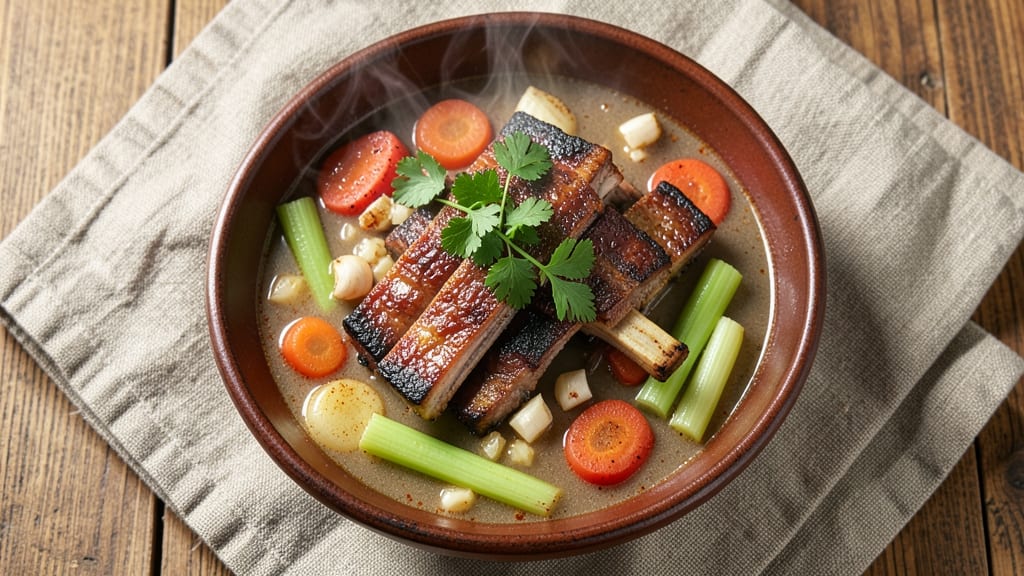
This beef back ribs soup recipe transforms tough, flavorful ribs into melt-in-your-mouth perfection through slow braising, creating a rich, meaty broth that's both hearty and comforting.
The secret lies in a long, gentle simmer that breaks down the connective tissue, infusing the broth with deep, savory notes while keeping the meat tender and juicy. What sets this apart is the celery crown crunch—a crisp, fresh garnish that adds texture contrast and brightens each spoonful.
The process begins with a deep, aromatic base built from onions, carrots, and celery, then enriched with garlic, smoked paprika, and bay leaves for complexity. Beef back ribs are browned first to develop a deep, caramelized crust before being submerged in broth, where they braise for hours until falling apart.
The result is a soup so rich and satisfying that it feels like a hug in a bowl—perfect for chilly evenings or when you crave something deeply comforting.
What makes this recipe truly stand out is the balance of textures and flavors: tender, falling-apart meat, a velvety broth with just the right amount of body, and that crisp celery crown garnish that cuts through the richness.
Every ingredient plays a role—from the thyme and black pepper that warm the broth to the splash of apple cider vinegar that brightens the finish. The instructions are designed to be straightforward, ensuring professional results without complexity.
Serve this soup with crusty bread to soak up every last drop of that flavorful broth, or pair it with a simple green salad to balance the meal.
The leftovers reheat beautifully, making it an ideal make-ahead dish for busy weeknights or gatherings. Let's dive into the steps to create this restaurant-quality soup at home.
Ingredients for beef back ribs soup
Rich, meaty ribs and aromatic vegetables create a comforting soup with crisp celery crown garnish.
| Ingredient | Amount | Notes |
|---|---|---|
| Beef Back Ribs 🍖 | 3 lb | Bone-in, meaty sections preferred |
| Yellow Onion 🧅 | 2 whole | Medium size, chopped |
| Carrots 🥕 | 4 whole | Medium size, peeled, chopped |
| Celery Stalks 🧄 | 4 whole | Fresh, chopped for base |
| Garlic Cloves 🧄 | 6 cloves | Minced for depth of flavor |
| Smoked Paprika 🌶️ | 2 tsp | For smoky richness |
| Ground Black Pepper 🌶️ | 1 tsp | Freshly ground preferred |
| Dried Thyme 🌿 | 1 tsp | Or 1 tbsp fresh thyme |
| Bay Leaves 🍃 | 2 whole | Remove before serving |
| Apple Cider Vinegar 🍎 | 1 tbsp | Brightens the broth |
| Beef Broth 💧 | 8 cups | Low-sodium preferred |
| Celery Stalks 🧄 | 1 whole | Extra for celery crown |
| Extra-Virgin Olive Oil 🫒 | ½ cup | For browning ribs |
| Salt 🧂 | 2 tsp | Kosher or sea salt |
| Fresh Parsley 🌿 | ¼ cup | Chopped for garnish |
The beef back ribs are the heart of this soup—look for meaty, well-marbled sections at your butcher or grocery store's meat counter. Costco or local butchers often have excellent quality, but the regular supermarket meat department works fine too. If you're buying a whole packer cut, ask for the meatier sections. The celery crown requires extra-fresh celery—pick stalks with vibrant green tops and crisp, unbruised stems. For the broth, low-sodium options like Swanson or Pacific Foods save you from over-salting later. Smoked paprika is key here—Penzeys or McCormick brands offer consistent quality, but any good grocery store brand will do.
No smoked paprika? Substitute a mix of regular paprika and a pinch of liquid smoke—about 1/4 tsp of smoke per tsp of paprika. Fresh thyme is ideal, but dried works at one-third the amount. Short on beef broth? Use chicken broth with an extra bouillon cube, or even vegetable broth in a pinch (though the flavor will differ). The apple cider vinegar adds brightness—substitute lemon juice if needed, though the flavor profile changes slightly. For the celery crown, use the freshest celery you can find—it should snap crisply when bent. If you can't find celery with green tops, use white celery and garnish with fresh parsley instead.
This soup tastes even better the next day as the flavors meld. Store in an airtight container in the fridge for up to 5 days, or freeze for 3 months. The ribs and broth separate when cooled—stir well before reheating. For the celery crown, prepare it fresh just before serving to maintain crispness. If prepping ahead, store the celery crown separately in a sealed container with a paper towel to absorb moisture. Reheat gently on the stove, adding a splash of broth to maintain consistency.
Why You'll Love This Recipe
- One-Pot Wonder: I swear by this recipe because it’s literally one pot—no chopping boards to clean, no extra dishes. Just toss in the ribs, onions, carrots, and celery (the classic "holy trinity" veggies), add water or broth, and let it simmer. The ribs fall off the bone while the veggies soften into the broth, and honestly? That’s all the prep you need.
- Rich, Deep Umami: Between us, the beef back ribs alone make this soup dangerously good—they’re packed with collagen that melts into the broth for that velvety, restaurant-quality texture. Then you hit it with garlic and onions caramelizing at the bottom? Pure satisfaction in a bowl. (Yes, even on a Tuesday night.)
- Leftovers That Beg for More: This soup only gets better the next day—like a flavor upgrade you didn’t ask for. The ribs stay tender, the broth deepens, and I’ve caught myself reheating it three times because it’s that good. Perfect for meal prep when you want something hearty but don’t want to slave over it.
- Budget Meal for Crowds: A pound of beef back ribs stretches further than you’d think, especially when paired with carrots and celery (cheap, seasonal staples). It’s my go-to when feeding a houseful of people—everyone raves, and I’m left with minimal cost per serving. Plus, the leftovers freeze like a dream for lazy winter days.
Step-by-step instructions for slow-braised beef back ribs soup
Transform tough beef ribs into tender, flavorful soup with this method.
Prepare and Sear the Beef Back Ribs
Pat the 3 lb beef back ribs dry with paper towels, removing any excess moisture. This step is crucial for achieving a proper sear. Cut the ribs into 2-inch sections, keeping the meaty portions intact. In a large Dutch oven, heat the 0.5 cup extra-virgin olive oil over medium-high heat until shimmering.
Working in batches to avoid crowding, add the rib sections and sear for 3-4 minutes per side until deeply browned. The ribs should develop a rich, caramelized crust that adds deep flavor to the soup. Transfer the seared ribs to a plate and set aside, leaving the browned bits in the pot.
Build the Soup Base with Aromatics
In the same Dutch oven, add the chopped 2 whole yellow onions, 4 whole carrots, and 4 whole celery stalks. Cook for 5-6 minutes, stirring occasionally, until the vegetables begin to soften. Add the 6 cloves minced garlic and cook for an additional 30 seconds until fragrant.
Stir in the 2 tsp smoked paprika, 1 tsp ground black pepper, 1 tsp dried thyme, and 2 tsp salt. Cook for 1 minute to toast the spices and release their aromas. This step develops the soup's complex flavor profile, so don't rush it. Pour in the 1 tbsp apple cider vinegar and scrape up any browned bits from the bottom of the pot.
Slow-Braise the Ribs in Beef Broth
Return the seared ribs to the Dutch oven. Pour in the 8 cups beef broth, ensuring the ribs are mostly submerged. Add the 2 whole bay leaves and bring the mixture to a gentle simmer. Cover the pot and transfer to the oven preheated to 300°F.
Braise for 3-4 hours, or until the ribs are fork-tender and easily pull away from the bone. The broth should reduce slightly, intensifying the flavors. Check periodically and add water if the broth level gets too low. The ribs are done when they fall apart with gentle pressure from a fork.
Finish and Garnish the Soup
Remove the ribs from the broth and let them cool slightly. Using a slotted spoon, transfer the ribs to a cutting board and shred the meat, discarding any large bones. Return the shredded meat to the broth. Remove and discard the bay leaves.
Stir in the 0.25 cup chopped fresh parsley just before serving. The parsley adds a bright, fresh contrast to the rich, slow-braised flavors. For the celery crown crunch, cut the 1 whole celery stalk into 1-inch pieces and serve on the side. This adds a delightful textural element to each bowl.
Pro Tips For Making Beef Back Ribs Soup
- Brown the Ribs First: I learned this the hard way—skipping the sear means flavorless broth. Pat the ribs dry, then hit them with high heat in a pot until they’re deeply browned on all sides. That crust isn’t just for looks; it’s where the meaty depth lives.
- Chop Celery Small: Big celery chunks turn to mush and clog the pot. Dice them into ¼-inch pieces so they cook evenly and release their flavor without turning into a sad, watery pulp. (Yes, even if you’re impatient like me.)
- Simmer Low and Long: After the initial boil, drop the heat to a bare simmer—no rolling, no splashing. Beef ribs need 2–3 hours to break down into tender, fork-friendly pieces. Skimp on time, and you’ll regret it.
- Save the Skimmed Fat: As the broth cooks, fat rises to the top. Scoop it off with a spoon and save it—this golden stuff is pure flavor. Stir it back in at the end or use it to finish the soup for a silky, rich mouthfeel. (Your future self will thank you.)
Best sauces and condiments for these flavors
Classic Horseradish Cream
This tangy, creamy condiment elevates every spoonful of beef back ribs soup. Mix ½ cup sour cream with 2 tbsp prepared horseradish, 1 tbsp fresh lemon juice, and a pinch of salt.
The horseradish adds a sharp kick that cuts through the richness, while the sour cream provides a velvety texture. Serve a dollop on top of each bowl, or let guests add it to taste. 💛
Smoky Chipotle Aioli
For a smoky depth that mirrors the ribs' flavor profile, blend ½ cup mayonnaise with 1 tbsp chipotle pepper in adobo sauce, 1 tsp smoked paprika, and ½ tsp garlic powder. Thin with a splash of beef broth if needed.
This aioli pairs beautifully with the celery crown crunch, adding a creamy contrast. Store in an airtight container in the fridge for up to 5 days.
Garlic-Herb Butter
Melt 4 tbsp unsalted butter with 3 minced garlic cloves, 1 tbsp chopped fresh parsley, and a pinch of salt. Swirl into the soup just before serving for a luxurious finish.
The garlic and herbs brighten the broth while the butter adds richness. I like to dot it on top like a garnish—it melts into the soup beautifully. ✨
Spicy Tomato Jam
Simmer ½ cup crushed tomatoes with 1 tbsp brown sugar, 1 tsp smoked paprika, and ½ tsp cayenne pepper until thickened. This jam adds a sweet-spicy contrast to the hearty soup.
Use a spoon to drizzle it over the top of each serving. The acidity balances the richness, while the heat adds excitement. Store in the fridge for up to 1 week.
Crispy Fried Onions
For extra crunch, thinly slice 1 large yellow onion and fry in ¼ cup vegetable oil until golden brown. Drain on paper towels and sprinkle over the soup just before serving.
The onions add a satisfying crunch that contrasts with the tender ribs and creamy broth. I love using a deep fryer for even cooking, but a heavy skillet works too.
Herbed Crème Fraîche
Whisk ½ cup crème fraîche with 1 tbsp chopped fresh dill, 1 tbsp chopped fresh chives, and ½ tsp lemon zest. This lighter alternative to sour cream adds freshness without overpowering the soup's depth.
The herbs complement the beef's natural flavors while adding a bright, fresh finish. Keep it chilled until ready to serve.
Nutrition facts
Frequently asked questions
How long can I store leftover beef back ribs soup?
This hearty soup keeps beautifully in an airtight container in the fridge for 5 days—the flavors actually deepen overnight! For longer storage, freeze portions for up to 3 months. When reheating, add a splash of broth to maintain richness. The celery crown should be prepared fresh before serving for maximum crunch.
Can I use pork or beef short ribs instead of back ribs?
While pork ribs will work, they have a milder flavor and cook faster. For best results, stick with beef back ribs—they're more forgiving and develop that signature deep, meaty taste. If using short ribs, reduce braising time to 2-2.5 hours to avoid overcooking. The bone structure differs too, so adjust portion sizes accordingly.
Why does my soup taste too salty after braising?
This often happens when using high-sodium broth. To fix it, add 1-2 cups of water or low-sodium broth and simmer uncovered for 15 minutes to dilute the salt. For prevention, use low-sodium broth and taste as you go. The celery crown and parsley garnishes also help balance flavors naturally.
Can I make this soup in a slow cooker instead of the oven?
After searing the ribs and building the base, transfer everything to a 6-quart slow cooker and cook on low for 8-10 hours or high for 5-6 hours. The ribs will still become tender, though the broth may be slightly less concentrated. Add water as needed to maintain liquid levels. The celery crown should still be added fresh before serving.
What's the best way to serve this soup for a crowd?
Double the recipe and keep it warm in a chafing dish or slow cooker on low heat. Set up a self-serve station with individual bowls, the celery crown garnish, and optional toppings like horseradish cream or crispy fried onions. Pre-shred the ribs and pre-chop garnishes to streamline serving. For extra presentation, serve with crusty bread or dinner rolls on the side.