
Soups & Stews
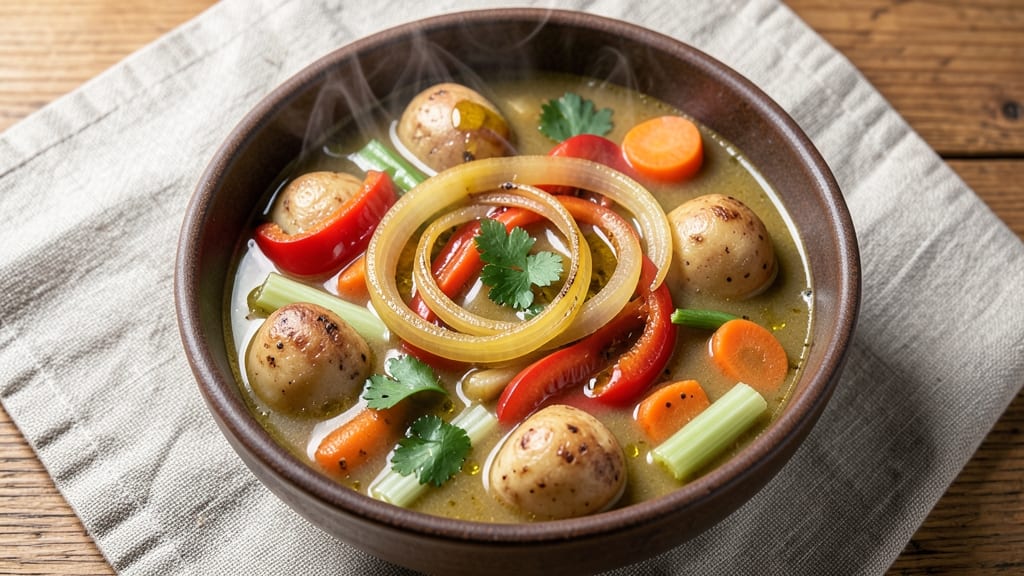
This Bear Creek Vegetable Soup brings rustic comfort to your table with its hearty blend of seasonal vegetables and fragrant herbs. Inspired by the simplicity of mountain cuisine, this one-pot recipe delivers deep, savory flavors that warm both body and soul.
The secret lies in slow-simmered vegetables and aromatic herbs that create a rich, velvety broth—perfect for chilly evenings or cozy gatherings.
What sets this soup apart is its balanced texture: tender carrots, celery, and potatoes meet crisp bell peppers and fresh herbs for a satisfying bite.
The recipe uses pantry staples but transforms them into something extraordinary through careful layering of flavors—starting with a fragrant base of onions, garlic, and celery, then building to a symphony of vegetables and herbs. Each spoonful delivers rustic charm without requiring fancy ingredients.
The result is a restaurant-quality soup that’s surprisingly simple to prepare, with minimal prep and just 45 minutes of hands-off cooking time. The aroma alone—warm, earthy, and inviting—will draw everyone to the table.
Whether you're feeding a family or meal prepping for the week, this soup delivers hearty comfort with every bowl.
Serve it with crusty bread to soak up every last drop of that fragrant broth, or pair it with a simple green salad for a complete meal.
The beauty of this recipe lies in its versatility—adjust the vegetables based on what’s seasonal, and the soup will always shine. Let’s get cooking!
Ingredients for bear creek vegetable soup
Pantry staples meet mountain-inspired freshness for this hearty, herb-infused vegetable soup.
| Ingredient | Amount | Notes |
|---|---|---|
| Extra-Virgin Olive Oil 🫒 | 2 tbsp | For sautéing vegetables |
| Yellow Onion 🧅 | 1 whole | Diced, medium size |
| Carrots 🥕 | 3 medium | Peeled, sliced into rounds |
| Celery Stalks 🧄 | 3 whole | Diced, including leaves |
| Russet Potatoes 🥔 | 2 medium | Peeled, cubed evenly |
| Red Bell Pepper 🍅 | 1 whole | Diced, any color |
| Garlic Cloves 🧄 | 4 cloves | Minced, fresh preferred |
| Vegetable Broth 💧 | 4 cups | Low-sodium preferred |
| Fresh Thyme 🌿 | ¼ oz | Leaves only, stems removed |
| Fresh Parsley 🌿 | ¼ oz | Chopped, for garnish |
| Sea Salt 🧂 | 1 ½ tsp | Diamond Crystal preferred |
| Black Peppercorns 🌶️ | ½ tsp | Freshly ground |
| Fresh Bay Leaves 🍃 | 2 whole | For depth of flavor |
| Crusty Bread 🍞 | 1 loaf | For serving, optional |
| Lemon Juice 🍋 | 1 tbsp | Freshly squeezed |
The vegetables are the soul of this soup. Carrots and celery should be fresh—look for vibrant colors and crisp texture at the store. Russet potatoes work best for their fluffy texture, but Yukon Golds add a touch of creaminess. If you're short on time, pre-cut vegetable mixes from the grocery store save chopping. The bell pepper adds a subtle sweetness that balances the earthy flavors, so don't skip it. For the herbs, Trader Joe's or local farmers markets often have the freshest thyme and parsley—just make sure the leaves are bright green and fragrant.
No fresh thyme? Dried thyme works at one-third the amount, but fresh is ideal for that bright aroma. Short on vegetable broth? Water plus 1 tsp bouillon gets you close, though homemade broth elevates the dish. The bay leaves might seem optional, but they add a subtle piney depth that's worth it—just remember to remove them before serving. For extra richness, stir in 1 tbsp of coconut milk at the end, though the recipe stands strong without it. If you're using pre-cut vegetables, rinse them well to remove any excess moisture.
This soup tastes even better the next day as flavors meld. Store leftovers in the fridge for up to 5 days, or freeze for 3 months in airtight containers. To reheat, add a splash of water or broth to prevent drying out. The crusty bread is purely for serving—pick up a baguette from the bakery section at Whole Foods or your local grocery store. The lemon juice is the final touch—don't skip it, as it brightens all the earthy flavors.
Why You'll Love This Recipe
- No Chopping Chaos: I swear by this one—just dice the onion, slice the carrots and celery into big chunks (no need for precision), and toss in the potatoes. The broth does all the work while you sip your coffee.
- Caramelized Crunch Magic: That olive oil sizzle? Pure gold. The onions and carrots develop this deep, sweet caramelization while the celery adds a bright, herby bite—like a hug in a bowl. (Yes, even on a Tuesday night.)
- Leftovers That Shine: This soup tastes better the next day. Honestly, I make a double batch on Sundays so I can grab a jar for quick lunches—no reheating tricks needed, just heat and devour.
- Budget-Friendly Pantry Hero: Russet potatoes and seasonal veggies stretch into a meal that feeds four for under $10. Between us, this is my go-to when grocery money’s tight but I refuse to skimp on flavor.
Step-by-step instructions for rustic herb-infused vegetable soup
This one-pot method delivers hearty, aromatic vegetable soup with layers of herbal depth.
Sauté the Vegetable Base
Heat the 2 tablespoons extra-virgin olive oil in a large Dutch oven over medium heat. Add the diced yellow onion, diced celery stalks (including leaves), and diced carrots. Cook for 5-6 minutes until the vegetables soften slightly and the onion becomes translucent.
Add the diced red bell pepper and continue cooking for another 3-4 minutes until the peppers begin to release their moisture and the mixture smells sweetly aromatic. Here's the thing—don't rush this step. The vegetables need time to develop flavor and release their natural sugars, which will form the foundation of your soup's depth.
Add Potatoes and Garlic
Push the sautéed vegetables to one side of the pot and add the minced garlic cloves to the empty space. Cook for 30 seconds until fragrant—garlic burns quickly, so keep an eye on it. Then add the cubed russet potatoes to the pot and stir everything together.
Pour in the 4 cups vegetable broth and bring the mixture to a gentle boil. Once boiling, reduce the heat to medium-low and let it simmer uncovered. This is where the magic happens—the potatoes will absorb the broth while the other vegetables continue to soften. You'll know it's working when you see the broth bubbling gently and the potatoes beginning to break down after about 15 minutes.
Season and Simmer
Add the 2 whole fresh bay leaves, 0.25 ounces fresh thyme leaves, 1.5 teaspoons sea salt, and 0.5 teaspoons freshly ground black peppercorns to the simmering soup. Stir gently to distribute the seasonings evenly. Here's the critical part: let the soup simmer uncovered for 25-30 minutes until the potatoes are fork-tender and all the vegetables are cooked through.
I always check for doneness by piercing a potato with a fork—it should slide in easily with just a little resistance. The soup should have a thick, velvety consistency with all the vegetables fully tender. If it's too thick, you can add a splash of water or broth to reach your preferred texture. The herbs will infuse the soup with their aromatic essence, creating that comforting herbal depth we're after.
Finish and Serve
Once the vegetables are tender, remove the pot from heat and discard the bay leaves. Stir in the 1 tablespoon freshly squeezed lemon juice—this brightens the flavors and cuts through the richness of the soup. Taste and adjust the seasoning if needed, adding more salt or pepper as necessary.
Ladle the soup into bowls and garnish with the chopped fresh parsley. Serve immediately with slices of the crusty bread on the side. The lemon juice adds a subtle tang that enhances all the earthy flavors of the vegetables and herbs. This soup is designed to be comforting and satisfying, perfect for chilly days or whenever you need a warm, nourishing meal.
Pro Tips For Making Bear Creek Vegetable Soup
- SWIM THE ONIONS: I learned this the hard way—don’t let your onions caramelize into oblivion. Once they’re translucent and just starting to turn golden, add the celery and carrots immediately. Wait too long, and you’ll end up with bitter, overcooked onion bits that ruin the whole soup.
- CUT POTATOES UNIFORM: I used to eyeball it, and half my potatoes would turn to mush while the others stayed rock-hard. For this soup, aim for 1-inch cubes—big enough to hold shape but small enough to cook through. A chef’s knife and ruler work better than your "good enough" instinct.
- SALT THE WATER LIBERALLY: This isn’t the time to skimp. Use at least 1 tablespoon of salt per gallon of water—yes, even if you’re adding salt later. The potatoes absorb flavor early, and you’ll regret it if the broth tastes bland. Trust me, your spoon will thank you.
- STIR THE POTATOES: After adding the potatoes, give the soup a good stir with a wooden spoon. This ensures they’re fully submerged and cook evenly, preventing a gummy texture. I skip this step half the time, and the soup always feels uneven—don’t be that cook.
Creative variations of this recipe
Seasonal Swaps
Adjust the vegetables based on what’s fresh and available. In summer, swap russet potatoes for zucchini and yellow squash—they add a delicate sweetness and cook quickly. Use cherry tomatoes instead of bell peppers for a burst of acidity.
For fall, swap carrots for sweet potatoes and add butternut squash cubes—roast them separately for 15 minutes at 400°F before adding to the pot. 🍂
Protein Add-Ins
Keep it vegetarian, but add white beans or lentils for extra heartiness. A 15-ounce can of cannellini beans, drained and rinsed, adds protein and creaminess without overpowering the broth. For a vegan option, stir in ½ cup cooked quinoa at the end for a nutty texture.
If you’re not strictly vegetarian, try crumbled tempeh or shredded rotisserie chicken for a protein boost.
Herb Variations
Experiment with different herbs to change the flavor profile. Swap thyme for rosemary (use ½ sprig) for a piney aroma, or add fresh sage (remove before serving) for an earthy depth.
For a Mediterranean twist, include oregano and a pinch of cinnamon—just ¼ teaspoon adds warmth. If you love heat, add ½ teaspoon red pepper flakes with the bay leaves.
Global Flavors
Transform this soup into a French-style version by adding 1 cup pearl onions and a splash of dry white wine (about ¼ cup) when sautéing. For a Thai-inspired take, stir in 1 tablespoon fish sauce (or soy sauce for vegan) and 1 teaspoon curry powder at the end.
A Mexican-inspired twist includes corn kernels, diced jalapeños, and a sprinkle of cilantro on top. 🌍
Dairy & Creaminess
For a richer texture, stir in ¼ cup coconut milk or ½ cup Greek yogurt at the end for a velvety finish. If you love cheese, top each bowl with shredded Gruyère or feta—just 2 tablespoons per serving—and let it melt slightly.
For a creamy soup, blend half the soup with an immersion blender for a silky consistency, then stir it back in. 🧀
Spice & Heat
Add depth with spices like smoked paprika (½ teaspoon) or ground cumin (¼ teaspoon) for warmth. For a smoky kick, sprinkle in ½ teaspoon liquid smoke with the lemon juice at the end.
If you love heat, stir in 1-2 diced chipotle peppers in adobo (adjust to taste) when sautéing the onions. Balance the heat with a dollop of sour cream** or extra lemon juice. 🌶️
Nutrition facts
Frequently asked questions
Can I make this soup without fresh herbs?
Use 1 teaspoon dried thyme instead of fresh, but remember it's more concentrated. For bay leaves, dried works too—just use 1 whole leaf instead of 2. The flavor will be slightly different but still delicious. If you're missing parsley, try cilantro or basil for garnish.
How do I adjust the consistency if it's too thick?
Simply add ½ cup hot vegetable broth at a time while stirring until you reach your desired thickness. For a creamier texture, stir in ¼ cup coconut milk or Greek yogurt at the end. The soup should coat the back of a spoon but still be easy to ladle. If it's too thin, simmer uncovered for 5-10 minutes to reduce.
Can I prep this soup ahead of time?
This soup tastes even better the next day! Store leftovers in an airtight container in the fridge for up to 5 days. For freezing, portion into freezer-safe containers and keep for 3 months. To reheat, warm on the stove over medium-low heat and add a splash of water or broth if needed.
What if I don't have a Dutch oven?
Any large pot with a lid will work—just make sure it's deep enough to handle the liquid. A 6-quart stockpot or even a heavy-bottomed saucepan works perfectly. The key is to let the soup simmer uncovered for proper thickness. If your pot is too small, cook in batches or use a larger pot.
How can I make this soup kid-friendly?
Blend half the soup with an immersion blender for a smooth texture, or simply remove the bell pepper and herbs before serving. For extra appeal, top with shredded cheese or a sprinkle of Parmesan. You can also serve it with buttered noodles on the side for a fun twist.