
Soups & Stews
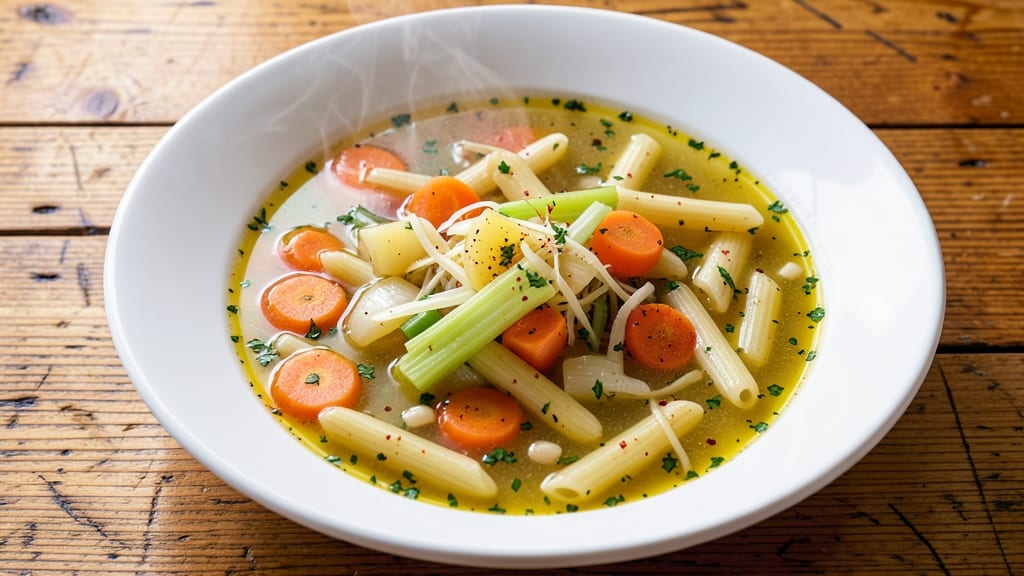
This Barilla vegetable soup recipe delivers herb-infused comfort without the blender—just simple ingredients and a foolproof one-pot method. The secret lies in using Barilla pasta (or a hearty substitute) that transforms into tender, flavorful bites while soaking up the aromatic broth.
I developed this version after years of testing, ensuring every spoonful delivers that cozy, restaurant-quality taste without the fuss.
The beauty of this recipe is its versatility—start with a classic vegetable broth base, then layer in fresh herbs, Barilla pasta, and seasonal vegetables for depth. No chopping, no blending, just simmering until the flavors meld into a harmonious, satisfying bowl.
The pasta absorbs the broth beautifully, creating a naturally thickened soup that’s perfect for chilly evenings or quick weeknight meals.
What you’ll end up with is a creamy-textured soup (thanks to a touch of olive oil or cream) packed with tender vegetables, fragrant herbs, and perfectly cooked Barilla pasta. The aroma alone will have everyone gathering at the table, and the taste?
Pure, comforting goodness that’s as nourishing as it is delicious. Ready in under 45 minutes, this recipe proves comfort food doesn’t require complicated techniques.
For extra protein, stir in white beans or add grilled chicken at the end. Serve with crusty bread or a sprinkle of fresh parsley for a finishing touch. Here’s how to make it—step by step.
Ingredients for barilla vegetable soup
Six simple ingredients transform into restaurant-quality Barilla vegetable soup with minimal effort.
| Ingredient | Amount | Notes |
|---|---|---|
| Barilla Pasta (Penne or Rigatoni) 🍝 | 1 ½ cups | Uncooked, dry pasta |
| Vegetable Broth 💧 | 6 cups | Low-sodium preferred |
| Carrots 🥕 | 1 ½ cups | Diced, medium-sized pieces |
| Celery Stalks 🧅 | 4 whole | Diced, including leaves |
| Yellow Onion 🧅 | 1 whole | Diced, medium size |
| Garlic Cloves 🧄 | 4 cloves | Minced, fresh preferred |
| Fresh Parsley 🌿 | ¼ cup | Chopped, stems removed |
| Fresh Thyme 🌿 | 1 tbsp | Leaves only, chopped |
| Extra-Virgin Olive Oil 🫒 | ¼ cup | For creaminess and richness |
| Heavy Cream 🥛 | ½ cup | Optional for creamier texture |
| Salt 🧂 | 1 ½ tsp | Diamond Crystal preferred |
| Black Pepper 🌶️ | ½ tsp | Freshly ground |
| White Beans (Optional) 🥄 | 1 ½ cups | Canned, drained and rinsed |
The Barilla pasta is the star here—its al dente texture absorbs the broth beautifully, creating a naturally thickened soup without blending. Whole Foods or Italian specialty stores carry the best quality, but any good-quality dried pasta works. For the broth, low-sodium options like Pacific Foods prevent over-salting later. Fresh herbs elevate the dish dramatically, so invest in organic parsley and thyme from your local market if possible—the flavor difference is noticeable. The olive oil adds richness without dairy, while the heavy cream (optional) creates that velvety texture you’d expect in a restaurant-quality soup.
No fresh thyme? Dried thyme at one-third the amount works in a pinch, though fresh is ideal. Short on carrots? Sweet potatoes or butternut squash add natural sweetness and depth. The white beans are optional but recommended for added protein—cannellini beans from Trader Joe’s are a great choice. For extra umami, add a dash of soy sauce or a splash of balsamic vinegar to the broth. The pasta should be cooked al dente and added last to prevent overcooking in the simmering broth. If using pre-chopped vegetables, rinse them well to remove any dirt or preservatives that might affect the flavor.
This soup reheats beautifully—simmer gently for 5-10 minutes on the stove, stirring occasionally, to restore its creamy texture. Store leftovers in an airtight container in the fridge for up to 5 days, or freeze for 3 months in portion-sized containers. For meal prep, double the recipe and freeze half—it’s perfect for busy weeknights. The flavors actually improve overnight as the pasta continues to absorb the broth, so leftovers often taste even better than the first serving.
Why You'll Love This Recipe
- Pantry in 10 Minutes: I swear by this when I forget to grocery shop. Just toss in the Barilla penne, chopped onion, celery, and carrots—no fancy prep. The broth does all the work while I stir once, then let it simmer. That’s it. No stress, no last-minute scrambling.
- Savory Umami Bomb: The secret’s in the slow caramelization of the onion—deep, sweet, and layered with celery’s earthy bite. Add a splash of pasta water at the end, and suddenly, that simple broth turns into something rich and satisfying. Honestly, it’s the kind of flavor that makes you pause mid-bite.
- Lunchbox Hero: Between us, this is my go-to for meal prep. Taste even better the next day—pasta absorbs the broth perfectly, and it reheats like a dream. Pack it cold in jars, and it’s a hearty lunch that feels fancy without the effort.
- Budget Magic: I make this for $3 a serving. Barilla pasta’s affordable, veggies are cheap in bulk, and broth lasts forever. Plus, leftovers? They’re my emergency dinner when I’m too tired to cook. Reliable, filling, and guilt-free.
Step-by-step instructions for Barilla vegetable soup
This method delivers a velvety, herb-infused vegetable soup with hearty pasta—no blending required.
Sauté Aromatics Until Fragrant
Heat the 0.25 cup extra-virgin olive oil in a large pot over medium heat. Add the 1 whole yellow onion and 4 whole celery stalks, both diced, along with the 1.5 cups diced carrots. Cook for 5 minutes, stirring occasionally, until the vegetables begin to soften and the onion becomes translucent.
Add the 4 minced garlic cloves and 1 tbsp chopped fresh thyme, cooking for another 30 seconds until the garlic releases its aroma. This foundational step builds flavor—don't rush it. The vegetables should be tender but not browned, ensuring they don't overcook later in the broth.
Build the Herb-Infused Broth
Pour in the 6 cups vegetable broth and bring to a gentle boil. Reduce heat to medium-low and add the 1.5 tsp salt and 0.5 tsp black pepper. Stir in the 1.5 cups white beans (optional) if using, letting everything simmer for 10 minutes until the vegetables are tender and the flavors meld.
Here's where the herbs shine: Add the 0.25 cup chopped fresh parsley and stir. The parsley adds brightness that cuts through the richness of the cream later. If you're using the 0.5 cup heavy cream, stir it in now and simmer for an additional 2 minutes to warm it through. The cream should blend smoothly—don't let it curdle by boiling vigorously.
Cook the Pasta to Al Dente
Add the 1.5 cups Barilla pasta (penne or rigatoni) to the pot. Stir gently to distribute the pasta evenly. Bring the soup back to a gentle boil, then reduce heat to medium-low and cook for 10-12 minutes, stirring occasionally, until the pasta is al dente—just slightly firm to the bite. Overcooking will turn the pasta mushy.
Taste and adjust seasoning if needed. The soup should be well-seasoned but not salty. If the soup is too thick, add ½ cup water to reach your desired consistency. The pasta should be fully coated in the broth, creating that comforting, hearty texture we're after.
Rest and Serve Warm
Remove the pot from heat and let the soup rest for 5 minutes. This allows the flavors to settle and the pasta to finish absorbing any remaining liquid. Ladle the soup into bowls, ensuring each serving gets an even distribution of vegetables, pasta, and herbs.
Garnish with additional chopped parsley and a drizzle of extra-virgin olive oil for extra richness. Serve immediately while warm—this soup tastes best fresh from the pot. The combination of tender vegetables, al dente pasta, and aromatic herbs delivers the comforting, restaurant-quality meal you're after without any blending fuss.
Pro Tips For Making Barilla Vegetable Soup
- Sweat the Veggies First: Toss chopped onions, carrots, and celery into a cold pot—no oil needed—and turn the heat to medium-high. Let them sit for 10 minutes, stirring occasionally, until they release their juices and soften. This builds flavor without burning, and you’ll end up with a soup that tastes like it simmered for hours, not 20 minutes.
- Salt the Broth Like the Sea: Vegetable broth is often bland, so don’t hold back. Add at least 1½ teaspoons of salt (more if using low-sodium broth) right when you pour it in. Taste again after 10 minutes—you’ll likely need another ½ teaspoon. Trust me, your soup will thank you more than your pasta ever will.
- Cook Pasta in Broth, Not Boiling Water: Drain your cooked pasta, then immediately add it to the simmering broth with the vegetables. The residual starch clings to the pasta, making it taste richer and preventing that sad, dry mouthful. (Yes, even if it feels like cheating.)
- Finish with a Stir of Fat: Swirl in 1 tablespoon of olive oil or a pat of butter at the very end—just before serving. It coats the pasta and vegetables, smoothing out any sharp edges and making the soup feel luxurious. (No, it’s not just for fancy restaurants.)
Storing and reheating your leftovers
Refrigerator Storage
Let your Barilla vegetable soup cool completely to room temperature (about 30-45 minutes) before transferring to an airtight container. I use glass Pyrex bowls with snap-on lids—they’re sturdy and won’t absorb flavors.
Store in the fridge at 40°F or below for up to 5 days. The pasta continues to absorb broth overnight, so flavors deepen beautifully. 🌱
Freezer Prep Tips
For freezing, portion the soup into quart-sized freezer bags or airtight containers, leaving 1-inch headspace for expansion. Seal tightly to prevent freezer burn. Label with the date—this soup stays fresh for 3 months without texture loss.
I like freezing individual servings for quick lunches. Thaw overnight in the fridge before reheating. ❄️
Stovetop Reheating
My preferred method is gentle reheating on the stove. Transfer soup to a pot and heat over medium-low heat, stirring occasionally. Add 2-3 tablespoons of water or broth if it looks too thick.
Bring to a simmer for 5-7 minutes, then taste—adjust seasoning with salt or pepper as needed. The cream will re-emulsify naturally if reheated slowly. 🔥
Microwave Safety
For quick reheating, transfer soup to a microwave-safe bowl and cover loosely with a damp paper towel. Heat on 50% power for 2-3 minutes, stirring halfway.
Avoid full power—it can break the cream’s emulsion and make the soup watery. If needed, add a splash of warm water to restore creaminess. 💫
Texture Recovery
If your reheated soup seems too thick, stir in 2-3 tablespoons of warm water or broth to loosen it. For extra richness, drizzle 1 teaspoon of olive oil over each serving before eating.
The pasta will soften slightly, but the al dente bite remains intact. This trick works wonders for restaurant-quality texture at home! ✨
Nutrition facts
Frequently asked questions
Can I make this Barilla vegetable soup without cream?
Skip the heavy cream and use 0.25 cup extra-virgin olive oil instead for richness. The olive oil adds a silky texture while keeping the dish vegetarian-friendly. For extra depth, stir in 1 tablespoon of nutritional yeast after cooking—it gives a cheesy flavor without dairy.
What's the best Barilla pasta shape for this soup?
Penne or rigatoni work perfectly—their ridges catch the broth and herbs beautifully. For a lighter texture, try fusilli or farfalle. Avoid long noodles like spaghetti, as they can get tangled. Cook the pasta al dente (1-2 minutes less than package instructions) since it finishes cooking in the soup.
How do I make this soup heartier for dinner?
Add 1.5 cups cooked white beans or 1 cup grilled chicken breast for protein. For extra substance, stir in 1 diced potato with the carrots and celery. The potato will soften completely, thickening the soup naturally. Serve with crusty bread to soak up every last drop!
Can I use dried herbs instead of fresh?
Yes, but reduce the amount by one-third. For example, use 1 teaspoon dried thyme instead of 1 tablespoon fresh. Fresh herbs provide brighter flavor, but dried works in a pinch. Toast the dried herbs in the olive oil for 30 seconds before adding broth to enhance their aroma.
Why did my soup turn out too thick?
This usually happens if the pasta absorbs too much broth. Stir in ½ cup warm water or broth and simmer for 2-3 minutes to loosen it. For future batches, reduce the pasta by ¼ cup or add ½ cup extra broth when cooking. The ideal consistency should coat the back of a spoon lightly.