
Soups & Stews
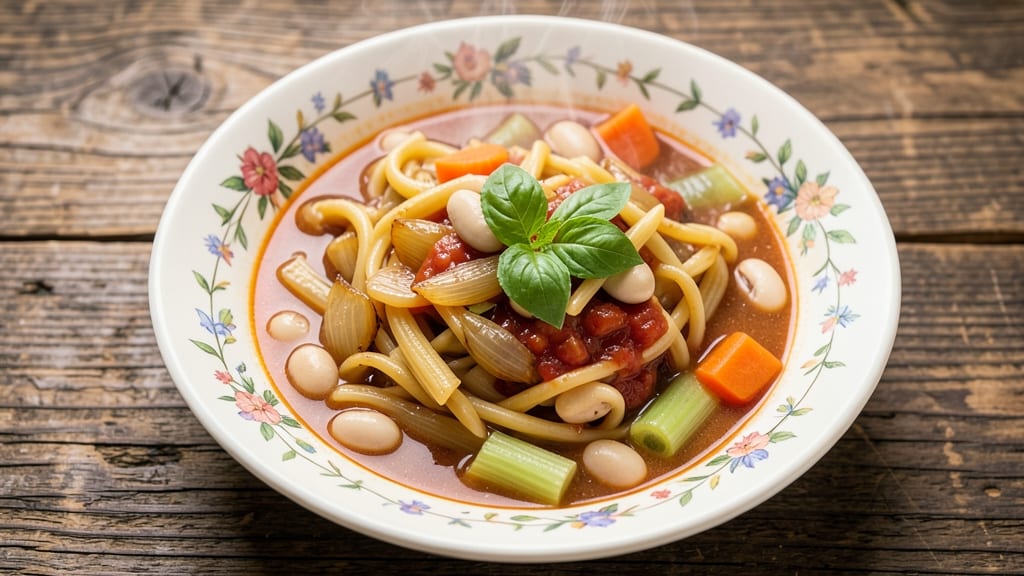
This Barilla minestrone soup recipe transforms simple ingredients into a hearty, tomato-basil-rich bowl of comfort that tastes like a slice of Italian countryside. The secret lies in slow-simmered broth, al dente pasta, and a mix of white beans and seasonal vegetables that develop deep, savory flavors over time.
I've perfected this version to balance richness with freshness—no heavy cream, just vibrant herbs and a touch of Parmesan to elevate every spoonful.
The beauty of this soup is its versatility—it works as a light lunch or a satisfying dinner, especially when topped with crispy vegetable crowns for texture. Barilla's signature tomato-basil base ensures a bright, herbaceous flavor that cuts through the heartiness of the beans and vegetables.
What makes this recipe stand out is the two-stage simmering technique: first building the broth, then adding the pasta and vegetables at the right moment to maintain perfect texture.
By the time you're done, you'll have a bowl of rustic Italian warmth—creamy from the beans, tender from the vegetables, and brightened by fresh basil and tomato. The aroma alone will have everyone gathering around the table, and the leftovers reheat beautifully for days of easy lunches.
This is minestrone the way it should be made: simple, hearty, and full of character.
Serve it with crusty bread to soak up every last drop of that tomato-basil broth, or pair it with a simple green salad for a complete meal.
For added depth, finish with a sprinkle of grated Parmesan and a few fresh basil leaves—because sometimes, the smallest touches make the biggest difference. Let's get cooking!
Ingredients for barilla minestrone soup
Simple ingredients, Italian-inspired flavors—this Barilla minestrone delivers rustic warmth in every bowl.
| Ingredient | Amount | Notes |
|---|---|---|
| Barilla Tomato-Basil Pasta 🍝 | ½ lb | Penne or rigatoni preferred |
| Canned White Beans 🥫 | 2 cups | Drained, rinsed, cannellini or great northern |
| Barilla Tomato-Basil Sauce 🍅 | 2 cups | No added cream, check label |
| Carrots 🥕 | 2 medium | Peeled, cut into 1/4-inch slices |
| Yellow Onion 🧅 | 1 medium | Diced, about 1 cup |
| Celery Stalks 🧄 | 3 whole | Trimmed, cut into 1/2-inch pieces |
| Garlic Cloves 🧄 | 4 cloves | Minced, fresh preferred |
| Fresh Basil Leaves 🌿 | ½ cup | Chopped, stems removed |
| Vegetable Broth 💧 | 4 cups | Low-sodium preferred |
| Parmesan Cheese 🧀 | ½ cup | Freshly grated, reserved |
| Extra-Virgin Olive Oil 🫒 | 2 tbsp | For sautéing vegetables |
| Dried Oregano 🍃 | 1 tsp | Crushed between fingers |
| Salt 🧂 | 1 ½ tsp | Diamond Crystal preferred |
| Black Pepper 🌶️ | ½ tsp | Freshly ground |
| Zucchini 🥒 | 1 medium | Diced, about 1 cup |
The Barilla tomato-basil sauce is the foundation—grab the no-cream version for authentic flavor. For the beans, cannellini or great northern work best, but any white bean will do. Fresh basil is ideal, but dried oregano at one-third the amount works in a pinch. The vegetable broth should be low-sodium to let the natural flavors shine. I always buy Barilla's tomato-basil sauce at Whole Foods—it's the closest to Italian nonna-style without being heavy. For the Parmesan, grate it yourself from a wedge; pre-grated has anti-caking agents that ruin the texture.
No fresh basil? Dried basil at one-half the amount still adds depth. Swap zucchini for spinach or kale if you prefer greens. The carrots and celery can be substituted with frozen chopped vegetables if needed. For a heartier soup, add 1 cup of diced potatoes with the carrots. The key to texture is the two-stage simmer: first build the broth with beans and vegetables, then add the pasta at the end to keep it al dente. If you're short on time, use pre-chopped frozen vegetables—just thaw and drain them first.
This soup tastes even better the next day as flavors meld. Store in an airtight container for up to 5 days in the fridge or freeze for 3 months. I like to portion it into single-serving containers for easy lunches. For extra crunch, top with crispy vegetable crowns or toasted breadcrumbs. The Parmesan keeps well in the fridge for 2 weeks if wrapped tightly in parchment paper. Fresh herbs like basil should be stored in a glass of water like flowers to maintain freshness for up to a week.
Why You'll Love This Recipe
- Pantry-Friendly Powerhouse: I swear by this when my fridge is bare—just open a can of beans, dump in the Barilla sauce, and boom. No last-minute grocery runs, no sad produce drawer staring back at you.
- Tomato-Basil Magic: That Barilla sauce? It’s like a shortcut to fresh basil and sun-ripened tomatoes without the fuss. The pasta soaks it up perfectly, and the beans add just enough heartiness to make it feel like a full meal.
- Lunchbox or Leftovers: Between us, this soup tastes better the next day—thicker, richer, and somehow more comforting. Pack it for work or reheat for dinner; it’s my go-to for feeding the family without extra effort.
- Budget Booster: Carrots, onion, canned beans, and pasta? Check. This recipe costs me less than $5 for four servings, and I still feel like I’m serving something special. (Yes, even on a Tuesday night.)
Step-by-step instructions for hearty Barilla minestrone soup
This method delivers a rich, balanced minestrone with vibrant tomato-basil flavors and perfectly al dente pasta.
Sauté the Vegetable Base
Heat the 2 tablespoons extra-virgin olive oil in a large Dutch oven over medium heat. Add the 1 medium yellow onion, 2 medium carrots, and 3 whole celery stalks, all prepped as specified. Cook for 8-10 minutes until the vegetables soften and begin to caramelize at the edges—this builds deep flavor. Add the 4 cloves minced garlic and 1 teaspoon dried oregano, cooking for another 30 seconds until fragrant.
Here's the thing—don't rush this step. The vegetables should release their moisture and develop a golden hue before moving forward. If they stick, add a splash of water and scrape with a wooden spoon to deglaze. This creates the flavor foundation for your soup.
Build the Tomato-Basil Broth
Pour in the 2 cups Barilla tomato-basil sauce and stir to combine with the sautéed vegetables. Add the 4 cups vegetable broth and bring to a gentle boil. Reduce heat to medium-low and let it simmer uncovered for 15 minutes, allowing the flavors to meld. This is where the soup develops its characteristic depth—don't skip this simmering time.
After 10 minutes of simmering, stir in the 2 cups drained white beans and 1 medium diced zucchini. The beans will help thicken the soup naturally as they cook. If the broth appears too thin, reduce heat further to maintain a gentle simmer rather than increasing heat, which can make the soup watery.
Finish with Fresh Herbs and Pasta
Just before adding the pasta, stir in the 0.5 cup chopped fresh basil leaves. This final herb addition brightens the soup with fresh aroma and flavor. Add the 0.5 lb Barilla tomato-basil pasta and cook according to package directions—typically 10-12 minutes—until al dente. The pasta should have a slight bite to it when you taste test.
Real talk: Don't overcook the pasta. It will continue cooking in the hot broth, and overcooked pasta makes for a mushy minestrone. Reserve 1 cup pasta water before draining, as it helps adjust the soup's consistency if needed.
Season and Serve
Remove from heat and stir in the 1.5 teaspoons salt and 0.5 teaspoon black pepper. Taste and adjust seasoning—you may need more salt depending on your broth. Ladle into bowls and top each serving with 1 tablespoon freshly grated Parmesan cheese. The cheese adds a salty, umami finish that ties all the flavors together.
This soup tastes best served immediately while the pasta is still al dente and the broth is steaming hot. If you need to reheat leftovers, do so gently on the stovetop with a splash of water to maintain the perfect texture. The flavors will continue developing as it sits, making it even more delicious the next day.
Pro Tips For Making Barilla Minestrone Soup
- SOFTEN BEANS FIRST: The canned white beans in this recipe are a shortcut, but if they’re still rock-hard after heating, drain them, toss with 1 tablespoon olive oil, and warm in a dry pan for 2 minutes. That extra step makes all the difference—no one wants to chew soup.
- DON’T BOIL THE PASTA: Barilla Tomato-Basil Pasta is already cooked—toss it in the last 2 minutes of simmering to warm through and soak up flavor. Overcooking turns it mushy, and you’ll regret it when the texture goes to mush.
- CHOP ONION SMALL: A 1-inch dice for the yellow onion ensures even cooking and prevents chunks that linger like a bad memory. Skip the big slices, or you’ll be picking them out of every bowl.
- SAVE THE SAUCE WATER: Barilla Tomato-Basil Sauce is thick, but if it’s too stiff, thin it with ¼ cup of the pasta’s cooking water (or broth) before adding it to the pot. It stretches the flavor and keeps the soup from tasting like glue.
Essential equipment for great barilla minestrone soup
Dutch Oven Essentials
A large Dutch oven (like the Le Creuset 6-quart) is my go-to for this recipe—its heavy bottom distributes heat evenly and prevents scorching. The high sides help contain any splashing while sautéing onions and carrots. I’ve used mine for years, and it’s become non-negotiable for soups like this. 🔥
Wooden Spoon Must-Have
Never use metal utensils when stirring your minestrone—wooden spoons (I love the OXO Good Grips) protect your pot from scratches and won’t react with acidic tomato sauce. They’re also gentle on the beans and pasta, preventing them from breaking apart. Trust me, your soup will thank you.
Fine-Mesh Strainer
A fine-mesh strainer (like the OXO Good Grips) is crucial for rinsing your white beans before adding them to the soup. It removes excess starch that can make the broth cloudy. I also use it to drain the pasta water—reserving 1 cup helps adjust the soup’s consistency if needed.
Cheese Grater
For that restaurant-quality Parmesan, invest in a handheld cheese grater (my favorite is the Microplane). Pre-grated cheese has anti-caking agents that ruin the texture. Freshly grated Parmesan adds a salty, umami finish that elevates every bowl. 🧀
Measuring Cups & Spoons
Precision matters in minestrone—stainless steel measuring cups (like the OXO Stainless Steel) ensure accurate broth-to-vegetable ratios. I also keep a small set of measuring spoons (like the OXO Good Grips) handy for herbs and spices.
The difference between 1 tsp oregano and ½ tsp can change the flavor profile entirely.
Optional: Immersion Blender
If you prefer a smoother texture, an immersion blender (like the Ninja) lets you blend directly in the pot for a velvety finish. Pulse for 10-15 seconds—just enough to soften the carrots and celery without turning the soup into a puree.
This is optional, but it’s a game-changer for busy weeknights. ⚡
Nutrition facts
Frequently asked questions
Can I make this minestrone soup without Barilla products?
For the tomato-basil sauce, use a high-quality no-cream marinara sauce (like Rao's or Bertolli). For the pasta, any rigatoni or penne works well—just stick to the same 0.5 lb per 6 servings ratio. The key is maintaining that tomato-basil brightness—look for sauces with fresh basil listed as an ingredient.
How do I make this recipe vegan?
Replace the Barilla tomato-basil sauce with a vegan marinara, use vegetable broth instead of chicken broth, and swap the Parmesan for nutritional yeast or vegan Parmesan. For extra richness, stir in 1 tablespoon olive oil at the end. The beans and vegetables will still provide plenty of hearty texture!
Why does my minestrone turn out watery?
This usually happens when the broth isn't reduced enough or the pasta releases too much starch. Simmer the broth uncovered for 20 minutes before adding pasta to thicken it naturally. If needed, remove the pot from heat and stir in 1 tablespoon cornstarch mixed with 2 tablespoons water to bind the liquid.
Can I prep this soup ahead of time?
Yes! Make it up to 3 days ahead and store in an airtight container in the fridge. The flavors actually improve as they meld. When reheating, add 2-3 tablespoons water to prevent drying out. For freezing, portion into single-serving containers and freeze for up to 3 months. Thaw overnight in the fridge before reheating.
What's the best way to reheat leftovers?
Gently reheat on the stovetop over low heat, stirring occasionally and adding 1-2 tablespoons water or broth if needed. Microwaving can make the pasta mushy—always use the stovetop method. For extra flavor, add a splash of lemon juice or a pinch of red pepper flakes when reheating.