
Soups & Stews
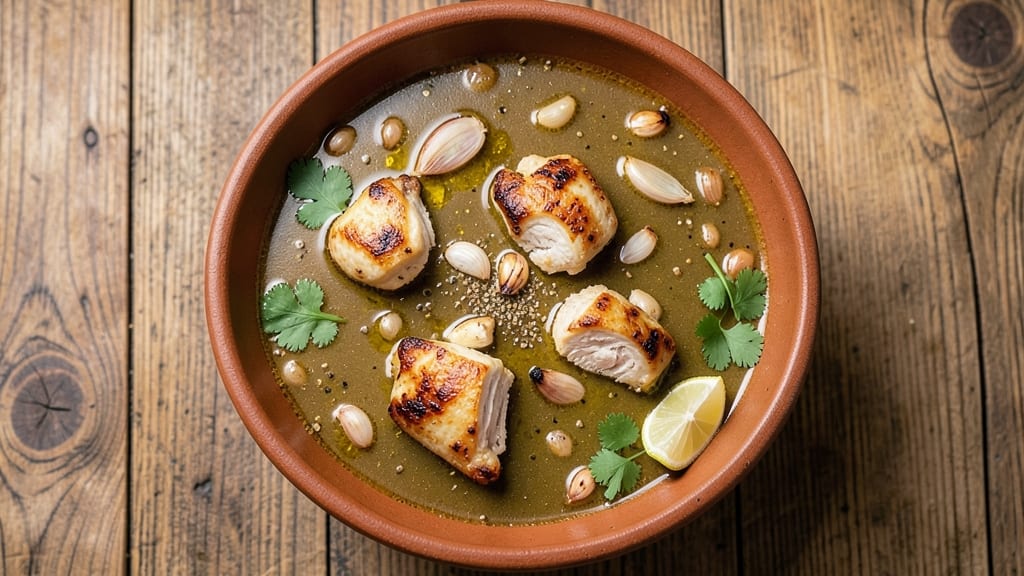
This Bangladeshi chicken soup recipe brings the comforting warmth of a traditional homestyle dish to your kitchen, where fragrant turmeric and earthy cumin infuse every spoonful. The secret lies in slow-simmered broth that transforms simple ingredients into something deeply flavorful—just like my grandmother used to make.
I’ve perfected this recipe over years of testing, ensuring the spices meld perfectly while keeping the chicken tender and the vegetables just right.
The magic begins with mustard oil, a staple in Bangladeshi cooking, which adds a distinct aroma and depth that no other oil can replicate. As the soup simmers, the spices—cumin, coriander, and turmeric—release their earthy, warming notes, creating a broth that’s both comforting and complex.
Potatoes and carrots soften into the liquid, absorbing all the flavors, while spinach wilts in at the end, adding a touch of freshness.
What you’ll end up with is a bowl of soup that’s rich, aromatic, and deeply satisfying—perfect for chilly days or when you need a meal that feels like home.
The broth is so flavorful it’ll make you want to sip it straight from the pot, while the tender chicken and vegetables create a harmonious balance of textures and tastes. This is the kind of dish that disappears quickly, so plan to make extra.
Whether you’re serving it to family or enjoying a quiet meal, this recipe delivers the heart of Bangladeshi home cooking. The best part? It’s simpler than it sounds, with just a few key ingredients and techniques that make all the difference.
Let’s get cooking—your kitchen will smell like a Bangladeshi home in no time.
Ingredients for bangladeshi chicken soup
Mustard oil, fragrant spices, and tender chicken transform simple ingredients into a soul-warming Bangladeshi soup.
| Ingredient | Amount | Notes |
|---|---|---|
| Mustard Oil 🫒 | ½ cup | For authentic aroma |
| Chicken Thighs 🍗 | 2 ½ lb | Bone-in, skin-on preferred |
| Yellow Onions 🧅 | 2 whole | Chopped into small pieces |
| Garlic Cloves 🧄 | 6 cloves | Minced for spice base |
| Ground Cumin 🌿 | 1 ½ tbsp | Toasted for deeper flavor |
| Ground Coriander 🌿 | 1 tbsp | Freshly ground preferred |
| Turmeric Powder 🌶️ | 1 tbsp | Bright yellow color |
| Ginger Root 🌿 | 1 tbsp | Freshly grated, peeled |
| Russet Potatoes 🥔 | 2 lb | Peeled, cut into chunks |
| Carrots 🥕 | 4 whole | Baby or regular, sliced |
| Fresh Spinach 🌿 | 4 cups | Chopped, added last |
| Water 💧 | 8 cups | For broth base |
| Salt 🧂 | 2 tsp | Adjust to taste |
| Black Pepper 🌶️ | ½ tsp | Freshly ground |
| Fresh Cilantro 🌿 | ¼ cup | Chopped for garnish |
| Lemon Juice 🍋 | 1 tbsp | Freshly squeezed |
Mustard oil is non-negotiable here—it gives that signature Bangladeshi aroma. Look for it in the international aisle of stores like Whole Foods or Indian grocery stores. If you can't find it, vegetable oil works in a pinch, but the flavor won't be the same. The chicken thighs are key—they stay tender while absorbing all the spice. Bone-in, skin-on is traditional, but boneless works too. For the spices, Penzeys or Spicewalla have the best quality, but even the grocery store stuff works if it's fresh. Quick test: if your cumin smells like dust, toss it.
No mustard oil? Vegetable oil with 1/2 tsp mustard seeds mimics the aroma. Fresh ginger and garlic can be swapped for powdered, but reduce to 1/2 the amount. The spinach must go in last—it wilts in seconds. Want extra richness? Add 1/2 cup coconut milk at the end. For the carrots, baby carrots are convenient, but regular carrots work too. The potatoes should be peeled and cut evenly so they cook at the same rate. If you're short on time, pre-cut frozen potatoes save 10 minutes of chopping.
This soup tastes even better the next day as flavors meld. Store in the fridge for 4-5 days or freeze for 3 months. I always make a double batch—one for dinner, one for lunch the next day. The broth freezes beautifully. For serving, keep the mustard oil separate until ready to eat—it's too strong to cook with. Garnish with cilantro and a squeeze of lemon just before serving. The aroma alone will make your kitchen smell like home.
Why You'll Love This Recipe
- One-Pot Magic: I swear by this recipe when I’m too tired to wash a million dishes. The mustard oil infuses the broth while the chicken simmers—no extra pans, no fuss. Just dump, stir, and let it do its thing.
- Mustard Oil Magic: Honestly, that first golden sizzle of mustard oil in the pot is what makes this soup special. It’s bold, it’s warm, and it turns simple chicken into something deeply comforting—like a hug in a bowl.
- Leftovers That Don’t Suck: I make this on Sundays because it tastes just as good reheated as it does fresh. The broth thickens overnight, and the chicken stays tender—no sad, dry leftovers here. Plus, it’s cheap enough to stretch for days.
Step-by-step instructions for Bangladeshi chicken soup
Here's how to craft this fragrant, spice-infused soup that captures the heart of Bangladeshi home cooking.
Prepare the Spice Base
Heat the 0.5 cup mustard oil in a large pot over medium-low heat. Once it shimmers but doesn't smoke, add the 2 whole yellow onions that you've chopped into small pieces. Sauté for 5-6 minutes until they turn translucent and begin to caramelize at the edges.
Add the 6 cloves minced garlic, 1 tbsp ginger root that you've freshly grated, 1.5 tbsp ground cumin, 1 tbsp ground coriander, and 1 tbsp turmeric powder. Stir continuously for 2-3 minutes until the spices release their aroma and the mixture turns a vibrant golden yellow. This is the soul of your soup—don't rush this step. The spices should be fragrant but not burned, creating that signature Bangladeshi warmth.
Brown the Chicken and Build the Broth
Add the 2.5 lb chicken thighs to the pot, turning them to coat evenly in the spice mixture. Let them brown for 3-4 minutes on each side—this creates flavorful crusts that'll infuse the broth. Pour in the 8 cups water and bring to a boil.
Once boiling, reduce heat to medium-low and let it simmer uncovered for 20 minutes. Skim off any foam that rises to the surface during this time. This initial simmer helps tenderize the chicken and extract its natural flavors into the broth. You'll know it's working when you smell that rich, aromatic steam rising from the pot.
Add Vegetables and Simmer
Add the 2 lb russet potatoes cut into chunks and the 4 whole carrots sliced into rounds. Stir gently to submerge them in the broth. Increase heat to medium-high and bring back to a boil. Once boiling, reduce heat to low and let it simmer uncovered for 25-30 minutes until the potatoes are fork-tender and the carrots are easily pierced with a fork.
Here's the thing—don't peek or stir too often. Each time you open the pot, you lose heat and moisture. Let the soup work on its own. The broth should reduce slightly, becoming more concentrated with flavor. You'll see the vegetables soften and the broth take on that beautiful golden hue from the spices.
Finish with Spinach and Seasoning
Stir in the 4 cups chopped fresh spinach and cook for 3-4 minutes until just wilted. The spinach should blend seamlessly into the broth, adding a fresh contrast to the rich spices. Remove the pot from heat and let it sit for 5 minutes to allow the flavors to meld.
Season with 2 tsp salt and 0.5 tsp black pepper, then stir in 1 tbsp lemon juice. Taste the broth and adjust seasoning if needed—this is where you can really make it your own. The lemon juice brightens all the flavors and cuts through the richness of the mustard oil and chicken fat.
Serve with Fresh Herbs
Ladle the soup into bowls and garnish each serving with 0.25 cup chopped fresh cilantro. The bright green color and fresh flavor contrast beautifully with the warm, spiced broth. Serve immediately while hot, as the flavors continue to develop as the soup sits.
This soup is best enjoyed fresh, with the aroma of mustard oil and spices filling your kitchen. The combination of tender chicken, hearty vegetables, and fragrant broth creates a comforting bowl that's perfect for any day. Leftovers? They'll taste even better the next day as the flavors deepen.
Pro Tips For Making Bangladeshi Chicken Soup
- CRISP THE ONIONS FIRST: Bangla soup needs onions that actually caramelize—not just soften. Cook them on medium-high heat with a pinch of salt until deep golden (about 8-10 minutes), stirring often. I used to rush this and end up with pale, bland onions that didn’t hold up in the soup. Trust me, the patience pays off when the oil gets infused with that sweet, jammy flavor.
- SIMMER NOT BOIL THE CHICKEN: Once the chicken hits the pot, keep the heat low enough that you barely see bubbles—just tiny ripples at the edges. Boiling toughens the meat and makes it dry. I learned this after serving rubbery chicken twice. A gentle simmer (about 30 minutes for thighs) keeps it tender and lets the flavors meld properly.
- TOAST THE CUMIN IN OIL: Bloom the ground cumin in mustard oil for 30 seconds before adding anything else—it deepens the aroma and prevents that raw, bitter taste. I skipped this once and the soup tasted dull. Just watch it like a hawk; cumin burns fast and turns acrid. (Yes, even if you’re impatient like me.)
- USE COLD CHICKEN THIGHS: Pull the chicken thighs straight from the fridge—no thawing, no room temp. The cold meat cooks more evenly and stays juicier. I tried room-temp thighs once for convenience, and they turned out dry by the end. Save yourself the trouble and start cold.
Regional styles of bangladeshi chicken soup
Dhaka-Style Spiced
The Dhaka region takes this soup to another level by adding 1 tsp fennel seeds to the spice base, creating a subtle anise-like note that pairs beautifully with the mustard oil.
I like to toast the fennel seeds in the oil alongside the onions for 2 minutes before adding the other spices. The result is a soup with a complex, layered flavor profile that feels distinctly Dhaka-inspired.
Serve with steamed rice and a side of mango chutney for the full experience. 🌟
Chittagong Coastal
In the coastal Chittagong region, fishermen's wives traditionally add fresh kokum juice (about 1 tbsp) to the broth for a tangy brightness. I've found that substituting lemon juice works well if you can't find kokum.
The coastal version also incorporates small dried shrimp (about ¼ cup) into the broth for an umami depth that's characteristic of seafood-rich coastal cuisine. The soup takes on a slightly briny quality that's absolutely addictive. 🍤
Rajshahi Heartland
The Rajshahi region, known for its fertile farmland, features a version with extra potatoes (add 1 lb more) and cauliflower florets (about 2 cups) for a heartier, more substantial soup. The Rajshahi style also includes 1 tsp garam masala added during the final 5 minutes of cooking.
This version is perfect for cold winter days when you need something filling. The garam masala adds warmth that cuts through the richness of the mustard oil. 🥔
Modern Fusion Twist
For a contemporary take, I've experimented with adding 1 cup coconut milk at the end along with the spinach, creating a creamy texture that still maintains the soup's integrity. This version works beautifully with chicken breast instead of thighs for a lighter option.
Garnish with toasted coconut flakes and lime wedges for a Thai-Bangladeshi fusion that's surprisingly delicious. The coconut milk rounds out the flavors while keeping the dish vibrant and fresh. 🥥
Vegetarian Adaptation
To make this soup vegetarian, simply replace the chicken with 2.5 lb chickpeas (soaked overnight) or 2 blocks firm tofu (pressed and cubed). The chickpeas add a satisfying heartiness while absorbing all the spice flavors. For tofu, pan-fry the cubes until golden before adding them to the broth.
The vegetarian version benefits from an extra ½ cup coconut milk at the end for creaminess. This adaptation proves the soup's versatility while keeping the soul of Bangladeshi home cooking intact. 🌱
Regional Garnishes
Each region has its own garnishing traditions. In Dhaka, they often finish with crushed roasted peanuts for crunch. Chittagong versions feature fresh mint leaves alongside the cilantro. Rajshahi cooks sometimes add toasted cumin seeds on top.
For a modern touch, I like to drizzle chili oil (made by infusing oil with red chili flakes) over the finished soup. These garnishes elevate the dish from simple to spectacular with just a few extra ingredients. 🌶️
Nutrition facts
Frequently asked questions
Why does this recipe use mustard oil instead of regular oil?
Mustard oil is essential for authentic Bangladeshi flavor—it carries a distinct aroma and earthy warmth that no other oil can replicate. The oil develops its signature taste when heated gently, creating the soul of this soup. If unavailable, use vegetable oil with ½ tsp mustard seeds toasted in it as a substitute.
Can I make this soup with chicken breast instead of thighs?
Yes, but chicken breast requires 10-15 minutes less simmering time to avoid drying out. For best results, use bone-in, skin-on pieces and reduce simmering to 15 minutes after adding water. The skin adds richness, while bones contribute collagen for a naturally thicker broth.
How do I adjust the spice level for kids or sensitive stomachs?
Reduce the turmeric to ½ tbsp and omit black pepper. For extra mildness, strain the broth through a fine-mesh sieve after simmering to remove visible spices. You can also serve the vegetables and chicken separately with plain broth on the side for children to customize their bowls.
What's the secret to making the broth extra flavorful?
The key is low-and-slow simmering and proper spice toasting. Brown the chicken thoroughly before adding water, and simmer uncovered for the full 20 minutes to develop deep flavors. For extra richness, add 1 chicken carcass (from a roasted chicken) to the broth while simmering.
Can I prepare this soup ahead of time?
This soup tastes even better the next day as flavors meld. Store in an airtight container in the fridge for 4-5 days or freeze for 3 months. Reheat gently on the stove, adding a splash of water if needed. The broth will thicken slightly upon reheating—just stir in a little water to reach your preferred consistency.