
Soups & Stews
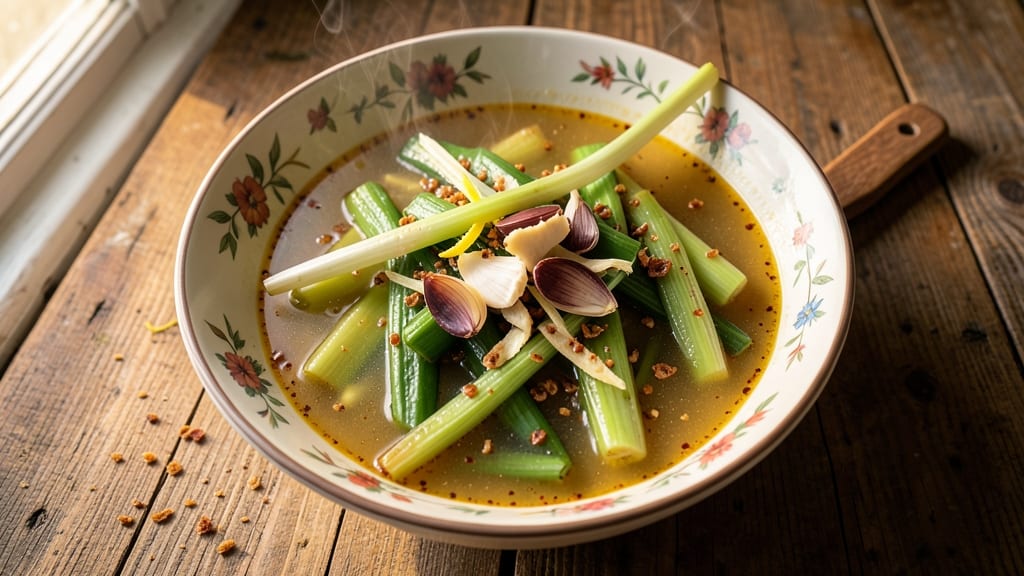
This banana stem soup recipe transforms humble stems into a vibrant, earthy elixir that bridges tropical and savory traditions. The process begins with carefully preparing the stems—peeling, slicing, and blanching them to soften their fibrous texture while preserving their unique, slightly sweet, and nutty flavor.
What starts as a humble vegetable becomes the heart of a rich, aromatic broth infused with garlic, ginger, and lemongrass, creating a dish that’s both comforting and unexpectedly sophisticated.
The beauty of this recipe lies in its versatility—whether you follow a Filipino-inspired approach with tamarind and chili or a Caribbean twist with coconut milk and thyme, the base remains the same.
The soup’s deep green color and delicate balance of flavors make it a standout dish, perfect for those seeking a vegetarian main that’s far from ordinary. The preparation might seem unfamiliar at first, but the result is a restaurant-quality bowl of soup that’s surprisingly simple to achieve at home.
What sets this banana stem soup apart is its ability to adapt to dietary preferences—easily made vegan by omitting animal-based broths or dairy, and customizable with herbs like cilantro or basil for extra freshness.
Each spoonful delivers a harmonious blend of earthy, slightly bitter notes from the stems, balanced by the warmth of spices and the brightness of citrus. This is a soup that invites curiosity, rewards patience, and leaves a lasting impression.
Ready to explore this tropical treasure? The process is straightforward, and the outcome is nothing short of extraordinary. Let’s turn those stems into a bowl of flavor that’s as nourishing as it is delicious.
Ingredients for banana stem soup
Transform humble banana stems into a vibrant, restaurant-quality elixir with these earthy ingredients.
| Ingredient | Amount | Notes |
|---|---|---|
| Banana Stems 🍌 | 1 ½ lb | Peeled, sliced into 1-inch pieces |
| Vegetable Oil 🫒 | ¼ cup | For blanching stems |
| Garlic Cloves 🧄 | 6 cloves | Minced for aromatic base |
| Fresh Ginger 🌿 | ½ cup | Finely chopped, peeled |
| Lemongrass Stalks 🌿 | 3 whole | Bruised, cut into 2-inch pieces |
| Vegetable Broth 💧 | 4 cups | Low-sodium preferred |
| Coconut Milk 🥥 | 1 can | 13.5 oz can, full-fat preferred |
| Tamarind Paste 🍯 | 2 tbsp | Filipino-inspired tang |
| Red Chili Peppers 🌶️ | 2 whole | Bird's eye or Thai chili |
| Fresh Cilantro 🌿 | ¼ cup | Chopped, for garnish |
| Lime Juice 🍋 | 2 tbsp | Freshly squeezed |
| Sea Salt 🧂 | 1 tsp | Diamond Crystal preferred |
| White Pepper 🌶️ | ½ tsp | Freshly ground |
| Thyme Leaves 🌿 | 1 tbsp | Fresh or dried |
| Green Onions 🧅 | 3 whole | Sliced for garnish |
The banana stems are the star—look for fresh, firm stems at Asian markets or specialty produce sections. Costco sometimes carries them pre-cut in the freezer section, which saves time. If using frozen, thaw overnight in the fridge. The lemongrass and ginger should smell bright and citrusy—no musty odors. For the coconut milk, Aroy-D or Thai Kitchen brands have the richest texture, but any full-fat canned version works. The tamarind paste is key for that Filipino tang—Trader Joe's sells it in tubes, which is perfect for single-use portions.
No tamarind? Lime juice plus a pinch of sugar mimics the flavor, though it won't be identical. Short on lemongrass? Substitute 1 tbsp lime zest plus 1 tbsp minced ginger—it's not the same, but still aromatic. The vegetable broth can be homemade or store-bought, but avoid high-sodium versions. For heat, red pepper flakes work if you can't find fresh chilies. The thyme can be dried at one-third the amount, but fresh adds a lovely brightness that dried can't match. If you're making this for a crowd, double the coconut milk and broth—it stretches beautifully.
Banana stems keep in the fridge for 3-4 days once peeled, so prep them the night before. The blanched stems can be stored in the fridge for 2 days before adding to the soup. For longer storage, freeze the blanched stems in a sealed bag for up to 3 months. The finished soup reheats well—just warm gently on the stove with a splash of water or broth to restore creaminess. Garnish with fresh cilantro and lime right before serving, as it wilts quickly when heated.
Why You'll Love This Recipe
- Stems in 15 Minutes: I swear, the prep is that fast. Peel those banana stems (yes, the outer layer), slice them thin, and toss them in a pot with oil and garlic—no fancy techniques, just sizzle and simmer. Honestly, I’ve made this while scrolling through my phone.
- Lemongrass-Ginger Punch: That aromatic lemongrass and ginger combo? It’s the secret weapon. The soup starts bright and citrusy, then mellows into this deep, savory richness—like a hug in a bowl. My husband always asks, “What’s in it?” before realizing it’s just the stems.
- Lunchbox Hero: Between us, this is my go-to for meal prep. It reheats beautifully and keeps for days, so I make a big batch on Sundays. Pack it cold for lunch or warm it up for dinner—either way, it’s a crowd-pleaser (yes, even on a Tuesday night).
- Pocketbook-Friendly Magic: Banana stems are dirt cheap and often overlooked. A single bunch stretches into multiple servings, and the other ingredients—garlic, ginger, lemongrass—are pantry staples. I’ll be real: this soup saved me from takeout more times than I can count.
Step-by-step instructions for earthy green banana stem soup
Transform humble banana stems into a vibrant, flavor-packed soup with this precise method.
Blanch and Prepare the Banana Stems
Heat the 0.25 cup vegetable oil in a large pot over medium-high heat. Add the 1.5 lb peeled, sliced banana stems in batches to avoid overcrowding. Blanch for 3-4 minutes until the edges turn bright green and slightly translucent. This step removes bitterness and prepares the stems for cooking.
Drain the blanched stems immediately and rinse under cold water to stop the cooking process. Transfer to a cutting board and roughly chop into ½-inch pieces. Set aside—we'll use these as the soup's signature base. The blanching ensures your soup will have that clean, vegetal sweetness without any harsh aftertaste.
Build the Aromatic Base
In the same pot, reduce heat to medium and add the 6 minced garlic cloves, 0.5 cup finely chopped fresh ginger, and 3 bruised lemongrass stalks cut into 2-inch pieces. Sauté for 4-5 minutes until the garlic is golden and the ginger becomes fragrant—this is your flavor foundation.
Add the 2 whole red chili peppers (seeded if you prefer less heat) and cook for another 1 minute until they darken slightly. This step develops the complex, layered flavors that make this soup so distinctive. The chilis will infuse heat without overpowering the delicate banana stem flavor.
Simmer the Soup Base
Pour in the 4 cups vegetable broth and bring to a gentle boil. Add the chopped banana stems and reduce heat to medium-low. Simmer uncovered for 20-25 minutes until the stems are tender but still hold their shape. You'll know they're ready when a knife slides in easily and the soup takes on a vibrant green hue.
Stir in the 2 tbsp tamarind paste and 1 tbsp thyme leaves during the last 5 minutes of cooking. The tamarind adds that signature Filipino tang that balances the earthy banana stems perfectly. Taste and adjust seasoning with 1 tsp sea salt and 0.5 tsp white pepper—this is where you fine-tune the flavor profile.
Finish with Creamy Coconut and Acidic Brightness
Remove the pot from heat and stir in the 1 can coconut milk until fully incorporated. The coconut milk adds richness while keeping the soup light enough to appreciate the banana stems' natural flavor. Return to low heat and simmer gently for 3-4 minutes just to warm through.
Finish with the 2 tbsp lime juice and 0.25 cup chopped fresh cilantro. The lime juice cuts through the richness while the cilantro adds freshness. Let the soup sit for 5 minutes off heat to allow the flavors to meld completely. This resting period ensures each spoonful delivers perfect balance.
Serve with Garnish and Fresh Herbs
Ladle the soup into bowls and garnish each serving with 3 sliced green onions. The green onions add a fresh, crisp contrast to the creamy soup. Serve immediately while the coconut milk retains its velvety texture and the banana stems are still warm and tender.
For the best experience, pair with steamed jasmine rice or crusty bread. The soup's earthy depth and tropical notes make it equally satisfying on its own or as part of a larger meal. Each bite should deliver that perfect harmony of banana stem sweetness, coconut richness, and tangy brightness.
Pro Tips For Making Banana Stem Soup
- BLEACH THE STEMS FIRST: Skip this, and you’ll end up with a soup that tastes like you’re chewing on a tree branch. Soak the banana stems in salted water (about 2 tablespoons salt per gallon) for 20-30 minutes—this removes the bitterness and softens the fibers. Rinse thoroughly afterward, or your soup will taste like a salt mine.
- SMASH THE GINGER: I used to slice it thin, and it just sat there like a stubborn guest. Instead, pound the ginger with the flat side of your knife or a mortar and pestle until it’s a rough paste. This releases the oils and flavor way faster—no waiting for it to simmer out.
- DON’T BOIL THE LEMONGRASS: Toss it in whole, and you’ll end up with a soup that smells amazing but tastes like nothing. Bruise the lemongrass stalks with the side of your knife first, then cut into 2-inch pieces. This breaks the fibers so the aroma actually infuses the broth instead of hiding in the corners of your pot.
- LOW AND SLOW IS NON-NEGOTIABLE: I’ve seen people rush this, and the stems turn to mush or stay tough as boots. Simmer the soup on medium-low for at least 45 minutes—cover it if it reduces too fast. You’re not making a quick lunch; you’re building layers of flavor. Check the stems with a fork—they should be fork-tender, not falling apart.
Wine and beer pairings for this dish
Filipino-Inspired Wine
This soup’s tamarind and chili profile pairs beautifully with a dry Riesling from Germany—specifically a Dr. Loosen Blue Slate from the Mosel region. The wine’s crisp acidity and subtle honeyed notes complement the tamarind’s tang while its mineral finish echoes the banana stem’s earthiness. 🍷
Tropical Beer Pairings
For a refreshing contrast, try a Belgian Witbier like Hoegaarden or Stella Artois—the citrusy coriander and light effervescence cut through the coconut milk’s richness. If you prefer something bolder, a light lager such as Peroni or Corona works perfectly, balancing the soup’s tropical and savory elements.
Creamy Coconut + White Wine
If you love white wine, a Chardonnay with minimal oak—like La Crema Sonoma Coast—enhances the coconut milk’s creaminess. The wine’s buttery texture mirrors the soup’s richness while its citrus notes brighten the tamarind and lime. Avoid heavily oaked Chardonnays, as they’ll clash with the dish’s delicate balance.
Spicy Sipper Option
For those who enjoy heat, a dry Rosé with a touch of spice—such as Whispering Angel—pairs wonderfully. The wine’s berry undertones contrast the chili’s kick, while its acidity keeps the coconut milk from feeling too heavy. Serve slightly chilled for the best experience. 🌶️
Non-Alcoholic Alternatives
Skip the alcohol? A sparkling ginger beer like Feather’s or a coconut water-based spritzer (mix Vita Coco with lime juice and soda water) refreshes the palate between bites. The ginger beer’s zing mirrors the chili’s heat, while the coconut water enhances the soup’s tropical essence.
Nutrition facts
Frequently asked questions
Why do I need to blanch the banana stems before cooking?
Blanching removes bitterness and softens the fibrous texture, making the stems tender and digestible. The quick oil bath also preserves their vibrant green color and natural sweetness. Skipping this step can leave your soup with an unpleasant, grassy aftertaste.
Can I substitute tamarind paste if I can't find it?
Yes! Mix 2 tbsp lime juice with 1 tsp sugar for a similar tangy brightness. For deeper flavor, use 1 tbsp soy sauce (for umami) plus 1 tsp vinegar. The tamarind's unique complexity is hard to replicate, but these work in a pinch.
How do I know when the banana stems are properly cooked?
Stems are done when they're fork-tender but still hold their shape (20-25 minutes simmering). Test by piercing a piece—it should slide in easily without falling apart. The soup should also turn a bright, vibrant green. Overcooking turns them mushy and dulls the flavor.
Is this soup naturally vegan?
Yes! The recipe is fully plant-based, but check your vegetable broth for hidden animal products. For extra richness, use coconut milk** instead of dairy. The tamarind and coconut base make it hearty enough to satisfy vegan diets without compromise.
Can I make this soup ahead of time?
Prepare it up to 2 days ahead and store in the fridge. Reheat gently on low heat, adding a splash of water or coconut milk to restore creaminess. The flavors actually deepen overnight. For longer storage, freeze the blanched stems separately and add them fresh when reheating.