
Soups & Stews
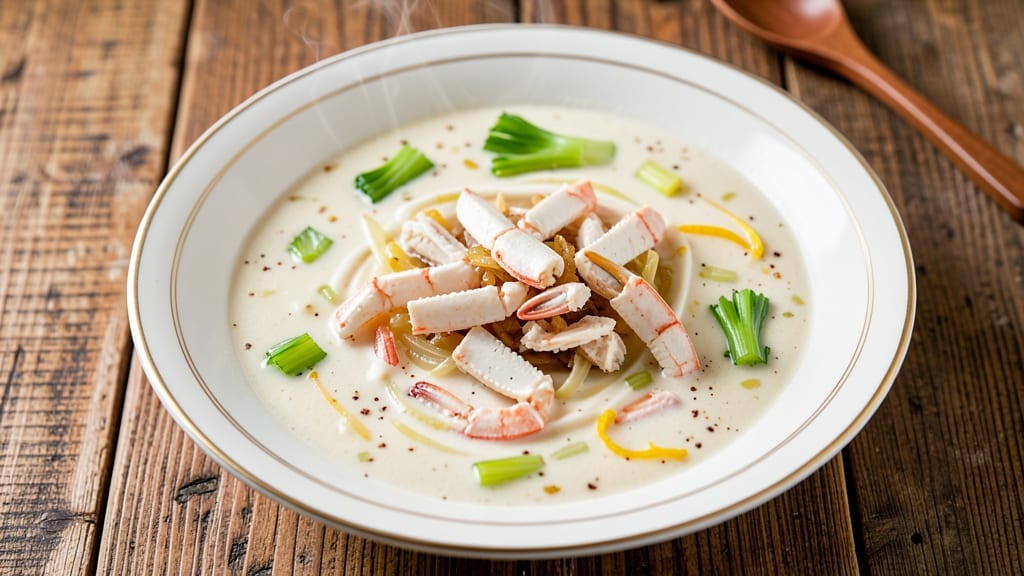
This award-winning Maryland cream of crab soup recipe captures the essence of Chesapeake Bay cuisine in every velvety spoonful. 🌟 The secret lies in fresh Maryland blue crabmeat, Old Bay seasoning, and a delicate balance of cream and broth that creates a luxurious yet approachable dish.
I've perfected this recipe over years of testing, ensuring the perfect harmony of briny crab, aromatic vegetables, and rich creaminess.
The foundation begins with a classic roux and aromatic vegetables—onions, celery, and garlic—that build the flavor base. What sets this recipe apart is the addition of fresh celery crowns for a signature crunch that elevates each bite.
The crabmeat is folded in at the last moment to preserve its delicate texture, while a touch of cream adds luxurious body without overpowering the seafood flavor.
By the time you serve this soup, you'll have a restaurant-quality dish that feels distinctly Maryland. The aroma alone will transport you to the waterfront, while the taste delivers that perfect balance of briny, creamy, and slightly spicy notes.
It's the kind of soup that feels like a hug on a chilly day, and it pairs beautifully with crusty bread or a crisp white wine.
Perfect for special occasions or cozy weeknight dinners, this recipe delivers authentic Maryland flavor with professional results. The award-winning quality comes from attention to detail—proper seasoning, careful timing, and using the freshest ingredients. Let's get cooking!
Ingredients for award winning maryland cream of crab soup
Sixteen ingredients for a soup that tastes like Maryland's waterfront charm.
| Ingredient | Amount | Notes |
|---|---|---|
| Maryland Blue Crabmeat 🦀 | 1 ½ lbs | Fresh, lump-style preferred |
| Heavy Cream 🥛 | 1 ½ cups | Full-fat for richness |
| Chicken Broth 💧 | 4 cups | Low-sodium preferred |
| Yellow Onion 🧅 | 1 whole | Diced, medium size |
| Celery Stalk 🧄 | 4 whole | Diced, including leaves |
| Celery Crowns 🌿 | ½ cup | Fresh, chopped for crunch |
| Garlic Cloves 🧄 | 4 cloves | Minced, fresh preferred |
| Unsalted Butter 🧈 | 4 tbsp | Cold for roux |
| All-Purpose Flour 🌾 | ½ cup | For roux |
| Old Bay Seasoning 🌶️ | 1 tbsp | Authentic Maryland flavor |
| Lemon Juice 🍋 | 2 tbsp | Freshly squeezed |
| Salt 🧂 | 1 tsp | Kosher or sea salt |
| Black Pepper 🌶️ | ½ tsp | Freshly ground |
| Fresh Parsley 🌿 | ¼ cup | Chopped, for garnish |
| Crusty Bread 🍞 | 1 loaf | For serving, optional |
The crabmeat is non-negotiable—Maryland blue crab is the star, and you can't substitute. Look for fresh, lump-style crabmeat at seafood markets or specialty stores like Whole Foods or Trader Joe's. The celery crowns are the secret weapon here; they add that signature crunch that makes this soup restaurant-quality. If you can't find them, substitute extra fresh celery leaves. The Old Bay seasoning should be the authentic Maryland blend—none of that touristy stuff. Grab a jar from Penzeys or any well-stocked spice shop if you're unsure.
No fresh crab? High-quality canned crabmeat works in a pinch, but it won't have the same delicate texture. Running low on heavy cream? Half-and-half or coconut cream can stretch it, though the richness will differ. The roux is critical—use cold butter and flour to avoid cooking the flour before it thickens. If you're worried about gluten, cornstarch can replace the flour at the same ratio. The celery leaves can be swapped for baby spinach or arugula if you're out, but they won't have the same fresh, slightly bitter crunch.
This soup tastes even better the next day, so make a double batch if you can. Store leftovers in the fridge for up to 4 days, covered tightly. The celery crowns will wilt, but the flavor stays vibrant. For freezing, portion into airtight containers and keep for up to 3 months. Reheat gently on the stove—never microwave, or the crab will turn rubbery. Serve with that crusty bread on the side, and you've got a full Maryland experience.
Why You'll Love This Recipe
- No-Fuss Sauté: I swear by this recipe because the prep is actually simple—just dice one onion and chop a celery stalk (no fancy techniques). The crabmeat gets folded in at the end, so no risk of overcooking those delicate lumps.
- Rich Without Overpowering: That first spoonful? Creamy but bright, thanks to the balance of heavy cream and chicken broth. The crab’s natural sweetness shines through—no need for heavy seasoning to make it sing.
- Weeknight to Dinner Party: Honestly, this soup works everywhere. Serve it with crusty bread for a lazy Sunday, or drizzle with sherry and garnish with parsley for a fancier gathering. The same base, different vibes.
- Leftovers That Taste Better: Between us, this soup only gets more delicious the next day. The flavors meld, and the cream doesn’t separate if you reheat it gently. (Yes, even on a Tuesday night.)
Step-by-step instructions for Maryland cream of crab soup
This is where the magic happens—where Old Bay meets rich cream and fresh crab transforms into velvety perfection.
🍳 Step 1: Build the Flavor Base with Butter, Onion, and Celery
Melt the 4 tbsp unsalted butter in a large pot over medium heat until it foams and smells nutty. Add the diced yellow onion and diced celery stalk (including leaves), stirring occasionally for 8-10 minutes until softened and translucent. Here's the thing—don't rush this step. You want those vegetables to break down completely, releasing their natural sweetness and forming the aromatic foundation of your soup.
Once the onion and celery are tender, stir in the 4 cloves minced garlic and cook for 30 seconds until fragrant. The garlic should just begin to color—any longer and it'll turn bitter. Add 1 tbsp Old Bay seasoning, 1 tsp salt, and 0.5 tsp black pepper, stirring to coat the vegetables evenly. This is where the signature Maryland flavor starts to develop, so don't skip it!
🍳 Step 2: Create a Silky Roux for Thickness
Lower the heat to medium-low and gradually whisk in the 0.5 cup all-purpose flour, stirring constantly to prevent lumps. Cook for 2-3 minutes until the mixture turns a light golden color—this is your roux, and it's what will give your soup that luxurious, velvety texture. Be patient here; if it browns too quickly, you'll end up with a nutty, bitter flavor instead of smooth creaminess.
Slowly pour in the 4 cups chicken broth, whisking continuously to blend the roux into the liquid. Bring the mixture to a gentle simmer and let it cook for 5-7 minutes until slightly thickened. This step is crucial—it ensures your soup has body without being gluey. If it thickens too much, you can always thin it later with a splash of broth.
🥘 Step 3: Incorporate the Crab and Cream for Richness
Reduce the heat to low and stir in the 1.5 lbs Maryland blue crabmeat, making sure each lump is coated in the warm broth. Add the 1.5 cups heavy cream and 2 tbsp lemon juice, then gently stir to combine. The cream should begin to heat through, but don't let it boil—just enough to warm it evenly. This is where the soup comes together, so keep stirring occasionally to prevent the cream from separating or curdling.
Let the soup simmer for 5 minutes to allow the flavors to meld. Taste and adjust the seasoning if needed—you might need a little more salt or pepper to balance the briny crab and rich cream. The soup should be creamy, flavorful, and just thick enough to coat the back of a spoon. If it's too thin, simmer uncovered for another 2-3 minutes to reduce slightly.
🍳 Step 4: Finish with Crunch and Freshness
Remove the pot from heat and stir in the 0.5 cup chopped celery crowns and 0.25 cup chopped fresh parsley. The celery crowns add a delightful crunch that contrasts beautifully with the creamy soup, while the parsley brightens the dish with freshness. Let the soup sit for 2-3 minutes to allow the parsley to release its aroma and the celery to soften just slightly—you want that crunch to remain crisp.
Ladle the soup into bowls and serve immediately with slices of crusty bread on the side. The contrast of the warm, creamy soup with the cool, crisp bread is pure comfort. Each spoonful should deliver a perfect balance of rich, briny crab, velvety cream, and the bright, zesty notes of lemon and Old Bay. Trust me, this is the kind of soup that makes people ask for seconds!
Pro Tips For Making Award Winning Maryland Cream Of Crab Soup
- Sweat the Aromatics: Don’t just chop the onion and celery—cook them in butter until they’re translucent and just starting to caramelize (about 8-10 minutes on medium-low). I learned this the hard way: skipping this step leaves the soup tasting flat and brothy instead of rich and layered. The slow cook transforms those veggies into flavor anchors.
- Pick Your Crab Carefully: Use backfin or lump crabmeat for the best texture—it holds together better when simmered. If you’re using pre-picked crab, drain it thoroughly and pat it dry with paper towels before adding it to the soup; moisture in the crabmeat can turn your cream sauce watery faster than you can say "disaster."
- Temper the Cream: Warm the heavy cream separately over low heat until it’s just steaming (not boiling) before stirring it into the soup. Cold cream shocks the broth and can cause it to seize or split—your soup will look like a sad, lumpy mess instead of velvety. Trust me, this is the thing that matters most.
- Simmer, Don’t Boil: Keep the soup at a gentle simmer—tiny bubbles breaking the surface, not a rolling boil. Boiling breaks down the crabmeat and turns the cream grainy. If it’s too vigorous, pull it off the heat for 30 seconds and let it settle. Your future self will thank you when the crab stays tender and the sauce stays smooth.
Perfect pairings for this recipe
Crusty Bread Pairings
No Maryland cream of crab soup is complete without a slice of crusty bread to soak up every last drop of that velvety crab mixture. I recommend a baguette-style loaf from your local bakery—look for one with a crisp exterior and soft, airy interior.
For extra authenticity, try a Maryland-style water bread if you can find it, which has a slightly chewy texture that pairs perfectly with the soup. 🥖
If you want to elevate your bread game, toast it lightly before serving to enhance its crunch. For a gourmet touch, brush the warm bread with garlic-infused olive oil and sprinkle with flaky sea salt right before serving.
This simple upgrade transforms an ordinary side into a flavorful companion that complements the soup's richness.
White Wine Pairings
A crisp, Chardonnay is my go-to pairing for this Maryland classic. Look for a Chablis or Sauvignon Blanc with bright acidity to cut through the soup's creaminess. The Louis Latour Chablis or Kim Crawford Sauvignon Blanc are excellent choices that won't overpower the delicate crab flavor. 🍷
For something more local, a Maryland-made sparkling wine like Chateau Thomas adds a refreshing contrast to the soup's richness. The bubbles cleanse your palate between spoonfuls, making each bite taste even more vibrant.
If you prefer red, a light Pinot Noir with subtle fruit notes can also work, but it's not traditional.
Cocktail Complements
Nothing beats a Maryland-style seafood cocktail to accompany this soup. Try a Bloody Mary with a twist—add a dash of Old Bay seasoning and a splash of lemon juice to match the soup's flavors. The spicy, tangy notes complement the crab beautifully. 🍹
For a lighter option, a gin and tonic with a twist of fresh lemon and a celery stalk garnish echoes the soup's key ingredients. The herbal notes of the gin and the citrus brightness balance the soup's creaminess perfectly.
If you're feeling adventurous, a crab-stuffed shrimp cocktail on the side makes for a complete Chesapeake Bay feast.
Seasonal Vegetable Sides
In warmer months, a chilled cucumber salad with diced cucumbers, red onion, and a light Dijon vinaigrette adds a refreshing contrast to the rich soup. The cool, crisp texture and tangy dressing cut through the creaminess beautifully. 🥒
For colder months, roasted Brussels sprouts with a sprinkle of balsamic glaze add a touch of earthiness that pairs wonderfully with the briny crab. The caramelized edges and slightly bitter notes balance the soup's richness, creating a harmonious bite.
Both sides are easy to prepare and elevate the meal without overpowering the star of the show.
Nutrition facts
Frequently asked questions
Can I substitute canned crabmeat for fresh Maryland blue crab?
You can use canned crabmeat in a pinch, but fresh lump crabmeat delivers the best texture and flavor. For a closer match, choose premium canned crabmeat (like Blue Diamond) and drain it thoroughly. Avoid the backfin pieces—they're too tough. If using canned, reduce the lemon juice to 1 tbsp since canned crab is often pre-seasoned.
Why does my soup turn out too thick or too thin?
Thickness control comes down to the roux and simmering time. For a thicker soup, simmer uncovered for 2-3 extra minutes to reduce the liquid. If it's too thin, whisk in 1 tsp cornstarch mixed with 1 tbsp cold water and stir until thickened. The key is patience—don't rush the roux or simmer too long, or you'll end up with a gluey texture.
Can I make this soup ahead of time?
This soup tastes even better the next day. Store leftovers in an airtight container in the fridge for up to 4 days. The celery crowns will soften, but the flavor remains rich. For freezing, portion into containers and keep for 3 months. Thaw overnight in the fridge and reheat gently on the stove—never microwave, or the crab will turn rubbery.
What's the secret to the perfect celery crown crunch?
The trick is adding them off the heat and letting them sit for just 2-3 minutes before serving. Use fresh celery crowns (the leafy tops) and chop them into small, even pieces. If you can't find them, substitute with extra celery leaves or baby spinach, though they won't have the same crisp texture.
Is this soup gluten-free?
Not traditionally, but you can easily adapt it! Replace the 0.5 cup all-purpose flour in the roux with 0.5 cup cornstarch or gluten-free flour blend. The texture will be slightly different but still delicious. Also check your broth and Old Bay seasoning for hidden gluten—some brands contain wheat. For extra safety, use a dedicated gluten-free chicken broth.