
Soups & Stews
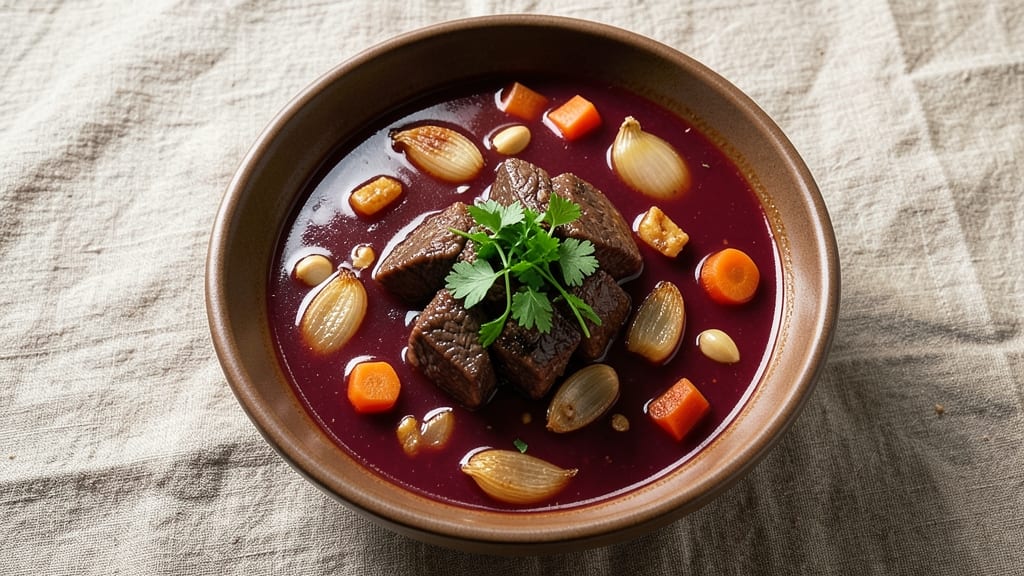
This au jus soup recipe transforms simple pan drippings into a rich, velvety gravy that elevates any roasted beef meal. The secret lies in carefully deglazing the pan with beef broth and red wine, creating layers of umami depth that restaurant-quality soups can't match.
I've perfected this technique over years of holiday feasts, where every spoonful becomes the star of the plate.
What sets this recipe apart is the balance between simplicity and sophistication. You'll start with just a few ingredients—beef drippings, quality broth, and aromatic vegetables—but the slow reduction process builds complex flavors that make this soup unforgettable.
The key is patience; letting the sauce simmer gently allows the natural sweetness of the beef to emerge while developing a luxurious mouthfeel.
By the time you're done, you'll have a glossy, golden au jus that coats every bite with savory richness. This isn't just a side dish—it's the centerpiece that transforms ordinary roasted meats into an extraordinary dining experience.
The perfect consistency sits between thick gravy and light broth, making it equally at home as a starter or a main course companion.
Serve it warm alongside your favorite roasted beef cuts or use it to moisten a bed of creamy mashed potatoes. The versatility of this au jus means it works equally well for holiday dinners or weeknight meals when you want restaurant-quality results without the fuss.
Here's how to make it perfectly every time.
Ingredients for au jus soup
Pan drippings, wine, and aromatic veggies—simple ingredients that pack restaurant-quality flavor.
| Ingredient | Amount | Notes |
|---|---|---|
| Beef Drippings 🥩 | 2 cups | From roasted beef, fat skimmed off |
| Beef Broth 🍲 | 2 cups | Low-sodium preferred, homemade or high-quality |
| Red Wine 🍷 | ½ cup | Bold dry red like Cabernet Sauvignon |
| Shallots 🧅 | 2 whole | Minced, or 2 tbsp shallot powder |
| Garlic Cloves 🧄 | 4 cloves | Minced, fresh preferred |
| Carrots 🥕 | ½ cup | Diced, medium size |
| Tomato Paste 🍅 | 1 tbsp | Smooth, not chunky |
| Balsamic Vinegar 🍶 | 1 tbsp | For depth, aged preferred |
| Fresh Thyme 🌿 | 1 tbsp | Leaves only, or 1 tsp dried |
| Black Peppercorns 🌶️ | ¼ tsp | Freshly cracked, coarse grind |
| Salt 🧂 | ½ tsp | Kosher or sea salt |
| Cold Water 💧 | ¼ cup | For thinning if needed |
| Butter 🧈 | 1 tbsp | Unsalted, for finishing |
The beef drippings are your foundation—look for good marbling in your roast, as that's where the flavor hides. Costco or Whole Foods often have premium cuts with better drippings, but any roast will work. If you're using pre-made broth, Kettle & Fire or Imagine brands have the most umami. The red wine should be bold—Cabernet Sauvignon or Merlot work best. If you're short on time, Trader Joe's carries a solid dry red at a great price. For the shallots, fresh is non-negotiable—powdered won't give you that sweet depth. The carrots can be baby carrots if that's what's on hand, but regular carrots work too.
No red wine? Substitute beef broth with 1 tbsp balsamic vinegar—it'll still taste rich. Fresh thyme unavailable? Dried works at one-third the amount, but toast it first in a dry pan for 30 seconds to wake up the flavor. The tomato paste can be skipped if you're avoiding umami, but it adds a nice depth that's hard to replicate. If your au jus turns out too thick, cold water is your friend—add it a teaspoon at a time. For extra richness, finish with a pat of cold butter—it'll melt into silky perfection. The butter also balances any acidity from the wine or vinegar.
This au jus reheats beautifully—just warm it gently on the stove, stirring occasionally. Store it in the fridge for up to 5 days, though it's best within 2 days for peak flavor. For longer storage, freeze in ice cube trays—thaw and warm as needed. The drippings can be frozen separately for up to 3 months. I always make extra and keep it in the freezer for those lazy weeknights when I want restaurant-quality gravy without the effort. It also makes an amazing base for beef stroganoff or pot roast.
Why You'll Love This Recipe
- Uses What You Have: I swear by this recipe because it turns scraps into magic. That leftover beef drippings from your roast? That’s the secret—just strain and simmer with broth and wine, and suddenly you’ve got a rich, restaurant-worthy base with zero extra shopping.
- Deep Umami Bang: The red wine and shallots caramelize into something seriously addictive. That first sip? It’s like a little flavor explosion—savory, slightly tangy, with garlic cloves adding a punch that lingers. Honestly, it’s the kind of soup that makes you pause mid-bite.
- Game for Any Meal: This soup is my go-to for lazy Sundays or post-holiday leftovers. Serve it warm with crusty bread, or chill it for a next-day sandwich upgrade. Even my picky teenage nephew asks for seconds—(yes, even on a Tuesday night).
- Budget-Boosting Magic: A single pot of this costs next to nothing but stretches for days. Use it to bulk up ground beef, drizzle over mashed potatoes, or sip it straight—every drop is packed with flavor. Between us, it’s how I stretch a $10 roast into four meals without breaking a sweat.
Step-by-step instructions for rich au jus soup
Here's how to transform simple roasted beef drippings into a velvety, umami-packed au jus that elevates any meal.
Sauté Aromatics in Beef Drippings
Pour the 2 cups beef drippings into a heavy-bottomed saucepan over medium heat. Let it warm for 2 minutes until small bubbles form around the edges—this tells you the fat is ready to work with your aromatics. Add the 2 whole shallots and 4 cloves garlic cloves, stirring constantly for 3-4 minutes until they soften and turn translucent.
Watch the color carefully—you want them golden but not browned. If they start to darken too quickly, reduce the heat slightly. Here's the thing: properly caramelized shallots and garlic form the flavor foundation of your au jus. Don't rush this step, or you'll end up with bitter flavors instead of sweet, mellow depth.
Build the Sauce Base with Wine and Vegetables
Add the 0.5 cup diced carrots, 1 tbsp tomato paste, and 1 tbsp balsamic vinegar to the pan. Stir well to combine, then pour in the 0.5 cup red wine. Let it simmer for 5 minutes until the liquid reduces by about half and the alcohol smell disappears completely. This reduction is crucial—it concentrates the flavors and removes any harsh wine notes.
Next, sprinkle in the 1 tbsp fresh thyme leaves and 0.25 tsp cracked black peppercorns. Stir everything together and let it cook for another 2 minutes until the thyme releases its aromatic oils. The mixture should smell rich and complex—like roasted beef with a touch of sweetness from the carrots and acidity from the balsamic.
Finish with Broth and Seasoning
Pour in the 2 cups beef broth and bring the mixture to a gentle simmer. Add the 0.5 tsp salt and let it cook uncovered for 10-12 minutes until the sauce thickens slightly. You're looking for a consistency where it coats the back of a spoon but isn't gluey. If it gets too thick before then, add the 0.25 cup cold water 1 tablespoon at a time until you reach the right texture.
Taste the sauce at this point—it should be rich and savory but not overly salty. If it needs more depth, you can add a pinch more salt or a splash more red wine. The key is balance: you want the beefy flavors to shine without being overpowered by any single ingredient.
Create a Silky Finish with Butter
Remove the saucepan from heat and let it cool slightly for 2 minutes. This prevents the butter from burning when you add it. Stir in the 1 tbsp unsalted butter until it melts completely and creates a glossy sheen on the surface. The butter adds richness and helps create that signature silky texture of a proper au jus.
For serving, you can strain the sauce through a fine-mesh sieve if you prefer a completely smooth texture, or leave it slightly chunky for more texture. Either way, this au jus should be vibrant red with deep umami flavors that complement roasted beef perfectly. Serve immediately alongside your main course for maximum impact.
Pro Tips For Making Au Jus Soup
- DEGLaze AGGRESSIVELY: The drippings are the soul of au jus, so don’t let them turn to glue. As soon as you remove the meat, pour in the red wine and immediately scrape the browned bits off the pan with a wooden spoon—every last one. I used to rush this, and the soup always tasted flat. Take the 30 seconds to work the spoon in circles like you’re cleaning a stubborn pot.
- FINELY MINCE SHALLOTS: No, "chopped" isn’t good enough. Pulse those shallots in a food processor until they’re almost paste-like—you want them to dissolve into the broth, not sit as chunks. I learned this the hard way when my au jus had little "surprises" of texture. If you’re doing it by hand, get out your sharpest knife and work in small batches. This isn’t the time to be lazy.
- STRAIN THE BROTH: Skipping this step is the fastest way to ruin a smooth au jus. After simmering, strain the broth through a fine-mesh sieve or cheesecloth to remove any sediment or shredded garlic. I know it’s tempting to skip—especially when you’re in a hurry—but those tiny bits will make your soup taste muddy. Trust me, your future self will notice the difference.
- SIMMER, DON’T BOIL: A gentle simmer is what turns good au jus into great au jus. If you let it boil, the wine will cook off too quickly, and the flavors will turn harsh. Keep the heat low enough that you see tiny bubbles breaking the surface, not a full-on rolling boil. Sounds weird, but it works: the wine’s depth stays intact, and the broth stays rich. Patience here pays off.
Creative variations of this au jus soup
Red Wine Reduction
Swap the red wine for ½ cup beef stock and add 1 tbsp balsamic vinegar instead for a non-alcoholic version that still delivers rich depth. The vinegar mimics the acidity of wine while adding complexity.
I've tested this with Kettle & Fire beef stock—it's low-sodium and packed with umami. For extra richness, stir in 1 tbsp brown sugar at the end to balance the acidity and enhance caramelization. 🍷
Mushroom Umami Boost
Add ½ cup finely chopped cremini mushrooms when sautéing the shallots and garlic. Their earthy flavor deepens the umami profile without overpowering the beef notes. I like to use Trader Joe's pre-sliced mushrooms for convenience—they cook quickly and release their flavor beautifully.
For a vegetarian twist, use mushroom drippings instead of beef drippings as your base. 🍄
Herb Variations
Experiment with different herbs to change the flavor profile. For a French bistro touch, add 1 tsp dried tarragon along with the thyme. For a smoky twist, include ½ tsp smoked paprika when building the sauce base.
Fresh rosemary works beautifully too—use 1 sprig tied with kitchen twine for easy removal. The key is balance: start with half the amount of any new herb and adjust to taste. 🌿
Spicy Kick Options
Add heat with ½ tsp cayenne pepper or 1 tsp hot sauce (like Cholula) when finishing the sauce. For a slow build of heat, stir in 1 tbsp chopped jalapeños with the carrots.
If you love spicy food, try a ½ cup chili sauce reduction instead of red wine—it creates a completely different but equally delicious profile. Always taste before serving! 🌶️
Creamy Twist
For a luxurious finish, stir in 2 tbsp heavy cream or 1 tbsp crème fraîche off the heat. This adds a silky texture that works beautifully with roasted prime rib.
I recommend Whole Foods 365 heavy cream for its rich flavor at an affordable price. For a lighter option, use ¼ cup coconut milk—it adds creaminess without dairy. 🥛
Global Adaptations
Transform this into a French boeuf bourguignon-inspired au jus by adding ½ cup pearl onions and 2 tbsp Dijon mustard. For an Italian version, swap the red wine for ½ cup white wine and add 1 tsp Italian seasoning.
A Japanese-inspired take uses 2 tbsp soy sauce instead of salt and finishes with 1 tsp mirin for sweetness. Each adaptation keeps the core technique while offering exciting new flavors. 🗺️
Nutrition facts
Frequently asked questions
Can I make au jus without beef drippings?
For a vegetarian version, use 2 cups mushroom broth or vegetable drippings from roasted root vegetables. The key is building depth with umami-rich ingredients like soy sauce, tomato paste, or even a splash of balsamic vinegar. For chicken lovers, substitute chicken drippings or broth for a lighter profile.
How do I fix au jus that's too thick?
Add 1 tablespoon cold water at a time while stirring constantly. For a smoother texture, strain through a fine-mesh sieve after thinning. If you prefer a richer consistency, reduce the broth slightly longer next time—just watch carefully to avoid burning. The ideal au jus should coat the back of a spoon but remain pourable.
What's the best way to store leftover au jus?
Cool it completely in the fridge, then transfer to an airtight container. It keeps for 5 days in the fridge or 3 months in the freezer. For freezing, portion into ice cube trays—thaw and warm gently for perfect results. The flavor actually improves slightly after 2-3 days as the ingredients meld together.
Can I use white wine instead of red?
While red wine is traditional, white wine works in a pinch—just add ½ teaspoon extra tomato paste to compensate for the lack of color and depth. For best results, choose a dry white like Sauvignon Blanc. The acidity will brighten the sauce, though it won't develop the same rich color as red wine.
What's the secret to making au jus taste restaurant-quality?
Three things: high-quality broth, proper reduction time, and finishing with butter. Use homemade or premium store-bought broth, simmer uncovered for 10-12 minutes to develop flavors, and always finish with cold butter for that signature silky texture. Patience is key—rushing leads to flat, one-dimensional results.