
Soups & Stews
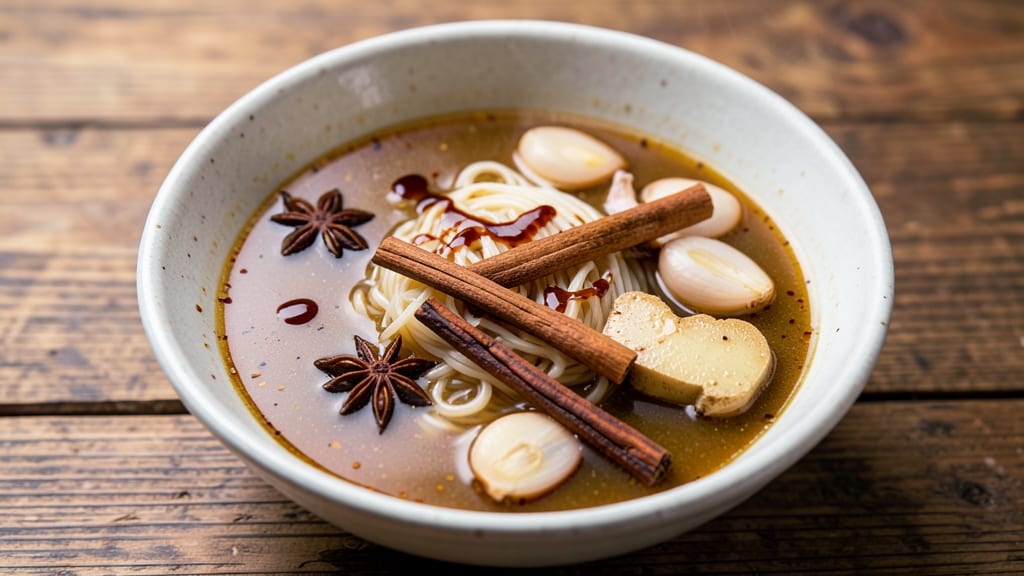
This Asian noodle soup base recipe unlocks the secret to restaurant-quality broth with just 10 minutes of prep and 30 minutes of simmering.
The foundation lies in a balanced blend of ginger, garlic, star anise, and fish sauce—each ingredient playing a precise role in building layers of umami and aromatic depth. Unlike store-bought versions, this base starts with whole spices that infuse the liquid gradually, creating complexity you won't find in instant mixes.
The technique is simple but critical: toast the aromatics until fragrant, then simmer them in a 1:3 ratio of spices to liquid (water or light broth) to extract maximum flavor without bitterness.
Fresh herbs like cilantro and Thai basil are added at the very end to preserve their bright, zesty qualities. This base works as a starting point for pho, ramen, or miso soup—adjusting saltiness, spice, or richness becomes a matter of personal preference after the foundation is built.
What you'll end up with is a golden, fragrant broth that's rich enough to stand alone but flexible enough to adapt to any noodle soup variation. The balance of sweet, salty, sour, and umami creates that signature Asian comfort food flavor profile that makes every spoonful satisfying.
The best part? This concentrated base can be made in large batches and frozen for up to three months, ensuring you always have a flavorful foundation ready when cravings strike.
For customization, simply adjust the fish sauce for saltiness, add chili oil for heat, or stir in miso paste for depth. The possibilities are endless, but the core technique remains the same: build flavor through layered aromatics and precise timing.
Let's create this versatile base that will transform your noodle soups from ordinary to extraordinary.
Ingredients for asian noodle soup base
Nine aromatic ingredients transform simple water into umami-rich broth perfection.
| Ingredient | Amount | Notes |
|---|---|---|
| Fresh Ginger Root 🧄 | 2 tbsp | Finely grated, aromatic |
| Garlic Cloves 🧄 | 4 cloves | Minced, fresh preferred |
| Star Anise Pods 🌿 | 2 whole | Whole, for deep aroma |
| Cinnamon Sticks 🌿 | 1 whole | 1-inch piece, toasted |
| Cardamom Pods 🌿 | 3 whole | Lightly crushed, optional |
| Light Soy Sauce 🥢 | 1 tbsp | Kikkoman preferred |
| Fish Sauce 🍶 | 1 tbsp | Red Boat brand ideal |
| Brown Sugar 🍚 | 1 tbsp | Light or dark works |
| Water or Light Broth 💧 | 4 cups | Low-sodium preferred |
| Fresh Cilantro Leaves 🌿 | ¼ cup | Chopped, for garnish |
| Thai Basil Leaves 🌿 | 0.15 cup | Chopped, optional |
The star anise and cinnamon are non-negotiable for that signature Asian depth—Whole Foods or Asian markets carry the best quality. Red Boat fish sauce is worth the splurge; cheaper brands can taste harsh. Fresh ginger and garlic? Buy organic if possible—their bright flavor shines through after toasting. For the broth base, low-sodium chicken broth adds subtle richness without overpowering the delicate spices. Toast your aromatics in a dry pan until fragrant (about 30 seconds)—this step unlocks maximum flavor extraction. Skip this, and your broth will taste flat.
No star anise? 1 tsp anise seeds works in a pinch, but the flavor won't be identical. Running out of fish sauce? 1 tsp soy sauce plus 1/2 tsp oyster sauce mimics the umami punch. Brown sugar can be swapped for white sugar or coconut sugar, though the molasses notes in brown sugar add subtle complexity. The cilantro and Thai basil are strictly for garnish—add them at the very end to preserve their vibrant freshness. Want more heat? Add 1/2 tsp chili flakes or 1 tsp chili oil at the end. For a vegetarian version, replace fish sauce with 1 tbsp soy sauce plus 1 tsp miso paste**.
This concentrated base keeps beautifully—1 week refrigerated or 3 months frozen. For freezing, portion into ice cube trays, then transfer to a bag. Thaw overnight in the fridge before using. The flavor actually improves after 24 hours as the spices meld further. Double the batch and freeze half—you'll thank yourself later when cravings hit. Store fresh herbs in damp paper towels in a sealed container to maintain their bright flavor for up to 5 days**.
Why You'll Love This Recipe
- Pantry Magic: I swear by this base—no fancy ingredients, just a few spices and a pot. The star anise and cinnamon smell like walking into a bustling Asian market, and it’s all from my spice rack.
- Weeknight Hero: Honestly, I’ve made this on Tuesdays when I’m too tired to think. Toss in whatever veggies or protein you have, and suddenly dinner’s saved. The ginger and garlic do the heavy lifting.
- Build-Your-Own Bowl: Here’s what sold me—this base works for ramen, pho, or even a quick stir-fry. Keep it simple with tofu and greens, or go wild with shrimp and mushrooms. The flavor adapts like a chameleon.
- Budget Booster: A single batch stretches for three meals, and those spices? They last forever. I’ve made this for years, and the cost per serving is laughably cheap. My wallet’s been thanking me ever since.
Step-by-step instructions for Asian noodle soup base
Let's build a fragrant, umami-rich broth that forms the heart of any Asian noodle soup.
Toast the Spices for Maximum Aroma
Heat a small dry skillet over medium heat. Add the 1 whole cinnamon stick and 3 whole cardamom pods (lightly crushed) and toast for 1-2 minutes until fragrant and the spices begin to release their essential oils. You'll smell a warm, slightly sweet aroma—this is your signal they're ready. Remove from heat immediately to prevent burning.
In the same skillet, add the 2 whole star anise pods and toast for another 30 seconds until they're warm to the touch. These spices will infuse the broth with deep, complex flavors, but they mustn't burn or they'll turn bitter. Transfer all toasted spices to a small bowl and set aside—they're ready to work their magic in the broth.
Build the Flavor Foundation
In a medium saucepan, combine the 4 cups water or light broth, 2 tbsp finely grated fresh ginger root, and 4 cloves minced garlic cloves. Bring to a gentle boil over medium-high heat, then immediately reduce to a simmer. The ginger and garlic will release their pungent aromas within 2-3 minutes—this is when the broth starts to develop its signature depth.
Add the toasted spices to the simmering liquid. Stir gently to distribute them evenly, then add the 1 tbsp brown sugar, 1 tbsp light soy sauce, and 1 tbsp fish sauce. The sugar will help balance the savory elements, while the soy and fish sauces provide that essential umami punch. Let the mixture simmer uncovered for 15 minutes—this allows all the flavors to meld together beautifully.
Strain and Finish with Fresh Herbs
After simmering, remove the saucepan from heat and let the broth steep for 5 minutes to extract maximum flavor from the spices. Then, carefully strain the broth through a fine-mesh sieve into a clean bowl or pot. Press gently on the spices with a wooden spoon to release any remaining essence, but avoid pulping them—you want a smooth, spice-free broth.
Return the strained broth to the saucepan and bring to a gentle simmer again. Stir in the 0.25 cup chopped fresh cilantro leaves and 0.15 cup chopped Thai basil leaves (if using). These herbs will add a bright, fresh finish that cuts through the richness of the broth. Simmer for just 1 minute—any longer and they'll turn bitter. Taste and adjust seasoning if needed, adding a pinch more fish sauce for saltiness or brown sugar for sweetness.
Keep Warm for Serving
Once the broth reaches your desired flavor profile, transfer it to a heatproof serving bowl or pot. If you're not using it immediately, keep it warm over low heat or in a thermos. The broth will continue to develop flavor as it sits, so if you're preparing ahead, let it cool slightly, then refrigerate. When ready to use, reheat gently—never boil vigorously as this can destroy the delicate aromatics.
This aromatic broth serves as the perfect foundation for any Asian noodle soup. It's packed with layers of flavor from the toasted spices, balanced by the fresh herbs and savory sauces. The beauty of this base is its versatility—use it as-is with rice noodles or build upon it with proteins like chicken, tofu, or shrimp. The possibilities are endless, but the foundation remains the same: bold, balanced, and bursting with umami.
Pro Tips For Making Asian Noodle Soup Base
- TOAST THE WHOLE SPICES: I used to toss star anise, cinnamon sticks, and cardamom pods straight into the pot—big mistake. Lightly toast them in a dry pan for 30 seconds until fragrant (not burning). This unlocks their flavor and prevents bitterness in your broth.
- GRATE GINGER FINE: Skip the chopping—grate the ginger root with the large holes of a box grater. You want it to dissolve smoothly, not sit as chunks. If it looks too coarse, give it another quick pulse in a food processor.
- SIMMER LOW AND SLOW: After adding liquids, bring to a boil once, then reduce to the gentlest simmer you can manage. A rolling boil will make the broth cloudy and dull the spices. Cover partially and let it whisper for at least 20 minutes.
- USE GARLIC BUTTER: I was skeptical until I tried it—melt 1 tablespoon of butter with the garlic before adding it to the pot. The fat helps emulsify the broth, making it richer and more cohesive. (Yes, even if you’re not making a fancy version.)
Storing and reheating this recipe
Refrigerator Storage
Transfer your freshly made broth to an airtight glass container—I prefer Pyrex with a snap-on lid for durability. Store it in the fridge for up to 1 week, where the flavors actually deepen as the spices continue to infuse.
Let it cool completely before sealing to prevent condensation, which can dilute the broth's intensity. The first day might be the most vibrant, but the umami develops beautifully over time. 💧
Freezer Preservation
For long-term storage, portion the broth into 1-cup ice cube trays—this makes it easy to grab just what you need later. Once frozen, transfer the cubes to a heavy-duty freezer bag (I use Ziploc Gallon Freezer Bags) and squeeze out excess air to prevent freezer burn.
Label with the date and freeze for up to 3 months. When ready to use, thaw overnight in the fridge or quickly in a bowl of warm water. 🧊
Reheating Gently
Never reheat your broth at full boil—this destroys delicate aromatics. Instead, warm it over low heat on the stovetop or in the microwave on 50% power in 30-second intervals, stirring between each. For best results, add 1-2 tbsp water or broth to prevent scorching.
If the broth looks cloudy after reheating, strain it again through a fine-mesh sieve for a silky texture. A splash of fresh lime juice can revive its brightness if it tastes flat. 🔥
Herb Refreshing
Fresh herbs like cilantro and Thai basil lose their vibrancy when reheated. Instead of adding them to the broth during reheating, stir in 1 tsp chopped fresh herbs at the table or just before serving.
For extra zing, add a few drops of chili oil or a pinch of black pepper—these bold flavors stand up to reheating better than delicate greens. 🌿
Flavor Boost After Thawing
Frozen broth often loses some of its punch after thawing. Revive it by adding ½ tsp fish sauce or 1 tsp soy sauce while reheating. A pinch of sugar (½ tsp) can restore balance if the broth tastes too salty.
For a smoky depth, add ¼ tsp smoked paprika or a dash of sesame oil—these work wonders to bring back the restaurant-quality taste. ✨
Batch Prep Tips
Double or triple the recipe and freeze in 1-cup portions for easy meal prep. Label each bag with the date and type (e.g., "Spicy Pho Base" or "Miso Ramen Base") so you can customize later.
Store herbs separately in a small airtight container with a damp paper towel—they’ll stay fresh for 5 days in the fridge, ready to brighten your broth whenever you need them. 📅
Nutrition facts
Frequently asked questions
Can I make this broth without star anise or cardamom?
Yes! For star anise, use 1 tsp anise seeds (toasted) or ½ tsp ground anise, though the flavor won't be identical. Skip cardamom entirely if unavailable—the recipe will still taste balanced, but the subtle floral notes will be missing. For a different aromatic twist, add 1 bay leaf or ½ tsp fennel seeds instead. The key is maintaining the 1:3 ratio of spices to liquid for proper infusion.
How do I adjust the spice level for sensitive eaters?
Reduce or eliminate the fish sauce (start with ½ tbsp or omit entirely) and replace it with 1 tsp soy sauce plus ½ tsp miso paste for umami without heat. For extra mildness, simmer the broth with ½ cup coconut milk at the end to soften flavors. Always taste as you go—you can add more spices later if needed, but you can't remove them once added.
Why does my broth taste bitter or metallic?
Bitterness usually means the spices burned during toasting or simmering. Next time, toast spices over low-medium heat until fragrant (not browned) and simmer broth uncovered to prevent over-reduction. Metallic taste? Check your fish sauce—cheaper brands can have off-flavors. Use Red Boat brand or substitute with ½ tsp kelp powder + ½ tsp soy sauce for a vegetarian alternative. Always strain well to remove any burnt particles.
Can I use this base for cold noodle soups like Vietnamese bun bo hue?
This broth works perfectly for cold soups—just let it cool completely and chill for 4+ hours to develop proper texture. For extra freshness, add ½ cup chopped mint or perilla leaves at the end. Serve over rice vermicelli noodles with herbs, lettuce, and grilled meats. The umami depth remains while the cooling herbs create a refreshing contrast. Store cold broth in airtight containers for up to 3 days.
What's the best way to use leftover spices after straining?
Save the used spices in a small jar—they're perfect for infusing oils or vinegars! Add them to ½ cup neutral oil (like avocado or vegetable) and simmer gently for 10 minutes to make flavored oil for dipping sauces. Or steep them in 1 cup rice vinegar for 1 week to create a fragrant marinade. Discard if they smell musty or develop mold. Never reuse burnt spices—they'll ruin your next batch.