
Soups & Stews
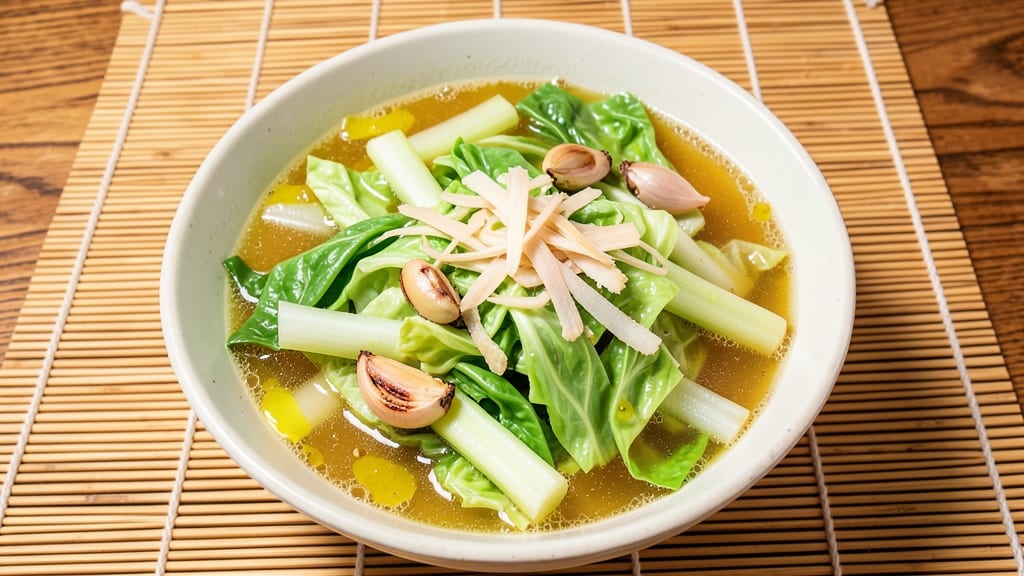
This Asian cabbage soup diet recipe delivers a lightweight, nutrient-packed meal that’s perfect for detoxifying or weight-conscious eating. The secret lies in its bright ginger-lime broth, crisp celery, and cabbage—all simmered to create a fiber-rich, low-calorie dish that still satisfies.
I developed this after realizing how quickly store-bought soups lose their freshness and flavor, so I focused on maximizing natural ingredients for a cleaner, more vibrant result.
What sets this recipe apart is the balance of crunchy vegetables and aromatic spices—ginger and garlic provide warmth, while lime and sesame oil add a zesty finish. The broth is intentionally light, so you can customize it with optional protein like tofu or shrimp for extra staying power.
Every bite is packed with vitamins, antioxidants, and a satisfying crunch that keeps you full without heaviness.
The preparation is straightforward: sauté aromatics, simmer the cabbage and celery until tender-crisp, and finish with a squeeze of lime for brightness. This method ensures the vegetables retain their texture and nutrients, making it a foolproof way to enjoy a restaurant-quality bowl at home.
Serve it as a standalone meal or pair with a small portion of rice for a balanced, diet-friendly dinner.
Perfect for meal prep, this soup keeps well in the fridge for up to 4 days, allowing you to enjoy its benefits throughout the week. The recipe is also vegetarian-friendly by default, but adding lean protein makes it a complete meal.
Whether you're cleansing, cutting calories, or simply craving something light yet flavorful, this soup delivers.
Ingredients for asian cabbage soup diet
Fresh cabbage, zesty lime, and aromatic ginger create a vibrant, fiber-rich Asian-inspired soup perfect for cleansing or light eating.
| Ingredient | Amount | Notes |
|---|---|---|
| Green Cabbage 🥬 | 6 cups | Shredded, outer leaves removed |
| Celery Stems 🧅 | 4 whole | Thinly sliced, leafy parts trimmed |
| Fresh Ginger 🌿 | 1 tbsp | Finely grated, aromatic |
| Garlic Cloves 🧄 | 4 cloves | Minced, fresh preferred |
| Lime Juice 🍋 | 2 tbsp | Freshly squeezed, zesty |
| Sesame Oil 🫒 | 1 tbsp | Toasted, for aroma |
| Low-Sodium Vegetable Broth 💧 | 4 cups | Homemade or quality store-bought |
| Fresh Cilantro 🌿 | ¼ cup | Chopped, for garnish |
| Red Chili Flakes 🌶️ | ½ tsp | Optional, for heat |
| Sea Salt 🧂 | ½ tsp | Diamond Crystal preferred |
| Black Pepper 🌶️ | ¼ tsp | Freshly ground |
| Optional Firm Tofu 🍠 | ½ lb | Cubed, for protein |
The cabbage is the star here—look for bright green heads with crisp leaves at the grocery store's produce section. Whole Foods or local farmers' markets often carry the freshest cuts, but the regular supermarket variety works too. Thinly shredding the outer leaves first ensures you're using the most tender parts. Celery should be crisp with no brown spots—the leafy tops add extra flavor but can be trimmed for a cleaner look. Fresh ginger and garlic are non-negotiable for that bright, aromatic punch—no powdered substitutes here. For the broth, homemade is ideal, but Imagine or Pacific Foods low-sodium versions are solid shortcuts.
No sesame oil? Toasted peanut oil works in a pinch, though it lacks that nutty sesame depth. Swap lime juice for lemon juice if needed, but lime's zing is what makes this soup sing. The optional tofu can be silken for creaminess or extra-firm for texture—just press it first to remove excess water. Want extra crunch? Toss in thinly sliced jicama or daikon radish at the end. The chili flakes are purely optional, but they add a nice kick if you're craving heat. Always taste as you go—this soup is meant to be bright, not overpowering.
This soup stays fresh in the fridge for 4-5 days, with flavors actually deepening overnight. Portion into glass containers to retain freshness and prevent absorption of fridge odors. For meal prep, I like to make a big batch on Sunday—it reheats beautifully and keeps my weeknights light. Freeze portions for up to 3 months if you're planning ahead. The tofu, if using, can be pre-cooked and stored separately for up to 5 days before adding to the soup.
Why You'll Love This Recipe
- Honestly, the numbers don’t lie: a whole head of cabbage for under $2, plus a few cents for ginger and lime. It stretches for four servings, and leftovers taste just as good cold as hot. My wallet—and my waistline—thank me.
- Pantry-Friendly Staples: I swear by this recipe because it uses what I already have—no fancy shopping lists. Celery, ginger, and garlic? Always in my fridge. The cabbage stays fresh for days, and lime juice adds that zing without breaking the bank.
- Zesty, Crisp, Clean: That lime juice at the end? Chef’s kiss. It cuts through the cabbage’s natural sweetness while the ginger and garlic add warmth—no heavy cream or butter needed. The celery keeps it fresh, not soggy, even when reheated.
- Lunchbox Hero: Between us, this soup is my go-to for meal prep. Toss it in a thermos the night before, and it’s ready for work or school—no reheating required. My kids actually finish it, and I still get seconds.
Step-by-step instructions for Asian cabbage soup diet recipe
This vibrant soup comes together quickly with bold flavors and light texture—perfect for clean eating.
Prep All Vegetables for Maximum Freshness
Start by removing the outer leaves from the 6 cups green cabbage and shred it into thin strips using a mandoline or sharp knife. I like to cut the cabbage first so it can sit while I prep the other ingredients—it softens slightly as it waits, ensuring even cooking. For the 4 whole celery stems, trim off the leafy tops and slice into thin half-moons, discarding any stringy bits. The celery will add that satisfying crunch we all love in soups.
Next, peel and finely grate the 1 tablespoon fresh ginger using a microplane—this releases the aromatic oils that will infuse the broth. For the 4 cloves garlic, I prefer to mince them finely so they dissolve completely into the soup rather than creating distinct cloves. Set all prepped vegetables aside until ready to use. This step ensures everything is ready when you need it, making assembly smooth and efficient.
Build Flavor with Aromatics and Toasted Sesame Oil
Heat a large pot or Dutch oven over medium heat and add the 1 tablespoon sesame oil. Let it warm for about 30 seconds until fragrant—you'll smell that nutty aroma that's essential for authentic flavor. Add the minced garlic and grated ginger, stirring constantly for 30 seconds until the garlic turns golden and fragrant. This quick cooking prevents the garlic from burning while developing its full flavor.
Here's the thing—don't walk away. Garlic burns faster than you think, and once it's browned, it turns bitter. After 30 seconds, add the sliced celery and stir for another minute until it begins to soften slightly. The celery should release its natural juices and start to wilt just a bit, signaling it's ready for the next step. This aromatic base forms the flavor foundation of the entire soup.
Simmer the Vegetables Until Tender-Crisp
Pour in the 4 cups low-sodium vegetable broth and bring to a gentle boil. Once boiling, reduce heat to medium-low and add the shredded cabbage. Stir gently to distribute the cabbage evenly throughout the broth. Let it simmer uncovered for 8-10 minutes, stirring occasionally, until the cabbage is tender but still holds its shape—you want that satisfying bite in every spoonful.
If you're using the 0.5 lb optional firm tofu, add it now along with the 0.5 teaspoon sea salt and 0.25 teaspoon black pepper. The tofu should be cubed into bite-sized pieces for easy eating. Let the soup continue simmering for another 3-4 minutes until the tofu is heated through and the flavors have melded together. The soup should be vibrant green with just a hint of celery's earthy tones.
Finish with Bright Lime and Fresh Herbs
Remove the pot from heat and stir in the 2 tablespoons lime juice and 0.5 teaspoon red chili flakes (if using). The lime juice will brighten all the flavors, cutting through the richness of the sesame oil and adding that signature zing. Taste and adjust seasoning—you might need a pinch more salt or pepper depending on your preference. The soup should be perfectly balanced between the earthy vegetables, spicy kick, and citrus brightness.
Finally, fold in the 0.25 cup chopped fresh cilantro just before serving. The cilantro adds a fresh, almost floral note that contrasts beautifully with the other flavors. Let the soup sit for 2-3 minutes before serving to allow the flavors to settle and meld together. This waiting period makes a noticeable difference in how cohesive the flavors taste.
Serve Warm with Crispy Garnishes (Optional)
Ladle the soup into bowls and garnish with additional chopped cilantro and a sprinkle of red chili flakes if desired. For extra texture, you can crisp up some tofu cubes in a separate pan with a touch of sesame oil and place them on top. Each bowl should be vibrant, aromatic, and packed with that satisfying combination of textures—tender cabbage, crisp celery, and silky tofu (if using).
This soup is best enjoyed immediately while the flavors are at their peak. The lime juice will mellow slightly as it sits, so serving it warm ensures that bright, tangy note remains prominent. Pair with a side of steamed rice or a simple green salad for a complete, balanced meal that's both nourishing and delicious.
Pro Tips For Making Asian Cabbage Soup Diet
- CHOP GINGER THIN: I learned this the hard way—thick slices of ginger sit like rocks in soup. Instead, slice it paper-thin (about 1/16-inch) so it infuses flavor without dominating the texture. Use a sharp knife and press firmly while cutting—no need for a mandoline.
- SAUTÉ GARLIC LOW: Garlic burns faster than you think, especially in a hot wok. Once you add the minced garlic, drop the heat to medium-low and stir constantly. If it starts to smell bitter, you’ve gone too far—start over. (Yes, even if you’re impatient like me.)
- SHRED CABBAGE UNIFORM: Big chunks of cabbage mean uneven cooking. Cut the core out first, then slice into quarters and shred each piece into thin, even strips—about 1/4-inch wide. This ensures all parts soften at the same time without turning mushy.
- ADD LIME LAST: Squeezing lime juice too early makes the soup taste sharp and unbalanced. Wait until the very end, right after turning off the heat, so the acidity brightens the flavors without overpowering the broth. (Pro move: Use a reamer for clean, pulp-free juice.)
Make-ahead tips for leftovers
Prep Ahead for Freshness
Shred the 6 cups green cabbage and slice the 4 celery stems up to 2 days ahead—store them in airtight containers with a paper towel to absorb excess moisture. The cabbage will soften slightly but retain its color.
I always prep these first because they’re the stars of the dish. For the ginger and garlic, grate and mince them fresh the day you cook, as their flavors degrade quickly when stored. 🌿
Broth Prep Shortcut
Make a big batch of low-sodium vegetable broth (or chicken broth if you prefer) and freeze it in 1-cup portions for easy use. I keep a stash of Imagine or Pacific Foods broth in my freezer—just thaw overnight in the fridge or microwave for 30 seconds.
This saves time and ensures you always have flavorful broth on hand. For extra depth, add a 1-inch piece of kombu (seaweed) while simmering the broth, then remove before using.
Tofu Prep for Meal Prep
If using the 0.5 lb firm tofu, press and cube it 1 day ahead—store it in a sealed container with 1 teaspoon soy sauce to absorb flavor. When ready to cook, simply add it directly to the simmering soup for 3-4 minutes to heat through.
For extra crispiness, pan-fry the tofu cubes in 1 teaspoon sesame oil for 2 minutes per side before adding them to the soup. This step makes meal prep a breeze and adds a delightful texture contrast. 🍠
Storage Containers Matter
Use glass containers with tight-sealing lids (like Pyrex) to store leftovers—they preserve flavor and prevent odors from seeping in. Portion the soup into 2-cup servings for easy reheating. Label containers with the date to track freshness.
This soup keeps well in the fridge for 4-5 days or frozen for 3 months, making it perfect for busy weeks. I always double the recipe so I have ready-to-go lunches or dinners.
Reheating for Peak Flavor
Reheat soup gently on the stovetop over medium-low heat—never microwave it directly, as this can make the cabbage soggy. Add 1-2 tablespoons water or broth to prevent sticking. For extra brightness, finish with a squeeze of lime juice and a sprinkle of sesame oil before serving.
If the soup seems too thick after reheating, thin it with a splash of warm broth. The flavors actually improve as they sit, so leftovers often taste even better the next day. ✨
Nutrition facts
Frequently asked questions
Can I make this Asian cabbage soup without tofu?
This recipe is naturally vegetarian-friendly and delicious without tofu. The cabbage, celery, and broth provide plenty of flavor and texture. For extra protein, you could add cooked shrimp, chicken, or even white beans. The key is keeping the broth light and the vegetables crisp-tender for that satisfying bite.
How do I make this soup spicier?
Start with the 0.5 teaspoon red chili flakes included in the recipe, then adjust to taste. For extra heat, add 1 teaspoon of fresh chili paste (like sambal oelek) or a sliced Thai bird's eye chili. Stir in at the end to preserve the heat. If you love spice, you can even add a pinch of cayenne pepper or a dash of hot sauce before serving. Just remember—build heat gradually!
Can I use other greens instead of cabbage?
Yes, but cabbage is ideal for its crunch and fiber content. Try Napa cabbage (more tender) or Chinese bok choy (for a sweeter taste). For a heartier soup, mix in kale or spinach—add them at the end to prevent wilting. Just reduce the cooking time by 2-3 minutes for delicate greens. The celery remains essential for that signature crunch.
Why does my soup taste bland?
Most likely, the broth needs more seasoning. Boost flavor by adding 1 extra tablespoon of soy sauce or 1 teaspoon fish sauce (if using). For depth, toast the sesame oil longer (up to 1 minute) before adding aromatics. Finally, always finish with fresh lime juice—it brightens all the flavors. Taste as you go and adjust gradually!
How can I make this soup keto-friendly?
Replace the cabbage with shredded zucchini or cauliflower (about 6 cups total). Use a rich bone broth instead of vegetable broth for more fat content. Add 1 tablespoon of coconut aminos instead of soy sauce, and top with crispy bacon bits or fried shallots for extra flavor. Keep the celery but reduce it to 2 stems to lower carbs. This version will be lighter but still satisfying!