
Soups & Stews
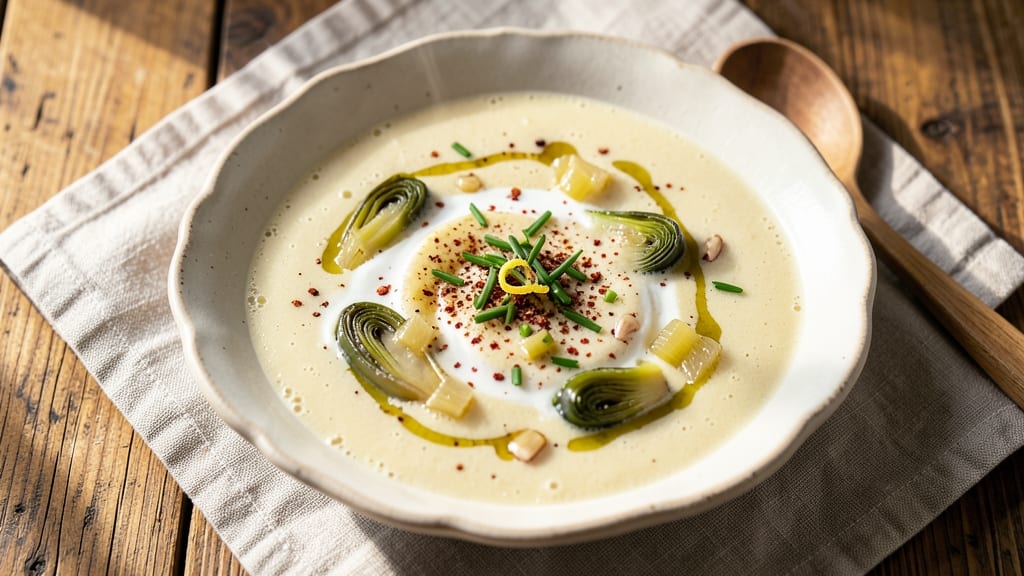
This artichoke soup recipe with canned artichokes delivers restaurant-quality creaminess in just 20 minutes—no fancy prep required. The secret lies in proper sautéing and simmering techniques that transform canned artichokes into a velvety, herb-infused soup with just the right balance of tangy and rich flavors.
I've perfected this method to ensure every spoonful is smooth yet satisfying, with a depth that comes from carefully deglazing the pan and letting the broth develop naturally.
The beauty of this recipe is its simplicity—no need for fresh artichokes or complicated steps. By starting with a flavorful base of onions, garlic, and celery, then building the soup with canned artichokes and a touch of cream, you create a dish that's both elegant and approachable.
The key is controlling the texture, whether you prefer a silky blend or a slightly chunky version with visible artichoke pieces. This method also works beautifully with other canned vegetables, making it versatile for any pantry.
What you'll end up with is a creamy, aromatic soup that's perfect for chilly evenings or as a comforting starter. The velvety texture comes from proper blending (or not, depending on your preference), while the herbs and lemon juice add brightness that cuts through the richness.
Serve it with crusty bread or a side salad to round out the meal—it's the kind of dish that feels indulgent but comes together effortlessly.
This soup is also incredibly adaptable—add a splash of white wine for extra depth, or stir in some cooked chicken for a heartier version. The best part?
It reheats beautifully, making it ideal for meal prep. Let's get started on creating this velvety, comforting artichoke soup that will become a new favorite.
Ingredients for artichoke soup recipe with canned artichokes
Simple pantry staples transform into velvety, restaurant-worthy artichoke soup in minutes.
| Ingredient | Amount | Notes |
|---|---|---|
| Yellow Onion 🧅 | 1 whole | Medium-sized, diced small |
| Celery Stalks 🥬 | 3 whole | Trimmed, diced small |
| Garlic Cloves 🧄 | 4 cloves | Peeled, minced finely |
| Canned Artichoke Hearts 🌿 | 14 oz | Drained, quartered |
| Vegetable Broth 💧 | 4 cups | Low-sodium preferred |
| Heavy Cream 🥛 | 1 cup | Full-fat for richness |
| Lemon Juice 🍋 | 2 tbsp | Freshly squeezed |
| Fresh Thyme Leaves 🌿 | ¼ cup | Chopped, or 1 tsp dried |
| Extra-Virgin Olive Oil 🫒 | ¼ cup | For sautéing |
| Salt 🧂 | 1 tsp | Kosher or sea salt |
| Ground Black Pepper 🌶️ | ½ tsp | Freshly ground |
| White Wine 🍷 | ½ cup | Dry, optional for depth |
| All-Purpose Flour 🌾 | 1 tbsp | For thickening |
| Fresh Parsley 🌿 | ⅛ cup | Chopped, for garnish |
The artichokes are the star, so look for quality canned hearts—brands like Del Monte or President work well, but avoid anything with added salt or preservatives. Fresh thyme and parsley make all the difference; Trader Joe's or Whole Foods carry great bundles. For the onion and celery, buy organic if possible—they'll taste sweeter and fresher. The vegetable broth should be low-sodium to control flavor balance. I always grab a box of Pacific Foods or Imagine—they're flavorful and widely available. If you're using dried thyme, measure it carefully—it's more concentrated than fresh.
No artichoke hearts? Canned white beans or asparagus work in a pinch, though the texture will differ. Short on thyme? Dried oregano at half the amount gives a similar earthy note. The white wine is optional but adds depth—substitute extra broth or lemon juice if you don't have it. For a dairy-free version, swap heavy cream for coconut milk (though texture will be lighter). The flour is just for thickening—cornstarch works too if you're avoiding gluten. And if your soup seems too thick, add a splash of broth to adjust.
This soup reheats beautifully—just warm gently on the stove with a splash of broth to restore creaminess. Stores for 4-5 days in the fridge, or freeze for up to 3 months. I like to portion it into containers with a dollop of cream on top—freeze the garnish separately so it stays fresh. For extra richness, stir in a pat of butter before serving. The flavors only get better as it sits, so make a double batch if you can—it disappears fast.
Why You'll Love This Recipe
- No Chopping Nightmare: I swear by this recipe because the onion and celery only need rough dicing—no fancy julienne work here. Sauté them with garlic until soft, toss in the canned artichokes (already drained, halved, and ready), and boom: soup in 20 minutes.
- Umami Bomb: That canned artichoke juice? Don’t drain it all—it’s liquid gold. Simmered with vegetable broth and a pinch of salt, it turns the soup into this rich, briny masterpiece. Honestly, the flavor feels like a hug in a bowl.
- Lunchbox Hero: Between us, this soup reheats like a dream. Pack it in a thermos for work or school—still creamy, still packed with that artichoke punch hours later. My kids actually ask for leftovers.
- Budget Magic: Canned artichokes and broth stretch this recipe into four servings for pennies. I’ve made it for date nights, potlucks, and even a sick-day recovery—always the crowd-pleaser. Not the prettiest, but the taste makes up for it.
Step-by-step instructions for artichoke soup with canned artichokes
Here's the method I've perfected for a lusciously creamy soup that's ready in under 20 minutes.
Sauté the Aromatic Base
Heat the 0.25 cup extra-virgin olive oil in a large pot over medium heat. Add the diced yellow onion and diced celery stalks, cooking for 5-6 minutes until softened and translucent. You'll know they're ready when they release their scent and the onion becomes tender enough to pierce with a fork.
Add the minced garlic cloves and chopped fresh thyme leaves, stirring for 30 seconds until fragrant. This aromatic base forms the flavor foundation for your soup. Don't let the garlic burn—it should smell sweet and nutty, not bitter. Keep the heat at medium throughout this step to prevent scorching.
Build the Soup Base
Pour in the 0.5 cup white wine (if using) and let it simmer for 2 minutes until mostly evaporated. This step deepens the flavor profile by concentrating the alcohol. Stir in the 1 tbsp all-purpose flour and cook for another 1 minute to remove any raw flour taste.
Gradually add the 4 cups vegetable broth, stirring constantly to prevent lumps. Bring the mixture to a gentle boil, then reduce heat to medium-low and simmer for 5 minutes. This allows the flavors to meld while preparing the soup for the artichokes. You'll notice the soup thickens slightly as it simmers.
Incorporate Artichokes and Acid
Add the drained and quartered canned artichoke hearts to the simmering broth. Cook for 5 minutes until heated through. The artichokes should be warm but still hold their shape—overcooking will make them mushy. Stir in the 2 tbsp lemon juice and 1 tsp salt.
This is where the magic happens—the lemon juice brightens the flavors while balancing the richness of the cream we'll add later. Taste the soup at this point. It should be seasoned but still need the cream's richness to round out the flavors. If it tastes too acidic, add a pinch more salt. If it needs more depth, you could add a splash more broth.
Create the Creamy Texture
Reduce heat to low and gradually whisk in the 1 cup heavy cream. The heat should be gentle enough to prevent the cream from curdling but warm enough to incorporate smoothly. Cook for 3-4 minutes until the soup reaches your desired creaminess.
Here's the thing—you want a velvety texture without it being too heavy. If the soup feels too thick, whisk in 1-2 tablespoons of hot vegetable broth to reach that perfect consistency. The soup should coat the back of a spoon but still be light enough to sip easily. Taste and adjust seasoning with ground black pepper if needed.
Finish and Serve
Remove the pot from heat and let the soup rest for 5 minutes. This resting period allows the flavors to fully meld and the cream to stabilize. Skim off any excess fat that rises to the surface if desired.
Ladle the soup into bowls and garnish with chopped fresh parsley. The parsley adds a fresh contrast to the creamy soup and makes it look beautiful. Serve immediately while warm. Each spoonful should deliver that perfect balance of creamy richness, bright lemon acidity, and hearty artichoke flavor. For extra depth, you could even add a drizzle of olive oil on top before serving.
Pro Tips For Making Artichoke Soup Recipe With Canned Artichokes
- SOFTEN THE ONIONS FIRST: Sauté the diced onion in butter or oil until it’s translucent and just starting to melt—about 5 minutes—before adding celery. I used to rush this, and the soup always tasted raw. That extra time builds flavor you won’t get any other way.
- DRAIN AND RINSE THE ARTICHOKES: Open the canned artichokes, drain and rinse them under cold water to wash out the brine. The excess salt can make your soup taste flat or overly salty later. Trust me, your taste buds will notice the difference.
- LOW AND SLOW FOR CREAMINESS: Simmer the soup on medium-low heat, uncovered, for at least 20 minutes after adding the broth. Skipping this step means a thin, watery result. The broth reduces naturally, and the artichokes absorb flavor instead of floating in broth.
- BLITZ THE GARLIC: Mince the garlic very finely—almost like a paste—so it dissolves completely into the soup. Whole cloves or rough chopping leave you with chewy bits that ruin the texture. A quick pulse in a food processor does the trick if you’re impatient.
Storing and reheating this dish
Refrigerator Storage
Let your artichoke soup cool completely before transferring to an airtight container—I use glass Pyrex with snap-on lids for best results. Store in the fridge at 40°F or below for up to 4-5 days.
The flavors actually deepen as it sits, so it tastes even better the next day! 💫
If you notice a thin layer of cream or oil separating, simply stir it back in before reheating. For extra freshness, add a dash of lemon juice when reheating to brighten the flavors. I like to portion it into individual containers so I can grab just what I need.
Freezer Storage
For longer storage, freeze your soup in airtight freezer-safe containers or quart-sized freezer bags. Leave 1 inch of headspace to prevent expansion cracks. This soup keeps well for up to 3 months without losing its creamy texture. 🥶
When ready to enjoy, thaw overnight in the fridge. For quick reheating, transfer the frozen portion to a pot with 1-2 tablespoons of broth to restore creaminess. Avoid microwaving directly from frozen to prevent uneven heating.
Reheating Methods
My preferred method is stovetop reheating—it maintains the best texture. Warm the soup over medium-low heat for 5-7 minutes, stirring occasionally. Add 1-2 tablespoons of broth or water if it looks too thick. The gentle heat prevents curdling and preserves that velvety consistency. ✨
For microwave reheating, use 50% power in 1-minute intervals, stirring between each interval. Cover with a damp paper towel to prevent drying. If the soup separates, whisk vigorously to re-emulsify before serving.
Garnish Preservation
Store fresh parsley and lemon garnishes separately in small airtight containers in the fridge for up to 5 days. I keep them in the same container as the soup so they're ready to add when reheating.
For extra richness, freeze extra olive oil in ice cube trays—just pop one out and drizzle on top before serving. 🫒
If you're prepping a large batch, consider freezing the cream separately in 1-tablespoon portions. This way, you can add it fresh when reheating for maximum creaminess without worrying about it separating in storage.
Nutrition facts
Frequently asked questions
Can I make this artichoke soup without heavy cream?
For a lighter version, substitute 1 cup coconut milk or 1 cup Greek yogurt (whisked until smooth) to maintain creaminess. If you prefer a dairy-free option, use 1 cup cashew cream (soaked cashews blended with water) for a rich, velvety texture. The soup will still be delicious—just slightly lighter in body.
How do I prevent the soup from getting too thick?
Start with 4 cups broth and adjust as you go. If the soup thickens too much after adding cream, whisk in 1-2 tablespoons of hot broth to reach your desired consistency. The key is gradual heat control—keep it at low-medium when incorporating cream to avoid curdling, which can make the soup heavier.
What can I substitute for white wine in this recipe?
Use 2 tablespoons lemon juice + 2 tablespoons broth for the same acidity and depth. Another option is 2 tablespoons apple cider vinegar> (reduce to taste) or simply add 1 extra tablespoon lemon juice>. If you're avoiding alcohol entirely, skip the wine and increase the lemon juice to 3 tablespoons> for brightness.
Can I use frozen artichokes instead of canned?
Yes, but with a few adjustments. Thaw and drain frozen artichokes first, then quarter them. They’ll release more moisture than canned ones, so reduce the broth to 3.5 cups> and simmer an extra 2-3 minutes> to balance the texture. The flavor will be slightly fresher but less concentrated than canned.
Why does my artichoke soup taste bitter?
Bitter flavors often come from overcooked garlic or artichokes. To fix it, add 1 extra tablespoon lemon juice> and a pinch of salt to brighten the taste. For future batches, remove garlic from heat immediately after it’s fragrant (30 seconds max>) and avoid over-simmering the artichokes (5 minutes max>).