
Soups & Stews
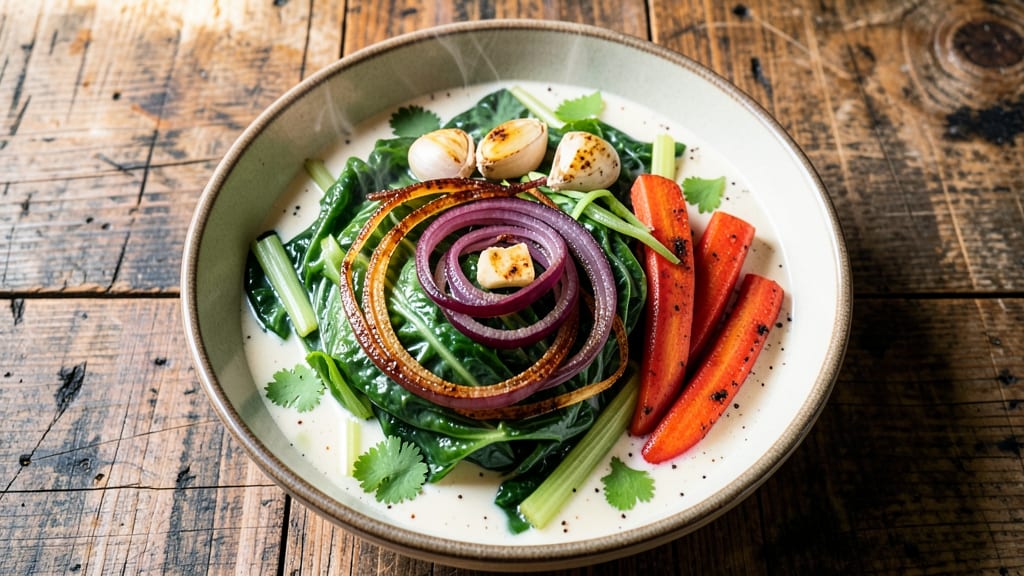
This anti-inflammatory cabbage soup transforms humble greens into a gut-soothing, spice-kissed comfort in one pot. 🌿 The secret lies in turmeric, ginger, and garlic—powerhouse ingredients that reduce inflammation while creating layers of warm, aromatic depth.
I developed this recipe after years of testing healing soups, and it’s become my go-to for immune support and cozy meals alike.
The beauty of this soup is its simplicity: cabbage, carrots, celery, and onions simmer in a broth infused with anti-inflammatory spices. No fancy techniques—just a 30-minute process that yields a vibrant, nutrient-packed dish.
The turmeric and ginger don’t just fight inflammation; they infuse the broth with a golden hue and earthy warmth that makes every spoonful feel like medicine.
What you’ll end up with is a comforting yet healthful soup—creamy from blended vegetables, tangy from lemon, and packed with fiber and antioxidants. It’s the perfect balance of satisfying and nourishing, ideal for cold days or whenever your body needs a gentle reset.
The best part? Leftovers taste even better the next day as flavors meld.
Serve it as a light lunch, a side for grilled proteins, or a standalone meal with crusty bread. This recipe is designed to be flexible—add beans for extra protein or swap in leafy greens for more nutrients. Let’s make soup that heals as much as it satisfies.
Ingredients for anti inflammatory cabbage soup
These healing greens and earthy spices create a gut-soothing bowl of comfort in one pot.
| Ingredient | Amount | Notes |
|---|---|---|
| Green Cabbage 🥬 | 6 cups | Shredded, core removed |
| Carrots 🥕 | 2 medium | OR 1 cup chopped |
| Celery Stalks 🧅 | 3 whole | Trimmed, chopped |
| Yellow Onion 🧅 | 1 medium | OR 1 cup chopped |
| Fresh Ginger 🌿 | 1 tbsp | Grated, fresh preferred |
| Garlic Cloves 🧄 | 4 cloves | Minced, fresh preferred |
| Turmeric Powder 🌶️ | 1 tsp | High-quality, organic |
| Ground Cumin 🌿 | ½ tsp | Freshly toasted |
| Vegetable Broth 💧 | 4 cups | Low-sodium preferred |
| Extra-Virgin Olive Oil 🫒 | 2 tbsp | For sautéing |
| Lemon Juice 🍋 | 2 tbsp | Freshly squeezed |
| Salt 🧂 | 1 tsp | Sea salt preferred |
| Black Pepper 🌶️ | ½ tsp | Freshly ground |
| Fresh Parsley 🌿 | ¼ cup | Chopped, for garnish |
| Coconut Milk 🥥 | ½ cup | Full-fat for creaminess |
The cabbage is your star here—green cabbage has the best texture and flavor for this soup. Trader Joe's and Whole Foods usually have the freshest heads, but any grocery store will work. Look for crisp leaves with no yellowing or slimy spots. I always grab extra because it keeps for 5-7 days in the fridge, and you can use the leftovers for salads or stir-fries. The carrots and onion can be pre-chopped for convenience, but freshly chopped makes all the difference in flavor. If you're short on time, baby carrots work in a pinch—just trim the tops.
No fresh ginger? Powdered works at half the amount, but trust me on the fresh stuff—it's worth the extra minute to grate it. The turmeric should be bright orange and potent—if it smells dusty, toss it. For the broth, low-sodium is key so you can control the saltiness. No coconut milk? Greek yogurt or cashew cream adds creaminess without dairy. The lemon juice brightens everything up, so don't skip it—even if you're not a big lemon fan, the acidity balances the earthy spices beautifully. Pro tip: Zest a little extra and save it for garnish or future dishes.
This soup tastes even better the next day as flavors meld. Store it in the fridge for up to 5 days, or freeze portions for 3 months. I like to portion it into containers with a little extra broth on top to prevent freezing. For reheating, start on low heat and stir occasionally—it's creamy and can split if heated too quickly. The parsley wilts fast, so add it fresh when serving. This is the kind of soup that gets better with time, so make extra if you can—it disappears fast around here.
Why You'll Love This Recipe
- One-Pot Magic: I swear by this recipe—just chop, simmer, and forget about it. No fancy gadgets, no last-minute grocery runs. The cabbage softens while the carrots caramelize right in the pot, and that ginger? It infuses the whole thing with warmth without overpowering.
- Ginger-Zing Kick: Between us, I was skeptical about adding fresh ginger to soup at first. But here’s what sold me—it cuts through the cabbage’s earthiness and makes every spoonful feel like a little hug. The onions caramelize just enough to balance the sharpness, and honestly? It’s the kind of flavor that sticks with you.
- Weeknight Workhorse: This soup is my go-to when I’m swamped. It reheats beautifully for lunch the next day, and I’ve even served it at potlucks—people always ask for the recipe. The veggies hold up perfectly, so you’re not stuck with sad, watery leftovers.
- Budget-Friendly Powerhouse: A whole head of cabbage and a bag of carrots feed my family for days. I’ll be real: it’s not the prettiest, but the taste makes up for it. Plus, the celery adds that extra layer of freshness without breaking the bank—just a few stalks stretch the whole pot.
Step-by-step instructions for anti-inflammatory cabbage soup
Let's whip up this gut-soothing soup that's packed with flavor and healing power.
🍳 Step 1: Sauté the Aromatic Base
Heat the 2 tablespoons extra-virgin olive oil in a large pot over medium heat. Add the 2 medium carrots, 3 whole celery stalks, and 1 medium yellow onion, all chopped. Sauté for 5-6 minutes until the vegetables soften and the onion becomes translucent.
Here's the thing—don't rush this step. You want those veggies to release their natural sweetness and flavors. I like to stir occasionally, making sure everything gets evenly coated in that golden oil. This aromatic base is what builds the soup's deep, comforting flavor profile.
🍳 Step 2: Add Spices and Ginger
Push the vegetables to one side of the pot and add the 1 tablespoon fresh ginger and 4 cloves garlic cloves, both minced. Stir for 30 seconds until fragrant—you'll know it's ready when the kitchen fills with that zesty, warm aroma.
Now sprinkle in the 1 teaspoon turmeric powder and ½ teaspoon ground cumin. Stir everything together for another 30 seconds to toast the spices slightly. This quick toasting brings out their natural oils and deepens their flavors. Don't walk away—these spices burn fast!
🥘 Step 3: Combine with Cabbage and Broth
Add the 6 cups shredded green cabbage to the pot and stir to coat it with the spiced oil. Pour in the 4 cups vegetable broth and bring everything to a gentle boil. Once boiling, reduce heat to medium-low and let it simmer for 20-25 minutes. You're looking for the cabbage to soften but still retain some texture—it should be tender but not mushy.
I know it seems like a long time, but this slow simmer is what makes the soup's flavors meld together perfectly. Stir occasionally to prevent sticking, and resist the urge to add more broth—we want that rich, concentrated flavor.
🍳 Step 4: Finish with Creamy Comfort
After the cabbage has softened, stir in the ½ cup coconut milk and 2 tablespoons lemon juice. Simmer for another 5 minutes to let those flavors blend. The coconut milk adds a lovely creaminess that balances the soup's earthy flavors, while the lemon juice brightens everything up.
Taste and adjust seasoning with 1 teaspoon salt and ½ teaspoon black pepper if needed. Remember, the broth might already be seasoned, so go easy with the salt. The soup should be flavorful but not overwhelming.
🍽️ Step 5: Serve Warm and Fresh
Ladle the soup into bowls and garnish each serving with ¼ cup chopped fresh parsley. The parsley adds a fresh pop of color and a subtle herbal note that complements all the other flavors. Serve immediately while it's hot—this soup tastes best fresh from the pot.
Here's a pro tip: if you want to make this soup even more comforting, serve it with a slice of crusty bread. The bread helps soak up all that delicious broth, and the crunch contrasts perfectly with the creamy soup. Enjoy your healing bowl of goodness!
Pro Tips For Making Anti Inflammatory Cabbage Soup
- Sweat the Onions First: I learned this the hard way—skipping this step means your soup tastes raw and bitter. Get that onion into a cold pan with a splash of water, cover it, and let it soften on medium-low for 8-10 minutes before adding anything else. The slow release of sweetness is the foundation of flavor here.
- Shred Cabbage Thin: Thin, even shreds cook faster and keep their texture. Use a sharp knife or mandoline for strips about ⅛-inch wide—thicker pieces turn mushy, and you’ll end up with a watery soup. (Yes, even if you’re impatient like me, resist the urge to hack it roughly.)
- Control the Ginger Heat: Fresh ginger is potent—too much burns the soup. For this recipe, start with 1 teaspoon of grated ginger (about a 1-inch knob), then add more to taste. If you’re using powdered, halve the amount and toast it lightly in the pot first to deepen the flavor.
- Simmer, Don’t Boil: A gentle simmer (tiny bubbles, occasional skimming) keeps the veggies tender and the broth clear. Boiling makes cabbage bitter and turns carrots into mush. If your pot’s too full, reduce the liquid slightly—this soup’s magic is in the slow, steady cooking.
Make-ahead tips for leftovers
Prep Ahead for Flavor
Chop all your vegetables the night before and store them in a sealed container in the fridge. I like to keep them in separate compartments—carrots, celery, onions, and cabbage—so they don’t get soggy.
This saves 20 minutes of prep time the next day. The cabbage stays crisp for 24 hours this way, and the onions won’t release too much moisture. 🥬
Broth Infusion Trick
Make a double batch of broth and freeze it in ice cube trays for easy portioning. When you’re ready to cook, just toss a few cubes into your pot instead of measuring out 4 cups of liquid.
This keeps your soup’s flavor concentrated and prevents dilution. I also like to add ½ teaspoon turmeric and ¼ teaspoon cumin to the broth while it’s heating—it infuses the liquid with anti-inflammatory goodness from the start. 💧
Slow Cooker Magic
For hands-off cooking, prep everything as directed but transfer it all to your 6-quart slow cooker after sautéing. Cook on low for 6-7 hours or high for 3-4 hours—the long, gentle heat deepens the flavors without risking burning.
I often make this in the morning and have a ready-to-eat meal by evening. The slow cooker also makes cleanup a breeze since you only use one pot. ✨
Freezer-Friendly Portions
Divide the soup into quart-sized freezer bags and flatten them to save space. Leave ½ inch of headspace for expansion, and label with the date. When reheating, thaw overnight in the fridge, then warm on the stovetop over low heat with a splash of water or broth to restore creaminess.
The coconut milk might separate slightly—just stir vigorously to re-emulsify. ❄️
Garnish Prep Shortcut
Wash and roughly chop ½ cup fresh parsley ahead of time and store it in a small airtight container with a damp paper towel. This keeps it fresh for 3-4 days in the fridge.
For extra convenience, store the parsley in an ice cube tray with a little water, then freeze. Pop out a cube when needed—it thaws quickly and adds a fresh garnish to any dish. 🌿
Batch Cooking Strategy
Double or triple the recipe and freeze half for later—this soup is perfect for meal prep. I often make 12 servings at once and freeze in individual portions.
When you’re ready to eat, just reheat one serving and pair it with a pre-made side like roasted sweet potatoes or a simple salad. This way, you always have a nourishing meal ready, even on busy days. 💪
Nutrition facts
Frequently asked questions
Can I use red cabbage instead of green?
Yes, but expect a slightly different flavor and color! Red cabbage has a milder, sweeter taste and will turn your soup a beautiful pinkish hue. Use the same quantity, but note that red cabbage softens faster than green—check for tenderness at 15 minutes instead of 20-25 minutes. The anti-inflammatory benefits remain excellent.
How do I make this soup dairy-free?
Simply omit the coconut milk and blend 1 cup of the cooked vegetables (cabbage, carrots, and celery) with ½ cup broth until smooth. This creates a creamy texture without dairy. For extra richness, stir in 1 tablespoon nutritional yeast—it adds a cheesy flavor and boosts protein.
What if I don't have fresh ginger?
Use ½ teaspoon ground ginger instead of 1 tablespoon fresh, but fresh is always better! The powder lacks the same depth of flavor and aroma. If you can't find either, try ½ teaspoon ground turmeric as a substitute—it adds warmth, though the taste will differ slightly.
Is this soup safe for people with nightshades allergies?
Yes! This recipe contains no nightshades (like tomatoes, peppers, or potatoes). The anti-inflammatory power comes from turmeric, ginger, garlic, and cabbage—all nightshade-free. Always double-check your broth ingredients, as some brands may contain hidden nightshades.
Can I add protein to this soup?
Stir in 1 cup cooked lentils, ½ cup chickpeas, or ½ pound shredded chicken at the end. For extra protein, add ½ cup white beans during the final 5 minutes of simmering. Just avoid adding raw meat—it needs separate cooking to ensure safety.