
Soups & Stews
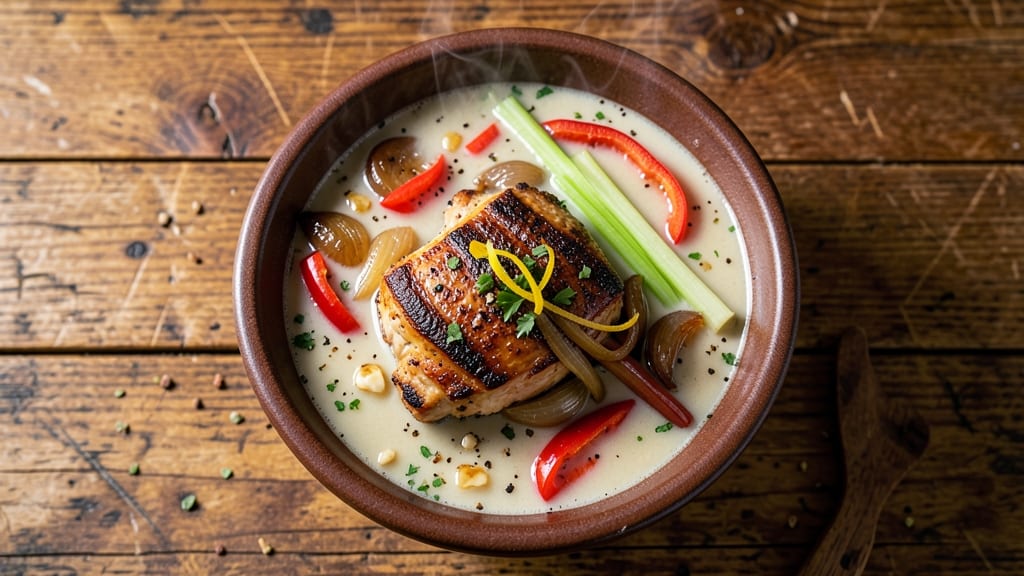
This alligator soup recipe brings the bold flavors of Louisiana's bayous to your kitchen with its deep, savory broth and tender meat. The secret lies in a rich roux foundation layered with Cajun spices—thyme, bay leaf, and a whisper of cayenne—that create an aromatic base worth simmering for hours.
Unlike typical game soups, this version transforms tough alligator meat into fork-tender pieces through slow cooking, while crispy celery crowns add a satisfying crunch that balances the richness.
The process begins with carefully cleaning and cutting the alligator meat—a step that demands precision but yields rewards in texture and flavor. A dark roux forms the soul of the soup, where flour and fat develop a deep, nutty complexity before being deglazed with stock and spices.
The broth simmers low and slow, allowing the meat to absorb flavors until it practically melts in your mouth, while the celery crowns bake until golden and crisp.
What you'll end up with is a soup that's both hearty and elegant—a perfect marriage of Louisiana tradition and home-cooked comfort. The aroma alone will transport you to a Cajun restaurant, where the soup is served steaming hot in deep bowls, garnished with fresh parsley and green onions.
Each spoonful delivers layers of smoky, spicy, and umami richness, with the celery crowns providing a textural contrast that makes every bite exciting.
This recipe is ideal for adventurous cooks looking to explore game meats or for those who appreciate the depth of Cajun cuisine. The technique is straightforward once mastered, and the result is a dish that commands attention at any gathering.
Serve with crusty bread to soak up every last drop of that flavorful broth.
Ingredients for alligator soup
Pantry staples meet Cajun boldness for this swamp-inspired soup with tender alligator and crispy celery crowns.
| Ingredient | Amount | Notes |
|---|---|---|
| Alligator Meat 🐊 | 1 ½ lb | Cut into 1-inch cubes, skin removed |
| Yellow Onion 🧅 | 1 whole | Diced, about 1.5 cups |
| Celery Stalks 🥬 | 4 whole | Cut into 1-inch pieces for crowns |
| Green Bell Pepper 🌶️ | 1 whole | Diced, about 1 cup |
| Garlic Cloves 🧄 | 4 cloves | Minced, for roux and broth |
| Cajun Seasoning 🌶️ | 2 tbsp | Homemade or store-bought blend |
| Bay Leaves 🌿 | 2 whole | Fresh preferred, dried works |
| Thyme Sprigs 🌿 | 2 whole | Fresh thyme, stems removed |
| Cayenne Pepper 🔥 | ½ tsp | Adjust for heat preference |
| All-Purpose Flour 🌾 | ½ cup | For dark roux foundation |
| Butter 🧈 | ½ cup | Unsalted, for roux |
| Chicken Stock 💧 | 4 cups | Low-sodium preferred |
| Olive Oil 🫒 | ¼ cup | For finishing and garnish |
| Fresh Parsley 🌿 | ¼ cup | Chopped, for garnish |
| Green Onions 🧅 | 3 whole | Sliced, for garnish |
Alligator meat is the star here, so source it fresh from specialty butchers or game suppliers—Cajun Provisions or Wild Game Processors are great places to start. Look for pieces with good marbling and minimal gamey smell. The celery crowns need thick stalks—avoid the thin, stringy kind. For the Cajun seasoning, Tony Chachere's is a solid shortcut, but making your own (paprika, garlic powder, onion powder, thyme, oregano, cayenne) gives you control over the heat. The butter for the roux should be cold and cubed—this helps develop that deep, nutty flavor.
No alligator? Substitute duck or chicken thighs for the meat—just add an extra hour to the cooking time. Running short on celery? Substitute thick carrot sticks for the crowns, but they won't be as crisp. The roux is non-negotiable—don't rush it. It should be a deep, chocolate-brown color before adding the stock. If you're sensitive to heat, cut the cayenne to a pinch or use smoked paprika instead. The stock can be homemade or high-quality store-bought—Pacific Foods or Swanson are reliable brands. Fresh herbs are ideal, but dried thyme at half the amount works in a pinch.
This soup tastes even better the next day—plan ahead. Store the broth and meat separately in airtight containers for up to 3 days. The celery crowns? Eat them fresh—they lose crispness fast. For leftovers, reheat gently on the stove with a splash of stock. The roux keeps for 1 week in the fridge, so you can make it ahead if you're prepping. Garnish with fresh parsley and green onions right before serving—they add a pop of color and freshness that makes the dish feel restaurant-worthy.
Why You'll Love This Recipe
- Fewer Cuts, Same Flavor: I swear by this trick—just rough-chop the onion, celery, and bell pepper (no fancy dice needed) and toss them straight into the pot with the alligator. The meat breaks down tender on its own, so you’re not stuck dicing anything delicate.
- Umami Bomb: That first bite? The alligator’s natural richness paired with the caramelized garlic and bell pepper—it’s like a hearty gumbo without the fuss. Honestly, the celery adds this subtle depth that makes it taste restaurant-level every time.
- Tailgate to Tuesday: Between us, this soup is my secret weapon for game days and lazy Mondays. Serve it with crusty bread for tailgates, or heat up a bowl for a no-fuss dinner when you’re too tired to think.
- Budget-Friendly Protein: Alligator is leaner than chicken but packs serious flavor, and a single bag feeds four. The leftovers reheat like a dream—my freezer’s always got a batch, and it’s cheaper than takeout when you’re feeding a crowd.
Step-by-step instructions for alligator soup with celery crown crunch
This rich, flavorful soup delivers swamp-inspired depth with a satisfying crunch from celery crowns.
Sear the Alligator Meat for Maximum Flavor
Heat the 0.25 cup olive oil in a large Dutch oven over medium-high heat until shimmering. Pat the 1.5 lb alligator meat dry with paper towels—this helps create a good sear. Working in batches to avoid crowding, add the alligator cubes and cook for 3-4 minutes per side until golden brown and slightly crispy.
You'll know it's ready when the meat releases easily from the pan and develops a rich, caramelized crust. Remove the seared alligator and set it aside on a plate. Here's the thing—don't skip this step. The searing builds deep flavor that infuses the entire soup. If the pan gets too crowded, reduce heat slightly to prevent steaming instead of browning.
Build the Dark Roux Foundation
With the alligator removed, reduce heat to medium and add the 0.5 cup butter. Let it melt completely, then whisk in the 0.5 cup all-purpose flour to form a paste. Cook this roux, stirring constantly with a wooden spoon, for 10-12 minutes until it turns a deep, chocolatey brown color.
This dark roux is what gives gumbo its signature thickness and rich flavor. You're looking for a color between coffee and cocoa—it should smell nutty and toasty. If it starts to smoke or burn, immediately reduce heat. The roux is the backbone of your soup, so take your time here. Once it reaches the right color, whisk in the 4 cloves minced garlic cloves and cook for another 30 seconds until fragrant.
Sauté the Vegetables and Develop the Broth
Add the diced 1 whole yellow onion, 1 whole green bell pepper, and 4 whole celery stalks (cut into 1-inch pieces) to the Dutch oven. Cook for 5-6 minutes until the vegetables soften and the onion becomes translucent. Stir in the 2 tbsp Cajun seasoning, 0.5 tsp cayenne pepper, 2 whole bay leaves, and 2 whole thyme sprigs, letting the spices toast for 1 minute to release their aromas.
Pour in the 4 cups chicken stock and bring to a gentle simmer. Return the seared alligator to the pot, along with any accumulated juices from the plate. Partially cover and simmer for 45-50 minutes until the alligator meat is fork-tender with no resistance. The broth should reduce slightly but remain flavorful. Here's where patience pays off—rushing this step results in tough meat. If the broth reduces too much, add a splash of water to maintain consistency.
Finish and Garnish for Perfect Presentation
Once the alligator is tender, stir in the 0.25 cup chopped fresh parsley and adjust seasoning with salt and pepper if needed. Ladle the soup into bowls, reserving some broth for garnish. For the signature celery crown crunch, carefully separate the leafy tops from the 4 whole celery stalks, rinse them well, and pat dry. Blanch the celery crowns in boiling water for 30 seconds, then drain and shock in ice water to maintain their vibrant green color.
Arrange the blanched celery crowns on top of each serving, then drizzle with a little reserved broth and a swirl of the 0.25 cup olive oil. Garnish with the sliced 3 whole green onions for freshness. The contrast of the crisp celery crowns against the rich, velvety soup creates the perfect texture balance. Serve immediately while the celery remains crisp and the soup is piping hot—this dish tastes best straight from the pot.
Pro Tips For Making Alligator Soup
- Brown the Meat First: Don’t skip this step—alligator turns gamey if it doesn’t get a proper sear. Cut the meat into 1-inch chunks, pat them dry, and cook in batches over medium-high heat with 1 tablespoon of oil until deep golden brown on all sides. (Yes, it’ll look like overkill, but it makes the soup taste richer.)
- Dice the Holy Trinity: Onion, celery, and bell pepper should be cut into uniform ¼-inch dice—no big chunks, no slivers. I learned this the hard way when my soup had mushy onion bits and crunchy celery sticks in the same bowl. (Use a sharp knife and take your time.)
- Deglaze with Liquid: After browning the alligator, don’t just add broth—deglaze the pan with a splash of white wine or even a little apple cider vinegar first. Scrape up those browned bits; they’re packed with flavor that’ll disappear if you skip this.
- Simmer Low and Slow: Alligator needs patience—bring the soup to a boil, then drop the heat to a gentle simmer. If you let it bubble hard, the meat will turn rubbery. (I used to rush it, and the texture was always off. Now I set a timer for 45 minutes and walk away.)
Essential equipment for perfect results
Dutch Oven Essentials
A 5-quart Dutch oven is your best friend for this recipe—it handles the searing, roux development, and simmering all in one pot. I recommend a Lodge cast iron Dutch oven for its even heat distribution and durability. The heavy material retains heat beautifully, ensuring your roux cooks evenly without burning.
If you don’t have cast iron, a stainless steel Dutch oven like All-Clad works well, though you’ll need to monitor heat more closely to prevent scorching. 🔥
Thermometer Precision
An instant-read meat thermometer is non-negotiable for checking alligator doneness—aim for an internal temperature of 165°F. I use a ThermoWorks ThermoPop because it’s fast and reliable. The alligator meat can vary in thickness, so checking multiple pieces ensures perfect tenderness.
For the roux, a candy or deep-fry thermometer helps track the ideal 350-375°F range—this is where it develops that rich, nutty flavor without burning.
Wooden Spoon & Whisk
A wooden spoon is critical for stirring the roux—it won’t scratch your Dutch oven like metal utensils. Look for a long-handled, heat-resistant wooden spoon (like OXO Good Grips) to avoid burns.
For the roux, a balloon whisk helps incorporate flour smoothly without clumping. I keep one dedicated to roux-making to avoid cross-contamination with other dishes. 🌾
Celery Crown Tools
For the crispy celery crowns, a sharp chef’s knife and mandoline (like Benriner) make quick work of even slices. The mandoline ensures uniform thickness, which is key for even cooking.
A slotted spoon is perfect for blanching and shocking the celery in ice water—it lets excess water drain while keeping the crowns intact. Don’t skip the ice bath; it stops cooking instantly and keeps the color vibrant.
Optional: Immersion Blender
If you prefer a smoother broth, an immersion blender (like Magic Bullet) lets you blend directly in the pot. Pulse for 10-15 seconds to achieve a velvety texture without over-processing. This step is optional but adds a luxurious touch.
Just be cautious—hot liquids can splatter, so use the lid or a splash guard if your blender has one. For extra richness, strain the broth through a fine-mesh sieve to remove any sediment before serving.
Nutrition facts
Frequently asked questions
Why does alligator meat need to be seared before cooking?
Searing creates a flavorful crust that locks in juices and builds deep, caramelized notes essential for the soup's richness. The high heat breaks down proteins on the surface, creating a Maillard reaction that develops complex flavors as it simmers in the broth. Skipping this step leaves the meat bland and tough.
Can I substitute alligator with another meat?
For similar texture, use duck legs or chicken thighs—both hold up well to long simmering. Add an extra 30-45 minutes to cooking time since they're less fatty. For a closer flavor, try venison or rabbit, but increase the Cajun seasoning by 1 tsp to compensate for the milder taste.
How do I know when the dark roux is ready?
The roux is perfect when it reaches a deep chocolate-brown color—similar to cocoa powder—with a nutty aroma. It should coat the back of a spoon and take 10-12 minutes of constant stirring. If it starts smoking, immediately reduce heat to prevent burning. The color should be darker than a blond roux but not burnt.
What's the best way to store leftovers?
Store the broth and meat separately in airtight containers for up to 3 days in the fridge. Reheat gently on the stove with a splash of water or stock. The celery crowns should be eaten fresh—they lose crispness within 24 hours. For longer storage, freeze the soup (without celery) for up to 3 months.
Can I make this soup in a slow cooker?
Yes, but with adjustments: Sear the alligator first, then transfer everything (except celery crowns) to the slow cooker. Cook on low for 6-8 hours or high for 3-4 hours. The meat may absorb more broth, so add 1 cup water if needed. Add celery crowns just before serving to maintain crispness.