
Soups & Stews
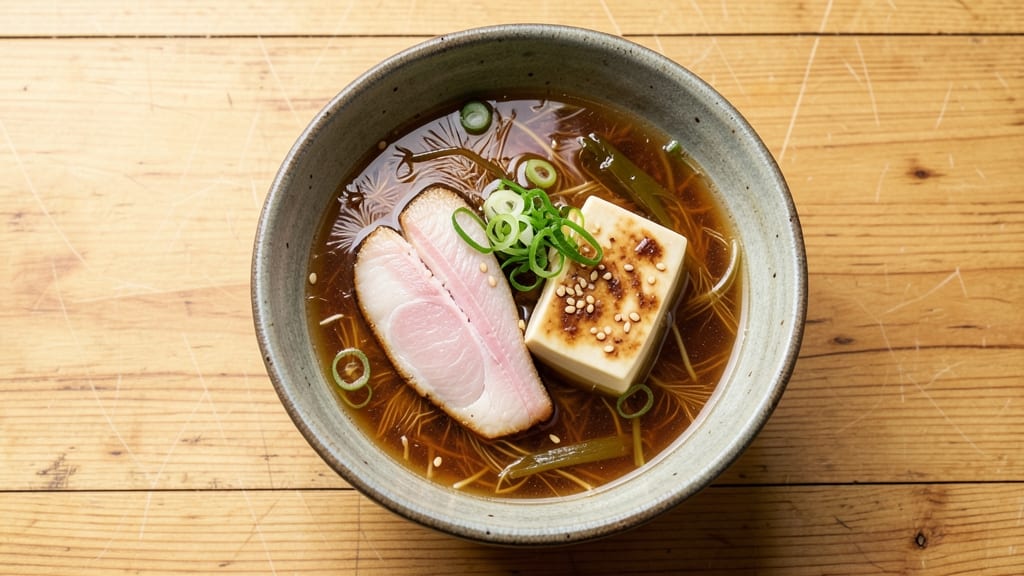
This akadashi miso soup recipe delivers the comforting clarity of Japanese home cooking, where delicate fish simmers in a rich miso broth until tender, crowned with toasted sesame crunch.
The key lies in balancing umami depth from fermented miso with the subtle sweetness of dashi stock, creating a harmony that's both grounding and invigorating. What sets this dish apart is its simplicity—just a few ingredients transform into a soup that feels like a warm embrace on chilly evenings.
The foundation begins with homemade dashi stock, where kombu and bonito flakes infuse the broth with layers of savory complexity. Adding miso paste at the right temperature preserves its beneficial probiotics while developing its signature malty richness.
The fish—traditionally cod or pollock—cooks just until opaque, ensuring it remains tender yet firm, absorbing the broth's flavors without falling apart.
By the time you serve it, you'll have a soup that's as visually appealing as it is delicious: clear golden broth dotted with delicate fish pieces, silky tofu cubes, and crisp green onions.
The toasted sesame seeds sprinkled on top add a satisfying crunch that contrasts beautifully with the soup's smooth texture. This is the kind of dish that pairs perfectly with steamed rice and pickled vegetables, creating a balanced meal.
Whether you're preparing it for a weeknight dinner or a special gathering, this recipe scales effortlessly. The technique is straightforward, yet the result feels distinctly special—like a taste of Japan's culinary traditions brought to your kitchen. Ready to create this comforting classic?
Ingredients for akadashi miso soup
Just twelve ingredients transform into a bowl of comforting Japanese clarity—umami-rich, delicate, and perfectly balanced.
| Ingredient | Amount | Notes |
|---|---|---|
| Dashi Stock 🍲 | 4 cups | Homemade or quality store-bought |
| White Miso Paste 🧈 | ¼ cup | High-quality, fermented |
| Cod Fillets 🐟 | 1 lb | Skinless, cut into bite-sized pieces |
| Silken Tofu 🧀 | ½ lb | Cut into small cubes |
| Green Onions 🧅 | 3 whole | Thinly sliced, white and green parts |
| Toasted Sesame Seeds 🌾 | 1 tbsp | Store-bought or homemade |
| Kombu 🍃 | 1 piece | Dried, 4x4 inch sheet |
| Bonito Flakes 🐟 | ½ oz | For dashi stock |
| Sake 🍶 | ¼ cup | Dry variety preferred |
| Mirin 🍶 | ¼ cup | Sweet rice wine |
| Salt 🧂 | ½ tsp | Adjust to taste |
| Sesame Oil 🫒 | 1 tsp | For garnish |
The dashi stock is non-negotiable here. Homemade is ideal—simmer kombu in water until it blooms, then add bonito flakes for depth—but Haus brand or Kikkoman dashi granules work in a pinch (just follow package instructions). For the miso, white miso (shiro miso) is traditional, but red (aka miso) adds extra richness. I grab mine from Miso Master or local Japanese markets—avoid the powdered stuff, it lacks complexity. The cod should be firm and fresh-smelling; Whole Foods or local fishmongers carry the best cuts. If you can't find cod, pollock or halibut work equally well.
No kombu? Dried shiitake mushrooms can substitute at half the amount, though the flavor will differ slightly. Short on bonito flakes? Dried shiitake powder or even a splash of soy sauce adds umami, but it won't be the same. The tofu can be firm or silken—silken gives a creamier texture, while firm holds its shape better. For the sesame seeds, toast them in a dry pan until golden for maximum crunch. The sake and mirin? Cheap varieties work fine—you're not drinking it, just adding flavor. And if you're out of sesame oil, toasted sesame seeds ground into a paste make a decent stand-in.
Dashi stock keeps for 3 days in the fridge or 3 months frozen. Miso paste? Unopened lasts 1 year in the pantry, opened 3 months in the fridge. The cod should be used within 2 days of purchase—freeze it if you're not cooking immediately. Toasted sesame seeds stay fresh for 2 weeks in an airtight container. Double the batch and freeze half—this soup tastes even better the next day as flavors meld.
Why You'll Love This Recipe
- Five-Ingredient Magic: I swear by this one—just dashi, miso, cod, tofu, and scallions. That’s it. No chopping marathons, no hidden pantry raids. The cod poaches itself while the soup simmers, and the tofu just melts into creamy perfection. Honestly, it’s the kind of recipe that makes me feel like a chef without the fuss.
- Umami Bomb: The way the white miso and dashi marry with that flaky cod? Chef’s kiss. The tofu soaks up the broth like a sponge, and the green onions add this bright, fresh finish that cuts through the richness. It’s the kind of flavor that sticks with you—like a warm hug in a bowl.
- Weeknight & Weekend Ally: I make this when I’m too tired to think but still want something special. The leftovers? Even better the next day—just reheat and add a splash of water. And between us? It’s my go-to for date nights too. No one suspects how little effort went into something this delicious.
- Budget-Friendly Luxury: Cod might sound fancy, but frozen fillets keep this affordable. A single batch feeds four, and the miso and tofu stretch it further. I’ll be real: my wallet thanks me every time I make this instead of takeout. Plus, it’s one of those rare dishes where the ingredients actually feel premium without breaking the bank.
Step-by-step instructions for akadashi miso soup
This Japanese classic delivers bright umami clarity with delicate fish and silky tofu—let's build it layer by layer.
Prepare the Dashi Foundation
In a clean pot, combine the 4 cups dashi stock, 1 piece kombu, and 0.5 oz bonito flakes. Bring to a gentle simmer over medium heat—never boil vigorously, as this can make the stock cloudy. You'll see the kombu unfurl and the bonito flakes dissolve completely, releasing their deep oceanic flavor. Simmer for 5 minutes until you notice a delicate aroma rising from the surface.
Remove from heat and let steep for 10 minutes, then strain through a fine-mesh sieve into a clean pot. Discard the kombu and bonito solids. This clear, aromatic base is your soup's soul—every other ingredient will build upon its purity. Keep the dashi warm but not simmering for the next steps.
Cook the Cod and Tofu
In a separate small pot, combine 1 lb cod fillets (cut into bite-sized pieces) with 0.25 cup sake and 0.25 cup mirin. Bring to a gentle simmer over medium-low heat and cook for 3-4 minutes until the fish turns opaque and flakes easily with a fork. Remove with a slotted spoon and set aside.
In the same pot, add 0.5 lb silken tofu (cut into small cubes) and 0.5 tsp salt. Gently simmer for 2 minutes—just enough to warm through without breaking down the delicate texture. The tofu should remain silky, not rubbery. Remove with a slotted spoon and add to the cod.
Build the Miso Base
Return the warm dashi to the pot and reduce heat to low. Gradually whisk in the 0.25 cup white miso paste in a slow, steady stream. This prevents the miso from clumping and ensures even distribution throughout the broth. Stir gently for 1-2 minutes until the miso fully dissolves and the soup takes on a pale golden hue.
Here's where the magic happens: the miso should melt smoothly into the broth without any graininess. If you notice any undissolved bits, strain the soup through a fine-mesh sieve for perfect clarity. The soup should now have a rich, fermented aroma with bright umami notes.
Assemble and Garnish
Return the cooked cod and tofu to the pot and gently stir to combine. Add the 3 whole green onions (thinly sliced) and let them warm through for 30 seconds. The soup should now be fragrant with layers of seafood, fermented miso, and subtle sweetness from the mirin.
Ladle into bowls and drizzle each serving with 1 tsp sesame oil. Finish with a sprinkle of 1 tbsp toasted sesame seeds for that essential crunch. The contrast between the silky broth, delicate fish, and nutty sesame creates a perfect balance of textures and flavors in every spoonful.
Pro Tips For Making Akadashi Miso Soup
- Simmer Cod Low: After boiling the cod fillets for 3-4 minutes, drop the heat to a bare simmer—just until tiny bubbles break the surface. I used to crank the heat too high, and the fish turned rubbery. This keeps it tender while letting the dashi infuse properly.
- Miso Last: Stir the white miso paste into the hot broth after removing the cod and tofu—never let it boil with the miso. I learned this the hard way when my soup turned bitter. Add it when the broth is steaming but not roiling, then swirl it in like you’re stirring a cup of coffee.
- Cube Tofu Evenly: Cut the silken tofu into 1-inch cubes before adding it to the pot, but don’t press them—just slice straight through. Uneven pieces steam unevenly, and some will turn to mush while others stay firm. A quick knife trick saves you from soggy tofu at the bottom.
- Salt the Dashi: Add a pinch of salt (about ¼ teaspoon) to the dashi stock before heating it. The miso is salty enough, but the broth needs a base layer of seasoning to balance the cod’s natural sweetness. Skip this, and the soup tastes flat, even with perfect miso.
Dietary considerations for this akadashi miso soup
Vegetarian Adaptations
Skip the cod entirely and use 1 lb extra-firm tofu or shiitake mushrooms (8 oz) as your protein base. Press and cube the tofu, then pan-fry until golden before adding to the broth.
For shiitakes, slice them thin and sauté with 1 tsp sesame oil until tender. The umami from mushrooms works beautifully with the miso's fermented depth. 🌱
Gluten-Free Considerations
Traditional dashi contains wheat-based bonito flakes, but you can substitute with 1 tbsp gluten-free dashi powder (like Honten) or dried shiitake powder. Always check miso paste labels—some contain wheat. Miso Master's gluten-free white miso is a reliable choice.
The rest of the recipe remains unchanged, ensuring a safe yet flavorful bowl.
Low-Sodium Options
Use low-sodium dashi stock or make your own by omitting added salt. Reduce the 0.5 tsp salt to ¼ tsp and taste before serving—you might not need any at all.
For extra flavor without sodium, add ½ tsp fish sauce or 1 tsp soy sauce when building the miso base. The broth will still shine with umami.
Allergen-Friendly Swaps
For sesame allergies, replace toasted sesame seeds with crushed black sesame seeds (if tolerated) or toasted pumpkin seeds. If avoiding soy entirely, use white miso made with barley (like Miso Master's barley-based shiro miso).
For bonito allergies, rely solely on kombu for dashi flavor—simmer it longer to extract maximum umami.
Probiotic Preservation
To maintain miso's live cultures, never boil the broth—keep it below 160°F. Add miso paste last and stir gently over low heat for just 1-2 minutes. Serve immediately or refrigerate in an airtight container for up to 3 days.
Reheat gently on the stovetop to preserve those beneficial probiotics that make miso so special. 💪
Nutrition facts
Frequently asked questions
What makes akadashi miso soup different from regular miso soup?
This Japanese classic features delicate fish (traditionally cod or pollock) simmered in a clear miso broth, unlike heartier miso soups with tofu and vegetables. The key difference is the bright, umami-packed dashi stock and the delicate fish that cooks just until tender, creating a light yet flavorful soup perfect for chilly days.
Can I use store-bought dashi instead of making my own?
Yes, but quality matters! Use a high-quality store-bought dashi like Haus or Kikkoman granules—just follow package instructions for 4 cups. For best results, simmer kombu and bonito flakes yourself to capture that authentic oceanic depth. The homemade version develops more complex flavors that store-bought can't fully replicate.
How do I know when the cod is cooked perfectly?
The fish should turn opaque and flake easily with a fork after 3-4 minutes of gentle simmering. It should remain tender but firm—overcooking makes it dry and rubbery. Pro tip: If using thicker pieces, start checking at 2 minutes to avoid overcooking.
Can I make this soup ahead of time?
Prepare the broth and cook the fish/tofu separately, then refrigerate in an airtight container for up to 3 days. Reheat gently on the stove—never microwave—to preserve the delicate flavors. The soup actually tastes better the next day as the miso's umami deepens. Just add fresh green onions and sesame seeds before serving.
What's the best way to store miso paste?
Keep unopened miso paste in the pantry for up to 1 year, while opened paste belongs in the fridge for 3 months in an airtight container. Freeze portions for longer storage—just thaw overnight in the fridge. Never freeze miso in water as it can dilute the flavor. The paste should remain smooth and free of mold when properly stored.