
Soups & Stews
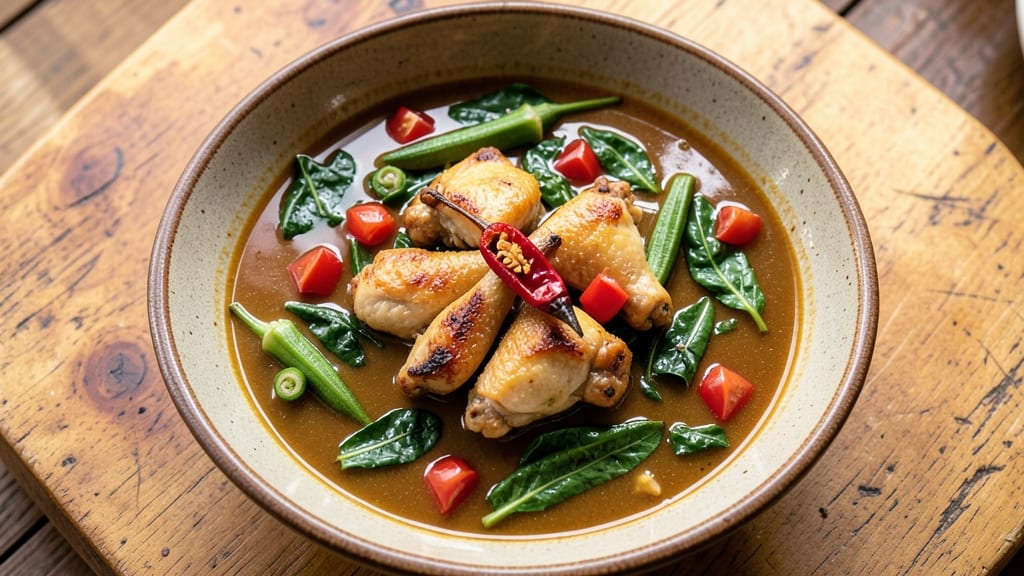
Afang soup recipe ingredients transform humble leafy greens and okra into a rich, hearty stew that carries the soul of West African cuisine. 🌿 The secret lies in slow-simmered broth infused with palm oil, blended greens, and tender protein—whether chicken, beef, or fish—that melts into the sauce. This recipe preserves the dish's authentic depth while making it accessible for home cooks, with a balance of earthy flavors and subtle heat that lingers long after the last bite.
The foundation of Afang soup begins with a deep, aromatic broth built from palm oil, peppers, and tomatoes. Leafy greens like spinach or bitterleaf are blended into a smooth paste and simmered until tender, while okra adds a signature slimy texture that thickens the stew naturally.
Traditional techniques—like toasting spices and layering flavors—ensure every spoonful delivers complexity without overpowering the natural taste of the greens.
What sets this dish apart is its versatility. The soup serves as a complete meal with protein-rich ingredients, while its vibrant color and rich aroma make it a centerpiece for gatherings. Pair it with pounded yam, fufu, or rice to soak up the flavorful broth.
The slow cooking process allows flavors to meld, resulting in a dish that's both comforting and deeply satisfying, embodying the warmth of African home cooking.
Ready in about 1.5 hours, this recipe delivers restaurant-quality results with minimal effort. The key is patience—letting the broth reduce and the greens soften creates a harmony of textures and flavors that defines Afang soup.
Whether you're cooking for family or sharing with friends, this dish promises a taste of tradition with every bite.
Ingredients for afang soup recipe ingredients
Sixteen ingredients blend West African tradition with home cooking simplicity for this hearty Afang soup.
| Ingredient | Amount | Notes |
|---|---|---|
| Palm Oil 🫒 | ½ cup | Red palm oil for authentic color |
| Fresh Leafy Greens 🌿 | 2 cups | Spinach or bitterleaf preferred |
| Okra Pods 🥒 | 1 lb | Fresh, trimmed and sliced |
| Chicken Thighs 🍗 | 1 ½ lb | Bone-in, skin-on preferred |
| Fresh Tomatoes 🍅 | 4 whole | Medium-sized, chopped |
| Scotch Bonnet Peppers 🌶️ | 2 whole | Adjust for heat preference |
| Red Bell Peppers 🌶️ | 2 whole | Chopped for sweetness |
| Onions 🧅 | 2 whole | Yellow or red, chopped |
| Garlic Cloves 🧄 | 6 cloves | Minced for aromatic base |
| Fresh Ginger 🌿 | 1 inch | Thinly sliced, peeled |
| Fresh Thyme 🌿 | 1 tbsp | Leaves only, chopped |
| Salt 🧂 | 2 tsp | Adjust to taste |
| Ground Black Pepper 🌶️ | 1 tsp | Freshly ground preferred |
| Fish Stock 🐟 | 3 cups | Homemade or quality store-bought |
| Water 💧 | 4 cups | For broth dilution |
Palm oil is non-negotiable for authentic flavor and color—African markets or specialty stores carry the best quality. Look for bright red palm oil, not the refined yellow kind. Fresh leafy greens are the soul of this dish; bitterleaf delivers the traditional taste, but spinach works in a pinch. Okra should be fresh and firm, not slimy. For protein, chicken thighs stay juicier than breasts during the long simmer, but beef or fish work equally well. The scotch bonnet peppers add the signature heat—adjust based on your tolerance, but don't skip them entirely.
No palm oil? Coconut oil or vegetable oil mimics the fat content, though flavor will differ slightly. Substitute bitterleaf with collard greens or kale—they won't be identical, but still delicious. Running out of scotch bonnet? Jalapeños or habaneros work in a bind, but reduce the amount by half. The fish stock can be swapped for chicken or vegetable stock, though the depth of flavor will change. For a quicker prep, pre-chopped frozen okra saves time, though fresh is always preferred. Toast your spices lightly in the palm oil before adding water—this step unlocks the full aroma.
Palm oil solidifies when cool, so store it in a cool, dark place and melt it gently before use. Fresh okra keeps for 3-4 days in the fridge, while leafy greens should be used within 2 days for peak flavor. The fully cooked soup reheats beautifully—simmer gently on the stove for 5-10 minutes until heated through. Portion into containers with some broth to maintain moisture, and it'll keep for 3-4 days in the fridge or 3 months frozen. The longer it sits, the more the flavors meld—trust the process.
Why You'll Love This Recipe
- One-Pot Magic: I swear by this soup—just dump everything in one pot, and let the palm oil and okra do their thing. No fancy techniques, no extra bowls to wash. The okra thickens the broth naturally while you chop greens, and by the time you’re done, the kitchen’s cleaner than when you started.
- Rich Without Effort: That deep, nutty palm oil base? It’s the star. You don’t even need to stir constantly—simmer those chicken thighs until they fall off the bone, and the oil infuses the broth with this warm, earthy flavor that makes every bite feel like a hug. Honestly, the first time I made it, I thought, “This is why people cook.”
- Leftovers That Shine: Between us, this soup gets better the next day. The flavors meld, the greens soften just right, and you can reheat it with a splash of water—no soggy mess. I freeze portions too; just thaw and warm, and it’s like fresh again. My lazy Sunday mornings thank me every time.
- Budget Meal for Crowds: Chicken thighs are cheap, okra’s a pantry staple, and leafy greens stretch miles. A single batch feeds my whole family, plus leftovers for days. And if you’re hosting? This is the soup that makes you look like a hero—minimal cost, maximum wow factor. (Yes, even on a Tuesday night.)
Step-by-step instructions for African Afang soup
Here's how to transform vibrant ingredients into a rich, aromatic West African stew.
🔥 Step 1: Sear the Chicken Thighs to Develop Flavor
Heat 0.5 cup palm oil in a large pot over medium-high heat until it shimmers but doesn't smoke. Add the 1.5 lb chicken thighs, skin-side down, and cook for 5-6 minutes until the skin is golden brown and crispy. This step creates the soup's signature deep color and rich flavor base.
Flip the chicken thighs and cook for another 3-4 minutes until they're browned on both sides. Remove them from the pot and set aside. I like to press down gently on the thighs during the first minute—this prevents them from curling and ensures even contact with the hot oil. Don't walk away; the chicken burns quickly once browned.
🍳 Step 2: Build the Aromatic Base with Vegetables
In the same pot, add 2 whole onions (chopped), 6 cloves garlic (minced), 1 inch ginger (thinly sliced), and 2 whole red bell peppers (chopped). Cook over medium heat for 5-6 minutes until the onions are translucent and the garlic releases its signature aroma. Stir frequently to prevent burning.
Add 4 whole fresh tomatoes (chopped) and 2 whole Scotch bonnet peppers (seeded and chopped if you prefer less heat). Cook for another 5 minutes until the tomatoes break down into a thick paste. Here's the thing—this is where the soup's complexity develops. The tomatoes should be completely softened but not charred, creating a smooth foundation for the broth.
🥘 Step 3: Simmer the Okra and Leafy Greens
Return the chicken thighs to the pot. Add 1 lb okra pods (trimmed and sliced) and 3 cups fish stock. Bring to a gentle boil, then reduce heat to low and simmer uncovered for 20 minutes. The okra will release its signature slimy texture, which helps thicken the soup naturally.
After 20 minutes, stir in 2 cups fresh leafy greens (spinach or bitterleaf) and 1 tbsp fresh thyme. Cook for another 5-7 minutes until the greens are tender but still vibrant. Watch the soup carefully—once the greens wilt, the soup is ready. Overcooking will make the greens bitter and the okra mushy.
🔪 Step 4: Season and Finish with Water
Add 4 cups water to thin the soup to your desired consistency. Stir in 2 tsp salt and 1 tsp ground black pepper, tasting as you go. The soup should be seasoned well but not overwhelmingly salty. Remember, you can always add more salt later if needed.
Simmer gently for another 10 minutes to let all the flavors meld together. The soup should have a rich, aromatic smell with layers of okra, leafy greens, and the smoky depth from the palm oil. Taste again and adjust seasoning if necessary. This is the moment that matters—balancing all the flavors to create a harmonious broth.
⏰ Step 5: Rest and Serve Warm
Remove the pot from heat and let the soup rest for 5 minutes. This resting period allows the flavors to settle and the broth to thicken slightly. Skim off any excess oil that rises to the surface if desired—though many traditionalists leave it for extra richness.
Serve the afang soup immediately with fufu, pounded yam, or rice to soak up the flavorful broth. The chicken should be tender enough to pull apart easily, and the soup should coat the back of a spoon with a velvety texture. Each bite should deliver a perfect balance of earthy greens, spicy heat, and savory depth.
Pro Tips For Making Afang Soup Recipe Ingredients
- Bloom the Okra First: Toss whole okra pods in boiling water for 30 seconds before adding to the pot—this softens them just enough to release their sliminess without turning to mush. I learned this the hard way after slurping through a soup that felt like eating pudding.
- Low and Slow for Oil: Heat palm oil on medium-low, not high—it burns faster than you’d think, and that bitter smoke ruins the rich flavor. Watch the bubbles: you want a gentle simmer, not a fireworks show.
- Blanch the Greens Twice: Give those leafy greens a quick blanch in boiling water for 1 minute, then shock in ice water before adding to the soup. It keeps them vibrant and prevents them from turning to sludge in the pot.
- Salt the Chicken Late: Skip salting the chicken thighs until they’re almost done cooking—early seasoning makes them tough. Add a pinch of salt right when you pull them from the pot, and they’ll stay juicy and tender.
Troubleshooting this dish
Broth Too Thin?
If your soup ends up watery, don't panic—this is easily fixed. The okra should naturally thicken the broth as it simmers, but if it's still too thin after 20 minutes, reduce the heat to low and let it cook uncovered for an extra 15-20 minutes.
The moisture will evaporate gradually, concentrating the flavors. For an instant fix, blend ½ cup of the cooked okra with 1 cup of broth, then stir it back in. This creates a silky, rich texture without overpowering the dish. 🥄
Greens Turning Bitter?
Bitterleaf and spinach can turn bitter if overcooked, which ruins the delicate balance of Afang soup. Once you add the greens, set a timer for 5-7 minutes and check frequently. If they wilt too quickly, reduce the heat to low immediately.
The greens should be tender but still vibrant, not mushy. Pro tip: Add thyme at the same time as the greens—it mellows the bitterness naturally. 🌿
Chicken Not Tender?
If your chicken thighs remain tough after simmering, it's likely because they weren't cooked long enough. After searing, return them to the pot with the broth and simmer for an additional 15-20 minutes covered.
The slow cook will break down the connective tissue. For extra tenderness, add 1 bay leaf during the simmering phase—it enhances flavor and helps soften the meat. 🍗
Okra Too Slimy?
Overcooked okra becomes gluey and unappetizing, which can happen if left too long in the broth. Trim the okra pods carefully, removing the tough ends, and slice them into ½-inch pieces for even cooking.
Once added, simmer for exactly 20 minutes—no longer. If you notice the broth becoming too thick too quickly, stir in ½ cup water to balance the texture. 🥒
Flavor Too Mild?
Afang soup needs bold flavors to shine. If yours tastes bland, double-check your seasoning: 2 tsp salt and 1 tsp black pepper should be enough, but taste as you go. For extra depth, add 1 tbsp fish sauce or 1 tsp smoked paprika during the final 10 minutes of simmering.
A splash of lime juice brightens the dish and cuts through the richness. 🌶️
Palm Oil Separating?
Palm oil can separate from the broth if the heat is too high or if the soup sits too long. To prevent this, keep the heat at low during the final 10 minutes of simmering. If it happens after cooking, gently reheat the soup on low heat while stirring occasionally.
For a smoother texture, blend ¼ cup of the broth with the okra before adding it back—this emulsifies the oil naturally. 🫒
Nutrition facts
Frequently asked questions
Can I substitute bitterleaf with other greens?
Yes, bitterleaf is traditional, but collard greens or kale work well as substitutes. For a closer match, use spinach—just add it 5 minutes before the end to prevent wilting. The bitterness in bitterleaf is key to authentic flavor, so if possible, try to find it at African markets or specialty stores.
How do I adjust the heat level in Afang soup?
The scotch bonnet peppers provide the signature heat. For milder heat, remove the seeds and membranes before chopping. Want more spice? Add an extra pepper or a dash of cayenne. For a smoky depth without heat, swap in red bell peppers instead. Always taste as you go—you can't take heat out once it's in!
What's the best way to store leftover Afang soup?
Let the soup cool completely, then store it in an airtight container in the fridge for up to 3-4 days. For longer storage, freeze portions for 3 months. When reheating, warm gently on low heat and stir occasionally to prevent oil separation. The flavors actually improve overnight as they meld!
Can I make Afang soup vegetarian?
Replace the chicken with chickpeas or tofu for protein. Use vegetable stock instead of fish stock and add mushrooms or plantains for extra depth. The okra and leafy greens will still provide the signature texture and earthy flavor. Just ensure your broth has enough umami—soy sauce or nutritional yeast can help.
Why does palm oil solidify in my soup?
Palm oil solidifies when cool because it's naturally semi-solid at room temperature. To keep it liquid during cooking, use medium heat and stir occasionally. If it separates after cooking, gently reheat on low heat while stirring. For a smoother texture, blend ¼ cup of broth with the okra before adding it back—this helps emulsify the oil naturally.