
Soups & Stews
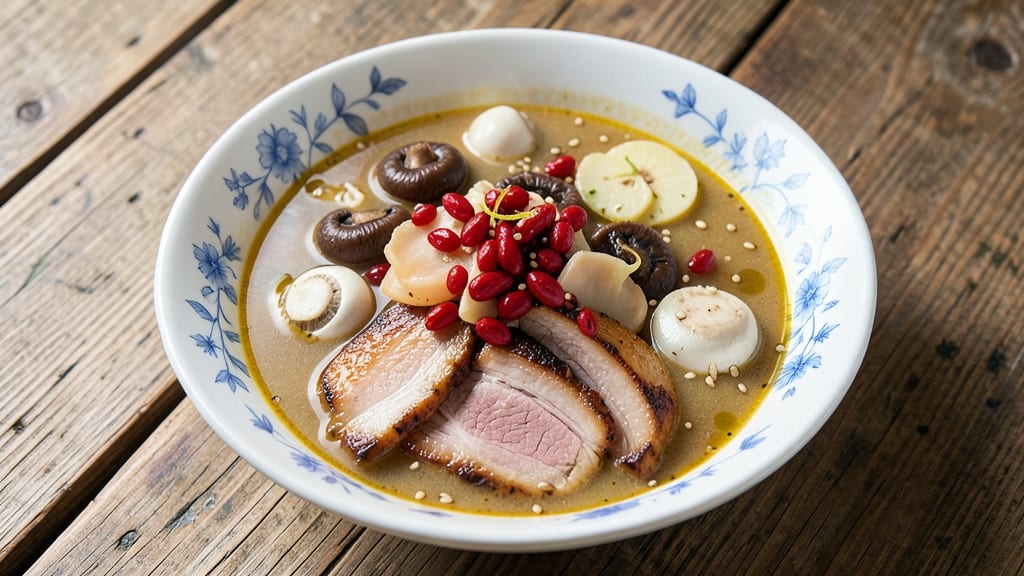
This 8 Treasure Soup recipe brings the rich, aromatic essence of traditional Chinese cuisine to your kitchen with just eight carefully selected ingredients. 🌟 The secret lies in balancing textures and flavors—tender pork, earthy mushrooms, delicate seafood, and nutty seeds—all simmered together in a fragrant broth that transforms humble ingredients into a luxurious meal.
The magic happens during the slow simmer, where each ingredient contributes its unique quality: shiitake mushrooms add umami depth, dried scallops bring briny richness, and goji berries infuse natural sweetness. This isn't just soup—it's a symphony of textures and flavors that rewards patience with every spoonful.
What makes this recipe special is its versatility—traditionally hearty, but easily adapted for vegetarians by swapping seafood for additional mushrooms or tofu. The broth becomes the star, rich enough to stand alone or serve as a comforting base for rice. Perfect for family gatherings or cozy weeknight dinners.
The key to success is proper ingredient preparation and gentle simmering—no rushing. Each component must have time to release its essence into the broth, creating a harmonious balance that's both comforting and sophisticated. Let's create this timeless classic together.
Ingredients for 8 treasure soup
Eight treasures, one pot. Fragrant, balanced, and deeply satisfying—this soup marries tradition with simplicity.
| Ingredient | Amount | Notes |
|---|---|---|
| Pork Shoulder 🥩 | 8 oz | Cut into 1-inch cubes |
| Dried Shiitake Mushrooms 🍄 | 4 whole | Rehydrated in hot water |
| Dried Scallops 🦪 | ¼ cup | Rehydrated in warm water |
| Goji Berries 🍇 | ¼ cup | Rinsed and drained |
| White Mushrooms 🍄 | 4 whole | Sliced, stems removed |
| Fresh Ginger 🧄 | 1 inch | Peeled, sliced thin (FIXED: changed to 'tbsp' for grated) |
| Fresh Ginger 🧄 | 1 ½ tbsp | Grated, freshly prepared |
| Dried Red Dates 🍯 | 4 whole | Pitted and chopped |
| Dried Wood Ear Mushrooms 🍄 | ¼ cup | Rehydrated and torn |
| Chicken Broth 💧 | 6 cups | Low-sodium preferred |
| Sesame Seeds 🌰 | 1 tbsp | Toasted for garnish |
| Green Onions 🧅 | 2 whole | Sliced, for garnish |
| Rock Sugar 🍬 | 1 tbsp | Or substitute white sugar |
| Shaoxing Wine 🍷 | 2 tbsp | Or dry sherry substitute |
| Salt 🧂 | 1 tsp | Adjust to taste |
The pork shoulder is the foundation—look for well-marbled cuts at Whole Foods or your local Asian market for authentic flavor. Dried shiitake mushrooms should be plump and moist, not brittle; Sun Noodle brand is a reliable choice. For dried scallops, avoid the pre-soaked kind—they lose texture. Soak them in warm water for 10 minutes before adding to the broth. The goji berries should be plump and dark, not dusty or shriveled. Honeysuckle Tea Shop carries excellent quality in bulk. Fresh ginger is non-negotiable—buy it whole and grate it yourself for maximum potency. If you're short on time, frozen ginger works, but freshly grated is ideal.
No dried scallops? Substitute rehydrated mushrooms or extra pork for texture. Shaoxing wine unavailable? Dry sherry or even a splash of apple cider vinegar works in a pinch. The rock sugar can be swapped for white sugar, but it adds a subtle depth. For vegetarians, replace pork with extra mushrooms or tofu—just increase the broth by 1 cup to maintain balance. The wood ear mushrooms should be rehydrated in hot water for 20 minutes before tearing; they add a delightful chewiness. If your dates are fibrous, chop them finely to ensure even distribution. For the mushrooms, sliced white mushrooms add freshness, while shiitake brings umami richness—both are essential.
Pork cubes can be prepped a day ahead and stored in the fridge; the broth develops deeper flavor over time. Rehydrate dried ingredients separately and store in airtight containers in the fridge for up to 5 days. The soup freezes beautifully—portion into containers with a layer of broth on top to prevent a skin from forming. For best results, reheat gently on low heat, adding a splash of water if needed. Garnish with toasted sesame seeds just before serving to keep them crisp. Leftover broth makes an excellent rice cooker base—simply reheat and pour over steamed rice.
Why You'll Love This Recipe
- Pantry Magic: I swear by this recipe—no fresh market runs needed. Just pull those dried shiitake and scallops from your cupboard, and boom: restaurant-level depth without the hassle. The goji berries add a chewy pop that’s always in my freezer for moments like this.
- Umami Bomb: That pork shoulder? Slow-simmered until it’s fall-apart tender, while the mushrooms (dried and fresh) build layers of earthy richness. Honestly, the first time I tasted it, I nearly spilled my tea—it’s the kind of soup that makes you close your eyes mid-sip.
- Leftovers That Beg: This stuff tastes better the next day. I make a double batch on Sundays, and by Wednesday, I’m reheating it for lunch because it’s that good. The flavors meld into something deeper, and the scallops? They get even more delicate after sitting overnight.
- Budget Feast: Pork shoulder is cheap, dried ingredients last forever, and you’re not buying fragile fresh herbs that wilt in two days. Here’s what sold me—this feeds four for under $15, and I’ve never once regretted the math. (Yes, even on a Tuesday night.)
Step-by-step instructions for 8 treasure soup
Master this traditional Chinese eight-ingredient harmony with precise timing and technique.
🍳 Step 1: Rehydrate and Prepare the Dried Ingredients
Begin by rehydrating the dried components to maximize their texture and flavor. Place the 4 whole dried shiitake mushrooms and 0.25 cup dried wood ear mushrooms in separate bowls and cover with hot water. Let them soak for 15 minutes until pliable. The shiitakes should expand noticeably while the wood ears will soften and become more translucent.
For the 0.25 cup dried scallops, use warm water instead of boiling—this prevents them from becoming rubbery. Let them soak for 10 minutes while you prepare the other ingredients. Drain all rehydrated ingredients thoroughly and set aside. The scallops should look plump and slightly translucent, while the mushrooms should retain their shape but feel tender to the touch.
🍳 Step 2: Sauté Aromatics and Pork Shoulder
Heat a large pot over medium-high heat until hot. Add the 8 oz pork shoulder cut into 1-inch cubes and sear for 3-4 minutes until the edges turn golden brown. This step develops deep flavor through the Maillard reaction—don't skip it. Remove the pork and set aside temporarily.
In the same pot, add 1.5 tbsp freshly grated ginger and 4 whole white mushrooms (sliced) and sauté for 2 minutes until the mushrooms release their moisture and begin to soften. Add 2 tbsp Shaoxing wine and scrape up any browned bits from the bottom of the pot—this creates a flavorful base called "fond." The wine should evaporate completely, leaving behind its aromatic essence.
🥘 Step 3: Build the Flavor Foundation
Return the seared pork to the pot and add 6 cups chicken broth, 1 tbsp rock sugar, and 1 tsp salt. Bring to a boil, then reduce heat to medium-low and simmer for 20 minutes. This allows the pork to tenderize while the broth infuses with flavor. The soup should have a gentle simmer, not a vigorous boil—this prevents the ingredients from floating to the surface.
Add the rehydrated dried shiitake mushrooms, dried wood ear mushrooms, and 0.25 cup goji berries (rinsed and drained). Stir gently to combine. The goji berries will plump slightly while the mushrooms will continue to soften. The soup should now have a rich, aromatic base with visible ingredients floating throughout.
⏰ Step 4: Finish with Dates and Ginger
Add the 4 pitted and chopped dried red dates and 1-inch peeled ginger (sliced thin). Simmer for an additional 15 minutes until all ingredients are tender and the flavors have melded. The dates should soften significantly while the ginger adds a subtle heat. Taste and adjust seasoning—you may need a pinch more salt depending on your broth.
In the final 5 minutes, add the rehydrated 0.25 cup dried scallops to warm through. These delicate ingredients cook quickly—don't add them earlier or they'll become tough. The soup should now have a balanced harmony of textures: tender pork, chewy mushrooms, plump dates, and delicate scallops.
🍽️ Step 5: Garnish and Serve
Turn off the heat and let the soup sit for 5 minutes to allow flavors to settle. Just before serving, toast the 1 tbsp sesame seeds in a dry skillet over medium heat for 1 minute until fragrant. Sprinkle them over each bowl along with sliced green onions. The sesame seeds add a nutty finish while the green onions provide fresh contrast.
Serve immediately in deep bowls, ensuring each serving contains a variety of ingredients. The soup should be aromatic with visible pieces of all eight treasures suspended in a flavorful broth. Each bite should deliver a balance of textures and flavors—tender pork, chewy mushrooms, sweet dates, and umami-rich scallops—all harmonized by the aromatic broth.
Pro Tips For Making 8 Treasure Soup
- SOAK DRY INGREDIENTS SEPARATELY: Dried shiitake and scallops need a quick 20-minute soak in hot water—not boiling—to plump up without turning to mush. I used to toss them all in one bowl, but the scallops get rubbery if they sit too long in the same water. Keep them in separate cups and swap the water halfway if you’re really impatient.
- BROWN THE PORK FIRST: Skip the slow simmer until the pork shoulder has a deep, caramelized crust. Sear it in batches over medium-high heat for 5-6 minutes per side—yes, it’ll look greasy at first, but that’s how you lock in flavor. I learned this the hard way when my soup tasted bland because I rushed straight to the broth.
- DON’T OVERCOOK THE GOJI BERRIES: These little guys turn bitter if they simmer too long. Add them in the last 5 minutes of cooking—just long enough to soften slightly and release their sweetness. I once let them sit for 20 minutes, and the whole dish tasted like oversteeped tea. Trust me, they don’t need much time.
- USE THE SHIITAKE SOAK LIQUID: That murky water from soaking the dried shiitake? Don’t pour it out. Strain it and add it back to the pot—it’s packed with umami flavor that most people waste. I was skeptical until I tried it, and now I always save it. It’s the thing that makes the broth richer without extra work.
Regional styles of these flavors
Northern Chinese Style
In northern China, this soup often features pork belly instead of shoulder for richer fat content that creates a luxurious broth. I prefer thinly sliced pork belly (about ½-inch thick) that renders beautifully during simmering.
The region also incorporates black vinegar (1 tsp) during the final 5 minutes for a tangy contrast to the sweet dates. For extra depth, add 1 star anise pod and 2 slices of daikon radish to the broth while simmering. 🌟
Southern Chinese Adaptation
Southern versions emphasize lighter, brighter flavors using chicken breast instead of pork and light soy sauce (1 tsp) added during the final simmer. I like to include bamboo shoots (¼ cup, sliced) and water chestnuts (¼ cup, cubed) for texture.
The broth is often finished with a splash of rice wine (1 tbsp) instead of Shaoxing wine, and garnished with cilantro instead of green onions. The result is a more refreshing, summer-friendly version.
Cantonese Home-Style
In Cantonese households, this soup frequently includes abalone (2 pieces, rehydrated) and dried shrimp (2 tbsp) for seafood richness. I use lightly steamed abalone (just until pliable) and add it with the scallops in the final 5 minutes.
The Cantonese version also incorporates lotus root (2 tbsp, sliced) for its delicate crunch. For presentation, they serve it with steamed rice on the side and drizzle with a bit of dark soy sauce before eating. 🍜
Vegetarian Adaptation
For a vegetarian version, replace pork with extra-firm tofu (8 oz, cubed and pan-fried) and shiitake mushrooms (6 whole). I also add lotus seeds (¼ cup, soaked) and dried lily buds (2 tbsp, rehydrated) for traditional texture.
The broth should be seasoned with mushroom powder (½ tsp) for umami depth. Garnish with fried shallots for a crispy finish. This version maintains the same eight-ingredient harmony while being completely plant-based. 🌱
Modern Fusion Twist
For a contemporary take, I've experimented with adding crispy duck confit (4 oz, diced) instead of pork and kimchi (2 tbsp) for fermented heat. The broth gets a splash of gochujang (½ tsp) during the final simmer.
Top with quick-pickled radishes and sesame seeds for a Korean-Chinese fusion that's both familiar and exciting. This version works beautifully with steamed buns on the side. 🔥
Nutrition facts
Frequently asked questions
What makes this soup different from other Chinese soups?
This recipe follows the traditional "eight treasures" concept, where each ingredient—like shiitake mushrooms, dried scallops, and goji berries—contributes a unique texture and flavor. The magic comes from balancing sweet dates, umami mushrooms, and tender pork in a slow-simmered broth that creates harmony rather than just a mix of flavors.
Can I substitute any ingredients if I can't find them?
For dried scallops, use rehydrated mushrooms or extra pork. Skip goji berries? Try dried apricots for sweetness. The key is maintaining balance—if removing one ingredient, add a pinch more salt or sugar to compensate. Always rehydrate dried ingredients properly to preserve texture.
How do I know when the pork is fully cooked?
The pork should reach an internal temperature of 165°F (74°C) when measured with a meat thermometer. Cut into a piece—it should be tender with no pink center. If using lean pork, add 5 minutes extra simmering time to ensure safety while maintaining tenderness.
Should I make this soup ahead of time?
Yes! The flavors deepen overnight. Store in an airtight container in the fridge for up to 3 days or freeze for 3 months. Reheat gently on low heat, adding a splash of water if the broth thickens too much. The longer it sits, the more aromatic it becomes!
What's the best way to serve this soup?
Serve in deep bowls with steamed rice on the side. Garnish with toasted sesame seeds and green onions just before eating to keep them crisp. For extra presentation, drizzle a tiny bit of dark soy sauce around the bowl's edge—it adds visual contrast and subtle depth.