Soups & Stews
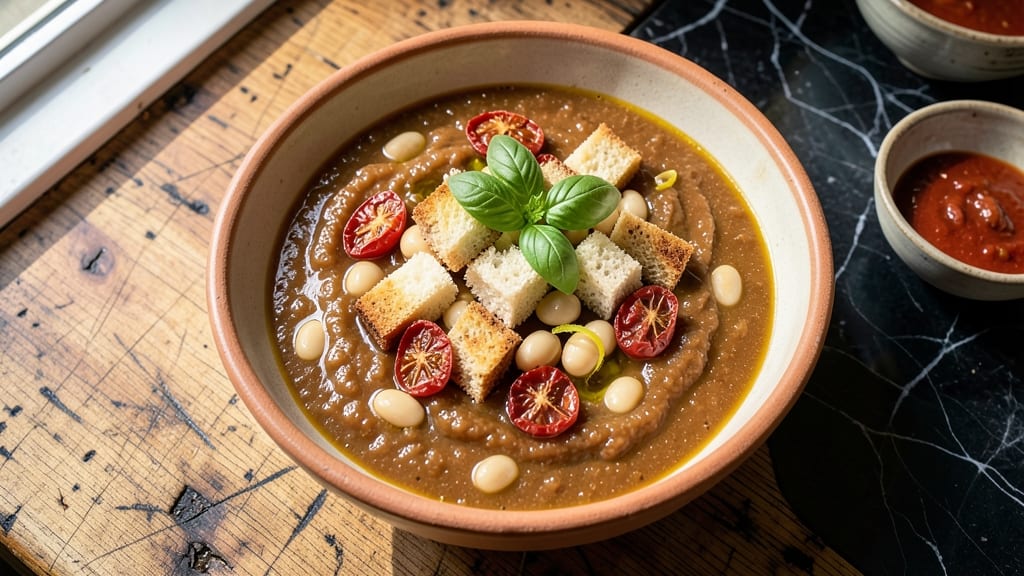
This authentic Tuscan soup recipe brings the heart of Italy to your kitchen with rustic flavors that have been perfected for generations. The secret lies in its simple yet transformative ingredients—stale bread, ripe tomatoes, and cannellini beans—simmered into a rich, velvety broth that captures the essence of Tuscany.
Unlike modern adaptations, this version stays true to tradition, delivering a soup that's deeply comforting yet light enough for any meal.
The magic happens in the slow simmer, where the bread softens into a creamy base while the tomatoes and beans develop a deep, savory depth that defines Tuscan cuisine.
Traditional recipes often include kale or spinach for a touch of earthiness, but the real star is the balance of textures—tender bread, hearty beans, and the occasional crisp edge from the crusty bread pieces. This isn’t just soup; it’s a taste of rural Italy, where every spoonful tells a story.
What makes this recipe truly authentic is the technique: no blenders, no shortcuts, just patience and layering of flavors. The result is a dish that’s both rustic and refined, perfect for chilly evenings or as a starter that leaves guests asking for seconds.
The beauty of Tuscan soups is their adaptability—add a sprinkle of pecorino cheese for richness or a drizzle of high-quality olive oil for brightness, but the soul of the dish remains unchanged.
Once you master this rustic tomato-potato pan bake, you’ll understand why it’s a staple in Tuscan kitchens. The slow cooking process allows the flavors to meld seamlessly, creating a soup that’s as nourishing as it is delicious. Ready to bring a little Italy into your home? Let’s get started.
Ingredients for authentic tuscan soup
Rustic Tuscan flavors start with these simple, hearty ingredients—no fancy shortcuts needed.
| Ingredient | Amount | Notes |
|---|---|---|
| Stale Bread 🍞 | 4 cups | Crusts removed, cubed |
| Ripe Tomatoes 🍅 | 2 lbs | Fresh, vine-ripened preferred |
| Cannellini Beans 🥄 | 1 ½ cups | Cooked, or 1 can drained |
| Yellow Onions 🧅 | 2 whole | Medium, finely chopped |
| Garlic Cloves 🧄 | 4 cloves | Fresh, minced |
| Extra-Virgin Olive Oil 🫒 | ½ cup | High quality, fruity |
| Dried Rosemary 🌿 | 1 tsp | Or 1 tbsp fresh, chopped |
| Dried Thyme 🌿 | ½ tsp | Fresh works too |
| Salt 🧂 | 1 ½ tsp | Diamond Crystal preferred |
| Black Pepper 🌶️ | ½ tsp | Freshly ground |
| Pecorino Romano Cheese 🧀 | ¼ cup | Freshly grated, optional |
| Fresh Basil Leaves 🌿 | ¼ cup | Chopped, for garnish |
| Vegetable Broth 💧 | 4 cups | Homemade or quality store-bought |
The bread is non-negotiable—it's the soul of this soup. Day-old bread works best, but if you're fresh out, toast a batch and let it cool overnight. Look for a rustic loaf with a thick crust at Whole Foods or your local bakery. The tomatoes? Heirloom or vine-ripened make all the difference, but regular grocery store tomatoes work in a pinch. Cannellini beans should be tender but still hold their shape—no mushy beans here. If you're using canned beans, rinse them well to cut down on sodium. The olive oil is where you can splurge—a good Tuscan or Italian blend adds that authentic depth.
No fresh rosemary? Dried works fine at half the amount, but if you've got a plant, snip a sprig—it's worth the extra aroma. Short on basil? Fresh parsley gives a similar brightness. The pecorino is optional but adds that classic Tuscan bite—substitute Parmigiano-Reggiano if that's what you've got. For the broth, homemade is ideal, but Pacific Foods or Imagine brands are solid store-bought choices. If you're feeling adventurous, add a handful of kale or spinach at the end for that traditional Tuscan touch—just wilt it in for the last 5 minutes so it stays vibrant.
This soup tastes even better the next day—plan ahead. Store in an airtight container in the fridge for up to 5 days, or freeze portions for 3 months. I like to make a double batch—one for dinner, one for lunch the next day. The bread cubes will soften more overnight, creating that perfect creamy texture. If you're serving it with crusty bread on the side, toast it fresh right before serving so it stays crisp. And trust me, the basil and cheese should go on table-side—let everyone customize their bowl.
Why You'll Love This Recipe
- This soup works for anything: a quick weeknight dinner, a potluck main, or even a lazy Sunday brunch with crusty bread on the side. The beans add protein, so it’s filling enough for vegetarians or meat-eaters alike—my picky-eating nephew actually finishes his bowl.
- No-Waste Magic: I swear by this trick—tossing in stale bread instead of buying croutons or breadcrumbs. It soaks up the tomato broth like a dream, turning scraps into something hearty and satisfying. (Yes, even the crusts go in.)
- Garlic-Kissed Depth: That slow-cooked garlic? It’s the secret weapon. The onions caramelize just enough to melt into the tomatoes, while the garlic softens into a buttery, aromatic base—no burning, no fuss. Honestly, the first spoonful makes you question why you ever bought soup from a can.
- Crowd-Pleaser Flex: This soup works for anything: a quick weeknight dinner, a potluck main, or even a lazy Sunday brunch with crusty bread on the side. The beans add protein, so it’s filling enough for vegetarians or meat-eaters alike—my picky-eating nephew actually finishes his bowl.
Step-by-step instructions for rustic tomato-potato pan bake
This Tuscan classic transforms humble ingredients into a hearty, flavorful soup with minimal fuss.
Toast the Bread and Sauté the Vegetables
Preheat your oven to 375°F. Spread the 4 cups stale bread cubes on a baking sheet and toast for 10-12 minutes until golden and crisp. You want them dry and crunchy—this prevents a soggy soup later. While the bread toasts, heat 0.5 cup extra-virgin olive oil in a large Dutch oven over medium heat.
Add the 2 whole yellow onions and cook for 5-6 minutes until softened and translucent. Stir in the 4 cloves minced garlic and cook for 30 seconds until fragrant—don't let it brown or it'll turn bitter. Here's the thing: you want the onions to caramelize just enough to sweeten the base, but keep the garlic bright and fresh.
Build the Flavor Base
Add the 2 lbs ripe tomatoes (chopped if whole) to the pot and cook for 8-10 minutes until they break down into a chunky sauce. Stir occasionally, scraping up any browned bits from the bottom—they're packed with flavor. Add the 1.5 cups cooked cannellini beans and 4 cups vegetable broth, then bring everything to a gentle simmer.
Season with 1.5 tsp salt, 0.5 tsp black pepper, 1 tsp dried rosemary, and 0.5 tsp dried thyme. Let it simmer uncovered for 15 minutes to let the flavors meld. You'll notice the soup thickens slightly as the tomatoes release their juices—this is when the magic happens.
Layer and Bake to Perfection
After simmering, stir in the toasted bread cubes and let the soup sit off the heat for 5 minutes so the bread can absorb some of the liquid. This step is crucial—it prevents a watery soup when we bake it. Transfer the Dutch oven to the preheated oven and bake uncovered for 20-25 minutes until the top is golden and bubbly.
Real talk: the bread should be soft but not mushy, and the tomatoes should be tender enough to mash slightly with a spoon. If it looks too dry, add 2-3 tablespoons of water and let it bake another 5 minutes. The cheese adds richness, but it's optional—traditional Tuscan versions often skip it.
Finish and Serve with Fresh Herbs
Remove the soup from the oven and stir in the 0.25 cup freshly grated Pecorino Romano cheese until melted and smooth. Taste and adjust seasoning—you might need a pinch more salt or pepper, depending on your tomatoes. The cheese should blend seamlessly into the soup, adding a salty tang that balances the sweetness of the tomatoes.
Ladle the soup into bowls and garnish with 0.25 cup chopped fresh basil leaves. The basil adds a bright, fresh finish that cuts through the richness. Serve immediately with crusty bread on the side—this rustic pan bake tastes even better the next day, but it's hard to wait that long!
Pro Tips For Making Authentic Tuscan Soup
- SOAK THE BREAD RIGHT: Toss your stale bread cubes in warm water for 10 minutes before adding them—this keeps the soup from turning gluey. I learned this the hard way after slurping a soup so thick it could’ve been used as construction material.
- SAUTE ONIONS LOW AND SLOW: Cook the onions at medium heat until they’re golden, not browned—this builds flavor without burning. After burning three batches, I finally realized patience here makes the whole dish taste richer.
- CRUSH BEANS HALFWAY: Leave about 30% of the cannellini beans whole for texture, but mash the rest with a fork before adding. This gives you the best of both worlds: creaminess and bite without needing a food mill.
- TOAST THE GARLIC: Sear the garlic cloves in olive oil for 30 seconds until fragrant before mincing—it adds depth that raw garlic can’t match. Sounds weird, but it works: the soup tastes like it’s been simmering for hours, not minutes.
Storing and reheating this recipe
Fridge Storage Tips
Let your Tuscan soup cool to room temperature before storing—never refrigerate while hot. Transfer to an airtight container (I love Le Creuset stoneware) and refrigerate for up to 5 days. The bread cubes soften beautifully overnight, creating that perfect creamy texture we love. 🥣
Pro tip: Press plastic wrap directly on the surface before sealing to prevent a skin from forming. If you notice the soup thickens too much after chilling, just add 2-3 tablespoons of water or broth when reheating.
Freezer-Friendly Methods
For longer storage, freeze in single-serving portions using silicone molds or heavy-duty freezer bags. Leave 1-inch headspace to prevent expansion cracks. This soup stays delicious for 3 months—just thaw overnight in the fridge before reheating. 🧊
If you're short on time, you can reheat frozen soup directly from frozen using the stovetop method below, but add 5-10 extra minutes to ensure even heating.
Stovetop Reheating
My preferred method: Transfer soup to a heavy-bottomed pot and heat over medium-low heat for 10-15 minutes, stirring occasionally. Add 2-3 tablespoons of water or broth if it looks too thick. The bread should soften back up beautifully—this is when it tastes most authentic. 🔥
For extra richness, stir in 1 tablespoon of high-quality olive oil during reheating. This helps restore the soup's natural sheen and depth of flavor that might fade slightly during storage.
Microwave Shortcut
For quick lunches, transfer 1-2 servings to a microwave-safe bowl, cover loosely, and heat on 50% power for 3-4 minutes, stirring halfway. The bread cubes may not soften as evenly, but it's a great option when you're in a hurry. 💡
Add a splash of warm water if the soup seems too thick after microwaving. And
Nutrition facts
Frequently asked questions
Can I make this Tuscan soup without stale bread?
If you don't have stale bread, toast 4 cups fresh bread cubes in the oven at 375°F for 10-12 minutes until completely dry and crisp. This prevents a soggy texture when baking. For extra authenticity, use a rustic Italian loaf with thick crusts.
What's the difference between this and traditional Ribollita?
This recipe is inspired by Pappa al Pomodoro, a simpler Tuscan bread soup, while Ribollita includes more vegetables like cabbage and often features a layered baking approach. Both use stale bread and tomatoes, but Ribollita is more complex with multiple ingredients. This version focuses on the core flavors of tomatoes, beans, and herbs.
How do I adjust the recipe for dietary restrictions?
For a vegan version, omit the Pecorino Romano and use nutritional yeast instead. For gluten-free, substitute the bread with gluten-free bread cubes> or chickpea flour> toasted in olive oil. Both alternatives work well while maintaining the soup's rustic character.
Can I make this soup in a slow cooker?
Yes! After sautéing the onions and garlic, add all ingredients except the bread and cheese to your slow cooker on low for 6-7 hours. Stir in the toasted bread cubes during the last 30 minutes of cooking. The slow cooker method develops deeper flavors but requires more hands-off time.
Why does my Tuscan soup taste bland?
Most likely, your tomatoes weren't ripe enough or you didn't let the flavors meld. Try using vine-ripened tomatoes and simmering the base longer (up to 20 minutes uncovered). Also, taste as you go—adding a pinch of red pepper flakes or more Pecorino Romano can boost the depth.