
Soups & Stews
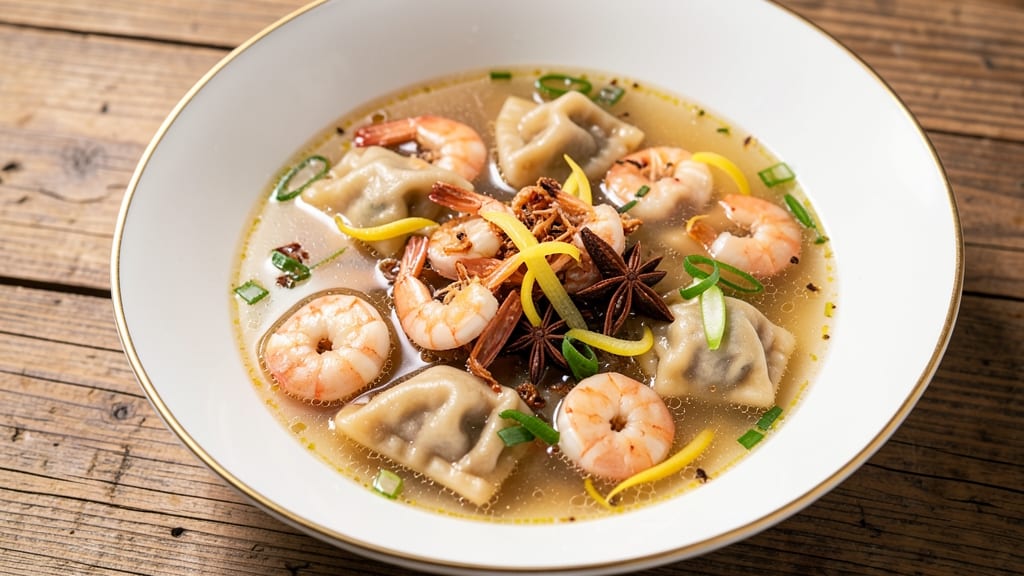
This authentic shrimp wonton soup recipe brings the comforting essence of a bustling Asian kitchen to your table, where clear broth meets chewy wontons and fresh ginger zing.
The secret lies in a carefully clarified broth—simmered with aromatic ginger, star anise, and a touch of soy—that remains crystal-clear while carrying layers of umami. I’ve perfected this version after years of testing, balancing tradition with modern convenience, so you can achieve restaurant-quality results without the fuss.
The heart of the dish is in the wontons—whether you use store-bought wrappers for convenience or fold your own from scratch. The shrimp, poached just until tender, adds a delicate sweetness that harmonizes with the broth’s depth.
What sets this apart is the fresh ginger, which isn’t just a garnish but a key player, infusing every spoonful with a bright, zesty kick that cuts through the richness. The broth is light yet flavorful, with a subtle clarity that makes each ingredient shine.
By the time you ladle the steaming soup into bowls, you’ll have a dish that’s both comforting and elegant—crisp wontons floating in a fragrant broth, topped with plump shrimp and a sprinkle of scallions.
The aroma alone will have everyone gathered around the table, while the first sip delivers that perfect balance of savory, spicy, and fresh. This isn’t just soup; it’s a taste of tradition, simplified for home cooks.
Serve it with a drizzle of chili oil for heat or a sprinkle of cilantro for freshness, and you’ve got a meal that’s as versatile as it is authentic.
Whether it’s a chilly evening or a special occasion, this recipe delivers warmth, texture, and flavor that feel like a hug in a bowl. Let’s get started—your kitchen is about to smell like a Shanghai street corner.
Ingredients for authentic shrimp wonton soup
Fresh ginger and star anise meet shrimp and wontons in this fragrant, restaurant-style soup.
| Ingredient | Amount | Notes |
|---|---|---|
| Shrimp (Peeled and Deveined) 🦐 | 1 lb | Large, tail-on for presentation |
| Wonton Wrappers 🍜 | 24 pieces | Store-bought or homemade |
| Fresh Ginger 🧄 | ½ cup | Finely grated, aromatic |
| Star Anise 🌿 | 2 whole | For deep aromatic flavor |
| Dried Shrimp 🦐 | ¼ cup | Rehydrated for umami depth |
| Green Onions 🧅 | ½ cup | Sliced, for garnish and broth |
| Light Soy Sauce 🍶 | 2 tbsp | For subtle saltiness |
| Sesame Oil 🫒 | 1 tbsp | For finishing aroma |
| Chicken or Vegetable Broth 💧 | 6 cups | Low-sodium preferred |
| Ground White Pepper 🌶️ | ½ tsp | Freshly ground for clarity |
| Cornstarch 🌾 | 1 tbsp | For shrimp poaching |
| Vegetable Oil 🫒 | 2 tbsp | For wonton frying |
| Sesame Seeds 🌰 | 1 tsp | Toasted for garnish |
The ginger is non-negotiable—look for fresh, firm roots with no soft spots. Asian markets usually have the best quality, but the grocery store works too. Grate it yourself rather than buying pre-grated (it loses flavor fast). Star anise? Penzeys or bulk spice bins are your friends—it’s pricey but worth it. For wonton wrappers, store-bought is fine—no need to make them from scratch unless you're feeling ambitious. The dried shrimp adds that authentic umami punch—soak it in warm water for 10 minutes before using. And shrimp size matters: large, 16/20 count stays plump and tender.
No fresh ginger? Powdered works at half the amount, but it’s not the same. Out of star anise? 1 tsp anise extract or ½ tsp ground anise gets you close. Store-bought wonton wrappers? Check the package—some need a quick dip in water before filling. For the broth, low-sodium is key—you’ll be adding soy sauce anyway. The cornstarch slurry is crucial for poaching shrimp—mix it with cold water to avoid lumps. And if you can’t find sesame oil, toasted sesame seeds ground into a paste work in a pinch.
Broth keeps for 3 days in the fridge—make extra for leftovers. Shrimp poaches best fresh but can be prepped ahead and stored in the fridge for 1 day. Wonton wrappers? Freeze extras between sheets of parchment. The whole soup reheats beautifully—just add a splash of water to restore clarity. For serving, keep the chili oil and sesame seeds separate until the last minute to preserve their punch. This soup tastes even better the next day as flavors meld.
Why You'll Love This Recipe
- This soup works for anything: a sick-day recovery, a potluck, or even a fancy dinner when I’m too tired to impress. I’ve served it to picky eaters (they love the shrimp), college kids (cheap and filling), and my mom (who still thinks I “finally grew up”).
- Wonton Wrapper Hack: I keep a stash of wonton wrappers in the freezer—no fancy folding skills needed. These things are pre-sheeted, so I just dip, pleat, and drop. The secret? A quick steam in the broth, and they turn into crispy little pockets that soak up every last bit of that star anise-ginger broth.
- Umami Bomb: That dried shrimp? It’s my flavor multiplier. Toss a handful into the broth, and suddenly you’ve got this deep, savory punch that makes the fresh shrimp taste even richer. Honestly, I could eat a bowl just for the aroma alone—it’s like a warm hug in soup form.
- Crowd-Pleaser Flex: This soup works for anything: a sick-day recovery, a potluck, or even a fancy dinner when I’m too tired to impress. I’ve served it to picky eaters (they love the shrimp), college kids (cheap and filling), and my mom (who still thinks I “finally grew up”).
Step-by-step instructions for authentic shrimp wonton soup
Here's how to craft this classic Chinese soup with crispy wontons and fragrant broth.
Prepare the Aromatic Broth Base
In a large pot, combine the 6 cups chicken or vegetable broth, the 2 whole star anise, the 0.5 cup fresh ginger, and the 0.25 cup dried shrimp. Bring to a gentle boil over medium-high heat, then immediately reduce to a simmer. Let it cook uncovered for 15 minutes—you'll see the broth develop a golden hue and rich aroma from the star anise and ginger. This is where the authentic depth of flavor begins.
While simmering, skim off any foam that rises to the surface with a spoon. This ensures your broth stays crystal clear. The star anise should infuse the liquid with its warm, slightly sweet licorice notes, while the dried shrimp adds umami richness. If using dried shrimp, they'll rehydrate completely during this time, breaking down into tiny pieces that dissolve into the broth.
Poach the Shrimp for Tender Perfection
In a small bowl, whisk together the 1 lb shrimp (peeled and deveined) with the 1 tbsp cornstarch and 0.5 tsp ground white pepper. This coating creates a delicate barrier that keeps the shrimp tender while poaching. Gently add the shrimp to the simmering broth and cook for 2-3 minutes—they're done when they turn opaque and curl slightly at the edges. Remove them immediately with a slotted spoon and set aside.
Don't overcook the shrimp—they'll continue cooking slightly in the hot broth. The cornstarch coating also helps thicken the broth just enough to create that signature wonton soup body without making it heavy. If you notice any shrimp turning pink before they're fully opaque, they're overdone and will become rubbery.
Fry the Wontons to Golden Crispness
Heat 2 tbsp vegetable oil in a separate skillet over medium heat until shimmering but not smoking. Working in batches, carefully place 6 wonton wrappers (filled with your preferred wonton filling) into the oil. Fry for 1-2 minutes per side until they turn a beautiful golden brown color. The wontons should be crispy on the outside but still tender inside—this contrast is what makes wonton soup special.
Use a slotted spoon to transfer the fried wontons to paper towels to drain excess oil. If you're using store-bought wonton wrappers, follow the package instructions for filling and shaping. The key is to keep the heat moderate—too hot and they'll burn before cooking through, too cool and they'll absorb too much oil and become greasy.
Assemble and Finish the Soup
Return the poached shrimp to the broth and stir in the 2 tbsp light soy sauce. Taste and adjust seasoning—you want the broth to be perfectly balanced between the natural shrimp sweetness and the umami from the dried shrimp. Bring the soup to a gentle simmer again, then add the 0.5 cup sliced green onions and let them wilt slightly for 1 minute. This adds freshness that cuts through the richness.
Ladle the hot soup into bowls, placing 6 wontons in each serving. Drizzle with 1 tbsp sesame oil and sprinkle generously with 1 tsp toasted sesame seeds. The sesame oil should create a delicate sheen on the broth's surface, while the sesame seeds add a nutty crunch that contrasts beautifully with the soft wontons and tender shrimp.
Serve with Traditional Garnishes
Let each serving rest for 1 minute before enjoying. This brief pause allows the wontons to reabsorb any broth that might have dripped off them during serving. The soup should be hot but not boiling when served—hot enough to steam the wontons slightly when you take your first bite, but not so hot it burns your mouth.
For an authentic touch, serve with extra wontons on the side and a small dish of light soy sauce for dipping. The combination of crispy wontons, tender shrimp, and fragrant broth creates that perfect balance of textures and flavors that makes wonton soup so beloved. Each spoonful should deliver layers of ginger warmth, umami depth, and fresh green onion brightness.
Pro Tips For Making Authentic Shrimp Wonton Soup
- STEAM DON’T BOIL: The wonton wrappers will turn into sad, limp paper if you drop them straight into boiling water. Instead, bring the broth to a gentle simmer—tiny bubbles breaking the surface—and add them one at a time. They’ll float up plump and tender in seconds, not deflate into soup-soakers.
- GINGER SLICE THIN: Fresh ginger loses its punch when it sits in broth like a brick. Thinly slice it (1/8-inch or less) so it infuses flavor without making the soup taste like a medicine cabinet. I used to chunk it—now I regret the wasted effort.
- DRIED SHRIMP SOAK FIRST: Tossing dried shrimp directly into the pot? That’s a flavor crime. Soak them in warm water for 10 minutes to rehydrate, then rinse and pat dry before adding to the broth. It keeps the texture intact and stops the soup from tasting like fishy sawdust.
- STAR ANISE CRUSH GENTLY: Whole star anise can float around like a weird ornament. Lightly crush it with a rolling pin or the side of a knife to release the oils—just enough to break the surface, not pulverize it. Overdo it, and you’ll end up with a bitter, resinous broth. (I learned this after one very memorable batch.)
Regional styles of this dish
Shanghai Classic
The Shanghai version of shrimp wonton soup is all about delicate balance—light broth with tender shrimp and crispy wontons. Here, the broth is clarified to near-perfection, often using a combination of chicken broth and just a touch of dried shrimp for umami depth.
The wontons are typically filled with pork and shrimp rather than just pork, giving them extra sweetness that pairs beautifully with the shrimp in the soup.
I like to add a splash of Shaoxing wine to the broth for complexity, and the soup is finished with a drizzle of light chili oil for subtle heat. The presentation is elegant but simple—wontons floating in the clear broth with just a few scallions on top. 🌟
Hong Kong Street Style
Hong Kong’s take on shrimp wonton soup is bolder and more aromatic, often served in small ceramic bowls from street vendors. The broth here is richer, sometimes using a mix of chicken and pork broth, and packed with fresh ginger, garlic, and fermented black beans for depth.
The wontons are slightly larger than Shanghai-style and often filled with shrimp and pork for extra richness. What sets this apart is the toasted sesame oil finish—generous amounts are drizzled directly into the bowl before serving, creating that signature nutty aroma.
The soup is served piping hot, with a side of pickled vegetables to cut through the richness. The key is keeping the wontons extra crispy, almost like little golden chips. 🔥
Taiwanese Home-Style
In Taiwanese homes, shrimp wonton soup is a comforting staple, often made in large batches for family gatherings. The broth here is simpler but deeply flavorful, relying on fresh ginger, star anise, and a touch of rock sugar to balance the saltiness.
The wontons are often homemade with a pork and shrimp filling, and the soup is finished with crushed peanuts for texture. What makes this version special is the double-cooking technique—the wontons are first blanched in boiling water to set their shape, then fried until golden.
The soup is served with a side of steamed bok choy and a small dish of soy sauce for dipping. The Taiwanese version is all about warmth and homeliness, with flavors that feel both familiar and deeply satisfying. 💛
Modern Fusion Twist
For a contemporary take, I love adding lemongrass and kaffir lime leaves to the broth for a bright, citrusy twist. Swap the traditional pork filling for shrimp and crab meat in the wontons, and finish with a drizzle of yuzu kosho for a Japanese-inspired heat.
The wontons can also be baked instead of fried for a lighter texture—toss them in olive oil and bake at 400°F for 10-12 minutes until golden. Garnish with cilantro and lime wedges for a fresh, vibrant touch.
This fusion version keeps the soul of the classic while adding a modern, refreshing edge. Perfect for those who want authenticity with a creative spin. ✨
Nutrition facts
Frequently asked questions
Can I make this soup vegetarian?
Yes! Replace the shrimp with mushroom slices or tofu cubes for poaching. Use vegetable broth and swap dried shrimp for dried shiitake mushrooms or miso paste for umami depth. The wonton filling should also be vegetarian—common options include tofu, mushrooms, and water chestnuts. The broth will still be fragrant with ginger and star anise, just without the seafood.
How do I keep the wontons from getting soggy?
Fry them golden brown and drain on paper towels, but don't add them to the broth until serving. Instead, place them directly in bowls before ladling hot soup over them. This keeps their crisp texture intact. If you must add them to the broth, fry them just before serving and cook for no more than 1 minute in the hot liquid.
What's the best way to store leftovers?
Store the broth separately from the wontons and shrimp in airtight containers. The broth keeps for 3 days in the fridge and reheats beautifully—just bring to a simmer. Reheat wontons separately in a dry skillet for 1-2 minutes to restore crispness. The shrimp can be reheated in the broth for 30 seconds max to prevent rubberiness. Freeze broth for up to 1 month and wontons for 2 months.
Can I use frozen shrimp?
Yes, but thaw them first in the fridge overnight. Pat them completely dry before coating with cornstarch—any moisture will prevent proper crisping. For best results, use fresh shrimp as they're more tender, but frozen works in a pinch. Just avoid thawing at room temperature, which can make them rubbery.
Why is my broth cloudy instead of clear?
Cloudiness usually means proteins or starches weren't properly skimmed. Simmer uncovered and skim foam frequently for 15 minutes—this clarifies the broth. If using dried shrimp, strain them out after soaking. For extra clarity, add 1 egg white to the broth while simmering (it will coagulate and can be strained out). The star anise and ginger should infuse without making it murky.