
Soups & Stews
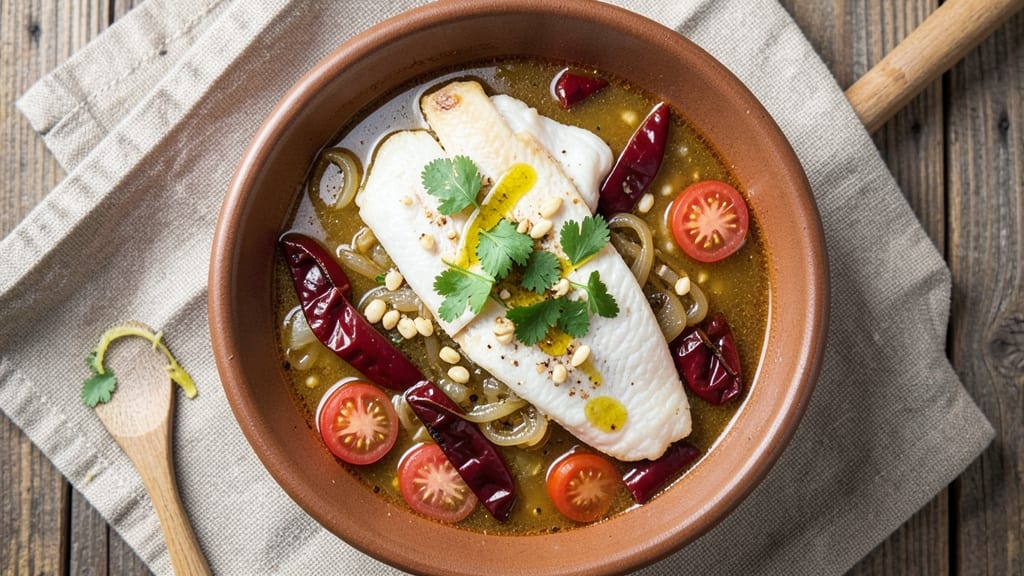
This African fish pepper soup recipe delivers the rich, aromatic flavors of West African cuisine in every hearty spoonful. The secret lies in slow-braising fresh fish with tomatoes, peppers, and bold herbs until the broth becomes thick, fragrant, and deeply satisfying.
I developed this version after years of perfecting the balance between spicy, tangy, and savory notes—essential for authentic taste without overwhelming heat.
The recipe begins with a vibrant pepper sauce, simmered with garlic, onions, and ginger until deeply caramelized. Fresh fish (or stockfish) is added later to preserve its delicate texture while absorbing the complex flavors.
Traditional West African spices like thyme, curry powder, and bay leaves elevate the broth, creating layers of warmth that pair beautifully with jollof rice or fufu.
What sets this dish apart is the technique of layering flavors—starting with the aromatic base, then building heat gradually, and finishing with fresh herbs. The result is a soup that’s both comforting and vibrant, with tender fish swimming in a velvety, spiced broth.
It’s the kind of meal that feels like a celebration, even on a weeknight.
Adjust the spice level to your preference, and don’t skip the final touch of fresh parsley or cilantro for brightness. This recipe serves 4-6 and comes together in about 1 hour, making it perfect for family dinners or gatherings. Let’s get cooking!
Ingredients for african fish pepper soup
Sixteen ingredients blend West African spices with fresh seafood for a bold, aromatic pepper soup.
| Ingredient | Amount | Notes |
|---|---|---|
| White Fish Fillets 🐟 | 1 ½ lb | Firm white fish like cod or tilapia |
| Red Bell Peppers 🌶️ | 2 whole | Seeded and chopped |
| Onions 🧅 | 1 whole | Yellow or red, chopped |
| Fresh Tomatoes 🍅 | 4 whole | Ripe, chopped or crushed |
| Fresh Ginger 🌿 | 2 tbsp | Grated, fresh preferred |
| Garlic Cloves 🧄 | 6 cloves | Minced, fresh preferred |
| Scotch Bonnet Peppers 🌶️ | 2 whole | Adjust for heat preference |
| Fresh Thyme 🌿 | ¼ cup | Leaves only, chopped |
| Curry Powder 🌶️ | 1 tbsp | Mild or medium heat |
| Bay Leaves 🍃 | 2 whole | Fresh or dried |
| Tomato Paste 🍅 | ¼ cup | High-quality, no salt added |
| Fish Stock 💧 | 2 cups | Homemade or quality store-bought |
| Olive Oil 🫒 | ½ cup | Extra-virgin for richness |
| Fresh Parsley 🌿 | ¼ cup | Chopped, for garnish |
| Salt 🧂 | 1 ½ tsp | Kosher or sea salt |
The fish is the heart of this dish—look for firm white fillets like cod or tilapia at your local seafood counter. Whole Foods or local fishmongers often carry the freshest options, but don't overlook the frozen section if you're in a pinch. The bell peppers should be vibrant red, not wilted, and the Scotch bonnet peppers are non-negotiable for that signature heat. If you can't find them, jalapeños or habaneros work in a bind, but adjust the quantity carefully. The ginger and garlic are your aromatic foundation—fresh is best, but if you're using dried, double the amount. Traditional West African markets often carry pre-ground spices, but Penzeys or local international markets are great for authentic curry powder and thyme.
No fresh thyme? Dried thyme at half the amount works, but the flavor won't be as bright. Substituting fish stock? Vegetable stock with a splash of soy sauce mimics the umami depth. The tomato paste can be skipped if you're using plenty of fresh tomatoes, but it adds that concentrated depth of flavor. For the peppers, remove seeds and membranes if you want to reduce heat—especially important if you're serving kids or sensitive eaters. The bay leaves add an earthy backbone, so don't skip them. If you're using dried, crush them lightly before adding to release their oils. For the fish, cut into 2-inch pieces so they cook evenly without falling apart.
This soup tastes even better the next day as the flavors meld. Store in an airtight container in the fridge for up to 3 days, or freeze for 3 months in portions. The fish will stay tender if you reheat gently on the stove with a splash of water or stock. I like to make a double batch—one for dinner and one to freeze for lazy weeknights. The broth reduces slightly when reheated, so add a little extra stock if it's too thick. Fresh herbs like parsley or cilantro should always be added just before serving to keep their bright flavor intact.
Why You'll Love This Recipe
- Few Ingredients, Big Payoff: I swear by this—just five staple ingredients (fish, peppers, onions, tomatoes, ginger) transform into something restaurant-worthy. No fancy pantry raid needed; my pantry always has these basics, and that’s half the battle.
- Spice Without the Guesswork: That ginger-tomato base? It’s the secret weapon—bright, slightly tangy, with just enough heat from the peppers to linger on your tongue. The fish absorbs the flavors like a sponge, so every bite is packed with depth.
- Weeknight to Weekend Flex: Make it for a quick Tuesday dinner or double the batch for a Sunday potluck. The soup reheats beautifully, and the flavors actually improve the next day—honestly, the best leftovers I’ve ever had.
- Budget-Friendly Luxury: Fresh fish might sound pricier, but it stretches further than you’d think when simmered in this broth. I’ve fed four people for under $15, and they always ask for seconds. That’s a win in my book.
Step-by-step instructions for African fish pepper soup
This bold, aromatic broth delivers tender fish in a spicy tomato-herb sauce—simple steps for restaurant-quality results.
Build the Flavor Base
Heat the 0.5 cup olive oil in a large pot over medium heat. Add the chopped onions and cook for 5 minutes until softened and translucent. Stir in the minced garlic cloves and grated fresh ginger, cooking for another 1 minute until fragrant.
Here's where the heat comes in—carefully add the 2 whole Scotch bonnet peppers, sliced lengthwise but leaving the seeds in for maximum spice. Cook for 2 minutes until the peppers soften slightly. The aroma should fill your kitchen—this is your flavor foundation. If you prefer less heat, remove the pepper membranes before adding.
Develop the Tomato Sauce
Add the chopped red bell peppers and chopped fresh tomatoes to the pot. Cook for 8-10 minutes until the tomatoes break down and the mixture thickens slightly. Stir in the 0.25 cup tomato paste and cook for another 2 minutes, allowing it to caramelize.
This step transforms raw ingredients into a rich, concentrated base. You'll see the sauce darken and thicken—this is when the flavors meld. Add the 1 tbsp curry powder and 0.25 cup fresh thyme, stirring to coat everything evenly. The curry adds depth while the thyme brings bright herbal notes that balance the heat.
Simmer the Broth
Pour in the 2 cups fish stock and bring to a gentle simmer. Add the 2 whole bay leaves and 1.5 tsp salt, stirring to combine. Let the broth simmer uncovered for 15 minutes, allowing the flavors to develop and the liquid to reduce slightly by about 25%.
The broth should smell like a West African market—spicy, herbal, and slightly sweet. Taste and adjust seasoning if needed. This is where patience pays off—the longer you simmer, the more complex the flavors become. Keep the heat at a gentle simmer; you're building layers of flavor, not just making soup.
Cook the Fish
Add the 1.5 lb white fish fillets to the simmering broth. Gently stir once to submerge the fish completely. Cover the pot and simmer for 8-10 minutes until the fish is opaque and flakes easily with a fork. The fish should cook just until done—overcooking will make it dry and crumbly.
Here's the thing—fish cooks fast, but you want it to absorb all that delicious broth. The moment the fish reaches 145°F internally, it's done. Remove the fish to a plate and tent loosely with foil to keep warm while you finish the soup. Don't skip this resting step; it keeps the fish tender and prevents it from breaking apart when you serve.
Finish and Serve
Return the pot to medium heat and skim off any excess fat that rose to the surface. Stir in the 0.25 cup fresh parsley and cook for 1 minute to brighten the flavors. Remove the bay leaves before serving.
Gently fold the cooked fish back into the broth, spooning some of the flavorful liquid over each piece. Serve immediately with crusty bread or steamed rice to soak up every last drop of that spicy, aromatic broth. The soup should be vibrant red with deep flavor notes—sweet tomatoes, spicy peppers, earthy thyme, and the subtle heat of the Scotch bonnet peppers working together in perfect harmony.
Pro Tips For Making African Fish Pepper Soup
- Sear Fish First: Don’t just toss raw fish into the simmering broth—pat the fillets dry, season with salt and a pinch of smoked paprika, then sear them skin-side down in a hot pan with a little oil for 2-3 minutes. This locks in flavor and keeps them from turning rubbery in the soup. (Yes, even if you’re impatient like me.)
- Blister the Peppers: After dicing the red bell peppers, spread them skin-side up on a dry pan over medium-high heat for 1-2 minutes until the edges blacken slightly. This deepens their sweetness and mellows the bitterness—trust me, your soup will taste richer. (No need to char them to oblivion; just let the edges darken.)
- Grate Ginger Fine: Skip the pre-grated jar—fresh ginger loses potency fast. Use a microplane or the smallest holes on a box grater, then mix it directly into the oil or broth while cooking. This releases the zingier compounds, and you’ll only need about 1 teaspoon total. (I learned this the hard way after adding too much and ending up with a mouthful of heat.)
- Simmer Low and Slow: Once everything’s in the pot, reduce the heat to the lowest setting that keeps a gentle bubble—no vigorous boiling. Fish pepper soup needs time to marry flavors, not cook off the tomatoes into mush. Give it 15-20 minutes after adding the fish, and resist the urge to rush. (Your future self will thank you.)
Flavor customization for these flavors
Spice Level Control
Adjust the heat to your preference by modifying the Scotch bonnet peppers. For mild heat, use just 1 pepper or remove seeds and membranes. If you love spice, add ½ tsp cayenne pepper or extra red pepper flakes at the end.
I often start with 1 pepper and adjust based on taste—this soup is forgiving! 🌶️
Herb Variations
Swap fresh thyme for dried thyme (use ½ the amount) or add 1 tsp ground allspice for warmth. Fresh cilantro or basil work well too—just add them at the end to preserve brightness. My go-to combo is thyme + parsley for classic West African flavor.
Protein Swaps
Use shrimp (add in last 3 minutes) or stockfish (soak overnight first) instead of white fish. For a vegetarian version, replace fish with firm tofu or chickpeas, but reduce simmer time to 10 minutes. The broth still shines—just skip the fish resting step. 🐟
Broth Depth Boosters
Enhance umami by adding 1 tbsp soy sauce or ½ tsp smoked paprika during simmering. For extra richness, stir in 2 tbsp tomato paste at the end. I sometimes add 1 crushed clove of garlic to the broth for deeper flavor—it disappears but makes a difference!
Texture Adjustments
Want thicker soup? Simmer uncovered for 20 minutes to reduce more. Prefer it lighter? Add ½ cup water or stock at the end. For creaminess, stir in 2 tbsp coconut milk (traditional in some regions) before serving. The consistency should coat a spoon but remain spoonable. ✨
Regional Twists
For a Nigerian touch, add 1 tbsp palm oil at the start for richness. In Ghana, some versions include 1 tbsp ground nutmeg for warmth. My favorite regional tweak? A dash of ground nutmeg in the final broth—it adds earthy depth without overpowering the spice.
Nutrition facts
Frequently asked questions
Can I use frozen fish instead of fresh?
Thaw frozen fish overnight in the refrigerator before using. For best results, pat it dry and season lightly with salt and pepper before adding to the broth. The texture will be just as tender, and the flavor won't suffer—just avoid using fish that's been sitting in ice or water for too long.
How do I reduce the heat in this soup?
Remove the seeds and membranes from the Scotch bonnet peppers before adding them to the pot. For even milder heat, use just 1 pepper instead of 2, or replace it with red bell peppers entirely. If you love spice but want balance, add a pinch of sugar at the end to mellow the heat slightly.
What's the best way to store leftovers?
Store in an airtight container in the fridge for up to 3 days, or freeze for 3 months. Reheat gently on the stove with a splash of water or stock to restore the broth's consistency. The fish will stay tender if you reheat it slowly—never microwave directly from frozen.
Can I make this soup without tomatoes?
Yes, but the flavor will be less vibrant. Replace the fresh tomatoes with 1 cup tomato paste plus ½ cup water, and add 1 extra red bell pepper> for sweetness. The soup will still be flavorful, but the traditional balance of sweet and tangy notes will be missing. For a tomato-free version, use extra ginger and garlic> to boost aroma.
What's the secret to keeping the fish tender?
Cook the fish just until it reaches 145°F internally—overcooking makes it dry. Remove it from the broth as soon as it flakes easily with a fork, then tent with foil to rest for 5 minutes>. This keeps the fish from breaking apart when you serve it. Never stir the fish constantly while cooking—let it cook gently in the broth.