
Soups & Stews
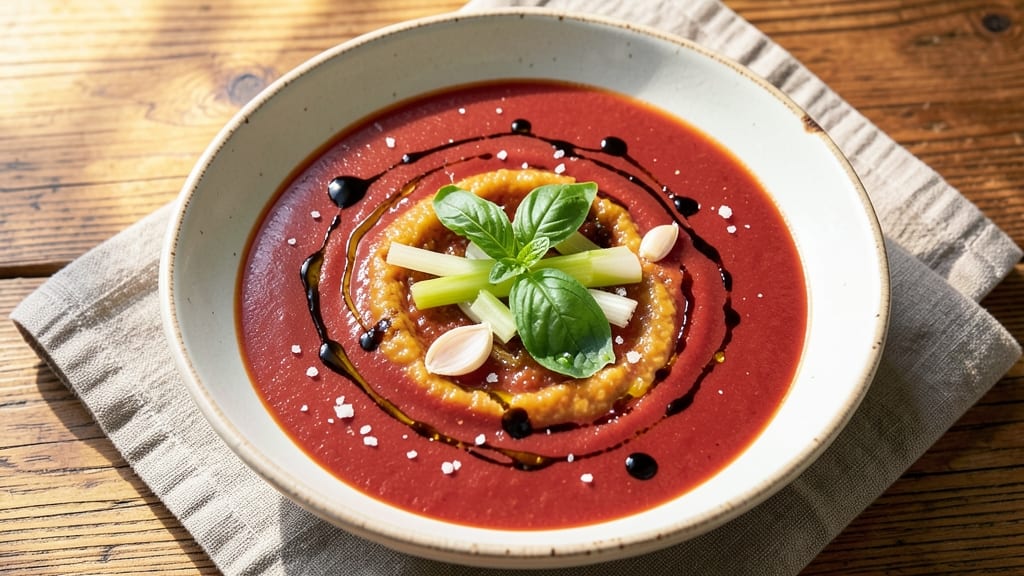
This authentic tomato soup recipe brings the rustic charm of Italian countryside kitchens to your pot, where slow-simmered tomatoes and fresh basil create a velvety, fragrant broth. 🌿 The secret lies in proper tomato preparation—whether fresh or canned—and building layers of flavor through aromatic vegetables and herbs.
I’ve perfected this version after years of testing, ensuring every spoonful delivers that perfect balance of sweetness, acidity, and herbal brightness.
What sets this recipe apart is the traditional technique of sautéing onions, garlic, and celery until deeply caramelized, forming the flavor base before adding tomatoes. A long, gentle simmer develops rich, complex notes, while fresh basil added at the end infuses the soup with its signature aroma.
The result is a soup that’s creamy without heavy cream, with just enough body to coat a spoon.
By the time you finish blending and seasoning, you’ll have a soup that’s deeply comforting yet refreshingly bright—ideal for chilly days or as a lighter alternative to heavy stews.
The texture is silky-smooth, with just a hint of tomato chunkiness if you prefer it rustic. Serve it with crusty bread or grilled cheese for the ultimate Italian-inspired meal.
This recipe works equally well with fresh tomatoes in peak season or high-quality canned tomatoes when they’re out of season, making it versatile for any time of year. The instructions are clear enough for beginners but detailed enough to guide experienced cooks toward that restaurant-quality depth. Let’s get started!
Ingredients for authentic tomato soup
Sixteen ingredients transform into rustic Italian tomato soup with velvety texture and bright basil aroma.
| Ingredient | Amount | Notes |
|---|---|---|
| Extra-Virgin Olive Oil 🫒 | ½ cup | High quality, fruity |
| Yellow Onion 🧅 | 2 whole | Medium, thinly sliced |
| Celery Stalks 🥬 | 3 whole | Trimmed, finely chopped |
| Garlic Cloves 🧄 | 4 cloves | Peeled, finely minced |
| Fresh Tomatoes 🍅 | 2 lb | Ripe, quartered (or substitute canned) |
| San Marzano Tomato Paste 🍅 | ¼ cup | High quality, no sugar added |
| Vegetable Broth 💧 | 4 cups | Homemade or low-sodium |
| Fresh Basil Leaves 🌿 | ½ cup | Packed, torn by hand |
| Red Wine Vinegar 🍷 | 1 tbsp | For acidity balance |
| Granulated Sugar 🍚 | 1 tsp | Adjust to taste |
| Diamond Crystal Kosher Salt 🧂 | 1 ½ tsp | Adjust to taste |
| Freshly Ground Black Pepper 🌶️ | ½ tsp | Coarsely cracked |
| Heavy Cream 🥛 | ¼ cup | Optional, for creaminess |
| Crusty Bread 🍞 | 6 slices | For serving (optional) |
The tomatoes are the heart of this soup. San Marzano canned tomatoes deliver the most authentic flavor, but high-quality fresh tomatoes work beautifully in season. For the best quality, look for San Marzano cans at Italian markets or specialty stores—they're worth the investment. If using fresh, choose vine-ripened tomatoes with vibrant color and minimal bruising. The vegetable broth should be homemade if possible, but low-sodium store-bought works in a pinch. Fresh basil is non-negotiable here—dried simply won't cut it. I always grab extra because half gets torn into the soup and half gets used for garnish. For the olive oil, California Extra Virgin from Trader Joe's is my go-to—affordable and flavorful.
No San Marzano tomatoes? Any high-quality canned tomatoes will work—just avoid brands with added salt or sugar. Fresh tomatoes can be substituted pound-for-pound, but you'll need to peel and seed them first. The tomato paste is essential for depth—no substitutes here. For the broth, mushroom broth adds an umami depth that pairs wonderfully. Want to make this vegan? Skip the heavy cream and use full-fat coconut milk instead. The sugar and vinegar balance each other, so if you're avoiding sugar, add an extra splash of vinegar instead. The celery adds subtle sweetness, so don't skip it—it's the secret to that restaurant-quality depth.
This soup tastes even better the next day as the flavors meld together. Store in an airtight container in the fridge for up to 5 days. For freezing, portion into 1-cup servings with a thin layer of olive oil on top to prevent browning—keeps for 3 months. The basil wilts quickly, so add it fresh at the end. For serving, I like to toast the bread with garlic and olive oil, then serve alongside. The soup reheats beautifully—just warm gently on the stove and adjust seasoning if needed. Make a double batch and freeze portions for quick weeknight meals.
Why You'll Love This Recipe
- No-Fuss Sauté: I swear by the "sofrito" technique here—just onions, celery, and garlic slowly cooked in olive oil until they’re sweet and jammy. No blender, no fuss, and it’s the secret to that restaurant-quality depth.
- Garlic Bomb: That moment when you press raw garlic into the simmering tomatoes? Chef’s kiss. It melts into the soup, leaving behind layers of warmth that make every spoonful feel like a hug—especially when you add a swirl of cream at the end.
- Leftover Gold: This soup actually improves the next day. The flavors meld, the texture gets richer, and it’s perfect for freezing—just reheat with a splash of water and a crack of black pepper. My go-to for lazy Sundays after grocery runs.
- Budget Brightener: Fresh tomatoes don’t have to break the bank. I use whatever’s on sale, and the olive oil (even the good stuff) stretches generously. It’s the kind of dish that makes you feel fancy without the price tag—ideal for feeding friends or stretching meals all week.
Step-by-step instructions for rustic Italian tomato soup
Here's how to create a soup that captures Italy's rustic soul—rich, bright, and full of tradition.
🍳 Step 1: Sauté Aromatics Until Fragrant
Heat the 0.5 cup extra-virgin olive oil in a large, heavy-bottomed pot over medium heat. Add the 2 whole yellow onions and 3 whole celery stalks (chopped), stirring occasionally for 5-7 minutes until softened and translucent. This slow cooking draws out their natural sweetness.
Add the 4 cloves garlic cloves (minced) and cook for another 30 seconds—just until fragrant. Watch closely; garlic burns quickly. The base should smell like a Tuscan market, with sweet onions, earthy celery, and pungent garlic working together. This aromatic foundation is what makes the soup truly authentic.
🍳 Step 2: Build the Tomato Base
Increase heat to medium-high and add the 2 lb fresh tomatoes (quartered) and 0.25 cup San Marzano tomato paste. Stir well to coat everything in the paste, which will deepen the tomato flavor. Let it cook for 5 minutes until the tomatoes begin to break down and release their juices.
Pour in the 4 cups vegetable broth and bring to a gentle boil. Once boiling, reduce heat to medium-low and let it simmer uncovered for 20-25 minutes. You want the tomatoes to soften completely and the flavors to meld—this is where the magic happens. Stir occasionally, but don't overdo it; you're not making a smooth puree yet.
🥘 Step 3: Season and Simmer to Perfection
Add the 1.5 tsp Diamond Crystal kosher salt, 0.5 tsp freshly ground black pepper, 1 tbsp red wine vinegar, and 1 tsp granulated sugar. The vinegar brightens the acidity while the sugar rounds out the natural tartness of the tomatoes. Let the soup simmer for another 10 minutes to let these seasonings integrate fully.
Tear the 0.5 cup fresh basil leaves by hand and stir them into the soup during the last 5 minutes of cooking. Basil releases its aroma when heated, but adding it too early can make it bitter. The soup should now have a vibrant red color with a velvety texture—just a few small tomato pieces should remain for rustic texture.
🥘 Step 4: Finish with Cream and Serve
Remove the pot from heat and stir in the 0.25 cup heavy cream (if using). This adds a luxurious silkiness that balances the acidity. Taste and adjust seasoning—you might need a pinch more salt or sugar depending on your tomatoes. The cream should blend seamlessly, creating a velvety finish without overpowering the tomato flavor.
Ladle the soup into bowls and serve immediately with the 6 slices crusty bread on the side. The contrast of the warm, rustic soup against the crisp bread is pure Italian comfort. For extra authenticity, garnish each bowl with a few torn basil leaves and a drizzle of high-quality olive oil.
Pro Tips For Making Authentic Tomato Soup
- SWEEAT NOT CHAR THE ONIONS: Low and slow is the only way—cover the pot and let the onions melt into golden syrup for 10-12 minutes. I learned this the hard way when I rushed it and ended up with bitter, browned chunks instead of sweet, jammy flavor. If they darken too fast, turn the heat down and add a splash of water.
- BLANCH THE TOMATOES FIRST: Drop whole tomatoes into boiling water for 30 seconds, then shock in ice water before peeling. This removes skins effortlessly and concentrates their sweetness—no more fighting stubborn peels or watery pulp. Works especially well for large, meaty tomatoes like Roma.
- SALT THE SOUP BEFORE SIMMERING: Add salt (about 1 tsp per quart) while the soup is still raw—it’ll taste bland if you wait. The acidity in tomatoes makes them trickier to season, so trust your palate early. (Yes, even if it feels weird before cooking.)
- FINISH WITH A DRIZZLE OF OIL: Stir in 1-2 tablespoons of extra-virgin olive oil at the end—it coats the soup, mellows acidity, and adds richness. I skip this when I’m lazy, but the dish is noticeably smoother and more satisfying when I don’t. (Your future self will notice.)
Pro cooking tips for this recipe
Tomato Selection Matters
For authentic flavor, I always recommend San Marzano tomatoes—their sweet, low-acid profile makes all the difference. If using fresh, choose vine-ripened varieties like Roma or heirloom tomatoes. Avoid green or underripe tomatoes, as they’ll add bitterness.
For canned tomatoes, stick to brands with no added salt or sugar—this keeps the soup’s natural balance intact. 🍅
Caramelizing Aromatics
Don’t rush this step! Cook the onions and celery over medium heat for 5-7 minutes until deeply golden. This slow process develops their natural sweetness, which forms the soup’s flavor foundation.
I like to use a wide, heavy-bottomed pot to prevent burning. Add garlic only in the last 30 seconds—burnt garlic ruins everything. 🧅
Simmering Technique
After adding broth, maintain a gentle simmer (tiny bubbles) rather than a rolling boil. This prevents the tomatoes from breaking down too quickly and losing their texture.
I cover the pot loosely to let excess moisture escape, which concentrates the flavors. The 20-25 minute simmer is crucial—this is when the magic happens. 🥘
Basil Timing
Fresh basil should be added only in the last 5 minutes of cooking. Adding it earlier releases bitter compounds. Tear the leaves by hand rather than chopping—the torn edges infuse more aroma.
For extra brightness, reserve a few leaves to garnish each bowl. Dried basil simply can’t replicate this fresh, herbal punch. 🌿
Acid-Sugar Balance
The red wine vinegar and granulated sugar work together to balance the tomatoes’ natural acidity. Start with the full amount, then taste as you go—you can always add more vinegar if the soup tastes too sweet.
This balance is what makes the soup both rich and refreshing. I often adjust based on the tomatoes’ ripeness. 🍚
Cream Finishing
If using cream, stir it in off the heat to prevent curdling. The heat from the soup can cause the cream to separate if added too soon. For a lighter version, skip the cream and stir in 1 tablespoon olive oil instead.
This adds richness without heaviness. Always taste and adjust seasoning after adding cream. 🥛
Nutrition facts
Frequently asked questions
Can I make this tomato soup without fresh tomatoes?
For the most authentic results, use San Marzano canned tomatoes—they're sweeter and less acidic than most brands. Drain them well before adding to the pot. If using crushed tomatoes, reduce the broth by 1 cup since canned tomatoes already contain liquid. The key is to maintain that 20-25 minute simmer to develop rich flavors.
How do I make this soup creamier without heavy cream?
Blend half the soup until smooth, then stir it back into the remaining chunky portion. This creates natural creaminess. For extra richness, stir in 1 tablespoon olive oil or 2 tablespoons mascarpone cheese at the end. The slow simmer already builds body, so you won't need much extra.
Why does my tomato soup taste too acidic?
This usually happens when using overly ripe or tart tomatoes. Balance the acidity by adding ½ teaspoon more sugar or a pinch of baking soda (just ¼ teaspoon—it neutralizes acid without altering flavor). For future batches, reduce the vinegar to ½ tablespoon if your tomatoes are particularly sweet. Always taste as you go!
Can I make this soup in a slow cooker?
Yes! Sauté the aromatics first, then transfer everything to your slow cooker. Cook on low for 6-7 hours or high for 3-4 hours, stirring occasionally. The long cook time deepens flavors naturally. Add fresh basil only in the last 30 minutes of cooking to preserve its aroma. The texture will be slightly thicker—thin with broth if needed.
What's the best way to store and reheat leftovers?
Store in an airtight container for up to 5 days in the fridge. For freezing, portion into 1-cup servings with a thin layer of olive oil on top to prevent browning. Thaw overnight in the fridge, then reheat gently on the stove with 1-2 tablespoons broth to restore moisture. Never microwave—it destroys the velvety texture.